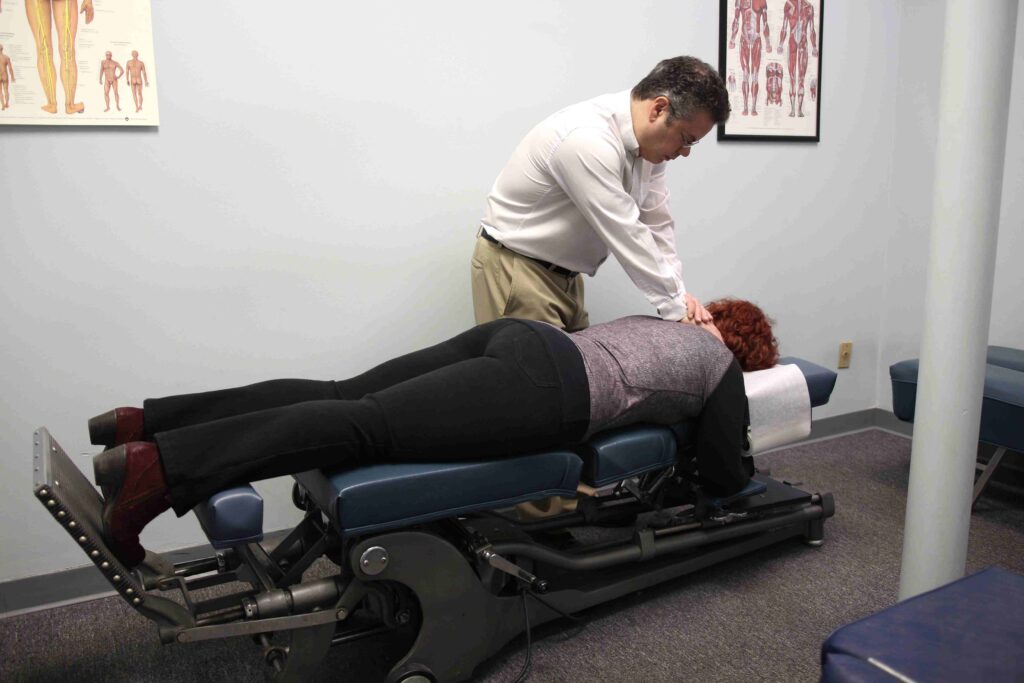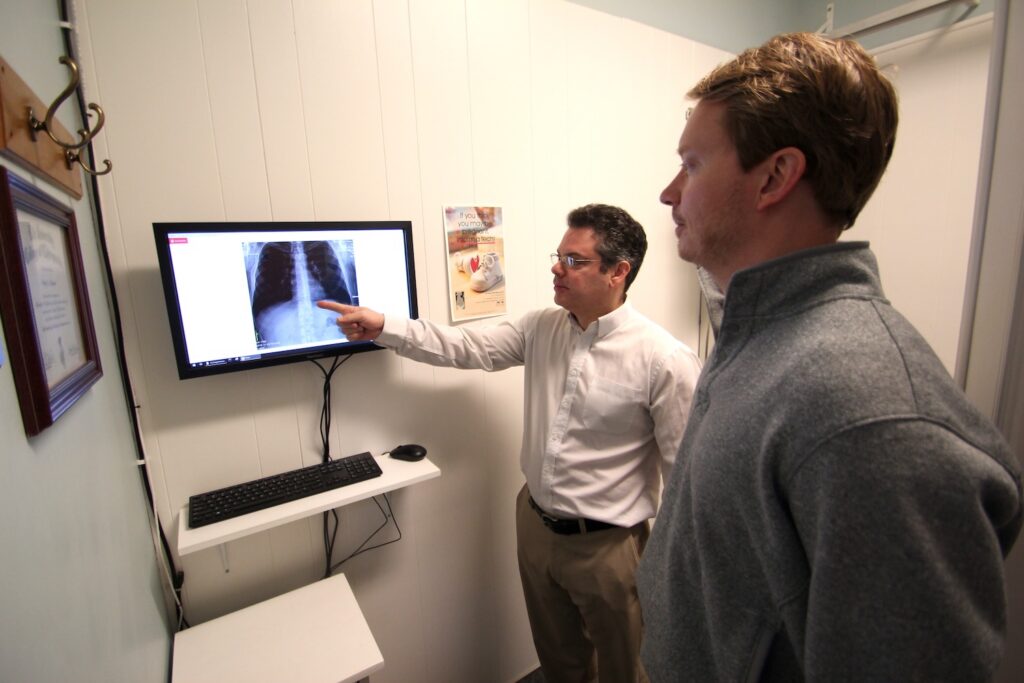

As a local chiropractor, I want to share with you the importance of preventive care for chronic pain, which goes beyond simply addressing symptoms as they occur. It's about taking proactive measures to reduce flare-ups and improve your overall well-being. By incorporating regular chiropractic check-ups, engaging in appropriate exercises, and practicing effective stress management techniques, you can significantly influence how you experience pain in your daily life.
So, what specific strategies can you adopt to ensure you're on the right path to better health? Understanding the benefits of chiropractic care and how it works in conjunction with natural healing methods can truly transform your approach to pain management. I encourage you to explore these options with me, as together we can create a personalized plan that enhances your quality of life and helps you feel your best.
Understanding Chronic Pain
What's chronic pain? It's a complex issue that affects many individuals in our community. Unlike acute pain, which acts as a warning sign and typically resolves when the underlying problem is addressed, chronic pain lingers for months or even years, often without a clear cause. You might feel it as a constant ache, sharp pain, or even a burning sensation. This ongoing discomfort can significantly affect your daily life, influencing everything from work and relationships to the simplest activities.
Chronic pain can arise from various sources, including injuries, illnesses, or conditions such as arthritis and fibromyalgia. Sometimes, it develops without any identifiable cause, making management even more challenging. It's essential to understand that your experience with chronic pain is unique; what alleviates someone else's discomfort mightn't work for you.
As a chiropractor, I want to emphasize that living with chronic pain can lead to emotional and psychological struggles. You may feel frustrated, anxious, or even depressed due to the limitations your condition imposes. It's important to acknowledge these feelings and seek support, whether from loved ones or professionals.
Understanding chronic pain is a crucial step toward effective management. In our practice, we focus on natural healing methods that can help you cope with your pain. This may include chiropractic adjustments, physical therapy, and lifestyle modifications tailored to your needs.
By actively participating in your care, you can develop strategies to manage your pain, improve your quality of life, and regain a sense of control over your body.
The Role of Preventive Care
As your local chiropractor, I want to emphasize the vital role preventive care plays in managing chronic pain and enhancing your overall well-being. By addressing potential issues before they escalate, you can take charge of your health and significantly reduce discomfort. This proactive approach not only helps you manage existing pain but also promotes a healthier lifestyle, allowing you to partake in activities you love.
Incorporating preventive care into your daily routine can have a profound impact on your quality of life. Here are some key aspects to consider:
- Regular chiropractic check-ups: Regular visits to a chiropractor can help detect and address pain-related issues early on, ensuring your spine and nervous system function optimally.
- Physical activity: Incorporating regular exercise into your routine strengthens your muscles and improves flexibility, which can help prevent injuries and reduce the likelihood of pain flare-ups.
- Healthy eating: A balanced diet is crucial for your body's overall function and can aid in reducing inflammation, a common factor in chronic pain.
- Stress management: Engaging in relaxation techniques, such as meditation or yoga, can help mitigate stress, which is often a significant contributor to pain.
- Sleep hygiene: Prioritizing quality sleep is essential for your body's recovery process and can enhance your ability to cope with pain.
By embracing these preventive care practices, you can empower yourself to live a more comfortable and fulfilling life.
Benefits of Preventive Strategies
As a local chiropractor, I want to share how embracing preventive strategies can significantly enhance your quality of life. By taking proactive measures to manage chronic pain, you can reduce the frequency and intensity of flare-ups, enabling you to participate more fully in your daily activities. Investing in preventive care means you're not only addressing pain but also nurturing your overall well-being.
One of the most notable benefits of chiropractic care is the improvement in your physical functioning. Regular chiropractic adjustments and exercises are key preventive strategies that help strengthen your muscles and enhance flexibility. This not only alleviates pain but also prevents future injuries, allowing you to move freely and enjoy life without the constant burden of discomfort.
Moreover, preventive care plays a crucial role in promoting mental health. Chronic pain can weigh heavily on your emotional well-being, often leading to anxiety and depression. By incorporating mindfulness practices, stress management techniques, and seeking social support, you can foster a more positive mindset. This holistic approach can help break the cycle of pain and emotional distress, making you feel more resilient.
Additionally, engaging in preventive strategies can significantly improve your communication with healthcare providers, including your chiropractor. When you take a proactive stance, you're more likely to discuss your concerns and preferences, ensuring that your treatment plan aligns with your personal health goals.
This collaborative approach often leads to better outcomes and a more personalized experience in your journey toward wellness.
Key Preventive Techniques
As a local chiropractor, I want to share several effective techniques that can help you manage chronic pain and enhance your overall well-being. By incorporating these strategies into your daily routine, you can take proactive steps toward reducing discomfort and improving your quality of life without relying solely on medication.
- Mindfulness Meditation: Practicing mindfulness allows you to develop a greater awareness of your pain and reduce stress. This technique can help you cope with discomfort more effectively and may even enhance your response to chiropractic treatments.
- Regular Physical Activity: Engaging in low-impact exercises, such as walking or swimming, is crucial. These activities can strengthen your muscles and improve flexibility, potentially alleviating pain.
As a chiropractor, I often recommend specific exercises tailored to your needs to support your recovery.
– Heat and Cold Therapy: Utilizing heat pads or cold packs can provide temporary relief from pain. Heat can help relax tight muscles, while cold therapy can reduce inflammation and numb areas of discomfort.
I can guide you on how to use these therapies effectively in conjunction with your chiropractic adjustments.
- Proper Hydration: Staying well-hydrated is essential for your overall bodily functions. Adequate hydration can help reduce muscle cramps and discomfort associated with dehydration, which is often overlooked in pain management.
- Support Systems: Building strong relationships with family, friends, or support groups is vital for emotional support. These connections can offer encouragement and help you navigate the challenges of chronic pain.
As your chiropractor, I'm here to support you on your healing journey and encourage you to lean on your support network.
Lifestyle Modifications for Pain Relief
As a local chiropractor, I want to share with you how lifestyle modifications can play a vital role in managing chronic pain. One of the first steps you can take is to examine your diet and nutrition. A balanced diet can significantly impact your body's ability to heal and maintain optimal function.
In addition, incorporating regular exercise and movement into your daily routine is essential. Activities such as stretching, walking, or gentle yoga can enhance your flexibility and strength, which are crucial in alleviating pain and improving your overall well-being.
These natural approaches not only help in reducing pain but also promote a healthier lifestyle that supports your body's healing processes.
Diet and Nutrition
As a chiropractor, I want to emphasize that while managing chronic pain often involves various medical treatments, the influence of diet and nutrition is something we shouldn't overlook. The foods you choose to eat can significantly affect your pain levels and overall well-being.
By focusing on a balanced diet rich in anti-inflammatory foods, you can help reduce pain and support your body's natural healing processes.
Here are some dietary components you might consider incorporating into your meals:
- Fruits and vegetables: These are loaded with antioxidants that can help combat inflammation in your body.
- Healthy fats: Incorporating foods like avocados and olive oil can contribute to lowering inflammation.
- Whole grains: These provide vital fiber and nutrients that are crucial for your overall health.
- Lean proteins: Choosing sources like fish and legumes can aid in tissue repair and recovery.
- Hydration: Keeping yourself well-hydrated is essential for joint lubrication and can help alleviate pain.
Making these dietary adjustments isn't solely about alleviating discomfort; it's about enhancing your quality of life.
You may find improvements not just in your pain levels but also in your energy and mood.
Exercise and Movement
As a local chiropractor, I want to emphasize the importance of integrating exercise and movement into your daily routine, especially when it comes to managing chronic pain. Alongside dietary changes, regular physical activity is essential for enhancing your strength, flexibility, and overall mobility, which can significantly reduce pain levels.
For those just starting out, I recommend low-impact exercises such as walking, swimming, or cycling. These activities are gentle on your joints and can also improve your mood and energy levels. It's crucial to listen to your body during this process. Avoid pushing yourself too hard; instead, gradually increase the intensity and duration of your workouts as you become more comfortable.
Incorporating stretching into your routine is also vital. Stretching helps maintain flexibility and prevents stiffness, which is crucial for your overall well-being. Activities like yoga or Pilates can be particularly beneficial, as they focus on gentle movements and breathing techniques that promote relaxation.
I suggest aiming for at least 150 minutes of moderate exercise each week. Breaking this down into manageable sessions can make it feel less overwhelming. Remember, consistency is key to seeing results. To keep your routine enjoyable, try mixing different activities or even exercising with a friend.
Collaborating With Healthcare Providers
As a local chiropractor, I want to emphasize the importance of collaborating with your healthcare providers for effective chronic pain management.
Building strong relationships and maintaining open lines of communication with your healthcare team can create a foundation of trust that significantly enhances your treatment experience.
Chiropractic care, as part of a multidisciplinary approach, can provide you with a range of natural healing options.
By understanding how your body functions and the various methods available to alleviate pain, we can work together to tailor a comprehensive plan that suits your individual needs.
Embracing these diverse strategies can lead to a more thorough understanding of your pain management journey, empowering you to take control of your health.
Building Strong Relationships
Building Strong Relationships in Chiropractic Care
Establishing strong connections with your chiropractor and other healthcare providers is crucial for effectively managing chronic pain and enhancing your overall health. When you work closely with your chiropractor, you're laying the groundwork for personalized care and natural healing. These relationships empower you to express your needs and ensure that you receive the best treatment tailored to your individual circumstances.
To foster these connections, consider the following:
- Be open and honest about your symptoms, concerns, and lifestyle. This information helps me understand your unique situation better.
- Attend regular appointments to demonstrate your commitment to your health and healing process.
- Ask questions to gain a clearer understanding of chiropractic care and how it can benefit you. Knowledge is a powerful tool in your healing journey.
- Share your health goals so that I can create a personalized plan that aligns with your lifestyle and aspirations.
- Follow up on treatments and provide feedback on what works and what doesn't, as this helps us refine your care plan for optimal results.
When you actively engage in your chiropractic care, you create a partnership built on trust and respect. This collaborative approach can significantly reduce feelings of isolation and frustration that often accompany chronic pain.
Communication and Trust
As a local chiropractor, I want to emphasize the importance of building strong relationships with your healthcare providers, including myself, to foster effective communication and trust in your journey towards better health.
When you feel confident in my expertise and approach, it allows us to have open discussions about managing your chronic pain and overall wellness.
It's vital that you feel comfortable sharing all aspects of your health with me—your symptoms, concerns, and treatment preferences. This honesty is the foundation of our partnership and enables me to create a personalized plan that caters to your unique needs.
Collaboration is key in your healthcare journey. I encourage you to ask questions and voice any doubts you may have. Understanding your treatment options is crucial, and I'm here to listen and address your concerns.
Regular check-ins are also important; they give us the opportunity to discuss your progress and any changes in your condition, ensuring that we stay on track.
If you're seeing other healthcare providers, please share any insights or information from those visits. This can provide me with a broader understanding of your overall health and help me adjust your treatment plan as necessary.
Multidisciplinary Approach Benefits
As a local chiropractor, I want to share how a multidisciplinary approach to managing chronic pain can significantly enhance your well-being. Many patients have found that when we work together with various healthcare providers, we can create a comprehensive care plan tailored specifically to your needs.
This method goes beyond just addressing the physical aspects of pain; it also takes into account the emotional and psychological factors that may be affecting you.
Here are some key benefits you may experience by embracing this collaborative approach:
- Holistic treatment: By involving different specialists, we can ensure that every aspect of your pain is addressed. This means that while I focus on spinal alignment and musculoskeletal health, other professionals can target additional factors contributing to your discomfort.
- Improved communication: A team of healthcare professionals working together means that your care is coordinated. This leads to clearer communication about your treatment plan, so you always know what to expect and how to proceed.
- Emotional support: Chronic pain can take a toll on your mental health. By integrating mental health professionals into your care team, we can help you build coping strategies to manage the emotional challenges that often accompany chronic pain.
- Enhanced motivation: Being part of a collaborative team can boost your motivation to stay committed to your treatment goals. You're not alone in this journey; we're all here to support and encourage you.
- Better outcomes: Studies consistently show that patients receiving multidisciplinary care report better pain relief and an improved quality of life. By combining chiropractic adjustments with therapies from other specialists, you can achieve a more effective and well-rounded approach to healing.
At our practice, we believe in the power of a multidisciplinary approach to help you navigate your pain and improve your overall health. Together, we can work towards a brighter, pain-free future.
Monitoring and Adjusting Care Plans
As a local chiropractor, I want to emphasize the importance of regularly monitoring and adjusting your care plan when managing chronic pain. Chronic pain is a complex and ever-changing condition influenced by various factors, such as physical activity, emotional stress, and even environmental changes. By keeping a close eye on your symptoms, you can uncover patterns and triggers that might necessitate adjustments to your treatment approach.
One effective way to track your pain is by keeping a pain diary. In this diary, you should document the intensity, duration, and location of your pain, along with any chiropractic adjustments, therapies, or lifestyle changes you've tried. This record will be invaluable when discussing your care plan during our appointments.
It's crucial to have regular check-ins; I encourage you to schedule appointments to review your progress and share your diary entries with me. Remember, your care plan isn't set in stone. If you observe that certain treatments aren't providing relief or if new symptoms develop, please don't hesitate to let me know. Together, we can explore alternative options, which may involve adjusting your chiropractic techniques, introducing new therapies, or even referring you to other specialists if necessary. Staying proactive in your care is essential.
Moreover, I encourage you to consider incorporating holistic approaches into your routine, such as mindfulness practices, physical therapy exercises, or acupuncture. These methods can complement your chiropractic treatments and enhance your overall well-being.
Additionally, evaluating your lifestyle habits—such as your diet, exercise routine, and sleep quality—can significantly impact your ability to manage chronic pain effectively. Your health is a journey, and I'm here to support you every step of the way!
Conclusion
As your local chiropractor, I want to emphasize the importance of preventive care in managing chronic pain. By gaining a deeper understanding of your condition and collaborating with healthcare professionals like myself, you can establish effective strategies that cater specifically to your unique needs.
Incorporating lifestyle changes, such as regular chiropractic adjustments, exercise, and stress management techniques, can significantly enhance your overall well-being. Chiropractic care focuses on aligning your spine and improving your nervous system function, which can lead to better pain management.
Remember, taking proactive steps today—like exploring natural healing options—can lead to a more comfortable tomorrow. Together, we can work towards helping you live your life to the fullest, despite chronic pain.