
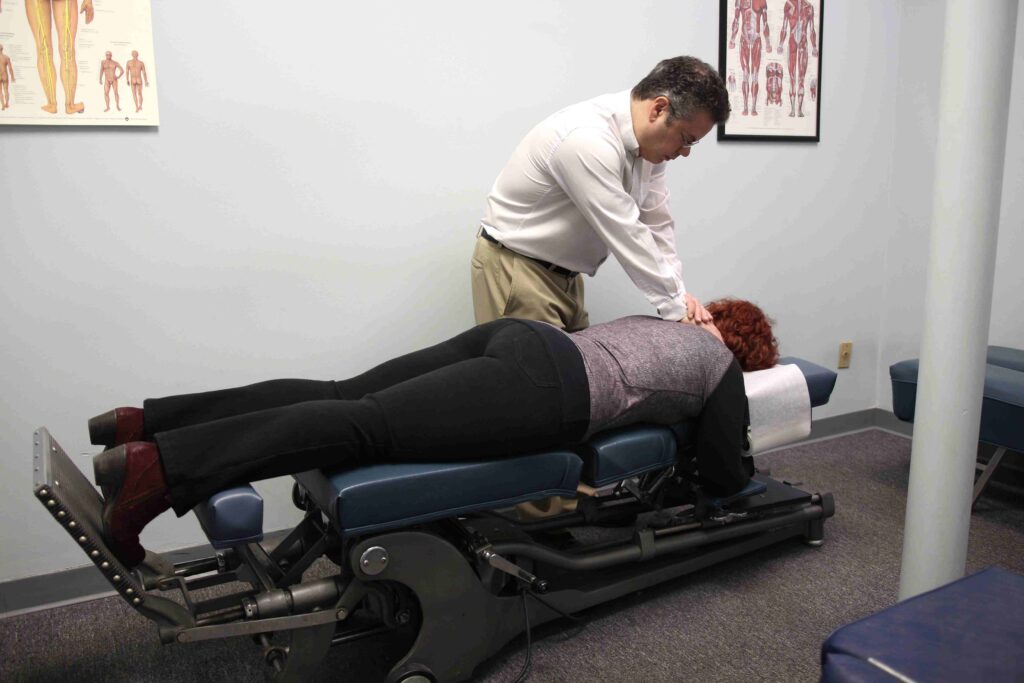

Most people think about seeing a chiropractor only when they’re in pain—after throwing out their back, tweaking their neck, or dealing with a nagging headache that won’t quit. But here’s what many don’t realize: regular chiropractic care isn’t just about managing pain when it strikes. It’s about maintaining your body’s natural function so you can move through your daily activities with greater ease, energy, and comfort. Whether you’re chasing after kids, sitting at a desk for hours, or staying active with your favorite hobbies, consistent chiropractic adjustments can make a noticeable difference in how you feel and perform every single day. Here at Chiropractic Fitness in Charlotte, NC, we see patients discover these benefits all the time—and we want you to understand how this approach to wellness can transform your daily life.
What is Regular Chiropractic Care?
Regular chiropractic care involves scheduled visits to maintain spinal health and overall function, typically even when you’re not experiencing acute pain. Rather than waiting for symptoms to appear, this proactive approach focuses on keeping your nervous system and musculoskeletal system working optimally through periodic adjustments and wellness support.
Table of Contents
- Why Regular Care Matters More Than One-Time Visits
- How Chiropractic Care Supports Nervous System Function
- Specific Ways Regular Care Improves Daily Activities
- What Regular Chiropractic Care Looks Like
- Real-World Benefits Patients Experience
- Reactive vs. Proactive Care: A Comparison
- Myths vs. Facts About Regular Chiropractic Care
- Tips for Maximizing Your Chiropractic Care Benefits
- When to Consider Starting Regular Care
- Final Thoughts from Chiropractic Fitness
Why Regular Care Matters More Than One-Time Visits
Think of your spine like the foundation of a house. When the foundation shifts slightly, you might not notice right away. But over time, those small misalignments create stress on the entire structure. Your spine works the same way. Daily activities—sitting, bending, lifting, even sleeping—create subtle stresses on your spinal joints and the surrounding muscles.
When vertebrae lose their normal motion or position, chiropractors call this a subluxation. These restrictions can interfere with how your nervous system communicates with the rest of your body. Your nervous system controls everything from muscle tension to digestion to immune function. Even small disruptions can affect how well you feel and function.
Regular chiropractic adjustments help maintain proper spinal alignment and joint mobility before these small issues compound into bigger problems. Research published in the Journal of Manipulative and Physiological Therapeutics suggests that maintenance care may help reduce the frequency and intensity of musculoskeletal complaints over time.
This isn’t about becoming dependent on adjustments. It’s about giving your body consistent support so it can adapt to the physical demands you place on it every day. Many patients at Chiropractic Fitness in Charlotte find that once they start regular care, they notice improvements they didn’t even realize were possible—better sleep, more energy, improved flexibility, and a greater sense of overall wellness.
How Chiropractic Care Supports Nervous System Function
Your nervous system is your body’s master control system. Every message between your brain and your body travels through your spinal cord, protected by the bones of your spine. When your spinal joints move properly, nerve signals flow freely. When joints become restricted or misaligned, it can create interference in that communication network.
Chiropractic adjustments restore proper motion to spinal joints, which helps optimize nervous system function. This doesn’t mean chiropractic cures diseases—it means that by improving spinal mechanics, we can help your body function closer to its natural potential.
Think about what happens when you’re stressed or sitting in poor posture for hours. Your shoulders creep up toward your ears. Your neck muscles tighten. Your breathing becomes shallow. These physical changes affect how your nervous system operates. Tension in your upper back and neck can trigger tension headaches. Poor posture can affect how efficiently you breathe. Restricted movement in your mid-back can even influence digestion.
Regular adjustments help break this cycle. By maintaining better spinal alignment and joint function, your nervous system can work more efficiently. Many patients report feeling more balanced, experiencing better stress resilience, and having improved body awareness after establishing a regular chiropractic routine.
The World Health Organization recognizes the importance of spinal health in overall wellbeing. While individual results vary, the goal of regular chiropractic care is to support your body’s natural ability to adapt, heal, and function optimally in your daily environment.
Specific Ways Regular Care Improves Daily Activities
Let’s get practical. How does regular chiropractic care actually show up in your everyday life? Here are specific areas where patients commonly notice positive changes:
Better Posture and Body Mechanics
Regular adjustments combined with postural education help retrain your body’s default positions. If you work at a desk in Charlotte’s many office buildings, you know how easy it is to slouch forward over a keyboard. Consistent chiropractic care addresses the spinal restrictions that develop from these positions and helps your body maintain better alignment naturally. Over time, many patients find they automatically sit and stand straighter without constantly thinking about it.
Improved Physical Performance
Whether you’re a runner hitting the greenways, a weekend warrior playing recreational sports, or someone who simply wants to keep up with an active lifestyle, spinal function matters. When your joints move properly and your nervous system communicates efficiently with your muscles, your body performs better. You may notice improved range of motion, better coordination, and enhanced physical endurance. Many athletes incorporate regular chiropractic care into their training routines for this reason.
Reduced Morning Stiffness
That feeling of waking up stiff and achy? Regular chiropractic care often helps reduce it. By maintaining proper spinal alignment and addressing muscle tension before it becomes chronic, many patients find they wake up feeling more refreshed and mobile. Your sleep quality may improve too, since tension and discomfort won’t interrupt your rest as frequently.
Greater Energy Throughout the Day
When your body isn’t fighting constant tension, restriction, or discomfort, you have more energy available for everything else. Patients frequently report feeling less fatigued and more productive after starting regular care. This isn’t about chiropractic giving you energy—it’s about removing barriers that were draining your energy in the first place.
Enhanced Mental Clarity and Focus
Physical tension affects mental function. When your neck and upper back are chronically tight, it can contribute to headaches, difficulty concentrating, and mental fog. Research indicates that addressing spinal dysfunction may help improve cognitive function and reduce tension-type headaches. Many patients at our Charlotte practice report clearer thinking and better focus as an unexpected benefit of their care.
Better Stress Management
Your body’s stress response is partly physical. When you’re under chronic stress, your muscles tighten, especially in your neck and shoulders. This physical tension can amplify your mental stress, creating a feedback loop. Regular adjustments help break this pattern by addressing the physical component, which many patients find helps them manage stress more effectively overall.
What Regular Chiropractic Care Looks Like
At Chiropractic Fitness in Charlotte, we tailor regular care schedules to each person’s needs, lifestyle, and goals. There’s no one-size-fits-all approach. Some patients benefit from weekly adjustments, while others do well with biweekly or monthly visits once their initial concerns are addressed.
Your care typically begins with a thorough evaluation. We assess your spinal alignment, joint mobility, muscle balance, posture, and how you move through basic activities. We also discuss your daily demands—what your work involves, what activities you enjoy, and what goals you have for your health and function.
Based on this assessment, we develop an individualized care plan. In the beginning, you might come in more frequently to address existing restrictions and establish better spinal function. As your body responds and stabilizes, visits typically become less frequent. The goal is to maintain the improvements you’ve gained while preventing new problems from developing.
Each visit includes specific chiropractic adjustments tailored to what your body needs that day. We may also provide soft tissue work, stretching guidance, ergonomic recommendations, or exercises to support your spinal health between visits. The focus is always on empowering you to take an active role in your wellness.
Regular care doesn’t mean you’re injured or broken. It means you’re being proactive about maintaining your body’s function, similar to regular dental checkups or routine car maintenance. You wouldn’t wait until your car completely breaks down to check the oil, and the same principle applies to your spine.
Real-World Benefits Patients Experience
The improvements patients notice from regular chiropractic care often extend beyond what they initially expected. While everyone’s experience is unique, there are common patterns we observe at Chiropractic Fitness.
Workplace Comfort and Productivity
Charlotte’s growing business community means many people spend significant time sitting at computers or in meetings. Regular chiropractic care helps counteract the effects of prolonged sitting, repetitive movements, and forward head posture. Patients often report they can work longer without discomfort, maintain better focus throughout the day, and feel less drained by the end of the workweek.
Active Lifestyle Sustainability
If you enjoy Charlotte’s outdoor activities—hiking at Crowders Mountain, cycling the greenways, or playing tennis—regular chiropractic care can help you stay active as you age. By maintaining joint mobility and addressing minor restrictions before they become major limitations, many patients find they can continue enjoying their favorite activities for years longer than they might otherwise.
Improved Recovery from Physical Activities
Recovery time matters. Whether you’re sore after a workout or stiff after a long day of yard work, regular chiropractic care can support faster recovery. Evidence suggests that spinal manipulation may help reduce muscle soreness and improve tissue healing through various mechanisms, including enhanced blood flow and nervous system regulation.
Better Balance and Coordination
Your spine plays a crucial role in proprioception—your body’s awareness of where it is in space. Regular adjustments help maintain the sensory feedback between your joints and nervous system, which can improve balance and coordination. This becomes increasingly important as we age and want to reduce fall risk.
Preventive Benefits
Perhaps the most significant advantage of regular care is prevention. By addressing small problems before they become big ones, you may avoid acute pain episodes, reduce your need for medications, and prevent the cascade of compensations that often develop when one area of your body isn’t functioning properly. While we can’t guarantee you’ll never experience pain, regular care gives your body the best chance to maintain its natural resilience.
Reactive vs. Proactive Care: A Comparison
| Aspect | Reactive Care (Crisis-Based) | Regular Proactive Care |
|---|---|---|
| When You Visit | Only when pain or symptoms appear | Scheduled maintenance visits regardless of symptoms |
| Primary Focus | Relieving immediate pain or dysfunction | Maintaining optimal function and preventing problems |
| Treatment Intensity | Often requires more frequent initial visits to address acute issues | Consistent, less intensive care with stable improvements |
| Cost Pattern | Unpredictable expenses when problems arise | Predictable, budgetable wellness investment |
| Daily Function | Periods of limitation followed by recovery | Consistent comfort and performance in daily activities |
| Long-Term Outlook | May experience recurring episodes over time | Greater resilience and fewer acute flare-ups |
Myths vs. Facts About Regular Chiropractic Care
Myth: Once You Start Chiropractic Care, You Have to Keep Going Forever
Fact: You choose how you use chiropractic care. Some patients come only when they have specific pain episodes. Others choose regular maintenance care because they feel better with it. There’s no physical dependency—it’s about what serves your health goals best. At Chiropractic Fitness, we respect that each person makes their own healthcare decisions.
Myth: Regular Adjustments Will Make Your Spine Weak or Unstable
Fact: This is completely backwards. Regular chiropractic care helps maintain proper joint function and the surrounding muscle balance, which actually supports spinal stability. Adjustments restore normal motion to restricted joints; they don’t create excessive movement or weakness. Research shows no evidence that appropriate chiropractic care causes spinal instability.
Myth: Chiropractic Care Is Only for Back Pain
Fact: While chiropractors certainly help with back pain, the scope is much broader. Regular care addresses overall musculoskeletal function, which affects how your entire body performs. Patients often seek care for neck pain, headaches, joint stiffness, posture problems, sports performance, and general wellness maintenance—not just back pain.
Myth: You Don’t Need a Chiropractor Unless Something Hurts
Fact: Pain is often the last symptom to appear and the first to disappear. By the time you feel pain, dysfunction has usually been developing for a while. Regular care addresses restrictions and imbalances before they become painful, similar to how you maintain your dental health with checkups even when you have no toothache.
Myth: Regular Chiropractic Care Is Just About “Cracking” Your Joints
Fact: The sound sometimes heard during adjustments is just gas bubbles releasing from the joint—it’s not bones cracking. But more importantly, chiropractic care involves much more than adjustments. At Chiropractic Fitness in Charlotte, we incorporate movement education, ergonomic guidance, exercise recommendations, and lifestyle coaching to support your overall wellness between visits.
Tips for Maximizing Your Chiropractic Care Benefits
Getting adjusted regularly is important, but what you do between visits matters just as much. Here’s how to maximize the benefits of your chiropractic care:
Stay Active in the Right Ways
Movement is medicine for your spine. Regular walking, stretching, and strengthening exercises help maintain the mobility gained from your adjustments. In Charlotte, we’re fortunate to have wonderful greenways and parks—use them. Aim for at least 30 minutes of movement most days, choosing activities you actually enjoy so you’ll stick with them.
Mind Your Ergonomics
Your work setup significantly impacts your spinal health. Position your computer monitor at eye level. Keep your keyboard and mouse close enough that your shoulders can relax. Use a chair that supports your lower back. Take brief movement breaks every 30-45 minutes. These small adjustments compound over time to protect the benefits of your chiropractic care.
Prioritize Quality Sleep
Your body repairs and regenerates during sleep. Choose a pillow that maintains your neck’s natural curve—not too high, not too flat. Sleep on your back or side rather than your stomach. Replace old mattresses that sag or no longer provide support. Good sleep posture protects your spine while you rest.
Stay Hydrated
Your spinal discs are largely composed of water. Adequate hydration helps maintain disc height and health. Drink water throughout the day, especially after your adjustments when your body is adapting to improved spinal mechanics.
Practice Stress Management
Chronic stress creates chronic muscle tension, which works against your chiropractic care. Find stress management techniques that work for you—whether that’s meditation, deep breathing, time in nature, or engaging in hobbies you enjoy. Physical and mental health are deeply connected.
Communicate with Your Chiropractor
Let us know if anything changes—new activities, different symptoms, work demands, or life stresses. The more we understand about your life, the better we can tailor your care. Your honest feedback helps us adjust your treatment plan to serve you most effectively.
Follow Through with Home Recommendations
If we recommend specific stretches, exercises, or modifications, they’re designed specifically for your needs. Consistency with these recommendations between visits significantly enhances your outcomes. Even five minutes daily of targeted stretching or strengthening makes a meaningful difference.
When to Consider Starting Regular Care
You don’t need to wait for a major problem to begin regular chiropractic care. In fact, starting before serious issues develop is ideal. Consider regular care if any of these situations apply to you:
You have a physically demanding job—whether that’s construction work, nursing, landscaping, or any career that requires repetitive movements, heavy lifting, or prolonged awkward positions. Regular care helps your body manage these demands more effectively.
You sit for most of your workday. Prolonged sitting is one of the most challenging positions for your spine. If you’re part of Charlotte’s corporate workforce spending hours at a desk, preventive chiropractic care can counteract the cumulative stress this places on your spine.
You’re active in sports or fitness activities. Athletes and active individuals benefit from regular care to maintain optimal biomechanics, prevent overuse injuries, and support recovery. Whether you’re training for a marathon or playing weekend basketball, your body performs better with proper spinal function.
You have a history of recurring neck or back problems. If you’ve experienced multiple episodes of pain over the years, regular care may help reduce the frequency and severity of future flare-ups. Addressing the underlying biomechanical issues before they trigger pain is more effective than waiting for another episode.
You’re noticing early warning signs like stiffness, reduced flexibility, or minor aches that come and go. These are your body’s signals that something needs attention. Starting care at this stage often prevents these minor issues from becoming major limitations.
You’re interested in proactive wellness. You don’t need symptoms to benefit from chiropractic care. If you value maintaining your health, preventing problems, and performing at your best in daily activities, regular care aligns with that philosophy.
You’re recovering from an injury or accident. After a car accident, fall, or sports injury, even after the acute pain resolves, regular follow-up care helps ensure proper healing and prevents compensatory patterns from developing.
Signs You Should Seek Immediate Evaluation
While regular chiropractic care is generally safe and beneficial, certain symptoms warrant immediate medical attention before starting or continuing care. Seek appropriate evaluation if you experience sudden severe headache, loss of bowel or bladder control, progressive weakness or numbness, unexplained weight loss with back pain, or symptoms following significant trauma. These red flags may indicate conditions requiring different types of medical care.
Final Thoughts from Chiropractic Fitness
Here in Charlotte, NC, we’re fortunate to have an active, health-conscious community that values maintaining wellness rather than just reacting to illness. Regular chiropractic care fits perfectly into that philosophy. It’s about giving your body consistent support so you can show up fully in your life—whether that’s keeping pace with your kids, excelling at work, pursuing your fitness goals, or simply moving through each day with comfort and ease.
At Chiropractic Fitness, we’ve seen countless patients transform not just their spinal health but their overall quality of life through regular, proactive care. The difference between managing symptoms as they arise and maintaining function before problems develop is significant. It’s the difference between constantly putting out fires and preventing them from starting in the first place.
Your body is designed to move, adapt, and heal. Regular chiropractic care supports these natural abilities by keeping your nervous system and musculoskeletal system functioning optimally. The benefits extend into every corner of your daily life—from how you feel when you wake up to how you perform at work, from your energy levels to your stress resilience, from your physical capabilities to your overall wellbeing.
If you’re curious about how regular chiropractic care might benefit your specific situation, we’d love to talk with you. Every person’s needs are different, and we take the time to understand your unique circumstances, goals, and concerns. Chiropractic care isn’t about quick fixes or unrealistic promises—it’s about consistent support that helps your body function better over the long term.
We’re here to serve the Charlotte community with evidence-informed, patient-centered care that respects your health goals and fits into your lifestyle. If you’re ready to experience what regular chiropractic care can do for your daily activities and overall wellness, reach out to Chiropractic Fitness. Your body is designed to serve you well—let’s help it do exactly that.
Frequently Asked Questions
How often should I see a chiropractor for regular maintenance care?
The frequency varies based on your individual needs, lifestyle demands, and health goals. Many patients benefit from visits every 2-4 weeks once their initial concerns are addressed, but your chiropractor will develop a personalized schedule based on how your body responds to care. There’s no universal “right” frequency—it’s about what keeps you functioning at your best.
Will my insurance cover regular wellness chiropractic visits?
Insurance coverage varies significantly between plans and providers. Many insurance policies cover chiropractic care for specific diagnosed conditions but may not cover purely preventive or wellness visits. It’s best to check directly with your insurance provider about your specific coverage. Many patients choose to pay out-of-pocket for maintenance care because they value the long-term benefits, regardless of insurance coverage.
Can I see a chiropractor regularly even if I’m not in pain?
Absolutely. In fact, this is the ideal scenario. Regular care while you’re feeling good helps maintain that state and prevents future problems from developing. You don’t need to have pain to benefit from chiropractic adjustments—many patients seek care specifically to maintain their wellness and optimize their daily function.
Is it safe to get adjusted regularly over many years?
Yes, when performed by a licensed chiropractor, regular adjustments are considered safe for long-term care. Research and clinical experience spanning decades demonstrate that ongoing chiropractic care has an excellent safety profile when appropriately applied. Your chiropractor will continually assess your needs and adjust your care plan as your circumstances change over time.
What’s the difference between physical therapy and regular chiropractic care?
While there’s some overlap, they emphasize different approaches. Physical therapy typically focuses on rehabilitation exercises and movement patterns following injury or surgery, often with a defined endpoint when goals are met. Chiropractic care emphasizes spinal and nervous system function through adjustments, with many patients choosing to continue regular care for ongoing wellness maintenance. Both professions are valuable and sometimes complement each other.
Can children and elderly people receive regular chiropractic care safely?
Yes, chiropractic care can be safely adapted for people of all ages, from infants to seniors. Techniques are modified based on age, size, and individual needs. Children may benefit from gentle adjustments to support healthy development and posture, while older adults often find regular care helps maintain mobility, balance, and independence. The approach is always individualized to match each person’s circumstances.
TL;DR – Key Takeaways
- Regular chiropractic care focuses on maintaining spinal and nervous system function before problems develop, not just treating pain after it appears.
- Consistent adjustments can improve daily activities by enhancing posture, reducing morning stiffness, boosting energy, improving physical performance, and supporting better stress management.
- Regular care is personalized to your lifestyle, demands, and goals—there’s no one-size-fits-all approach to frequency or treatment.
- The benefits extend beyond pain relief to include better sleep, improved focus, enhanced recovery from activities, and greater resilience against future injuries.
- Proactive chiropractic care is similar to regular dental checkups or car maintenance—preventing problems is more effective and less disruptive than waiting for breakdowns to occur.