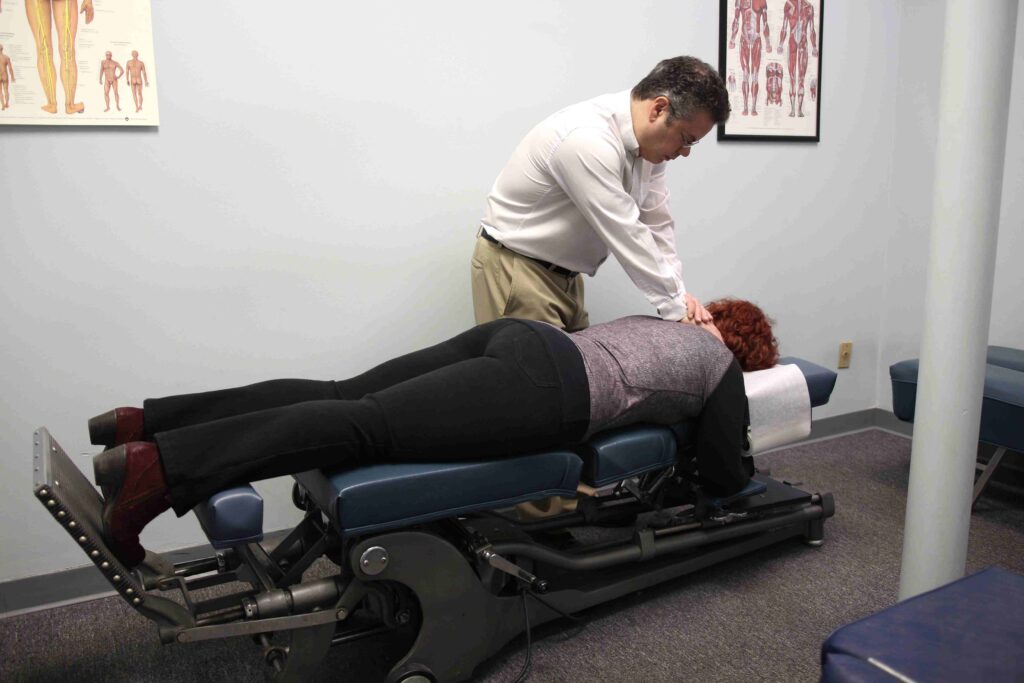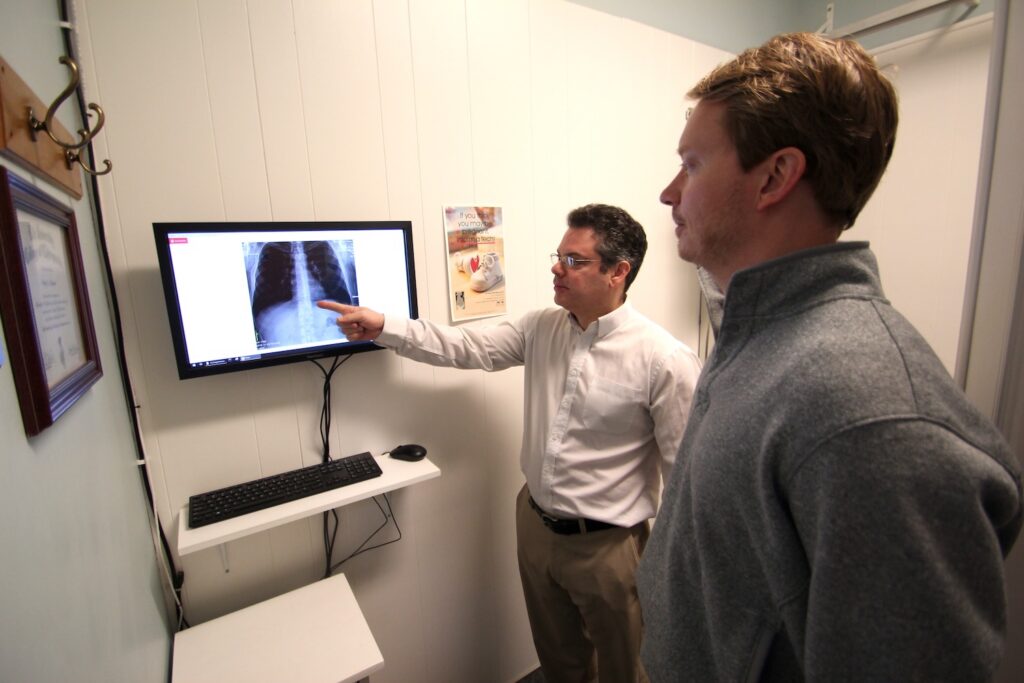

As a local chiropractor, I often see patients who are recovering from sports injuries and may not be familiar with the benefits of chiropractic care. One of the most important aspects of your healing process is how adjustments can significantly aid your recovery. These adjustments help promote better alignment and mobility, which in turn can alleviate pain and accelerate your healing.
But there’s so much more to it than just easing discomfort. By incorporating specific chiropractic strategies into your recovery plan, you can not only enhance your overall performance but also take proactive steps to prevent future injuries.
Are you curious about how to effectively implement these adjustments into your routine? Let’s take a closer look at five key strategies that can truly make a difference in your recovery journey.
Modify Your Training Regimen
As a local chiropractor, I want to emphasize the importance of modifying your training regimen while recovering from a sports injury. It’s crucial to take steps that won’t only prevent further damage but also promote healing effectively.
Begin by assessing your current activity levels and pinpointing any movements that worsen your injury. Instead of engaging in high-impact exercises, I recommend opting for low-impact alternatives. For instance, cycling or swimming can be excellent substitutes for running, as they allow you to maintain your fitness without putting undue stress on the injured area.
Strength training is also essential, but it should target muscle groups that are unaffected by your injury. Utilizing resistance bands or bodyweight exercises can be beneficial, as they help prevent overexertion.
Additionally, incorporating flexibility and mobility work, such as gentle stretching or yoga, can enhance circulation and support your recovery journey.
Always listen to your body—if you experience pain during any activity, it’s crucial to stop immediately. Keep track of your progress and be willing to adjust your regimen as you heal.
Implement Rest and Recovery Strategies
As your local chiropractor, I want to share some important insights on how to effectively implement rest and recovery strategies into your routine.
First and foremost, never underestimate the power of sleep. It’s crucial for muscle repair and overall recovery. Aim for 7-9 hours of quality sleep each night to support your healing process.
Incorporating regular rest days into your training schedule is also vital. These breaks allow your body to recuperate from the demands of exercise. Pay attention to your body’s signals; if you’re feeling fatigued or sore, it may be wise to take a step back or modify your activity level.
To alleviate muscle tension and enhance flexibility, consider incorporating techniques such as stretching, foam rolling, or gentle yoga into your routine. These practices can significantly benefit your body, especially when you’re recovering from strain.
Additionally, engaging in low-impact activities, like swimming or cycling, can help you maintain your fitness levels without putting undue stress on any injured areas.
Hydration is another key factor in your recovery. Make sure to drink plenty of water to support your body’s healing processes.
Lastly, I recommend keeping a journal to monitor your progress. This will allow you to track improvements and adjust your recovery strategies as needed.
Enhance Your Nutrition
As a local chiropractor, I want to emphasize the crucial role nutrition plays in your recovery process. By improving your diet, you can significantly support your body’s natural healing abilities.
It’s important to focus on a balanced diet that’s rich in whole foods—think fresh fruits, colorful vegetables, lean proteins, and healthy fats. These nutrients are essential as they provide the building blocks your body needs to repair tissues and minimize inflammation.
Incorporating protein sources such as chicken, fish, beans, and nuts is vital for rebuilding muscle after an injury. Omega-3 fatty acids, which you can find in fish and flaxseeds, are particularly beneficial for reducing inflammation in the body.
And let’s not overlook hydration; staying well-hydrated is key to efficient nutrient transport and recovery.
I also encourage you to add antioxidant-rich foods, like berries and leafy greens, to your meals. These foods help combat oxidative stress, which can hinder your healing. Additionally, if you’re concerned about any nutritional gaps in your diet, a multivitamin can be a helpful supplement.
By making these dietary adjustments, you’ll be creating an optimal environment for healing. Together with chiropractic care, which focuses on improving your body’s alignment and function, these steps can help you recover more effectively and return to your sport stronger than ever.
Your journey to wellness is a holistic one, and nutrition is a vital part of that equation.
Focus on Mental Resilience
As a local Chiropractor, I want to emphasize that while physical recovery is vital, the role of mental resilience in your healing journey is equally important. Your mindset can significantly impact how swiftly and effectively you recover from an injury. Embracing a positive outlook can keep you motivated, even when you encounter challenges along the way.
Rather than viewing these challenges as obstacles, think of them as opportunities for personal growth. It’s crucial to set realistic goals that maintain your engagement in the recovery process. Celebrate those small victories; they can greatly enhance your confidence and reinforce the progress you’re making.
Additionally, visualization techniques can be incredibly beneficial. Picture yourself performing at your best, as this can create a strong mental connection with your body and enhance your physical recovery. Surrounding yourself with supportive friends and family can also make a significant difference. Their encouragement can help you navigate the tough moments.
Seek Professional Guidance
Unlocking Your Healing Potential with Chiropractic Care
If you’re navigating the recovery process from a sports injury, partnering with a chiropractor can significantly enhance your healing journey. As experts in musculoskeletal health, chiropractors possess the skills to develop a customized recovery plan tailored specifically to your needs, ensuring that you regain strength and mobility safely and effectively.
Here are some key advantages of integrating chiropractic care into your recovery:
- Tailored Treatment Plans: A chiropractor will carefully evaluate your unique injury and create a personalized plan that aligns with your individual circumstances, promoting efficient and effective recovery.
- Injury Prevention: We provide education on proper body mechanics and techniques to help you avoid re-injury, enabling you to return to your sport not only stronger but also more resilient.
- Motivation and Support: Working with a chiropractor means you’ll have a dedicated partner in your recovery journey. Their encouragement and expertise can help you stay focused and committed to achieving your recovery goals.
Don’t overlook the incredible benefits of chiropractic care. By choosing to work with a chiropractor, you’re making a valuable investment in your healing process and setting yourself on the right path for a successful return to the activities you love.
Conclusion
As a local chiropractor, I want to share how incorporating adjustments into your recovery routine can significantly enhance your healing process. By modifying your training regimen, prioritizing rest, improving your nutrition, fostering mental resilience, and seeking professional guidance, you can greatly improve your chances of a successful recovery. It’s important to remember that every athlete’s journey is unique, so it’s essential to listen to your body and tailor these strategies to meet your individual needs. With commitment and the right support, you can bounce back stronger and more resilient than ever, ready to take on your next challenge. Chiropractic care plays a vital role in this process, as it helps to align the body, reduce pain, and improve overall function, allowing you to heal naturally and effectively.