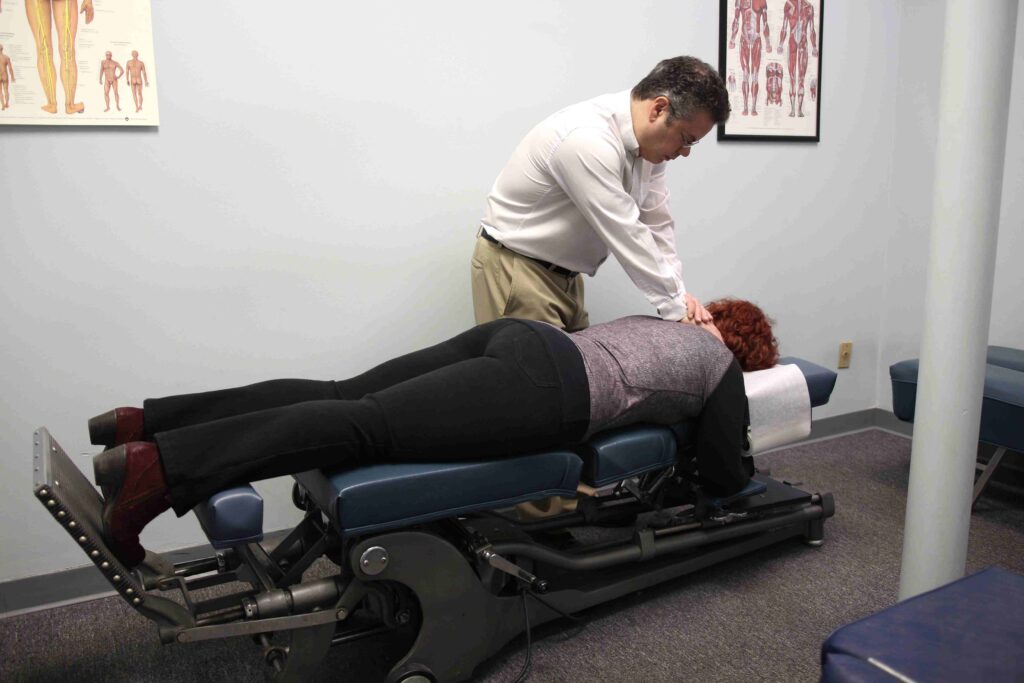

If you’ve been dealing with neck pain, you’re certainly not alone. Many individuals experience discomfort due to factors like poor posture, stress, or repetitive strain. As a chiropractor, I want to emphasize that chiropractic care is one of the most effective ways to achieve natural relief and overall wellness.
Incorporating chiropractic adjustments into your routine can help realign your spine, reducing tension and enhancing your body’s natural healing abilities. Alongside regular chiropractic visits, there are simple home hacks that can complement your treatment and provide additional relief.
Start by making small adjustments to your daily habits. For instance, pay attention to your posture while sitting or working. Ensure your workstation is ergonomically designed—keep your computer screen at eye level and sit with your back straight. This simple change can significantly reduce neck strain.
Additionally, gentle stretches can help alleviate tension. Try simple neck rolls, where you slowly rotate your head from side to side, or gently tilt your ear toward your shoulder to stretch the muscles. These exercises can be easily incorporated into your daily routine and help maintain flexibility.
Don’t forget about the importance of relaxation techniques. Stress can contribute to neck pain, so finding ways to unwind, such as practicing deep breathing or meditation, can be beneficial.
If you’re looking for a holistic approach to neck pain, consider scheduling a chiropractic appointment. Together, we can create a personalized care plan tailored to your needs, ensuring you achieve optimal health and wellness. Remember, taking proactive steps at home, combined with chiropractic care, is your best path to a pain-free life.
Key Takeaways
Wave Goodbye to Pain: Home Hacks for Your Aching Neck
As a local chiropractor, I want to share some valuable tips to help you find relief from neck pain naturally. By making simple changes to your daily routine and prioritizing chiropractic care, you can achieve optimal health and wellness.
- Posture Matters: Start by aligning your head with your spine. Good posture is essential in preventing strain on your neck muscles. When sitting or standing, try to keep your shoulders back and your head held high to support your neck.
- Gentle Neck Stretches: Incorporate gentle neck stretches into your daily routine. Simple movements like head tilts and rotations can enhance flexibility and relieve tension. These stretches can be a great complement to chiropractic adjustments, helping to maintain a healthy neck.
- Heat and Cold Therapy: Use heat packs to relax tight muscles in your neck and cold packs to reduce inflammation. This combination can provide effective pain relief and enhance your recovery. Remember, chiropractic care can further support your healing process.
- Ergonomic Workspace: Optimize your workspace with ergonomic furniture to encourage proper posture. A well-designed chair and desk setup can minimize neck discomfort and support your overall spinal health. If you’re unsure about your setup, a chiropractor can provide personalized advice.
- Stay Hydrated and Manage Stress: Drinking plenty of water and practicing relaxation techniques can significantly impact your neck health. Stress can contribute to tension in your neck, so techniques like deep breathing or meditation can be beneficial. Regular chiropractic visits can also help manage stress and improve your overall well-being.
By incorporating these tips and seeking chiropractic care, you can effectively address neck pain and embrace a healthier lifestyle. Remember, your spine is the foundation of your health, and caring for it should be a priority!
Understanding Neck Pain: Common Causes and Symptoms
Neck pain can be a frustrating experience that many people face. You might feel stiffness, discomfort, or sharp pain that can radiate to your shoulders or head. Common causes of neck pain often stem from daily habits, such as poor posture when hunched over your phone or computer for long hours.
Additionally, muscle strain from sleeping in an awkward position or overexertion during physical activities can lead to soreness. Stress plays a significant role too, as it can cause you to unintentionally tense your neck muscles.
Symptoms can vary widely, but you may notice a limited range of motion, headaches, or even tingling sensations in your arms. It’s crucial to identify the root cause of your neck pain, as this will guide you toward effective relief. By paying attention to your daily habits and lifestyle factors, you may uncover contributing elements to your discomfort.
Chiropractic care is a natural and holistic approach to alleviating neck pain. A chiropractor can help realign your spine, improve your posture, and relieve tension in your neck muscles. Regular adjustments not only help reduce pain but also promote overall wellness by enhancing your body’s natural healing capabilities.
Here are some general tips to help manage neck pain and improve your well-being:
- Maintain Good Posture: Be mindful of your posture throughout the day. Try to keep your shoulders back and your head aligned with your spine, especially when using electronic devices.
- Take Breaks: If you work at a desk, take regular breaks to stretch and move around. This helps reduce muscle strain and tension.
- Sleep Right: Choose a supportive pillow that keeps your neck aligned while you sleep. Avoid sleeping on your stomach, as this can strain your neck.
- Stay Hydrated: Drinking plenty of water supports overall health and can help maintain the elasticity of your spinal discs.
- Manage Stress: Engaging in relaxation techniques such as deep breathing, yoga, or meditation can help reduce stress and tension in your neck muscles.
By understanding the common causes and symptoms of neck pain, along with incorporating these tips into your daily routine, you’ll be better equipped to alleviate discomfort.
Quick Stretches to Relieve Tension
When you start to feel tension building up in your neck, quick stretches can offer immediate relief and enhance your mobility. As a chiropractor, I always encourage my patients to incorporate these simple stretches into their daily routine to promote natural healing and overall wellness.
First, find a comfortable position either sitting or standing. Begin by gently tilting your head to one side, bringing your ear toward your shoulder. Hold this position for 15 seconds, then switch sides. This gentle stretch helps to alleviate tightness and improve flexibility in the neck muscles.
Next, perform a gentle head rotation. Look to your left and hold for 15 seconds, then look to your right. This simple movement aids in loosening tight muscles and improving your range of motion.
For another effective stretch, clasp your hands behind your head and gently pull down. You should feel a nice stretch along the back of your neck. Stay in this position for 15 seconds to further relieve tension.
Finally, don’t forget about your shoulders! Do some shoulder rolls by lifting your shoulders up to your ears, then rolling them back and down. Repeat this motion five times. This exercise helps to release built-up tension in both the neck and shoulder areas.
Incorporating these quick stretches into your daily routine can greatly reduce neck tension, enhance flexibility, and help you feel more relaxed.
Remember, regular chiropractic care can also play a crucial role in maintaining a healthy spine and preventing tension from accumulating in the first place.
DIY Remedies: Natural Solutions for Neck Discomfort
If you’re seeking natural ways to alleviate neck discomfort, chiropractic care is your best ally. While essential oils like lavender or peppermint can provide temporary relief, addressing the root cause of your pain is crucial for long-term wellness.
Chiropractic adjustments can help realign the spine, improve mobility, and reduce tension in your neck.
In addition to regular chiropractic visits, incorporating gentle stretching exercises into your routine can enhance flexibility and further relieve discomfort. Simple neck stretches, such as tilting your head side to side or gently rolling your shoulders, can increase blood flow and ease tightness.
Remember, maintaining good posture throughout your day is essential. Whether you’re sitting at a desk or using your phone, being mindful of your alignment can prevent strain on your neck.
Essential Oils for Relief
As a local chiropractor, I want to share how you can naturally ease neck discomfort with the help of essential oils. While chiropractic care is the best option for achieving optimal health and pain relief, incorporating these natural remedies can complement your wellness journey.
Essential oils possess soothing properties that can help alleviate tension and promote relaxation. Here are some essential oils you might consider:
- Lavender: This oil is well-known for its calming effects. It can help reduce stress and promote relaxation, which is essential for maintaining a healthy spine.
- Peppermint: With its cooling sensation, peppermint oil can help alleviate pain and improve circulation, making it a great addition to your self-care routine.
- Eucalyptus: This oil acts as an anti-inflammatory agent, helping to ease muscle tension and support overall wellness.
- Frankincense: Known for its pain-relieving properties, frankincense can promote a sense of well-being and comfort.
- Chamomile: With its anti-inflammatory benefits, chamomile can soothe discomfort and enhance restful sleep, which is crucial for healing.
To use these essential oils, simply mix a few drops with a carrier oil, such as coconut or olive oil, and gently massage the mixture into your neck. This can provide immediate relief and support your chiropractic care.
In addition to using essential oils, here are some general tips for maintaining a healthy neck and spine:
- Stay Hydrated: Drinking plenty of water can help keep your muscles and joints hydrated, reducing the risk of discomfort.
- Maintain Good Posture: Be mindful of your posture when sitting or standing. Ensure your workstation is ergonomically friendly to support your spine.
- Regular Stretching: Incorporate stretching exercises into your daily routine to improve flexibility and reduce tension in your neck and shoulders.
- Chiropractic Adjustments: Regular visits to your chiropractor can help keep your spine aligned and alleviate pain.
Stretching Exercises for Comfort
A few simple stretching exercises can significantly enhance your neck comfort and help alleviate any discomfort you may be experiencing. As a chiropractor, I often encourage my patients to incorporate these movements into their daily routines to promote natural healing and optimal spinal health.
Begin by gently tilting your head to one side, holding that position for 15-30 seconds. This stretch helps to release tension in the neck muscles. Afterward, switch sides and repeat.
Next, try slowly rotating your head in a circular motion—aim for five rotations in each direction. This movement helps maintain flexibility and encourages proper alignment in the cervical spine.
Another effective exercise is the chin tuck. Start by pulling your chin toward your chest, holding for a few seconds before releasing. This exercise is particularly beneficial for improving posture and reducing strain on the neck.
To further support your neck health, interlace your fingers behind your head and gently push your head back into your hands while keeping your neck straight. This stretch not only helps to strengthen the neck muscles but also promotes proper alignment.
Always remember to breathe deeply and relax during these stretches. Incorporating these exercises into your daily routine can help alleviate tension and keep your neck feeling comfortable throughout the day.
In addition to these exercises, regular chiropractic adjustments can greatly enhance your overall well-being by ensuring that your spine is properly aligned. Chiropractic care not only addresses pain relief but also supports your body’s natural ability to heal and function at its best.
Ergonomic Adjustments for Your Workspace
If you find yourself spending long hours at your desk, optimizing your workspace for comfort is crucial for maintaining your spinal health. Simple adjustments, such as modifying your desk height and monitor position, can significantly reduce neck strain and contribute to your overall well-being. These ergonomic improvements not only enhance your comfort but also support your spine, helping to prevent discomfort and pain.
Start by ensuring your chair supports your lower back, promoting a healthy posture. Your feet should be flat on the floor, and your knees should be at a right angle. When it comes to your monitor, it should be at eye level to minimize neck strain—this helps keep your spine in a neutral position.
Remember, maintaining proper alignment while working is key to avoiding unnecessary stress on your body. Incorporating regular breaks to stretch and move around is also vital. Simple neck and shoulder stretches can relieve tension and improve circulation.
As a chiropractor, I encourage you to listen to your body; if you feel discomfort, it might be a sign to reassess your workspace or seek chiropractic care for personalized guidance.
By making these adjustments and prioritizing your spinal health, you’ll not only feel better but also enhance your productivity. Chiropractic care can play a significant role in helping you achieve optimal health by addressing any underlying issues and supporting your body’s natural healing processes.
Embrace these changes for a healthier, more comfortable work experience!
Desk Height Optimization
Optimizing your desk height is crucial for maintaining a comfortable, pain-free workspace, particularly if you spend long hours at your computer. An ergonomically positioned desk can significantly reduce strain on your neck and shoulders, promoting better spinal health.
Here are some straightforward tips to help you find that perfect desk height, which can enhance your overall wellness:
- Elbow Position: Ensure your elbows are at a 90-degree angle while typing. This alignment helps maintain proper posture and avoids unnecessary tension in your neck and upper back.
- Foot Placement: Keep your feet flat on the floor or on a footrest. This helps improve circulation and reduces pressure on your lower back, which is essential for spinal health.
- Knee Height: Your knees should be slightly lower than your hips. This position can help maintain the natural curve of your spine, reducing the risk of discomfort.
- Wrist Alignment: Make sure your wrists are straight and not resting on the desk while typing. Proper wrist positioning minimizes strain and can prevent conditions like carpal tunnel syndrome, which can lead to further complications.
- Chair Adjustment: Before adjusting your desk, make sure your chair is set to the right height. A well-adjusted chair will support your spine and allow you to maintain a healthy posture.
By following these simple guidelines, you can create a workspace that not only enhances your comfort but also supports your overall health.
Remember, chiropractic care is a fantastic resource for addressing any discomfort you might experience at your workstation. Regular visits can help ensure your spine is aligned, allowing you to maintain a pain-free and productive work life.
Embracing these ergonomic practices alongside chiropractic care can lead to a healthier, more vibrant you!
Monitor Positioning Tips
Proper monitor positioning is crucial for maintaining spinal health and reducing neck strain, especially during long hours of work. By ensuring your monitor is at eye level, you can prevent unnecessary tilting of your head, which can lead to discomfort and pain over time. Aim for a distance of about an arm’s length between your eyes and the screen to promote a healthy posture.
Here’s a quick reference table to help you adjust your workspace for optimal spinal alignment:
| Adjustment | Recommendation |
|---|---|
| Monitor Height | At eye level or slightly below to keep your spine aligned |
| Monitor Distance | 20-30 inches away to reduce strain on your neck and eyes |
| Screen Angle | Tilted slightly back (10-20 degrees) to encourage a neutral spine position |
Incorporating these adjustments into your workspace can help alleviate discomfort and support your overall health. Remember, regular chiropractic care can further enhance your well-being by addressing any underlying spinal issues. Prioritizing your posture and making simple changes to your workspace can lead to better health and comfort in your daily life.
The Benefits of Heat and Cold Therapy
Dealing with an aching neck can be quite frustrating, but there are effective ways to find relief, and one of the best approaches is through heat and cold therapy. Both methods have unique benefits that can help ease your discomfort naturally, without the need for medications or surgeries.
Heat therapy can:
- Increase blood flow to the affected area, promoting healing and recovery.
- Relax tight muscles, which can reduce stiffness and tension.
- Provide gentle warmth that alleviates chronic pain, making daily activities more manageable.
- Improve flexibility, helping you move more freely and comfortably.
- Offer a soothing effect that calms stress, contributing to overall wellness.
Cold therapy offers:
- Reduces inflammation and swelling, which can help with acute injuries.
- Numbs sharp pain, giving you immediate relief when you need it most.
- Slows nerve activity, which can ease muscle spasms and discomfort.
- Protects tissue from damage after injuries, supporting your body’s natural healing process.
- Aids in recovery post-exercise, helping you bounce back faster and keep active.
Incorporating heat and cold therapy into your routine can be a fantastic way to support your body’s healing.
Remember, chiropractic care plays a vital role in maintaining spinal health and overall wellness. Regular adjustments can help prevent discomfort and keep your body functioning optimally.
Here are a few tips to consider when using heat and cold therapy:
- For heat therapy, try using a heating pad or warm towel for 15-20 minutes. Make sure it’s warm, not hot, to avoid burns.
- For cold therapy, ice packs wrapped in a cloth can be applied for short intervals (15-20 minutes) to reduce swelling.
- Always listen to your body; if something doesn’t feel right, consult with your chiropractor.
- Consider integrating stretches and gentle movements into your routine to enhance the benefits of these therapies.
When to Seek Professional Help
Using heat and cold therapy can significantly help manage neck pain, but there are times when self-care alone isn’t enough. If your pain lingers for more than a week, it’s wise to consult a chiropractor who specializes in spinal health. A chiropractor can offer you a personalized treatment plan that focuses on natural healing methods to alleviate your discomfort.
Additionally, if you start to feel numbness, tingling, or weakness in your arms or hands, it’s crucial to seek help from a chiropractic professional. These symptoms can indicate that there’s something more going on that needs attention. Moreover, if your neck pain stems from an injury or is accompanied by a fever, headache, or swelling, reaching out to a chiropractor can provide you with the support you need.
Here’s a straightforward guide to help you determine when it’s time to seek professional chiropractic care:
| Symptoms | Action Required |
|---|---|
| Pain lasting more than a week | Schedule a visit with a chiropractor |
| Numbness or tingling | Seek immediate chiropractic care |
| Injury or additional concerning symptoms | Consult a chiropractor for evaluation |
Taking these steps can lead to better management of your neck pain. Chiropractic care focuses on treating the root cause of your discomfort, promoting overall wellness, and restoring your body’s natural balance. Remember, don’t ignore the warning signs—your health and well-being are worth it!
Conclusion
Wave Goodbye to Pain: Home Hacks for Your Aching Neck
As a local chiropractor, I’m here to share some effective home hacks that can help you wave goodbye to neck pain and embrace a more comfortable life. First and foremost, maintaining good posture is crucial. Be mindful of how you sit, stand, and sleep; proper alignment can significantly reduce strain on your neck.
Incorporating quick stretches into your daily routine is another great way to relieve tension. Simple movements like neck rotations and shoulder rolls can work wonders. Just a few minutes each day can help keep your muscles relaxed and flexible.
Heat and cold therapy can also provide significant relief. Applying a warm compress can help soothe stiff muscles, while a cold pack can reduce inflammation. Remember to alternate between the two for optimal results.
Don’t forget about hydration! Drinking plenty of water helps keep your muscles and joints lubricated, which is essential for overall wellness. And take time for relaxation techniques, such as deep breathing or gentle yoga, to ease both physical and mental stress.
If you find that your neck pain persists, I encourage you to seek chiropractic care. Chiropractic adjustments are a natural, effective way to address the underlying causes of neck pain and promote healing without the need for medications or surgeries.
Take charge of your neck health today with these tips, and look forward to a pain-free tomorrow!