
In 2025, managing migraines can be significantly improved by embracing a holistic approach that includes chiropractic care. Understanding the intricate nature of migraines is essential, and as a chiropractor, I believe that the foundation of effective pain relief lies in spinal health and overall wellness.
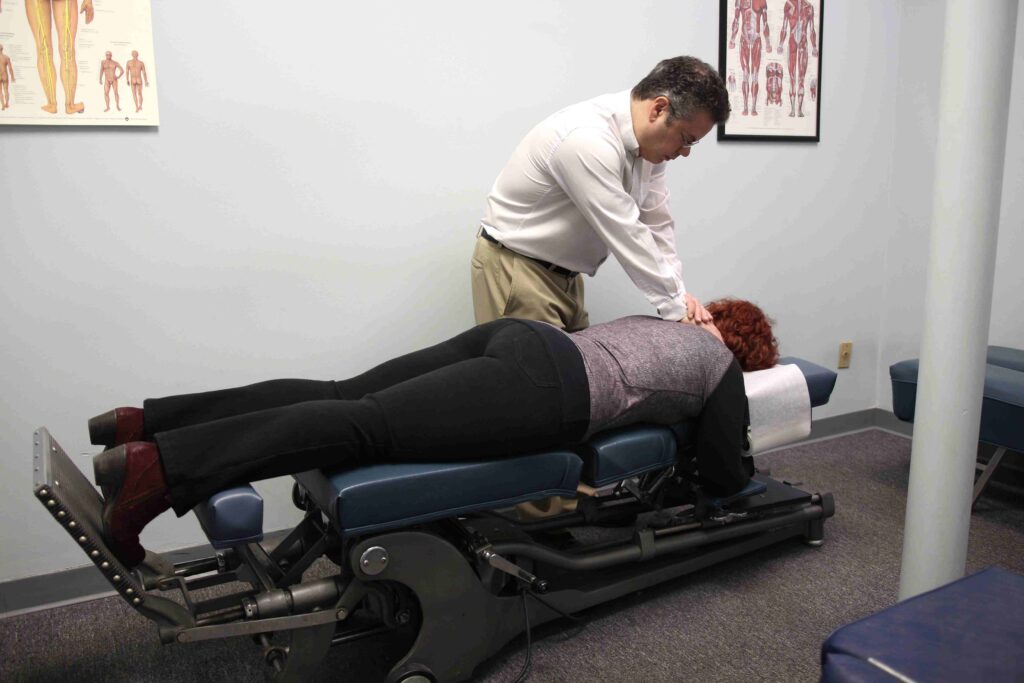
Chiropractic adjustments can help restore proper alignment in the spine, which may alleviate tension and pressure that contribute to migraine pain. By focusing on your spinal health, you can support your body’s natural ability to heal itself, leading to a reduction in the frequency and severity of migraines.
But there’s more to managing migraines than just chiropractic care. Incorporating lifestyle changes can also make a big difference. Here are some simple tips to enhance your migraine management strategy:
- Stay Hydrated: Dehydration can be a significant trigger for migraines. Make sure to drink plenty of water throughout the day.
- Regular Exercise: Engaging in regular physical activity can help reduce stress and tension, which are common migraine triggers. Aim for activities that you enjoy, whether it’s walking, yoga, or swimming.
- Maintain a Balanced Diet: Certain foods can trigger migraines, so it’s essential to pay attention to what you eat. Keeping a food diary may help you identify any patterns related to your migraine episodes.
- Practice Stress Management: Techniques such as mindfulness, meditation, or deep-breathing exercises can be beneficial in managing stress, which is often linked to migraines.
- Sleep Hygiene: Establishing a consistent sleep routine can improve the quality of your rest, reducing the likelihood of migraines. Aim for 7-9 hours of sleep each night.
- Identify Your Triggers: While chiropractic care addresses the physical aspects of migraines, identifying and avoiding personal triggers can further enhance relief. This may involve keeping a migraine diary to track patterns in your pain.
By integrating chiropractic care with these lifestyle adjustments, you can take a proactive approach to your migraine wellness. Emphasizing natural healing through spinal care and healthy living not only addresses the symptoms but also promotes your overall well-being. Let’s work together to unlock the secrets to managing migraines effectively in 2025!
Key Takeaways
- Personalized care, including an understanding of your unique spinal health, will be essential in tailoring migraine management strategies by 2025. Chiropractic adjustments can help align the spine and reduce tension, which may lead to fewer migraine occurrences.
- Innovations in neuromodulation techniques, such as gentle chiropractic methods, offer non-invasive approaches for effective migraine relief by addressing underlying musculoskeletal issues that may contribute to pain.
- Utilizing wearable technology can aid in tracking your posture and spinal health, helping you identify triggers related to physical strain or misalignment, allowing for a more proactive approach in managing migraines through chiropractic care.
- Incorporating mindfulness practices and stress reduction techniques, alongside chiropractic care, can enhance overall well-being. Techniques such as deep breathing and stretching can improve mental health and potentially reduce the frequency of migraines.
- Building support systems and participating in community wellness programs that emphasize spinal health can provide valuable resources. Sharing experiences and coping strategies with others who prioritize natural healing can be incredibly beneficial for migraine sufferers.
By focusing on your spinal health and embracing chiropractic care, you can take proactive steps toward a healthier, pain-free life.
Understanding the Neurology of Migraines
Understanding the neurology of migraines is key to managing them naturally and effectively, and chiropractic care can play a vital role in this process. Migraines involve complex brain activity, with changes in brain chemistry and nerve signaling leading to that intense pain we all want to avoid. Common triggers include stress, hormonal changes, and certain foods, which can all provoke these neurological responses.
A crucial player in this process is the trigeminal nerve, which sends pain signals that can lead to inflammation and increased sensitivity in surrounding tissues. By understanding how these mechanisms work, you can identify your specific triggers and symptoms more accurately, paving the way for better management.
Chiropractic care can help address these issues by improving spinal alignment and reducing nerve interference, which may alleviate some of the pain associated with migraines. Additionally, understanding the role of neurotransmitters like serotonin can shed light on why migraines often come with symptoms like nausea and light sensitivity.
Here are some general tips to help you manage migraines naturally:
- Stay hydrated: Drink plenty of water throughout the day to help your body function optimally.
- Maintain a balanced diet: Eating regular meals with plenty of fruits, vegetables, and whole grains can keep your blood sugar stable and may reduce the risk of migraine triggers.
- Practice stress management: Incorporate relaxation techniques such as meditation, deep breathing, or yoga into your routine to help mitigate stress-related triggers.
- Consider regular chiropractic adjustments: These can help optimize your spinal health, potentially reducing the frequency and severity of migraines.
By integrating these practices into your lifestyle and collaborating with a chiropractor, you can create a personalized management plan that supports your overall health and well-being.
New Medications on the Horizon
Exciting advancements in the world of migraine relief are worth discussing, especially for those seeking natural approaches to wellness. While new medications are being developed, it’s essential to remember that chiropractic care can be an effective and natural option for managing migraine pain.
Chiropractic adjustments focus on the alignment of the spine and the relationship between the nervous system and overall health. By ensuring your spine is properly aligned, you may reduce tension and stress, which are common triggers for migraines.
Regular chiropractic care can help alleviate pain and improve your body’s ability to heal naturally.
In addition to chiropractic adjustments, consider incorporating some holistic practices into your routine. Techniques such as mindfulness, regular exercise, and proper hydration can play a significant role in managing migraine symptoms.
Maintaining a balanced diet rich in nutrients can also support your overall health and potentially reduce the frequency of migraine attacks.
Don’t forget about the importance of posture! Poor posture can lead to increased tension in the neck and shoulders, contributing to headaches and migraines.
Being mindful of your posture while sitting or working can help minimize these issues.
As you explore ways to manage your migraines, remember that chiropractic care, along with healthy lifestyle choices, can be a powerful combination.
Innovations in Non-Pharmacological Treatments
As you explore effective alternatives for managing migraines, consider the transformative benefits of chiropractic care and other non-pharmacological treatments. Techniques such as spinal adjustments can play a crucial role in alleviating migraine pain by promoting proper alignment and reducing tension in the body.
In addition, practices like biofeedback and cognitive behavioral therapy (CBT) can complement your chiropractic treatment. Biofeedback helps you gain awareness of your body’s physiological functions, enabling you to manage stress and tension that may trigger migraines.
Meanwhile, CBT offers practical strategies for changing negative thought patterns, empowering you to cope more effectively with migraine triggers.
Emerging wearable technology can also support your journey by tracking your migraine patterns. By monitoring your symptoms, you can gain valuable insights into your triggers and make informed lifestyle choices.
Additionally, incorporating mindfulness and meditation into your routine can further enhance your well-being, helping to reduce the frequency and severity of migraines.
By prioritizing chiropractic care along with these holistic approaches, you can take a proactive stance in your health and wellness journey.
The Role of Diet and Nutrition
When managing migraines, what you eat can significantly impact your overall well-being. As a chiropractor, I often emphasize the importance of a holistic approach to health, which includes diet and nutrition. Identifying and avoiding trigger foods is crucial, but it’s just as essential to focus on a nutrient-rich diet and staying well-hydrated. This not only supports your overall health but can also help in managing migraine symptoms.
Incorporating whole foods such as fruits, vegetables, whole grains, and lean proteins into your meals can provide your body with the essential nutrients it needs. Staying hydrated by drinking plenty of water is equally important, as dehydration can trigger headaches.
Additionally, maintaining a healthy spine through regular chiropractic adjustments can enhance your body’s ability to cope with stress and tension, which are common migraine triggers. By prioritizing your spinal health, you can promote better overall wellness and potentially reduce the frequency and intensity of migraine episodes.
Trigger Foods to Avoid
Identifying trigger foods is essential for managing migraines, especially since what we eat can significantly impact our overall health and well-being. Certain foods are known to provoke migraines, and steering clear of them can help reduce your symptoms. Common culprits include aged cheeses, processed meats, and foods containing MSG.
Alcohol, particularly red wine, and caffeine can also trigger attacks for some individuals. Be mindful of chocolate and artificial sweeteners, as they might also lead to discomfort.
One practical tip is to keep a food diary. This can help you track what you eat and identify any patterns related to your migraines. Once you know your triggers, you can make smarter food choices to lower your risk of experiencing a migraine.
While dietary adjustments are important, don’t forget that chiropractic care can play a key role in your overall wellness. Regular chiropractic adjustments can help enhance your body’s function and reduce pain, potentially making you less susceptible to migraines.
Nutrient-Rich Migraine Diet
A nutrient-rich migraine diet can be a powerful ally in managing your symptoms and enhancing your overall health. As a chiropractor, I understand that nutrition plays a significant role in your well-being, just like spinal health does. By prioritizing whole, unprocessed foods, you can reduce inflammation and support your brain’s health, which is crucial for migraine relief.
Start by incorporating a variety of colorful fruits and vegetables into your meals, as they’re packed with vitamins and minerals that your body needs. Lean proteins, such as chicken or beans, and healthy fats from sources like avocados and olive oil can also nourish your body and help maintain energy levels throughout the day.
Foods rich in magnesium, like spinach, almonds, and bananas, have been shown to help ease headaches, so be sure to include these in your diet. Omega-3 fatty acids found in fish, such as salmon, are also beneficial for brain health.
And don’t forget about complex carbohydrates from whole grains, which provide sustained energy and help prevent those pesky energy crashes that can trigger migraines.
As you explore different foods, pay attention to how your body responds. Keeping a food diary can be a helpful tool in identifying what works best for you.
Remember, a balanced diet is just one part of a holistic approach to health. Regular chiropractic care can also play a vital role in achieving your wellness goals by addressing spinal alignment and promoting nervous system function.
By combining a nutrient-rich diet with chiropractic care, you empower yourself on your journey toward better migraine management and overall health.
Take small steps to incorporate these tips into your daily routine, and you’ll be on your way to feeling your best in no time!
Hydration and Headaches
Staying properly hydrated is crucial for overall health and can significantly help in preventing headaches. Even mild dehydration can lead to discomfort, so it’s important to drink enough water throughout the day. Keeping your body hydrated not only promotes physical well-being but also supports your spinal health, which is essential for maintaining a pain-free lifestyle.
Incorporating hydrating foods into your diet is another effective way to ensure you’re getting enough fluids. Foods with high water content, like fruits and vegetables, can boost hydration and provide essential nutrients that support your body and spine.
Here’s a quick look at some excellent hydration sources that can benefit your health:
| Source | Water Content (%) | Benefits |
|---|---|---|
| Cucumber | 95 | Invigorating and low-calorie |
| Watermelon | 92 | Naturally sweet and hydrating |
| Spinach | 91 | Packed with nutrients |
| Strawberries | 91 | Antioxidant-rich |
| Celery | 95 | Crunchy and hydrating |
By staying hydrated, you’re not only helping to prevent headaches but also supporting your body in its natural healing processes. Remember, proper hydration is a simple yet effective way to promote your overall wellness.
If you’re experiencing persistent headaches or discomfort, consider visiting your local chiropractor. Chiropractic care focuses on enhancing your body’s natural ability to heal itself, which can lead to long-term relief and improved spinal health. Prioritizing proper hydration, alongside regular chiropractic adjustments, can set you on the right path to achieving optimal health and wellness.
Harnessing Technology for Better Management
As technology continues to advance, there are innovative tools and applications that can support your migraine management while emphasizing natural wellness and chiropractic care. By integrating these technologies into your daily routine, you can better identify triggers, track symptoms, and discover effective strategies for relief. This proactive approach empowers you to make informed decisions about your health and enhances your overall well-being.
- Migraine Apps: Utilize apps specifically designed to log your headaches. These tools can help you identify patterns and potential triggers, allowing you to adjust your lifestyle and habits accordingly. Keeping a detailed record can be incredibly useful when discussing your symptoms with your chiropractor.
- Wearable Devices: Consider using wearables that monitor your body’s signals. These devices can alert you to changes that may indicate an impending migraine, providing you with the opportunity to address potential issues before they escalate. This awareness is key in managing your health holistically.
- Telemedicine: Take advantage of telemedicine to connect with your chiropractor remotely. This allows you to receive timely advice and adjustments to your wellness plan without the need for in-person visits. Your chiropractor can guide you on natural methods to alleviate pain and promote spinal health.
Remember, maintaining a healthy spine is crucial for overall wellness and can significantly impact your migraine symptoms.
Here are some additional tips for managing migraines naturally:
- Stay Hydrated: Dehydration can trigger headaches, so ensure you’re drinking plenty of water throughout the day.
- Practice Good Posture: Poor posture can lead to tension in your neck and shoulders, which may contribute to headaches. Focus on maintaining alignment, especially if you sit at a desk for long periods.
- Regular Chiropractic Care: Regular visits to your chiropractor can help keep your spine aligned, reduce tension, and improve overall function, all of which can contribute to fewer migraine occurrences.
- Mindfulness and Relaxation Techniques: Incorporate practices such as yoga, meditation, or deep breathing exercises into your routine to help manage stress, a common trigger for migraines.
Mindfulness and Stress Reduction Techniques
Integrating mindfulness and stress reduction techniques into your daily routine can significantly enhance your migraine management, while also promoting overall wellness. As a chiropractor, I believe in the importance of a holistic approach to health, and mindfulness is a powerful tool in this journey.
Practicing mindfulness encourages you to stay present and can help reduce the anxiety and tension that often trigger migraines. One of the simplest ways to start is with breathing exercises. Take a moment to inhale deeply through your nose, allowing your abdomen to expand, and then exhale slowly through your mouth. This practice can help calm both your mind and body, laying the foundation for a more relaxed state.
Incorporating activities like meditation or yoga can also be incredibly beneficial. These practices not only promote relaxation but also contribute to your overall well-being. Dedicating just a few minutes each day to these activities can create a peaceful escape from daily stressors, helping you manage your migraines more effectively.
Another effective technique is guided imagery or progressive muscle relaxation. Visualizing calming landscapes or practicing tensing and relaxing different muscle groups can serve as excellent ways to lower stress levels. By making these techniques a regular part of your life, you can build resilience against migraine triggers and improve your ability to cope with discomfort as it arises.
Remember, chiropractic care is also a vital component of achieving optimal health and managing pain naturally. Regular chiropractic adjustments can help align your spine, relieve tension, and improve your overall function, further supporting your body’s ability to handle stress.
The Importance of Tracking Triggers
Tracking your migraine triggers is a crucial step toward managing your pain and achieving overall wellness. As a chiropractor, I believe that understanding these triggers can’t only help you alleviate migraines but can also lead you to a healthier lifestyle.
By identifying your common triggers—be it certain foods, stress, or environmental factors—and keeping a detailed record of them, you can start to see patterns that may be affecting your health. This knowledge gives you the power to make informed choices that may reduce the frequency of your migraines and improve your quality of life.
For instance, keeping a simple journal where you note down your daily activities, meals, and any stressors can provide valuable insights.
Additionally, incorporating chiropractic care into your wellness routine can significantly benefit your overall health and help manage migraine pain. Chiropractic adjustments can improve spinal alignment, enhance nervous system function, and reduce tension in your body, which may contribute to fewer migraine episodes.
Remember to prioritize self-care practices such as maintaining a consistent sleep schedule, staying hydrated, and engaging in regular physical activity. These lifestyle changes, combined with chiropractic care, can support your journey towards optimal health and pain relief.
Common Migraine Triggers
Identifying common migraine triggers is crucial for effectively managing this challenging condition. By understanding what might cause your migraines, you can take proactive steps to reduce their frequency and intensity. Here are some common triggers you may encounter:
- Stress: Emotional or physical stress can lead to tension headaches and migraines. Incorporating relaxation techniques, like deep breathing or gentle stretches, can help manage stress levels.
- Dietary factors: Certain foods, such as aged cheeses, caffeine, or artificial sweeteners, may provoke attacks. Keeping a food diary can help you identify any dietary triggers, allowing you to make healthier food choices that support your overall wellness.
- Environmental changes: Bright lights, strong odors, or sudden weather changes can trigger your symptoms. Creating a calming environment, including using soft lighting and natural scents, can help reduce these triggers.
Tracking these triggers not only helps you to prevent migraines but also empowers you to make lifestyle adjustments that enhance your overall quality of life. Paying close attention to your body’s signals is key.
Additionally, seeking chiropractic care can play a vital role in managing migraines. Chiropractors focus on spinal health and alignment, which can positively impact your nervous system and overall health. Regular chiropractic adjustments may help reduce the frequency and severity of migraines by promoting better spinal function and relieving tension.
By integrating chiropractic care into your wellness routine and adopting these simple strategies, you can take significant steps toward managing your migraines naturally and achieving optimal health.
Effective Tracking Methods
Understanding your migraine triggers is essential for effective management, which can significantly enhance your overall quality of life. One of the best methods to track these triggers is by keeping a detailed migraine diary. Each time you experience a migraine, write down the date, time, duration, and intensity, as well as any potential triggers such as certain foods, stress levels, or sleep patterns.
In addition to journaling, consider using apps specifically designed for migraine tracking. These tools make it easy to quickly record your symptoms and analyze trends over time. Consistency is key; regular entries will help paint a clearer picture of your migraine patterns.
As a chiropractor, I want to emphasize that understanding your body and its signals is crucial. While tracking your migraines, also pay attention to spinal health, as misalignments in the spine can contribute to tension and headaches. Regular chiropractic adjustments can help ensure your spine is aligned, reducing tension and promoting natural healing.
Don’t hesitate to share your findings with your healthcare provider, including your chiropractor. This collaborative approach can lead to better treatment options tailored to your specific needs.
Analyzing Trigger Patterns
Did you know that analyzing trigger patterns can significantly enhance your approach to managing migraines? As a chiropractor, I believe that understanding your unique triggers is a vital step towards achieving optimal health and wellness. By identifying specific factors that cause your migraines, you can take proactive measures to minimize their impact.
Here’s why tracking your triggers is essential for natural healing:
- Personalized Approach: By recognizing your individual triggers, you can make lifestyle adjustments that align with your body’s needs, leading to a more tailored and effective management plan.
- Preventative Strategies: Identifying patterns allows you to anticipate when a migraine might strike. This foresight enables you to implement natural preventative measures—like stretching, hydration, or relaxation techniques—before the pain begins.
- Improved Communication: Keeping a record of your triggers and symptoms can foster better discussions with your chiropractor. This information can help us develop more effective treatment plans centered around spinal health and overall wellness.
By taking a methodical approach to analyzing your triggers, you can empower yourself to regain control over your migraines and enhance your quality of life naturally.
Start tracking today, and you may discover the relief you’ve been searching for—without the need for medications or surgeries. Remember, chiropractic care is a holistic approach that promotes healing from within, helping you achieve the vibrant health you deserve.
Personalized Treatment Plans: What to Expect
As migraine management advances, many people are discovering the benefits of personalized treatment plans that can be tailored to their unique needs. These plans focus on understanding what triggers your migraines, your health history, and your daily habits. By using a holistic approach, including chiropractic care, you can find effective strategies to manage your migraines naturally.
Here’s a look at what your personalized plan may include:
| Component | Description | Example |
|---|---|---|
| Chiropractic Care | Targeted spinal adjustments | Regular chiropractic sessions |
| Lifestyle Changes | Customized wellness tips | Techniques for stress reduction |
| Trigger Management | Personal tracking methods | Keeping a migraine journal |
| Natural Therapies | Holistic treatment options | Acupuncture or massage therapy |
| Follow-Up Care | Ongoing support and guidance | Regular check-ins with your chiropractor |
With a focus on natural healing and wellness, these personalized plans can help you gain better control over your migraines and enhance your overall quality of life. By prioritizing chiropractic care, you can promote a healthier spine, which is essential for optimal nervous system function and pain relief. Embrace this holistic approach and watch your journey toward relief unfold.
Here are some additional tips to help manage your migraines naturally:
- Stay hydrated and maintain a balanced diet.
- Practice relaxation techniques, such as deep breathing or yoga, to reduce stress.
- Ensure you get enough sleep and establish a consistent sleep routine.
- Incorporate regular physical activity to boost your overall health.
Support Systems and Community Resources
Building on the foundations of personalized treatment plans, having a strong support system can greatly enhance your migraine management journey. Connecting with others who understand your struggles can provide valuable insight, encouragement, and practical advice.
Here are a few resources to consider, especially emphasizing the role of chiropractic care in your overall wellness:
- Support groups: Joining local or online groups can help you share experiences and coping strategies with others facing similar challenges. Many people find that discussing their pain and management techniques can lead to new insights and relief.
- Chiropractic care: Don’t underestimate the power of chiropractic adjustments. Working with a chiropractor can help alleviate tension in your spine and improve overall nervous system function, leading to a reduction in migraine frequency and severity. Regular adjustments can promote better spinal alignment, which is crucial for overall health and can contribute to pain relief.
- Community wellness programs: Look into local wellness programs or workshops that focus on stress management and healthy lifestyle changes. These often include practices like yoga or mindfulness, which can complement chiropractic care and help manage stress, a common migraine trigger.
By integrating these resources into your life, you can create a robust support system that not only aids in migraine management but also promotes a healthier, more balanced lifestyle.
Future Trends in Migraine Research
As a local chiropractor, I’m excited to share insights into the future of migraine research and how it aligns with natural healing approaches, including chiropractic care. With the rapid advancements in technology and neuroscience, we’re on the cusp of groundbreaking developments that can significantly enhance treatment options for migraines.
One of the key trends is the growing emphasis on personalized medicine. This means that future therapies may be tailored specifically to you, based on your individual genetic and biomarker profiles. This personalized approach can lead to more effective treatments that minimize side effects, allowing for a more comfortable recovery process.
Additionally, advancements in neuroimaging and wearable technology are set to revolutionize our understanding of migraine triggers and patterns. By keeping track of your symptoms and identifying potential triggers through simple lifestyle changes, you can empower yourself to manage your migraines more effectively. For example, maintaining a migraine diary to note what you eat, your stress levels, and your sleep patterns can provide valuable insights into your condition.
Chiropractic care is a fantastic option for addressing migraine pain naturally. Through gentle adjustments and spinal manipulation, we can help improve your overall spinal health and reduce tension that may contribute to migraines. Many patients report significant relief and a decrease in the frequency of their migraines with regular chiropractic care.
Moreover, exploring neuromodulation techniques, such as transcranial magnetic stimulation, shows promise in reducing migraine frequency and intensity. While these techniques are still being researched, incorporating mindfulness practices, regular exercise, and proper hydration into your routine can also play a vital role in managing migraines.
As new therapies, including monoclonal antibodies, emerge, it’s encouraging to know that you’ll have multiple avenues to explore for managing your migraines. However, I encourage you to consider the holistic benefits of chiropractic care as a primary approach to achieving optimal health and wellness.
The future of migraine research is indeed bright, and I’m hopeful that these trends will lead to a more natural and effective approach for those struggling with migraines. Remember, taking care of your spine and overall health is a proactive step towards a pain-free life.
If you have any questions or would like to learn more about how chiropractic care can help you, don’t hesitate to reach out!
Conclusion
In 2025, effectively managing migraines is about adopting a holistic approach that prioritizes natural healing and overall wellness. As a chiropractor, I believe that understanding your body’s signals and focusing on spinal health can make a significant difference. By identifying your migraine triggers and making simple lifestyle adjustments, you can achieve better health and well-being.
Chiropractic care is an excellent choice for those suffering from migraines. Through gentle spinal adjustments, we can help improve your nervous system function, which may reduce the frequency and intensity of your migraines. In addition to chiropractic treatments, incorporating mindfulness practices and making dietary changes can further support your journey to wellness.
Tracking your symptoms can also be beneficial. While wearable technology can help, a simple journal where you note down your migraines, potential triggers, and any changes in your routine can provide valuable insights. This information can guide you and your chiropractor in creating a personalized wellness plan that aligns with your needs.
Remember, prioritizing spinal health, practicing stress-relief techniques, and maintaining a balanced diet can all contribute to reducing migraine occurrences. With the right support and natural methods, you can take control of your health and enhance your quality of life without relying on medications or invasive procedures. Embrace the power of chiropractic care, and let’s work together towards a healthier, pain-free future.