
If you're dealing with chronic back pain, exploring non-invasive solutions might be your best bet for relief. Options like physical therapy and chiropractic care can help restore function, while acupuncture and massage therapy work to ease tension. You might also find that mindfulness practices enhance your overall pain management. But what about the latest technological advancements that can assist you in your journey? They're transforming how people approach their pain. Let's take a closer look at these methods and discover which might be right for you.
Physical Therapy Benefits
Engaging in physical therapy can greatly improve your quality of life if you're dealing with chronic back pain. By participating in a tailored program, you'll learn specific exercises designed to strengthen your core and back muscles. This increased strength not only helps alleviate pain but also supports your spine and reduces the risk of future injuries.
You'll work closely with a licensed physical therapist who'll assess your condition, identify the root causes of your pain, and create a customized plan just for you. They'll guide you through movements that enhance flexibility, improve posture, and promote better body mechanics.
As you progress, you'll notice an increase in your range of motion, allowing you to engage in activities you may have previously avoided.
Physical therapy also emphasizes education. You'll gain insight into your body and learn how to manage pain effectively. By understanding your condition, you can make informed decisions about your daily activities and avoid movements that could exacerbate your pain.
Moreover, physical therapy can help reduce reliance on pain medications, which can come with unwanted side effects. Instead of masking the pain, you'll address the underlying issues head-on.
Many people find that through consistent therapy sessions, their overall mood improves as they regain control over their bodies.
Chiropractic Care Techniques
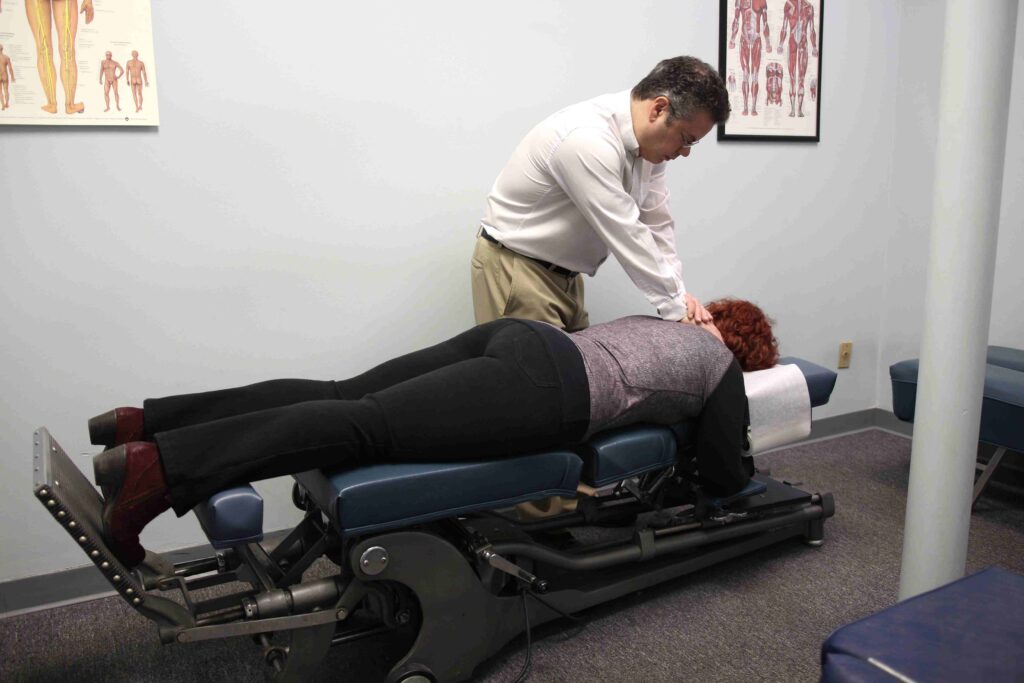
Chiropractic care techniques offer a hands-on approach to managing chronic back pain by focusing on spinal alignment and overall body mechanics. These techniques involve various methods to restore proper function and mobility to your spine and joints, which can ultimately alleviate pain and improve your quality of life.
One common technique is spinal manipulation, where a chiropractor uses controlled force to adjust misaligned vertebrae. This realignment can relieve pressure on nerves, reduce inflammation, and promote better circulation.
You might also encounter mobilization techniques, which involve gentle movements to increase your spine's range of motion.
In addition to adjustments, chiropractors may use soft tissue therapies, such as massage or stretching, to address muscle tension and improve flexibility. These techniques can work wonders for easing tightness in the muscles surrounding your spine, helping to reduce pain and promote healing.
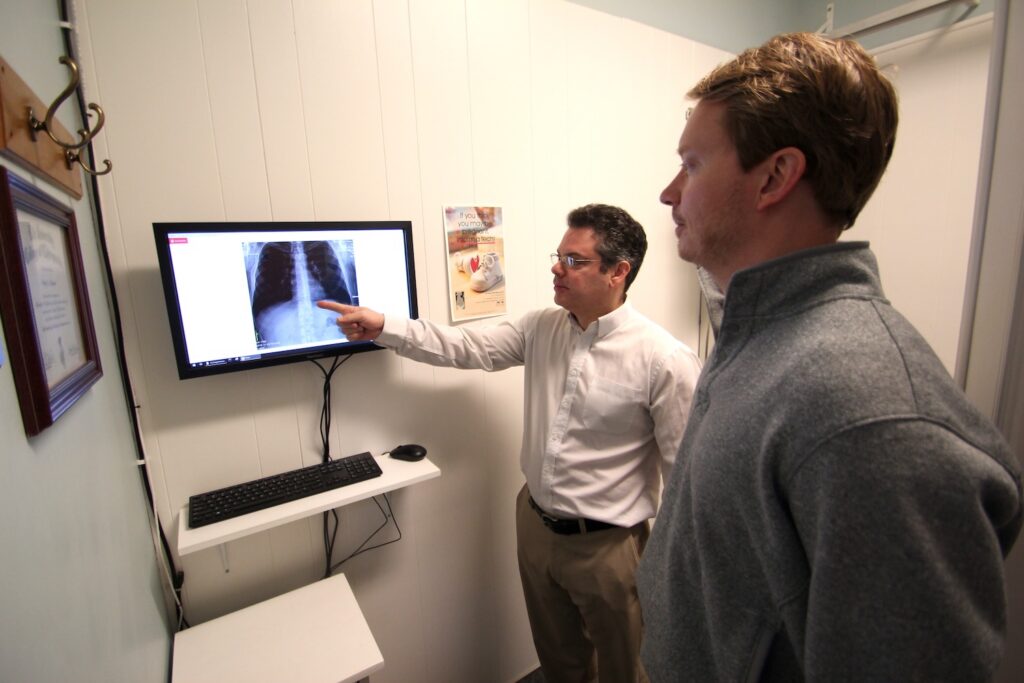
Another valuable aspect of chiropractic care is the emphasis on education. Your chiropractor will likely provide guidance on posture, ergonomics, and exercises tailored to your specific needs. This proactive approach empowers you to take control of your back health and prevent future issues.
Regular chiropractic visits can lead to long-term relief from chronic back pain. By consistently focusing on spinal health and body mechanics, you're investing in a more comfortable, active lifestyle.
Acupuncture for Pain Relief
When it comes to managing chronic back pain, acupuncture offers a unique, non-invasive approach that many find effective. This traditional Chinese therapy involves inserting thin needles into specific points on your body, which can stimulate healing and relieve pain. You might be skeptical, but numerous studies suggest that acupuncture can considerably reduce discomfort and improve mobility for those suffering from chronic back issues.
During your acupuncture session, you'll likely feel minimal discomfort as the practitioner places needles strategically along meridians related to your pain. These needles can help release endorphins, the body's natural painkillers, while promoting circulation and reducing inflammation.
Many patients report feeling relaxed and rejuvenated after their sessions, which can enhance overall well-being.
If you're considering acupuncture, it's crucial to consult with a qualified acupuncturist who understands your specific back pain concerns. They'll customize your treatment plan based on your needs, ensuring you receive the best possible care.
Generally, a series of sessions may be recommended to achieve ideal results, and you might notice improvements within a few weeks.
It's important to remember that while acupuncture can be an effective tool for managing chronic back pain, it's often best used in conjunction with other treatments. By integrating acupuncture into your pain management strategy, you're taking a proactive step toward relief.
Massage Therapy Options
Massage therapy is another effective, non-invasive option for managing chronic back pain. This therapeutic approach involves manipulating the muscles and soft tissues of your body, helping to relieve tension and improve circulation. If you're struggling with persistent back pain, consider incorporating massage into your pain management routine.
There are several types of massage techniques you can explore. Swedish massage is gentle and uses long strokes to promote relaxation, which can help ease muscle tightness. Deep tissue massage, on the other hand, targets deeper layers of muscle and connective tissue, making it particularly beneficial if you have chronic pain or tightness in specific areas.
You might also find trigger point therapy helpful, as it focuses on specific points that can refer pain to other areas of your back.
When choosing a massage therapist, make sure they're certified and experienced in treating chronic back pain. Don't hesitate to communicate your specific pain issues and preferences, as this will help the therapist tailor the session to your needs. You may find that regular sessions lead to lasting relief, reducing the frequency and intensity of your pain episodes.
Additionally, combining massage with other treatments like physical therapy or exercise can enhance its effects. Always consult with your healthcare provider before starting any new treatment, ensuring it complements your overall pain management strategy.
With the right approach, massage therapy can become a valuable tool in your journey toward a pain-free life.
Mindfulness and Meditation
Mindfulness and meditation can greatly reduce your chronic back pain by helping you manage stress and improve your overall well-being.
By practicing mindfulness techniques, you can become more aware of your body and its sensations, which can lead to relief.
Let's explore some effective meditation methods that you can incorporate into your daily routine for lasting benefits.
Benefits of Mindfulness Practice
Although chronic back pain can be overwhelming, incorporating mindfulness practices into your daily routine can greatly alleviate discomfort. By focusing on the present moment, you can reduce stress and tension that often exacerbate your pain.
Mindfulness helps you develop a deeper awareness of your body, allowing you to identify where the pain is coming from and how it affects your daily activities. Practicing mindfulness encourages you to notice your thoughts and feelings without judgment, which can help you respond to pain more effectively.
Instead of reacting with frustration or anxiety, you'll learn to observe your pain and accept it as part of your experience. This shift in perspective can reduce the emotional burden associated with chronic pain.
Additionally, engaging in mindfulness practices, such as deep breathing or gentle stretching, can promote relaxation and improve your overall well-being. You might find that these practices not only ease your back pain but also enhance your mood, focus, and resilience.
Meditation Techniques for Relief
Exploring various meditation techniques can greatly enhance your ability to manage chronic back pain. One effective method is mindfulness meditation, where you focus on your breath and remain present in the moment. This practice helps you tune into your body, allowing you to recognize tension and discomfort without judgment.
Another technique is guided imagery. In this approach, you visualize a peaceful setting, such as a serene beach or a quiet forest. By immersing yourself in this mental escape, you can distract your mind from pain and reduce stress levels.
You might also try body scan meditation, where you mentally check in with each part of your body, acknowledging any pain or discomfort. This technique promotes relaxation and encourages you to release tension.
Lastly, loving-kindness meditation involves sending positive thoughts to yourself and others. This practice fosters compassion and acceptance, which can be particularly helpful when grappling with chronic pain.
Incorporating these meditation techniques into your daily routine can empower you, providing you with tools to cope with pain more effectively and improve your overall well-being.
Innovative Technology Solutions
When it comes to managing chronic back pain, innovative technology solutions are revolutionizing the way you can find relief. From wearable devices to advanced apps, these tools are designed to help you track your symptoms, manage your pain, and improve your overall quality of life.
One of the most exciting developments is the rise of wearable technology. Devices like smart bands and patches can monitor your posture, activity levels, and even muscle tension. By providing real-time feedback, they empower you to make adjustments that may prevent pain flare-ups.
Additionally, some wearables use electrical stimulation to alleviate pain directly at the source, offering you immediate comfort without invasive procedures.
Mobile apps have also transformed pain management. You can find apps that guide you through exercises tailored to your condition, allow you to log your pain levels, and offer personalized recommendations.
These tools help you stay proactive in your treatment journey, making it easier for you to communicate your progress with healthcare professionals.
Virtual reality (VR) is another game-changer. VR therapy can distract you from pain and help you engage in mindfulness practices in an immersive environment.
This innovative approach can reduce anxiety and enhance your coping skills, making it easier for you to handle chronic pain.
As technology continues to advance, you're likely to see even more options tailored to your specific needs. By embracing these innovative solutions, you can take charge of your chronic back pain and explore new paths to relief.
Conclusion
Incorporating these top non-invasive solutions can greatly enhance your journey toward managing chronic back pain. By engaging in physical therapy, chiropractic care, acupuncture, massage therapy, and mindfulness practices, you're not just alleviating discomfort but also improving your overall quality of life. Plus, with innovative technology at your fingertips, you can track your progress and tailor your approach. Embrace these holistic methods to foster long-term relief and well-being, reducing your reliance on medications along the way.