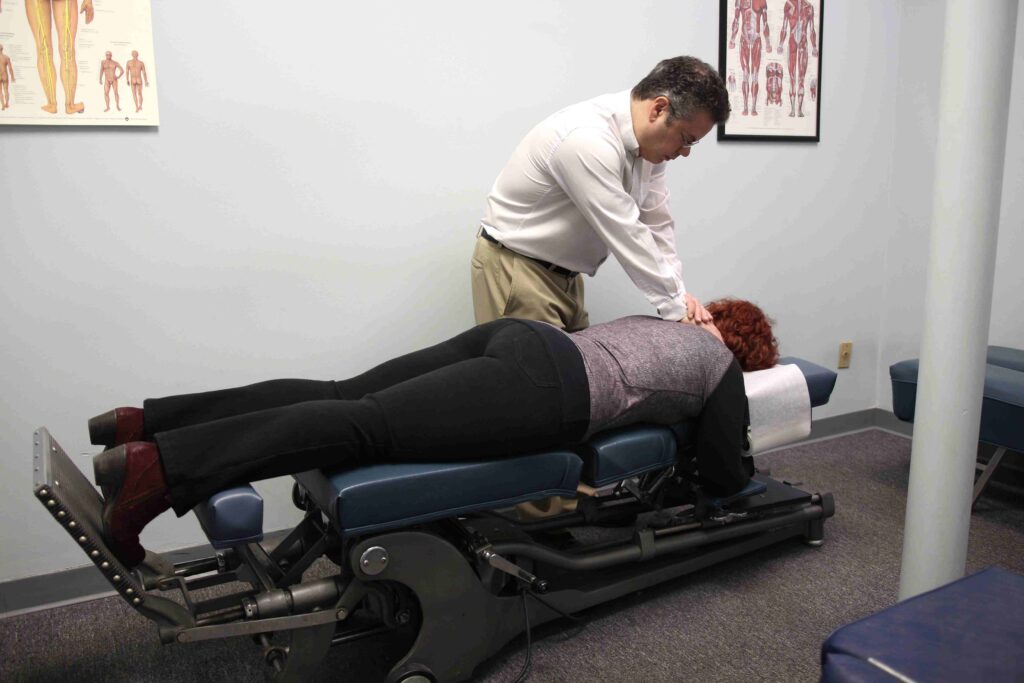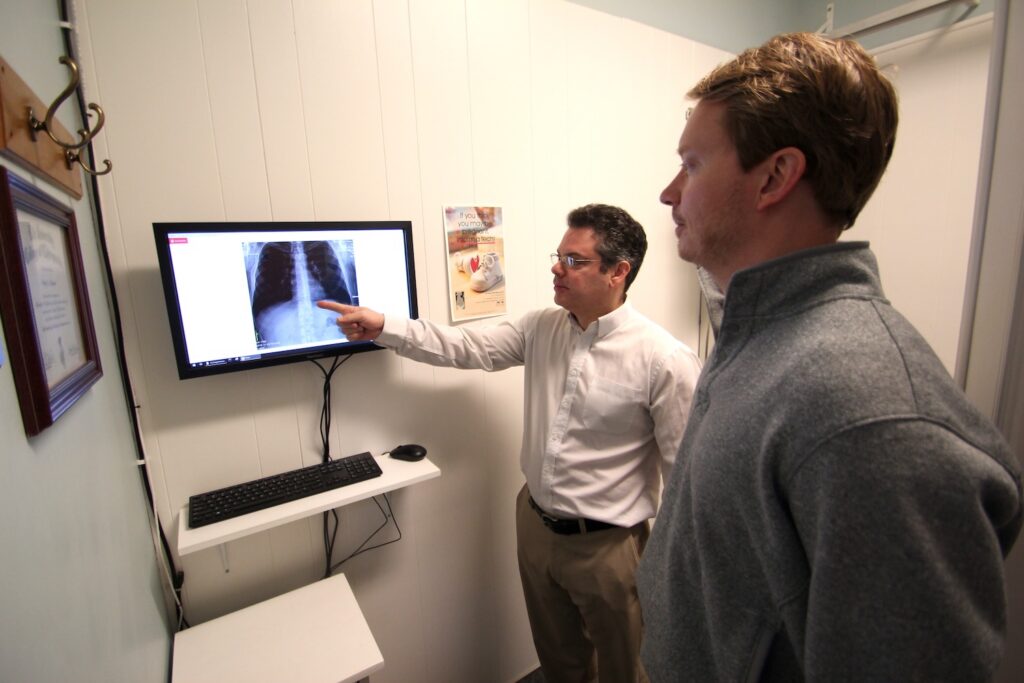

As a local chiropractor, I understand that experiencing muscle strain can be quite daunting. Many of my patients are often unaware that there are simple and natural remedies that can provide significant relief and support your recovery process. For instance, soaking in an Epsom salt bath can work wonders for soothing sore muscles.
Another approach that I frequently recommend is foam rolling, which can help to release tension and improve circulation in the affected areas. Additionally, incorporating turmeric and ginger into your diet can be beneficial due to their anti-inflammatory properties. These natural solutions are often overlooked, yet they can play a crucial role in your healing journey. If you’re curious about how these remedies can aid in your recovery, let’s discuss them further during your next visit!
Epsom Salt Baths: A Soothing Soak for Relief
As a local chiropractor dedicated to helping my patients find natural ways to relieve discomfort, I often recommend considering Epsom salt baths as a simple yet effective method for easing muscle strain.
Epsom salt, which is rich in magnesium sulfate, plays a key role in relaxing your muscles and reducing inflammation. When you immerse yourself in warm water infused with Epsom salt, the magnesium is absorbed through your skin, which promotes relaxation and alleviates tension in sore muscles.
To create your relaxing bath, I suggest adding about two cups of Epsom salt to warm water and stirring until it dissolves completely. Aim to soak for at least 12-15 minutes to fully benefit from its soothing properties.
It’s important to ensure that the water temperature is comfortable for you, as excessively hot water can lead to dehydration.
For an even more calming experience, consider enhancing your bath with essential oils such as lavender. This can help elevate your overall relaxation.
After your soak, many patients report feeling refreshed and experiencing significant relief from muscle strain. Incorporating this simple practice into your self-care routine can complement the benefits of chiropractic care and contribute to your overall well-being.
Foam Rolling: The Power of Self-Massage
As a local chiropractor, I often emphasize the importance of self-care techniques like foam rolling for my patients who may be unfamiliar with chiropractic care and natural healing.
Foam rolling is a powerful self-massage technique that can significantly alleviate muscle strain and tightness, which many of you might experience in your daily lives. When you apply pressure to specific areas of your body with a foam roller, you help release the tension that accumulates in your muscles and fascia.
This practice not only enhances blood flow but also promotes faster recovery and reduces soreness after physical activities. It’s a simple yet effective way to support your body’s natural healing processes.
To incorporate foam rolling into your wellness routine, start by lying on the foam roller and gently rolling over the muscle groups that feel tight or sore. Pay special attention to these areas, spending extra time on them while gradually increasing the pressure.
Remember to breathe deeply; this will aid in further relaxing your muscles and making the experience more beneficial.
Whether you’re an athlete or someone who experiences everyday muscle discomfort, adding foam rolling to your regimen can be transformative. Regularly using a foam roller can improve your flexibility and range of motion, ultimately making daily tasks easier and more comfortable.
Turmeric and Ginger: Natural Anti-Inflammatories for Healing
As a local chiropractor dedicated to helping my patients achieve optimal health, I often emphasize the importance of not just spinal adjustments but also supporting your overall well-being through natural methods.
One effective way to enhance your healing process is by incorporating natural anti-inflammatories into your wellness routine, particularly turmeric and ginger.
Let me explain why these spices can be beneficial for you:
- Curcumin in Turmeric: This active compound is known for its strong anti-inflammatory properties, which can help alleviate pain and support your body’s healing processes.
- Gingerol in Ginger: This compound is particularly effective in reducing muscle pain and soreness that often follows exercise, making it an excellent addition to your post-workout routine.
- Antioxidant Boost: Both turmeric and ginger are rich in antioxidants, which help combat oxidative stress in the body—an important factor in overall health.
- Digestive Aid: Proper digestion is crucial for nutrient absorption, especially when your body is recovering. These spices can help improve your digestive health.
- Versatile Usage: Turmeric and ginger can be easily incorporated into your diet. Whether you enjoy them in smoothies, teas, or as seasoning in your meals, they offer a convenient way to promote healing.
By integrating these natural remedies into your lifestyle, you can complement the benefits of chiropractic care and support your body’s journey towards recovery.
If you have any questions about how to include turmeric and ginger in your diet or how they can fit into your overall wellness plan, please feel free to reach out!
Conclusion
As a local chiropractor, I want to share some surprising solutions that can significantly aid your recovery from muscle strain. First, consider the benefits of Epsom salt baths; they can effectively soothe and relax your muscles, providing much-needed relief. Additionally, foam rolling is an excellent technique that helps release tension and enhances circulation, making it a valuable tool in your recovery process.
I also recommend incorporating natural anti-inflammatory foods like turmeric and ginger into your meals. These spices have fantastic properties that can support healing and reduce inflammation in your body.
By combining these natural remedies with the chiropractic care I provide, you’ll be on your way to feeling better and returning to your activities sooner than you think. I encourage you to give these methods a try and see the difference they can make in your muscle strain recovery!