
If you've been struggling with lower back pain, you're not alone—many people face this challenge. You might find that simple adjustments in your daily routine, from posture to exercise, can make a significant difference. Exploring various therapeutic options, including heat therapy and over-the-counter remedies, can provide immediate relief. However, understanding the root causes and knowing when to seek professional help is essential for long-term comfort. The solutions available might surprise you, and they could change how you manage your pain going forward. So, what steps can you take to start feeling better?
Understanding Lower Back Pain
Lower back pain is often a common issue that many people experience at some point in their lives. You might find yourself dealing with this discomfort due to various reasons, ranging from poor lifting techniques to prolonged sitting. Understanding the underlying causes of your lower back pain is fundamental in addressing it effectively.
Muscle strains are one of the most frequent culprits. If you've lifted something heavy or twisted awkwardly, you might've strained a muscle or ligament. Overuse can lead to inflammation and pain, making even simple movements feel challenging.
Another common cause is a herniated disc, where the cushioning discs between your vertebrae bulge or rupture, pressing on nearby nerves. This can lead to sharp pain or numbness that radiates down your legs.
You should also consider factors like your weight, age, and overall fitness level. Excess weight can put undue stress on your spine, while aging can lead to degenerative changes in your back. If you've been sedentary, your core muscles may weaken, which plays a significant role in supporting your spine.
Stress can contribute to tension in your back, leading to discomfort as well. It's important to identify what triggers your pain. Keeping a journal of your activities and any resulting pain can provide valuable insights.
Importance of Good Posture
Good posture plays an essential role in preventing and alleviating lower back pain. When you maintain proper alignment while sitting, standing, or walking, you distribute your body weight evenly, reducing strain on your spine and supporting muscles. This balance helps prevent unnecessary tension and discomfort, allowing your body to function effectively.
Think about how you sit at your desk or how you carry yourself throughout the day. When you slouch or lean forward, you're putting excessive pressure on your lower back. This can lead to muscle fatigue and pain over time. By being mindful of your posture, you can make simple adjustments that greatly impact your comfort level.
Make sure your feet are flat on the floor when sitting, and keep your knees at a 90-degree angle. When standing, distribute your weight evenly on both feet, aligning your ears, shoulders, and hips in a straight line. Remember to engage your core muscles, as they provide essential support to your lower back.
Additionally, good posture isn't just about sitting or standing; it also plays a role when you're lifting objects. Always bend at your knees and keep your back straight to protect your spine from injury.
Stretching and Strengthening Exercises
To relieve lower back pain, incorporating stretching and strengthening exercises is essential.
You'll improve your flexibility and develop core strength, both of which support your spine and overall posture.
Importance of Flexibility
Flexibility plays an essential role in preventing and alleviating lower back pain, and incorporating stretching and strengthening exercises into your routine can make a significant difference.
When your muscles are flexible, they can better support your spine and reduce tension in your lower back. Regular stretching helps lengthen tight muscles, improving your overall range of motion and posture.
You don't need to become a yoga expert to reap the benefits. Simple stretches, such as hamstring stretches and hip flexor stretches, can greatly reduce discomfort. These exercises target the muscles that often become tight due to prolonged sitting or poor posture, directly impacting your lower back.
In addition to stretching, strengthening exercises are equally important. They help build resilience in your muscles, making them less prone to strain and injury.
Focus on exercises that engage your lumbar region and hips, as these areas are vital for maintaining spinal alignment.
Core Strength Development
Building core strength is essential for supporting your lower back and preventing pain. A strong core stabilizes your spine and improves your posture, reducing the risk of injury.
To effectively develop your core, incorporate these four key exercises into your routine:
- Planks: Hold a plank position for 30 seconds to a minute, engaging your entire core. This exercise strengthens your abdominal muscles and back.
- Bridges: Lie on your back with knees bent. Lift your hips toward the ceiling, squeezing your glutes. This activates your lower back and glutes, enhancing stability.
- Bird-Dogs: Start on all fours. Extend one arm and the opposite leg simultaneously, then switch. This challenges your balance and works your core muscles effectively.
- Russian Twists: Sit with your knees bent and lean back slightly. Rotate your torso side to side while holding a weight. This exercise targets your obliques and improves rotational strength.
Incorporating these exercises into your weekly routine won't only build core strength but also greatly reduce lower back pain.
Remember to maintain proper form to maximize benefits and minimize injury risk.
Heat and Cold Therapy
Heat and cold therapy can be effective tools for managing lower back pain. These methods can provide relief by addressing inflammation, muscle tension, and discomfort. Knowing when to use each therapy can make a significant difference in your recovery process.
When you apply heat, you're promoting blood flow and relaxing tight muscles. You can use a heating pad, hot water bottle, or warm towel. Just make sure it's not too hot to avoid burns. Applying heat for 15 to 20 minutes at a time can help soothe your pain and improve flexibility. If your back pain is due to muscle strain or stiffness, heat is often the best choice.
On the other hand, cold therapy works by numbing the area and reducing inflammation. Ice packs or a bag of frozen peas wrapped in a towel can do the trick. Apply cold therapy for 15 to 20 minutes, especially after any activity that aggravates your back. This can help minimize swelling and dull the sharp sensation of pain.
You might find it beneficial to alternate between heat and cold therapy. For example, start with cold to reduce initial inflammation and follow up with heat to ease muscle tension.
Always listen to your body—if one method seems to worsen your discomfort, stop using it. Experimenting with these therapies can lead you to discover what works best for your lower back pain relief.
Over-the-Counter Pain Relief
If heat and cold therapy aren't enough to alleviate your lower back pain, over-the-counter pain relief options can offer additional support. You have several choices that can help reduce discomfort, allowing you to return to your daily activities with more ease.
Here are some common over-the-counter pain relief options to take into account:
- Nonsteroidal Anti-Inflammatory Drugs (NSAIDs): Medications like ibuprofen and naproxen can help reduce inflammation and relieve pain. They're often effective for acute pain relief but be mindful of potential side effects, especially if you have existing health conditions.
- Acetaminophen: This option can effectively relieve pain without the anti-inflammatory properties of NSAIDs. It's generally easier on the stomach but may not address inflammation as effectively.
- Topical Analgesics: Creams or gels containing menthol or capsaicin can be applied directly to the skin over the painful area. These products can provide localized relief and may be especially useful if you prefer to avoid oral medications.
- Combination Products: Some over-the-counter medications combine different active ingredients. These may offer a broader range of pain relief and inflammation reduction, but it's important to read labels carefully to avoid overlapping ingredients.
Before starting any medication, consult with your healthcare provider to verify it's appropriate for your specific situation.
With the right choice, you can find the relief you need to manage your lower back pain effectively.
Physical Therapy Options
When it comes to managing lower back pain, physical therapy options can be a game-changer. These therapies focus on strengthening your core, improving flexibility, and enhancing overall mobility, which can greatly reduce discomfort. A licensed physical therapist will assess your specific condition and tailor a program that meets your needs.
One common approach is therapeutic exercises. By engaging in targeted movements, you'll strengthen the muscles that support your spine, helping to alleviate pain. Stretching exercises are also essential; they improve flexibility and can prevent future injuries. Your therapist may guide you through various stretches to enhance your range of motion.
Manual therapy is another effective option. This hands-on technique involves the therapist manipulating your spine and surrounding tissues to reduce tension and improve movement. It can provide immediate relief and help you regain function.
Additionally, modalities like heat and ice therapy may be incorporated into your sessions. Heat can relax tight muscles, while ice can reduce inflammation. Your therapist will determine the best approach for your situation.
Don't underestimate the importance of education in physical therapy. Your therapist will teach you proper body mechanics and ergonomics, ensuring you understand how to maintain a healthy posture throughout daily activities.
Alternative Therapies
When you're seeking relief from lower back pain, alternative therapies like acupuncture and chiropractic adjustments can offer effective solutions.
These treatments focus on restoring balance and alignment, often leading to significant improvements in your comfort and mobility.
Let's explore how each of these options might help you find the relief you need.
Acupuncture Benefits
Acupuncture offers a unique approach to relieving lower back pain, and many people find it surprisingly effective. This ancient practice involves inserting thin needles into specific points on your body to stimulate energy flow, or "qi."
Here are some key benefits you might experience:
- Pain Relief: Acupuncture can help reduce pain by triggering the body's natural painkillers, such as endorphins.
- Relaxation: The treatment promotes relaxation, which can alleviate muscle tension and enhance your overall well-being.
- Improved Mobility: Regular sessions may enhance your range of motion, making daily activities easier and less painful.
- Holistic Approach: Acupuncture treats the whole person, considering both physical and emotional factors, which can lead to a more thorough healing experience.
If you're considering acupuncture, it's crucial to consult a qualified practitioner who can tailor the treatment to your specific needs.
Many patients report significant improvements after just a few sessions, making it a viable option for those struggling with lower back pain.
Chiropractic Adjustments
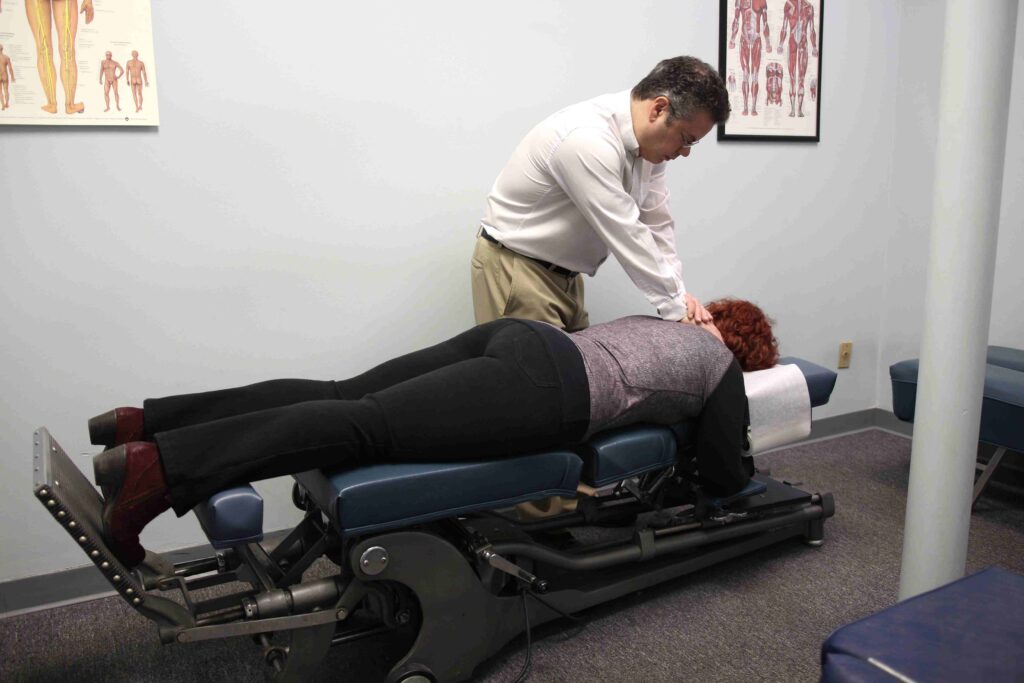
Chiropractic adjustments focus on restoring proper alignment to your spine, which can greatly relieve lower back pain. When your spine is misaligned, it can lead to tension, discomfort, and reduced mobility. A chiropractor uses hands-on techniques to manipulate the spine and surrounding joints, promoting better alignment and function.
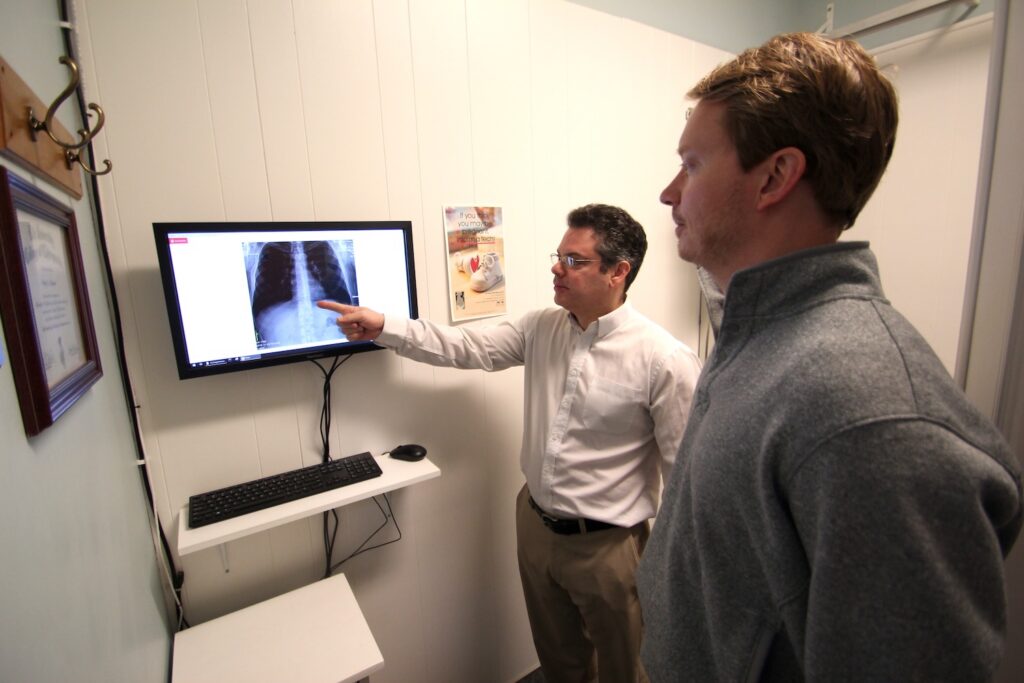
During your visit, the chiropractor will assess your posture, range of motion, and any pain points. They'll then develop a tailored adjustment plan to address your specific issues. Many people find immediate relief after just one session, while others may require multiple visits to achieve lasting results.
Chiropractic care not only alleviates pain but also enhances overall well-being. By improving spinal alignment, you can experience better nerve function, which may lead to improved mobility and reduced muscle tension.
Plus, regular adjustments can help prevent future pain episodes by maintaining proper alignment. Be sure to communicate openly with your chiropractor about your symptoms and any concerns. This collaboration can optimize your treatment and guarantee you get the best possible results.
If you're struggling with lower back pain, consider incorporating chiropractic adjustments into your pain relief strategy.
Lifestyle Modifications
Making simple lifestyle modifications can greatly alleviate lower back pain. You don't have to make drastic changes; small tweaks in your daily routine can have a significant impact. Here are some effective adjustments you can implement:
- Improve Your Posture: Pay attention to how you sit and stand throughout the day. Use ergonomic chairs and maintain a neutral spine position. Your back will thank you!
- Stay Active: Regular physical activity strengthens your core muscles, which support your spine. Aim for at least 30 minutes of moderate exercise most days. Activities like walking, swimming, or yoga can be particularly beneficial.
- Maintain a Healthy Weight: Carrying excess weight puts additional pressure on your lower back. Adopting a balanced diet and regular exercise can help you achieve and maintain a healthy weight, reducing strain on your back.
- Take Breaks: If you're sitting for long periods, take breaks to stretch and move around. This can relieve tension in your back and improve circulation. Set a timer to remind yourself to stand up every hour.
When to See a Doctor
Knowing when to see a doctor for lower back pain is vital for effective treatment. If your pain persists for more than a few weeks or worsens over time, it's time to consult a healthcare professional.
Don't ignore symptoms that interfere with your daily activities or disrupt your sleep. If you experience sharp, shooting pain that radiates down your legs, it could indicate a more serious condition, and seeking medical advice is essential.
Additionally, if you notice weakness, numbness, or tingling in your legs or feet, it's important to see a doctor as soon as possible. These symptoms may signify nerve compression or other underlying issues that require immediate attention.
You should also seek medical help if you have difficulty standing up straight or if your back pain follows a fall or injury.
Other red flags include accompanying symptoms like fever, unexplained weight loss, or bowel or bladder dysfunction. These could indicate serious health concerns that need prompt evaluation.
Finally, if you've tried self-care measures such as rest, ice, or over-the-counter pain relievers without relief, don't hesitate to consult a professional.
Preventive Measures
Preventing lower back pain starts with simple lifestyle changes that you can easily incorporate into your daily routine.
By taking proactive steps, you can considerably reduce your risk of developing back issues.
Here are four effective preventive measures to contemplate:
1. Maintain Proper Posture: Whether you're sitting at a desk or standing, make certain your spine is aligned.
Use ergonomic furniture and take regular breaks to stretch and adjust your position.
2. Stay Active: Regular exercise strengthens your core muscles and supports your spine.
Aim for a mix of aerobic activities, strength training, and flexibility exercises.
Simple activities like walking, swimming, or yoga can be particularly beneficial.
3. Lift Correctly: When lifting heavy objects, bend your knees and keep the load close to your body.
Avoid twisting your torso while lifting, as this can strain your back.
4. Watch Your Weight: Maintaining a healthy weight reduces stress on your spine and lowers your risk of injury.
A balanced diet combined with regular exercise is key to managing your weight effectively.
Conclusion
Incorporating these strategies can make a real difference in relieving your lower back pain. By focusing on good posture, staying active, and practicing targeted exercises, you can build strength and flexibility. Don't underestimate the power of heat, cold therapy, and over-the-counter pain relief for added comfort. Remember, lifestyle modifications play an essential role in prevention too. If your pain persists, don't hesitate to consult a doctor for professional guidance. Take charge of your back health today!