
If you're dealing with lower back disc pain, finding the right treatment can feel overwhelming. You might be considering everything from medications to physical therapy, but how do you know which options are truly effective? This quiz aims to clarify those choices and highlight various strategies that can enhance your recovery. As you navigate through these questions, you'll uncover insights that could lead to significant improvements in your daily life. What might surprise you about the role of lifestyle changes in managing your pain?
Understanding Lower Back Disc Pain
Lower back disc pain affects millions of people and can greatly hinder daily activities. If you've ever experienced this type of pain, you know it can range from a dull ache to sharp, debilitating sensations. Understanding the mechanics behind lower back disc pain is vital for effective management.
Your spine consists of vertebrae stacked on top of one another, separated by discs that act as shock absorbers. When these discs become damaged or degenerate, they can lead to pain. Common causes include herniation, where the inner gel-like material of the disc protrudes and irritates nearby nerves, or degenerative disc disease, where wear and tear occur over time.
You might also experience pain due to muscle strain or ligament sprains, which are often related to poor posture or improper lifting techniques. The pain can radiate down your legs, a condition known as sciatica, which occurs when the sciatic nerve is affected.
Symptoms can worsen with certain movements, such as bending or twisting, and you may feel stiffness when you try to get up after sitting for a while. It's important to pay attention to these signs, as they can help you identify the underlying issues contributing to your discomfort.
Recognizing the nature of your pain is the first step in taking control of your health. By understanding lower back disc pain, you can better navigate the path to recovery and regain your mobility.
Importance of Finding the Right Treatment
Finding the right treatment for lower back disc pain is essential for restoring your quality of life. When you're dealing with discomfort, it can affect every aspect of your daily routine, from simple tasks like bending down to tie your shoes to enjoying your favorite activities.
Without the correct approach, pain can linger, leading to frustration, decreased mobility, and even emotional distress.
Choosing the right treatment isn't just about alleviating pain; it's about understanding the underlying cause of your condition. Every person's experience with lower back disc pain is unique, influenced by factors such as the severity of the issue, your lifestyle, and your overall health.
If you don't address these specifics, you might find yourself stuck in a cycle of temporary relief followed by recurring pain.
Moreover, finding an effective treatment can prevent further complications. If left untreated, lower back issues can lead to chronic pain or even disability.
By seeking the right intervention early on, you can improve your chances of a full recovery and regain your ability to engage in activities you love.
Ultimately, the right treatment empowers you to take control of your health. It provides not just physical relief but also the confidence to move forward with your life.
Overview of Treatment Options
What treatment options are available for managing lower back disc pain? When dealing with this type of discomfort, it's vital to evaluate a variety of approaches tailored to your specific needs.
Whether the pain is acute or chronic, there are several avenues you can explore to find relief.
Here's a quick overview of some common treatment options:
- Medications: Over-the-counter pain relievers like ibuprofen or acetaminophen can help alleviate discomfort. In some cases, your doctor might prescribe stronger medications.
- Hot and Cold Therapy: Applying heat or ice packs can provide immediate relief. Heat promotes blood flow and helps relax tight muscles, while cold therapy reduces inflammation.
- Lifestyle Modifications: Incorporating regular exercise, maintaining a healthy weight, and practicing good posture can greatly reduce strain on your back.
- Alternative Therapies: Techniques like acupuncture or chiropractic adjustments may offer additional relief and improve your overall well-being.
It's important to assess which options resonate most with you and your lifestyle. Consulting with a healthcare professional can also guide you in choosing the best approach.
Physical Therapy Techniques
Incorporating physical therapy techniques can be a game changer for managing lower back disc pain. These techniques focus on strengthening your core, improving flexibility, and enhancing overall function, all of which are essential for recovery and pain reduction.
One effective method is stretching, which helps to relieve tension in your back muscles. You can start with gentle stretches like knee-to-chest or cat-cow stretches. These movements not only increase flexibility but also promote better alignment of your spine.
Strengthening exercises are also important. Targeting your abdominal and back muscles can provide better support for your spine. Consider exercises like bridges, planks, and bird-dogs, which build strength without putting too much strain on your back.
Manual therapy is another key technique. A physical therapist might use hands-on manipulation to improve mobility in your spine and surrounding muscles. This approach can help alleviate stiffness and promote better circulation, facilitating recovery.
Don't forget about posture training. Your therapist can educate you on maintaining proper posture during daily activities to reduce strain on your back. Learning ergonomic techniques for sitting, lifting, and standing can prevent further injury and promote healing.
Lastly, incorporating modalities like heat or cold therapy can assist in managing pain and inflammation. Physical therapists can guide you on when and how to use these techniques effectively.
With consistent practice and guidance, you'll likely find significant relief from your lower back disc pain.
Medication and Pain Management
When you're dealing with lower back disc pain, finding the right medication can make a significant difference.
You might start with over-the-counter pain relievers, but prescription options and alternative therapies could also offer relief.
Let's explore these various pain management strategies to help you get back on track.
Over-the-Counter Pain Relievers
Managing lower back disc pain often starts with over-the-counter (OTC) pain relievers that can help ease discomfort.
These medications are easily accessible and can provide quick relief for your pain, allowing you to get back to your daily activities. When considering OTC options, it's crucial to choose the right one for your specific needs.
Here are some common OTC pain relievers you might consider:
- Acetaminophen: Effective for mild to moderate pain and gentler on your stomach.
- Nonsteroidal Anti-Inflammatory Drugs (NSAIDs): Such as ibuprofen or naproxen, which help reduce inflammation and relieve pain.
- Topical Analgesics: Creams or patches that can be applied directly to the skin over the painful area for localized relief.
- Combination Products: Some OTC medications combine pain relievers with other ingredients for added benefits.
While these options can be helpful, it's crucial to follow the recommended dosages and consult a healthcare professional if your pain persists or worsens.
Always listen to your body and consider your overall health when selecting the right OTC pain reliever for your lower back disc pain.
Prescription Medications Overview
For those experiencing persistent lower back disc pain, prescription medications can offer a more targeted approach to pain management. These medications are often stronger than over-the-counter options and can help alleviate discomfort effectively.
Your healthcare provider may prescribe nonsteroidal anti-inflammatory drugs (NSAIDs) like ibuprofen or naproxen, which reduce inflammation and relieve pain.
In some cases, muscle relaxants might be recommended if muscle spasms accompany your pain. These can help ease tightness and improve your mobility.
If your pain is severe and not responding to other treatments, your doctor might consider prescribing opioids. While they can provide significant relief, it's crucial to use them cautiously due to the risk of dependence.
Additionally, corticosteroids can be prescribed to reduce inflammation and pain. They may be administered orally or through injections directly into the affected area.
Always discuss the potential side effects and risks of these medications with your healthcare provider. They'll help determine the best option for you based on your specific situation.
Alternative Pain Management Options
While prescription medications can effectively manage lower back disc pain, many people seek alternative pain management options to complement or replace traditional treatments.
These alternatives can provide relief without the side effects sometimes associated with pharmaceuticals. Here are a few options you might consider:
- Physical Therapy: A tailored exercise program can strengthen the muscles around your spine and improve flexibility, which may alleviate pain.
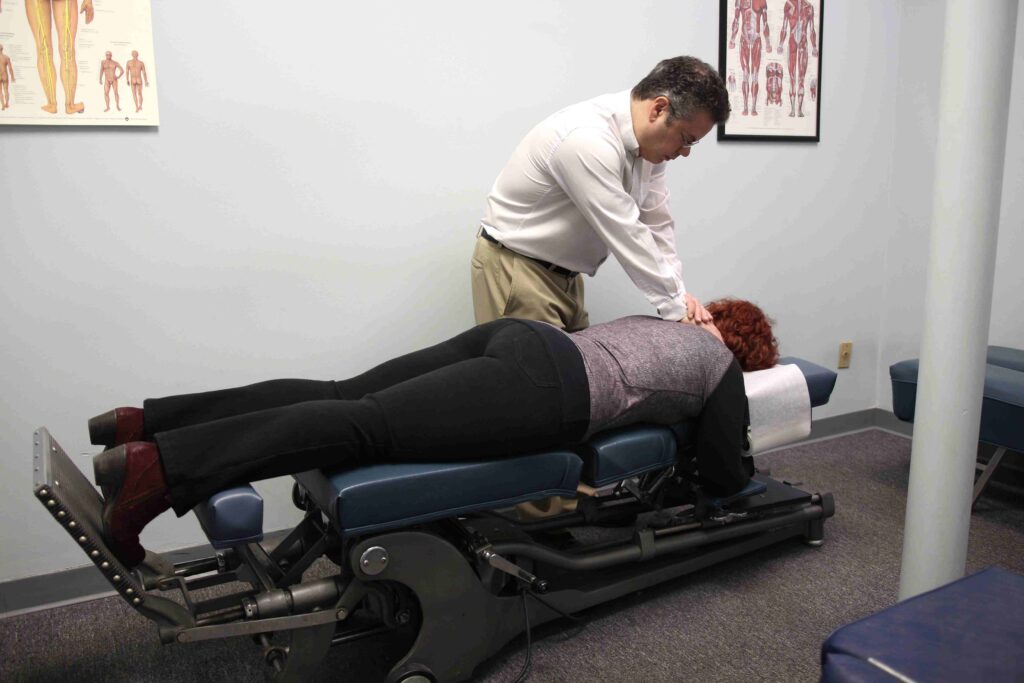
- Chiropractic Care: Spinal manipulation performed by a chiropractor can help restore proper alignment and reduce discomfort.
- Acupuncture: This ancient practice involves inserting thin needles into specific points on the body, potentially promoting pain relief by stimulating your body's natural healing processes.
- Mind-Body Techniques: Practices like yoga and meditation can reduce stress and improve your overall well-being, providing a holistic approach to managing pain.
Exploring these alternative options can empower you to take control of your pain management journey.
Always consult a healthcare professional before starting any new treatment to verify it's safe and suitable for your specific condition.
Alternative Therapies to Consider
Exploring alternative therapies can open new avenues for relief from lower back disc pain. These therapies often complement traditional treatments and can enhance your overall well-being.
One option to take into account is acupuncture. This ancient practice utilizes fine needles inserted at specific points to stimulate energy flow and reduce pain. Many people report significant relief after just a few sessions.
Chiropractic care is another promising alternative. Chiropractors use hands-on spinal manipulation to improve alignment and mobility. Regular adjustments can help alleviate discomfort and restore function.
If you're open to it, massage therapy can also provide substantial relief. By targeting muscle tension and promoting relaxation, it helps reduce the strain on your back.
Yoga and Pilates offer gentle movement and stretching, which can enhance flexibility and strengthen your core. These practices not only help relieve pain but also teach you better body mechanics, which can prevent future issues.
Similarly, tai chi combines gentle movements with mindfulness, promoting relaxation while strengthening your body.
Cognitive-behavioral therapy (CBT) addresses the emotional aspects of chronic pain. It can help you develop coping strategies and change the way you perceive pain, leading to a more positive outlook.
Finally, take into account herbal supplements like turmeric or willow bark. These natural anti-inflammatories can support your recovery when used appropriately.
Before starting any alternative therapy, it's crucial to consult with your healthcare provider to verify the chosen methods are safe and suitable for your specific situation.
Lifestyle Changes for Relief
Making certain lifestyle changes can greatly alleviate lower back disc pain. You mightn't realize how much your daily habits influence your comfort and mobility. By adopting healthier practices, you can reduce strain on your back and promote healing.
Here are some effective lifestyle changes to contemplate:
- Maintain a Healthy Weight: Excess weight puts additional stress on your spine. Eating a balanced diet and exercising can help you shed those extra pounds.
- Stay Active: Regular physical activity strengthens your back muscles and improves flexibility. Aim for low-impact exercises like walking, swimming, or yoga to keep your body moving without risking injury.
- Practice Good Posture: Pay attention to how you sit, stand, and lift objects. Use ergonomic furniture, keep your feet flat on the floor, and always lift with your legs, not your back.
- Take Breaks: If you sit for long periods, take short breaks to stretch and change positions. This reduces tension and helps maintain blood flow to your muscles.
Implementing these changes can make a significant difference in your discomfort levels.
Remember, consistency is key; the more you integrate these habits into your routine, the more relief you'll likely experience.
As you commit to these changes, you'll find yourself on a path toward improved well-being and less lower back pain.
When to Seek Professional Help
Knowing when to seek professional help for lower back disc pain is vital for effective management and recovery. If you're experiencing persistent pain that lasts more than a few days, it's time to consult a healthcare provider. Ignoring ongoing discomfort can lead to additional complications and hinder your healing process.
You should also seek help if the pain radiates down your legs or causes numbness, tingling, or weakness. These symptoms can indicate nerve involvement and may require specialized treatment. If you find it difficult to perform daily activities, such as bending, lifting, or walking, don't hesitate to reach out for professional advice.
Moreover, if you notice any changes in bladder or bowel control, it's important to seek immediate medical attention. These symptoms could signal a serious condition requiring urgent care.
If over-the-counter pain relievers and self-care measures aren't providing relief, a professional evaluation can help identify the underlying cause and develop an effective treatment plan.
In addition, if your pain worsens over time or you experience sudden and severe pain following an injury, get help right away.
Preparing for Your Quiz
Before you take your quiz, it's essential to understand your symptoms clearly.
Make sure to research the various treatment options available and consider consulting a specialist for expert advice.
This preparation will help you feel more confident and informed as you tackle the questions.
Understand Your Symptoms
Recognizing the signs of lower back disc pain is essential for effective treatment. Understanding your symptoms helps you identify the underlying issues, making it easier to seek the right care.
Lower back disc pain can manifest in various ways, and being aware of the symptoms can guide you in managing your condition.
Pay attention to these common signs of lower back disc pain:
- Localized Pain: A sharp or dull ache in the lower back, often worsening with movement.
- Radiating Pain: Pain that travels down your legs, sometimes accompanied by tingling or numbness.
- Stiffness: Difficulty bending or twisting, making it hard to perform daily activities.
- Weakness: Feeling weak in your legs or feet, which can affect balance and mobility.
Research Treatment Options
When it comes to managing lower back disc pain, exploring various treatment options can greatly impact your recovery journey. Start by researching non-invasive methods, such as physical therapy and chiropractic care.
These therapies focus on strengthening your core muscles, improving flexibility, and alleviating pain through manual adjustments. Many find relief through targeted exercises designed to stabilize the spine.
Next, consider over-the-counter pain relievers like ibuprofen or acetaminophen. These can help manage inflammation and discomfort during your recovery.
Additionally, investigate alternative therapies such as acupuncture or massage, which may provide relief for some individuals by promoting blood flow and relaxation.
You might also explore the benefits of heat and cold therapy. Applying heat can soothe tight muscles, while cold packs can reduce inflammation.
It's crucial to identify what works best for you.
Lastly, keep an eye on emerging treatments, such as regenerative medicine or minimally invasive procedures. These options may offer solutions tailored to your specific needs.
Consult a Specialist
After exploring various treatment options, consulting a specialist can provide deeper insights into your lower back disc pain.
Specialists, such as orthopedic doctors, chiropractors, or physical therapists, can offer tailored advice based on your specific condition. They'll assess your symptoms and medical history to design a treatment plan that best suits your needs.
When preparing for your consultation, consider these key points:
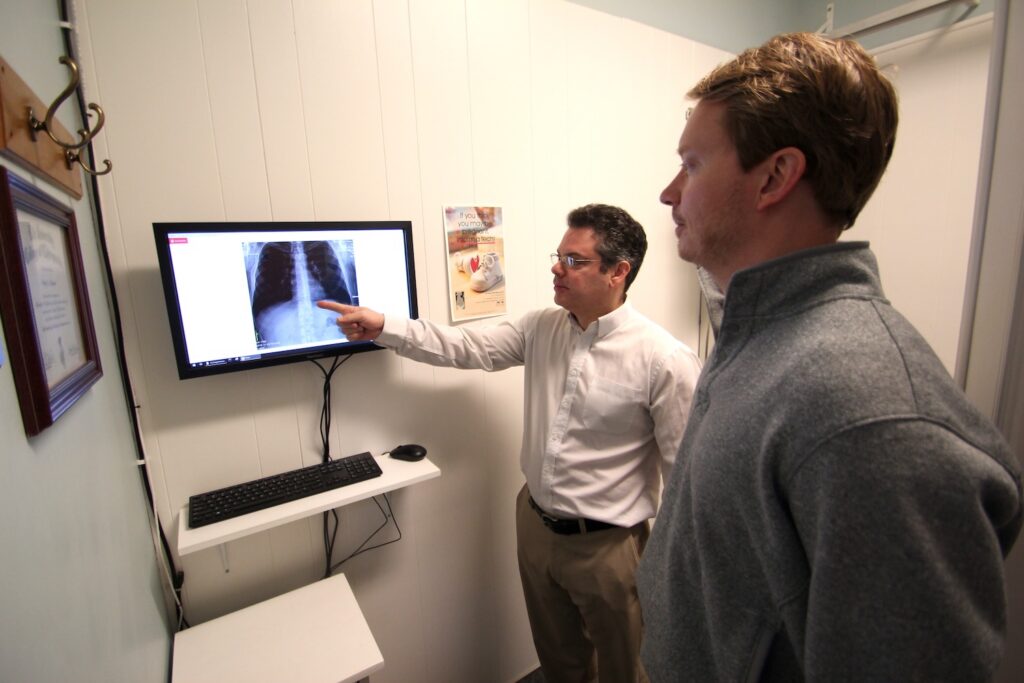
- Bring Your Medical Records: Share any previous imaging studies, treatments, or medications you've tried.
- List Your Symptoms: Note when the pain started, what aggravates it, and how it affects your daily life.
- Ask Questions: Don't hesitate to inquire about your diagnosis, potential treatments, and expected outcomes.
- Discuss Lifestyle Factors: Mention any activities, work duties, or habits that may contribute to your pain.
Next Steps After the Quiz
Once you've completed the quiz, it's important to take the next steps toward understanding and managing your lower back disc pain. First, review your results carefully. They'll give you insights into the most suitable treatments based on your symptoms and lifestyle. If you've identified specific options that resonate with you, consider discussing them further with your healthcare provider.
Next, start gathering information about the treatments suggested in the quiz. Whether it's physical therapy, medication, or alternative therapies, knowing what to expect can help you feel more empowered about your options. Look for credible resources online or ask your doctor for recommendations.
You might also want to keep a pain diary. Documenting your pain levels, what triggers them, and how various treatments affect you can provide valuable information for your healthcare professional. This data can help you and your doctor make informed decisions about your treatment plan.
Additionally, consider joining support groups or forums where you can connect with others experiencing similar issues. Sharing experiences can provide emotional support and practical tips for managing your pain effectively.
Finally, remember to stay proactive. Regularly evaluate your progress and adjust your approach as needed. Your journey to managing lower back disc pain is unique, and it's important to find what works best for you.
With the right knowledge and support, you can take meaningful steps toward relief and recovery.
Conclusion
Now that you've explored the various treatments for lower back disc pain, you're better equipped to manage your discomfort. Whether it's through physical therapy, medications, or lifestyle changes, you can find strategies that work for you. Remember, finding the right approach takes time and may require professional guidance. Take what you've learned, assess your options, and don't hesitate to seek help when needed. Here's to a healthier, pain-free back and improved quality of life!