
If you're looking to enhance your joint flexibility, understanding the right therapy techniques is essential. You might find that a combination of manual therapy, tailored exercise programs, and insights into body mechanics can make a significant difference. By exploring methods like mobilization or aquatic therapy, you can begin to access greater range of motion. However, what specific techniques will best suit your needs, and how can you maintain this flexibility over time? The answers to these questions could transform your approach to movement and overall well-being.
Importance of Joint Flexibility
Joint flexibility is vital for maintaining overall mobility and preventing injuries. When your joints are flexible, you can move freely and perform daily activities without discomfort. This flexibility allows you to bend, twist, and reach without straining your muscles or ligaments. If you neglect joint flexibility, you may find yourself facing stiffness and limited range of motion, which can lead to pain and increased risk of injury.
Incorporating flexibility exercises into your routine can help you maintain and improve joint health. You might notice that activities like walking, running, or even sitting become easier as your joints become more pliable. This improvement not only enhances your physical performance but also boosts your overall quality of life. When your joints move freely, you can engage in sports and recreational activities without the fear of overexerting yourself or getting hurt.
Moreover, good joint flexibility contributes to better posture and alignment. When your body is in proper alignment, it reduces the strain on your muscles and joints, decreasing the likelihood of chronic pain.
It's also important to remember that aging can decrease joint flexibility. As you age, your connective tissues may become stiffer, making it imperative to prioritize flexibility training at any age.
Physical Therapy Approaches
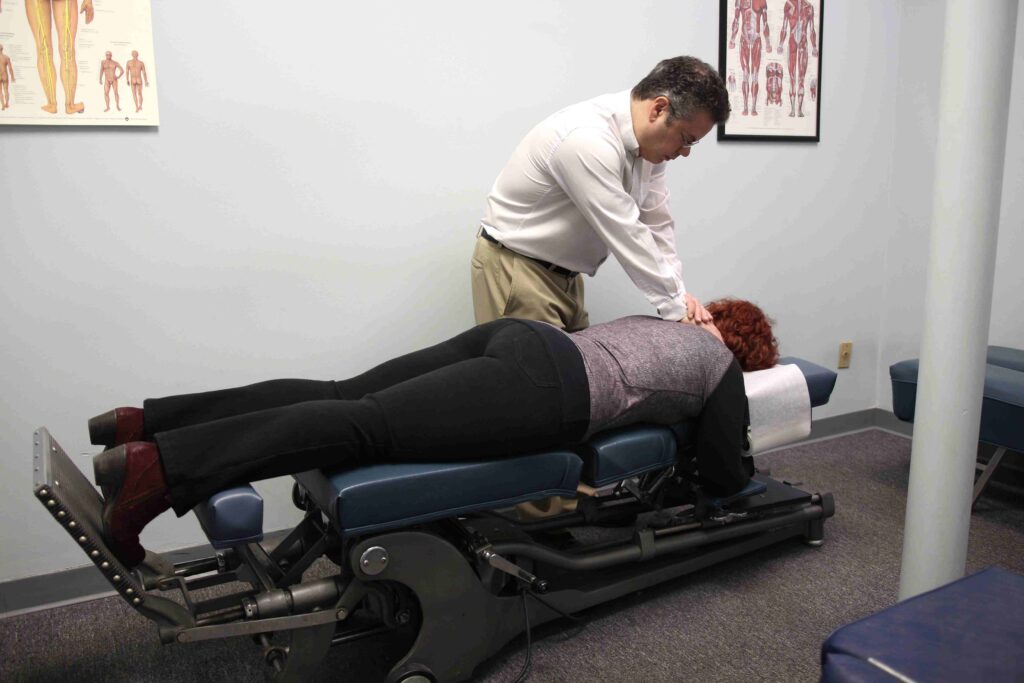
To enhance your joint flexibility, physical therapy offers a range of effective approaches tailored to individual needs. One of the primary methods is hands-on manual therapy. This involves skilled techniques like mobilization and manipulation, which help to improve joint movement and reduce stiffness. These techniques can be particularly beneficial for those recovering from injuries or surgeries.
Another approach is therapeutic exercise. A physical therapist will design a personalized exercise program that focuses on strengthening the muscles around your joints while also promoting flexibility. This not only aids in improving your range of motion but also helps prevent future injuries. You'll likely engage in both active and passive exercises, which can be adjusted as your flexibility improves.
Aquatic therapy is another innovative option. Exercising in water reduces the strain on your joints, allowing you to perform movements that might be difficult on land. The buoyancy provides a supportive environment, making it easier to increase flexibility without pain.
Additionally, your therapist may incorporate modalities like heat or cold therapy. Heat can relax muscles and improve blood circulation, while cold therapy can reduce inflammation.
Lastly, education plays an essential role. Your therapist will teach you about body mechanics and posture, which can greatly impact joint flexibility. By understanding how to move correctly, you can maintain improvements and avoid setbacks.
Stretching Techniques
Many people find that incorporating stretching techniques into their routine greatly enhances joint flexibility. Stretching not only improves your range of motion but also helps prevent injuries during physical activities. By dedicating just a few minutes each day to these techniques, you can experience noticeable benefits.
Here are some effective stretching techniques you might consider:
- Static Stretching: Hold a stretch for 15-30 seconds without bouncing. This helps elongate the muscle and improve flexibility over time.
- Dynamic Stretching: Involves moving parts of your body through their full range of motion, like leg swings or arm circles. It's ideal for warming up before workouts.
- Proprioceptive Neuromuscular Facilitation (PNF): This advanced technique combines stretching and contracting of the muscle group. Partnering up is often helpful, as one person assists the other in stretching.
- Yoga: Incorporating yoga poses into your routine can greatly enhance flexibility. Poses like Downward Dog or Cobra target various joints and improve balance.
To maximize the effectiveness of your stretching routine, remember to breathe deeply and relax into each stretch. It's important to listen to your body; if you feel pain, ease off.
Consistency is key, so aim to stretch regularly, ideally after workouts or during dedicated flexibility sessions. By doing so, you'll likely notice significant improvements in your joint flexibility and overall mobility, enhancing both your daily activities and athletic performance.
Strengthening Exercises
Strengthening your muscles is just as crucial for improving joint flexibility as stretching. When your muscles are strong, they provide better support to your joints, reducing the risk of injury and allowing for a greater range of motion. To effectively enhance both strength and flexibility, you need to incorporate specific exercises into your routine.
Start with bodyweight exercises like squats or lunges. These not only build strength in your legs but also encourage the hip and knee joints to move through their full range. As you progress, consider adding resistance bands or weights. For instance, performing resistance band leg presses or dumbbell shoulder presses can help you target key muscle groups while promoting flexibility in the associated joints.
Don't overlook the importance of core strength. Engaging in exercises like planks or bridges can stabilize your entire body, which plays a crucial role in maintaining joint alignment during movement. When your core is strong, it can also improve your posture, further enhancing flexibility.
Incorporate upper body exercises like push-ups or rows to strengthen your arms and shoulders. These movements won't only build muscle but also promote flexibility in your shoulder joints, making everyday activities easier.
Make certain to balance your strengthening exercises with adequate stretching. This combination will guarantee your muscles remain pliable while building the necessary strength to support your joints.
Maintaining Flexibility Long-Term
Building strength is only part of the equation; maintaining flexibility long-term requires a consistent commitment to your routine. It's crucial to integrate flexibility practices into your daily life, ensuring that you don't lose the progress you've made.
You might think of flexibility as a skill that needs regular practice, much like playing a musical instrument or learning a new language.
To help you stay on track, consider these strategies:
- Set a schedule: Dedicate specific days and times for flexibility training. Treat it like an important appointment you can't miss.
- Mix it up: Engage in different stretching techniques, such as dynamic stretching, static stretching, or even yoga. This variety keeps your routine fresh and exciting.
- Listen to your body: Pay attention to how your joints and muscles feel. If something feels tight or sore, adjust your routine accordingly to avoid injury.
- Track your progress: Keep a journal or use an app to record your flexibility gains. Seeing your improvements can motivate you to stay committed.
Conclusion
Improving your joint flexibility isn't just about feeling better; it's essential for overall mobility and quality of life. By incorporating manual therapy, tailored exercises, and education on body mechanics, you can make significant strides in your flexibility. Don't forget the value of aquatic therapy and the use of heat and cold modalities to support your progress. Stay committed to these approaches, and you'll enjoy lasting benefits that keep you moving freely and comfortably for years to come.