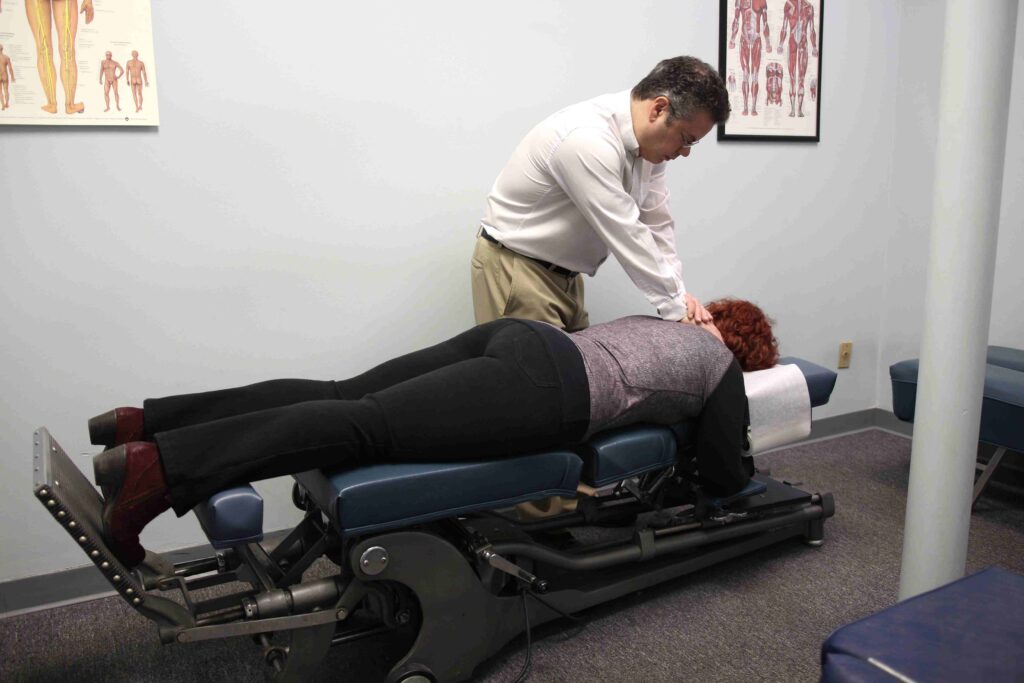

If you’re living with cluster headaches, you know just how challenging they can be. Thankfully, there are natural strategies that can help you manage your symptoms and enhance your overall quality of life. One of the most effective approaches is chiropractic care, which focuses on aligning your spine and optimizing your nervous system function. This can lead to significant pain relief and improved well-being.
In addition to chiropractic adjustments, making small changes in your lifestyle can also make a big difference. Pay attention to your diet; incorporating more whole foods and staying hydrated can support your body’s natural healing processes. Regular exercise, even light activities like walking or stretching, can help reduce stress and tension, potentially alleviating headache symptoms.
Understanding your triggers is essential. Keeping a journal of your headaches can help you identify patterns and avoid specific triggers, such as certain foods or stressors. Implementing supportive measures, like practicing relaxation techniques or exploring alternative therapies, can also contribute to your relief.
As you embark on this journey towards better health, remember that chiropractic care is a powerful ally in managing pain and promoting wellness. By focusing on your spine and overall health, you’re taking a significant step towards finding the relief you seek. Let’s explore these approaches together and work towards a healthier, happier you!
Key Takeaways
- Establishing a consistent sleep schedule is crucial for managing cluster headaches. By creating a calming bedtime routine, you can enhance your sleep quality and help reduce headache triggers. Remember, good sleep is foundational to overall health, and chiropractic care can also support better sleep through spinal adjustments that promote relaxation.
- Keep a food diary to identify and eliminate dietary triggers, such as alcohol, aged cheeses, and processed meats. By tracking what you eat, you can lower the frequency of your headaches. Additionally, chiropractic care can help improve your digestive health, which may play a role in managing your dietary triggers.
- Regular physical activity is essential for releasing endorphins and alleviating tension that can contribute to headaches. Consider activities like walking or yoga, as these are gentle ways to stay active. Chiropractic adjustments can further enhance your physical activity by improving your range of motion and reducing discomfort, making it easier for you to engage in exercise.
- Chiropractic care can be incredibly beneficial for those suffering from headaches. Spinal adjustments help improve nerve function and promote proper alignment, which may lead to a reduction in headache severity. It’s a natural approach that focuses on your body’s ability to heal itself.
- Explore natural options like feverfew and magnesium-rich foods to support your overall health. These remedies may ease headache symptoms, but don’t forget that regular chiropractic visits can enhance your body’s capacity to manage pain and maintain wellness. By prioritizing your spinal health, you can take significant strides toward living a headache-free life.
By incorporating these tips and regularly visiting your chiropractor, you can take proactive steps toward managing cluster headaches naturally and achieving optimal health.
Understanding Cluster Headaches: Symptoms and Triggers
When you experience a cluster headache, it can feel like an intense, burning pain around one eye, often described as one of the most excruciating types of headaches. This pain can last anywhere from 15 minutes to three hours and typically occurs in clusters, leading to multiple episodes over days or weeks. Alongside the headache, you may notice symptoms like tearing, nasal congestion, or even a drooping eyelid on the affected side.
Understanding and identifying your personal triggers is crucial for managing these headaches effectively. Common triggers include alcohol consumption, strong smells, and changes in sleep patterns. Stress and certain lifestyle factors can also contribute. By paying attention to your body’s signals, you can gain insights into what may be causing your headaches. Keeping a headache diary can be incredibly helpful in tracking your symptoms and identifying patterns.
Chiropractic care can play a significant role in managing headaches, including cluster headaches. By focusing on spinal health and ensuring proper alignment, chiropractic adjustments can help relieve tension and improve overall wellness. Regular chiropractic visits may reduce the frequency and severity of your headaches by addressing underlying issues related to your spine and nervous system.
In addition to chiropractic care, there are several general tips you can incorporate into your daily routine to promote natural healing and reduce headache occurrences:
- Stay Hydrated: Drink plenty of water throughout the day to keep your body well-hydrated.
- Manage Stress: Engage in relaxation techniques such as deep breathing, meditation, or yoga to help reduce stress levels.
- Regular Sleep Schedule: Try to maintain a consistent sleep schedule to promote better sleep quality.
- Healthy Diet: Focus on a balanced diet rich in whole foods, fruits, and vegetables, which can support overall health and potentially reduce headache triggers.
- Physical Activity: Regular exercise can help reduce stress and improve your overall well-being.
The Role of Diet in Cluster Headache Management
Your diet plays a crucial role in managing cluster headaches, and as a chiropractor, I believe in the power of natural healing to enhance your overall wellness. By identifying and avoiding trigger foods, you can help reduce your headache symptoms significantly. It’s also beneficial to incorporate nutrients that support your body’s natural healing processes.
Don’t forget that staying properly hydrated is key—not just for headache management, but for your overall health. Water helps maintain proper bodily functions and can aid in alleviating pain.
In addition, consider how chiropractic care can complement your dietary efforts. Regular chiropractic adjustments can improve your spinal health, enhance nerve function, and promote better circulation, all of which can contribute to reducing headache frequency and intensity.
Here are some simple tips you can try:
- Keep a food diary to identify any potential trigger foods.
- Aim to drink plenty of water throughout the day.
- Incorporate foods rich in omega-3 fatty acids, like fish and walnuts, which may help reduce inflammation.
- Schedule regular chiropractic visits to support your overall health and manage pain naturally.
Trigger Foods to Avoid
Identifying and cutting out trigger foods can significantly help in managing cluster headaches and promote overall wellness. Some common culprits include aged cheeses, processed meats, and alcohol—especially red wine. These foods can provoke episodes, so it’s vital to listen to your body’s responses after meals.
Caffeine is another interesting factor; for some, it may offer relief, but for others, it can trigger headaches. Additionally, be cautious with foods containing MSG or artificial sweeteners like aspartame, as they can worsen your symptoms. Keeping a food diary can be a practical way to track what you eat and how it affects you, helping you identify your specific triggers.
Once you recognize these troublesome items, removing them from your diet can lead to fewer headaches and a more balanced lifestyle. Remember, focusing on natural methods like chiropractic care can also be incredibly beneficial. Chiropractic adjustments can help align your spine and improve your overall nervous system function, which may lead to reduced headache frequency and intensity.
For optimal health, consider incorporating more whole foods, staying hydrated, and practicing stress-reducing techniques, such as deep breathing or gentle stretching. Always consult with your chiropractor for personalized advice tailored to your specific needs. Your journey to wellness can be enhanced through natural methods, so embrace the benefits of chiropractic care as part of your lifestyle!
Beneficial Nutrient Sources
After eliminating trigger foods, focusing on beneficial nutrient sources can greatly enhance your overall wellness and help manage cluster headaches. As a chiropractor, I emphasize the importance of a holistic approach to health, which includes proper nutrition alongside spinal care.
Incorporating omega-3 fatty acids, found in fatty fish like salmon and walnuts, can help reduce inflammation that may contribute to headaches. Magnesium-rich foods such as spinach and almonds can also play a role in easing headache frequency.
Don’t overlook the benefits of riboflavin (vitamin B2); including foods like eggs and dairy in your diet can help boost your intake. Additionally, consuming foods high in antioxidants, like berries and dark chocolate, may help protect your body against oxidative stress, which can be a potential headache trigger.
For a balanced diet, aim to include whole grains, lean proteins, and plenty of fruits and vegetables. These nutrient-dense foods support your body’s natural healing processes, helping to minimize headaches and improve your overall health. Remember, chiropractic care can also play a crucial role in maintaining your well-being by ensuring your spine is aligned and your nervous system is functioning optimally. By prioritizing these nutrient sources and incorporating regular chiropractic adjustments, you can create a supportive lifestyle that promotes pain relief and enhances your quality of life.
Hydration’s Importance in Management
Staying properly hydrated is vital for managing cluster headaches and supporting your overall health. When your body is well-hydrated, it functions better, which can help reduce the frequency and intensity of headache attacks. Aim to drink at least eight glasses of water each day, but remember to adjust this based on your activity level and the climate you live in.
Here’s a simple guide to some great hydration sources:
| Hydration Source | Benefits |
|---|---|
| Water | Essential for overall health |
| Herbal Tea | Provides soothing properties |
| Coconut Water | Packed with electrolytes and minerals |
Incorporating these fluids into your daily routine can significantly enhance your wellness. It’s also important to avoid dehydrating drinks like alcohol and caffeine, as they can trigger headaches. Instead, focus on hydration as a natural way to manage your cluster headaches.
As a chiropractor, I believe in the body’s ability to heal itself through natural means. Staying hydrated supports not only your headache management but also your spinal health and overall well-being. By prioritizing hydration and integrating chiropractic care into your wellness routine, you can take proactive steps toward a healthier, pain-free life. Remember, small adjustments in your daily habits can lead to significant improvements in your health.
Stress Reduction Techniques for Cluster Headache Relief
Managing stress effectively is crucial for reducing the frequency and intensity of cluster headaches, and chiropractic care can play a significant role in this process. As a chiropractor, I want to emphasize the importance of a holistic approach to health and wellness, which includes not only spinal care but also lifestyle modifications that can enhance your overall well-being.
One simple yet powerful technique you can incorporate into your daily routine is deep breathing exercises. Taking just a few minutes each day to inhale deeply through your nose and exhale slowly through your mouth can help calm both your mind and body. This practice can complement the benefits you receive from chiropractic adjustments by promoting relaxation and reducing tension.
Mindfulness meditation is another effective method. Setting aside time to focus on your breath and let go of distracting thoughts can enhance your mental clarity and emotional stability. Regular practice can help you manage stress more effectively, and when combined with chiropractic care, you can achieve a more balanced state of health.
Don’t overlook the importance of physical activity. Engaging in regular exercise not only releases endorphins that alleviate stress but also supports spinal health. Whether it’s a brisk walk, yoga, or any physical activity you enjoy, staying active is vital. It complements your chiropractic treatment by promoting better posture and spinal alignment.
Lastly, prioritize getting enough sleep. A well-rested body is better equipped to handle stress and recover from the physical demands of daily life. Chiropractic care can help improve your sleep quality by addressing any underlying spinal issues that may disrupt your rest.
Herbal Remedies: Nature’s Approach to Pain Relief
When you’re seeking natural relief from cluster headaches, it’s important to remember that chiropractic care can be a powerful ally in your journey toward wellness.
By focusing on spinal health and alignment, we can address the root causes of your pain, which may help reduce the frequency and intensity of headaches.
While herbal remedies can provide some support, the most effective way to achieve optimal health and pain relief is through regular chiropractic adjustments.
These adjustments help ensure that your nervous system functions properly, which can have a positive impact on your overall well-being.
If you’re interested in incorporating natural methods alongside chiropractic care, here are some general tips to consider:
- Stay Hydrated: Dehydration can trigger headaches, so make sure you’re drinking plenty of water throughout the day.
- Practice Relaxation Techniques: Stress can contribute to headaches, so consider incorporating mindfulness practices, deep breathing exercises, or gentle yoga into your routine.
- Maintain Good Posture: Poor posture can strain the muscles in your neck and back, leading to headaches. Be mindful of your posture, especially if you spend long hours sitting at a desk.
- Get Regular Adjustments: Consistent chiropractic care not only helps with pain relief but also promotes overall health and can prevent future headaches from occurring.
- Consider Dietary Changes: A balanced diet rich in whole foods can support your body’s healing processes. Pay attention to foods that may trigger your headaches and adjust your diet accordingly.
By prioritizing chiropractic care and incorporating these healthy habits into your lifestyle, you can create a comprehensive approach to managing cluster headaches and enhancing your overall wellness.
Effective Herbal Options
Exploring effective herbal options can be a wonderful addition to your journey toward natural relief for cluster headaches. While chiropractic care is an excellent primary choice for managing pain and promoting overall wellness, incorporating herbal remedies can enhance your experience.
Here are four herbal options you might consider alongside your chiropractic treatments:
- Feverfew – This herb is celebrated for its anti-inflammatory properties and may help decrease the frequency of headaches. When combined with regular chiropractic adjustments, it can further support your body’s natural healing processes.
- Butterbur – Known for its potential to prevent migraines, butterbur might also offer benefits to those suffering from cluster headaches. It’s essential to discuss any new herbal supplements with your chiropractor to ensure they align with your holistic treatment plan.
- Ginger – Often recognized for its ability to ease nausea, ginger also has anti-inflammatory effects that can help reduce headache pain. Incorporating ginger into your diet can be as simple as making a warm ginger tea or adding it to your meals.
- Lavender – The calming scent of lavender may reduce stress and tension, which can be significant triggers for headaches. Consider using lavender essential oil in a diffuser during your relaxation time or adding it to your bath for a soothing experience.
In addition to these herbal options, remember that maintaining a healthy lifestyle plays a crucial role in managing headaches. Stay hydrated, practice good posture, and consult with your chiropractor regularly to ensure your spine is aligned, which can contribute to reducing headache occurrences.
Embracing these natural remedies alongside chiropractic care can lead you to a path of optimal health and wellness.
Dosage and Preparation Tips
To enhance your wellness and manage cluster headaches naturally, understanding how to use herbal remedies effectively can be beneficial. While chiropractic care is an excellent way to address the underlying issues causing pain, incorporating herbal remedies can complement your overall health strategy. Always consult with a healthcare professional before trying new remedies to tailor your approach to your individual needs.
For those interested in herbal teas or tinctures, it’s typically recommended to consume them two to three times a day, but be sure to follow the guidelines provided on the product labels. When preparing herbal remedies, opt for high-quality ingredients. If you’re making tea, steep the herbs in boiling water for about 5-10 minutes to ensure you’re extracting their beneficial properties fully. For tinctures, dilute them in water according to the instructions to enhance absorption.
Keeping a symptom journal can be incredibly helpful. By tracking your experiences with different remedies, you can identify what works best for you, allowing you to refine your approach over time. Remember, consistency is key to achieving effective results.
Ultimately, while herbal remedies can play a role in your wellness journey, don’t forget the importance of chiropractic care. Regular adjustments can help alleviate tension and improve your overall health, making it an essential component of your natural healing strategy. By combining these methods, you can work toward a healthier, pain-free life!
Acupuncture and Acupressure: Alternative Therapies to Consider
Have you ever thought about how chiropractic care could help you manage cluster headaches? Instead of relying solely on medications, consider the natural benefits of chiropractic adjustments. Here’s what you should know:
- Pain Relief: Chiropractic adjustments target misalignments in your spine, which can help reduce the intensity and frequency of headaches by relieving pressure on nerves and improving overall function.
- Stress Reduction: Regular chiropractic care promotes relaxation and reduces tension in your body. This can alleviate headache triggers that stem from stress and tight muscles.
- Improved Blood Flow: Chiropractic adjustments can enhance blood circulation, which may ease headache symptoms and contribute to better overall health.
- Personalized Care: A skilled chiropractor will assess your specific needs and create a treatment plan tailored just for you, ensuring a more effective approach to managing your headaches.
While everyone’s experience is different, many patients find relief through chiropractic care. It’s a valuable part of a holistic approach to health and wellness.
If you’re struggling with cluster headaches, consider consulting a licensed chiropractor to discuss your specific situation and how chiropractic adjustments can support your journey to optimal health.
In addition to seeking chiropractic care, here are a few simple tips to help manage headaches at home:
- Stay hydrated by drinking plenty of water throughout the day.
- Practice good posture, especially when sitting for long periods.
- Incorporate relaxation techniques, like deep breathing or gentle stretching, into your daily routine.
The Importance of Sleep Hygiene in Managing Headaches
The Importance of Sleep Hygiene in Managing Headaches
As a chiropractor dedicated to your health and wellness, I often see how poor sleep hygiene significantly contributes to the frequency and intensity of headaches. By prioritizing better sleep habits, you can’t only manage headaches more effectively but also support your overall well-being.
One of the first steps is to establish a consistent sleep schedule. Going to bed and waking up at the same time every day, even on weekends, helps regulate your body’s internal clock, leading to more restorative sleep. This is crucial for maintaining a healthy spine and reducing tension that can contribute to headaches.
Creating a sleep-friendly environment is essential as well. Make sure your bedroom is dark, quiet, and cool, which will foster a more restful atmosphere. It’s also wise to minimize distractions by removing electronic devices that emit blue light, as this can interfere with the quality of your sleep. Instead, consider incorporating a calming bedtime routine. Engaging in activities like reading, meditation, or gentle stretches can signal to your body that it’s time to unwind.
Additionally, be mindful of what you consume before bedtime. Stimulants such as caffeine and nicotine can disrupt your sleep patterns, leading to increased tension and headaches. By improving your sleep hygiene, you not only reduce the likelihood of headaches but also enhance your overall health.
Exercise and Physical Activity: A Natural Pain Management Strategy
Managing cluster headaches can be challenging, but there are natural strategies that can make a significant difference. One effective method is to incorporate exercise and physical activity into your daily routine. Regular movement not only helps alleviate pain but can also reduce the frequency of headache attacks. When you engage in physical activity, your body releases endorphins, which are natural painkillers that can provide relief.
Here are some simple ways to make exercise work for you:
- Choose Aerobic Exercises: Activities such as walking, jogging, or cycling are great for improving your mood and enhancing blood circulation. These exercises can be done at your own pace, making them accessible for everyone.
- Incorporate Stretching: Gentle stretching is essential for releasing tension in areas like your neck and shoulders, which are often related to headache pain. Simple neck rolls or shoulder shrugs can be very beneficial.
- Practice Relaxation Techniques: Incorporating practices like yoga or tai chi can significantly reduce stress levels—one of the common triggers for cluster headaches. These techniques not only promote physical health but also encourage mental well-being.
- Stay Consistent: Aim for at least 30 minutes of exercise most days of the week. However, it’s important to listen to your body and make adjustments as needed. Consistency is key to reaping the benefits of physical activity.
In addition to these tips, consider visiting your local chiropractor. Chiropractic care focuses on the health of your spine and nervous system, which can be crucial in managing pain and promoting overall wellness. A chiropractor can help assess your posture, provide targeted spinal adjustments, and recommend personalized exercises that support your pain relief journey.
Seeking Support: Connecting With Others Who Understand
Finding a supportive community can make a world of difference when dealing with cluster headaches. Connecting with others who understand your pain helps you feel less isolated and more empowered. Online forums, social media groups, and local support meetings offer safe spaces to share experiences, tips, and coping strategies.
As a chiropractor, I believe in the power of natural healing and the body’s ability to restore itself. While it’s important to connect with others for emotional support, exploring chiropractic care can also be a beneficial step in your journey toward pain relief. Chiropractic adjustments can help improve spinal alignment, which may alleviate pressure on nerves and reduce headache frequency and intensity.
Don’t hesitate to reach out; you’ll find that many people are keen to listen and share their stories. These connections can provide not only emotional support but also practical advice on managing symptoms naturally. Many individuals have found relief through chiropractic treatments, lifestyle changes, and holistic approaches that emphasize wellness.
When you talk to someone who truly gets it, you might discover new approaches that work for you. Consider incorporating regular chiropractic visits into your routine to support your overall health. Remember, you’re not alone in this journey. Engaging with others facing similar challenges can foster hope and resilience. So, take that step and seek out those who understand; you’ll likely find a community that uplifts you and inspires you to keep going.
In addition to seeking support and chiropractic care, here are some general tips for managing cluster headaches:
- Stay Hydrated: Drink plenty of water throughout the day to stay hydrated, as dehydration can trigger headaches.
- Maintain a Healthy Diet: Focus on whole foods, including fruits, vegetables, and lean proteins, which can help reduce inflammation.
- Practice Stress-Relief Techniques: Engage in relaxation techniques such as deep breathing, meditation, or yoga to help manage stress levels.
- Sleep Hygiene: Establish a regular sleep schedule to improve the quality of your sleep, as irregular sleep patterns can trigger headaches.
Conclusion
Managing cluster headaches naturally can be a journey toward optimal health, and chiropractic care plays a vital role in this process. As a chiropractor, I encourage you to explore how spinal health can directly impact your overall well-being. By making lifestyle changes, paying attention to your diet, and incorporating chiropractic adjustments, you can take control of your pain and enhance your body’s ability to heal.
Prioritizing restful sleep and staying active are essential for reducing headache frequency and intensity. Regular chiropractic adjustments can help align your spine, improve nervous system function, and promote better sleep, which is crucial for managing cluster headaches. Additionally, connecting with others who understand your experience can provide support and encouragement as you navigate your healing journey.
Don’t forget to track your responses to various strategies, as understanding what works for you is key. Remember, this is a process, and with patience and perseverance, you can find hope and relief. Embracing chiropractic care as a natural approach to wellness could be your best choice for managing cluster headaches effectively. Consider scheduling a consultation to learn more about how chiropractic can benefit your health and alleviate your pain.