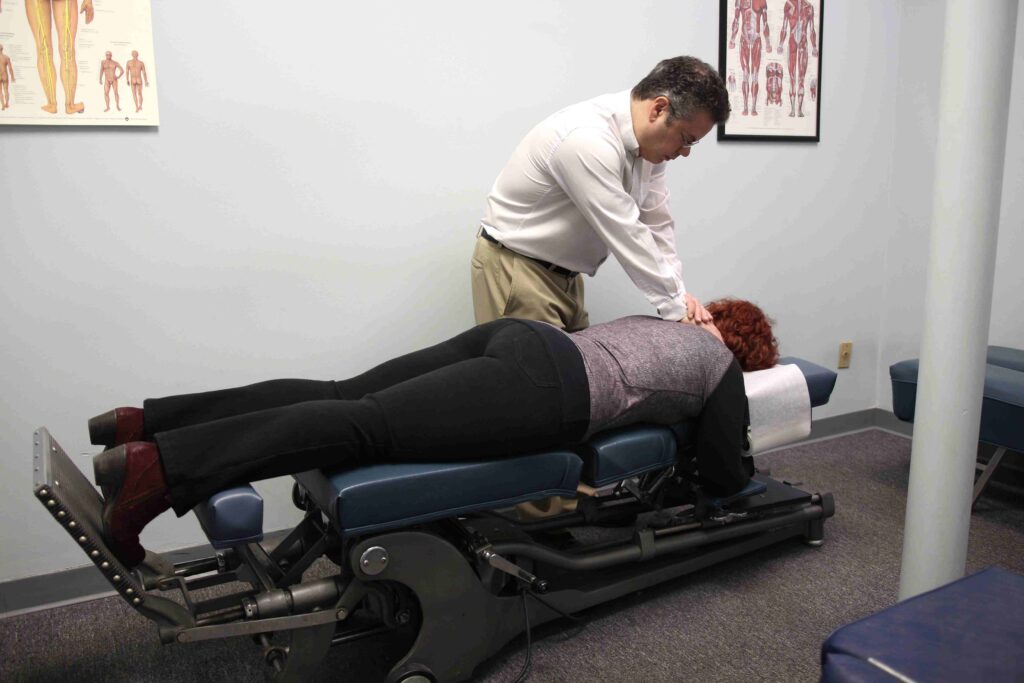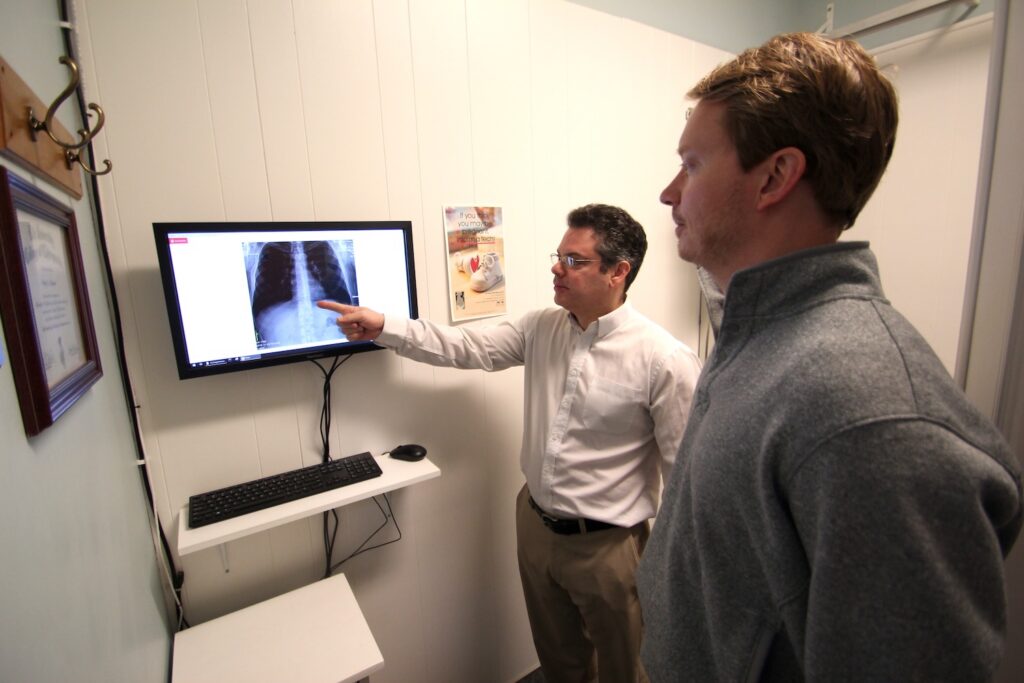

As a local chiropractor, I want to emphasize how crucial good posture is for your back health. Many people don’t realize that poor alignment can lead to discomfort and chronic pain over time. The good news is that by making some simple changes to your daily habits and workspace, you can significantly enhance your posture and alleviate pain.
So, where should you begin? It’s important to understand the link between posture and back pain, as this knowledge can empower you to make effective changes. Let’s delve into some practical strategies that can help you feel better and improve your overall well-being. Remember, taking care of your posture is an essential step towards a healthier back!
Understanding the Importance of Good Posture
As a local chiropractor, I want to emphasize that good posture isn’t just important for projecting confidence; it’s crucial for your spine’s health and preventing back pain. Many people may not realize how their daily habits—whether they’re sitting, standing, or moving—can significantly affect their overall well-being.
When you maintain good posture, your body achieves proper alignment, which allows your muscles and joints to function optimally. This alignment helps to reduce strain on your back, preventing discomfort and potential injury.
Incorporating good posture into your daily routine is easier than you might think. Start by being conscious of your alignment, especially when sitting at your desk or walking around. Focus on engaging your core muscles, keeping your shoulders relaxed, and making sure your ears are aligned over your shoulders.
These simple adjustments can lead to substantial improvements in how you feel. By prioritizing good posture, you’re actively taking steps to protect your spine, boost your energy levels, and minimize the risk of developing back pain in the future.
As you begin this journey toward better posture, I encourage you to consider how chiropractic care can further support your efforts. Through gentle adjustments and personalized guidance, we can work together to enhance your overall spinal health and well-being.
Common Causes of Poor Posture
As a local chiropractor, I want to help you understand some common causes of poor posture that you mightn’t even be aware of. One of the primary culprits is prolonged sitting, particularly when you spend hours in front of a computer. When you’re hunched over a screen, it’s all too easy to develop slouching habits that can have lasting effects on your spine.
Another factor to consider is how you carry your bags. If you consistently overload one shoulder, it can create muscle imbalances that negatively impact your spinal alignment. It’s essential to be mindful of this, as it can lead to discomfort and further posture issues.
Your choice of footwear is equally important. Wearing high heels or shoes that lack proper support can disrupt your natural posture and make it challenging to stand tall.
Additionally, weak core muscles and a lack of flexibility can contribute to poor posture, as they fail to provide the necessary support for your back.
Finally, we often overlook the role that stress and tension play in our posture. When you’re feeling stressed, you might inadvertently tighten your shoulders and neck, which can lead to an overall decline in your posture.
The Connection Between Posture and Back Pain
As a local chiropractor, I want to emphasize the vital connection between your posture and the health of your back. Many people are unaware that how you hold yourself can significantly impact your spinal health. When you slouch or hunch over, you’re placing additional strain on your spine and the surrounding muscles, which can lead to discomfort and pain.
Maintaining good posture is crucial—it helps to align your body correctly, ensuring that weight is distributed evenly and reducing unnecessary pressure on your back.
Take a moment to consider your daily habits—how you sit, stand, and move. Poor posture can lead to muscle imbalances, where some muscles become tight and others weaken. This imbalance not only contributes to back pain but can also limit your overall mobility.
In my practice, I often see how improving posture can aid in the natural healing process. By focusing on alignment and muscle balance, we can work together to alleviate discomfort and enhance your quality of life.
Assessing Your Current Posture
As a chiropractor, I want to help you understand the importance of good posture and how it can significantly impact your overall health.
To begin improving your posture, it’s essential to assess how you hold yourself throughout your daily activities. Take a moment to observe your stance while standing, sitting, and even walking. Are your shoulders drooping, or is your back curved in a way that feels unnatural? Pay attention to whether your head leans forward or if your chin tilts upward. Discomfort or tension in your back, neck, or shoulders can be a clear indication of poor posture habits.
Using a mirror can be a helpful tool in this self-assessment. Stand sideways to check if your ears, shoulders, and hips are in alignment. When you sit, ensure your hips are pushed back into the chair rather than slumping forward.
Once you’ve identified specific areas where your posture may be lacking, you’ll have a clearer understanding of the adjustments needed. Regularly evaluating your posture is crucial, as it raises your awareness of your habits and encourages you to make positive changes.
Tips for Improving Posture While Sitting
As a chiropractor, I want to help you understand the importance of proper posture while sitting, as it can greatly affect your overall health and well-being.
First and foremost, it’s essential to choose a chair that provides adequate support for your back. A well-designed chair can help maintain the natural curvature of your spine, reducing strain on your muscles and ligaments.
Next, let’s talk about your desk setup. It’s crucial to adjust the height of your desk so that your elbows are at a comfortable angle while you work. This adjustment helps prevent unnecessary tension in your neck and shoulders, which is common among those who spend long hours sitting.
Lastly, pay close attention to your foot positioning. Keeping your feet flat on the ground not only promotes better alignment of your spine but also aids in circulation.
Small changes in your sitting posture can lead to significant improvements in your overall health, so take these tips to heart and consider them in your daily routine. Your body will thank you!
Chair Selection Matters
As a local chiropractor, I want to emphasize the importance of choosing the right chair for your health and well-being. A well-designed chair can greatly influence your posture and comfort, especially during those long hours of sitting.
Proper support is crucial for your spine, as it helps maintain a neutral position and can prevent discomfort over time. Here are some essential features to consider when selecting a chair:
- Lumbar Support: It’s vital to choose a chair that offers excellent lower back support. This feature helps prevent slouching, which can contribute to back pain.
- Height Adjustment: Ensure that the chair can be adjusted to fit your height comfortably. This is important for keeping your feet flat on the floor and promoting good circulation.
- Seat Depth: Look for a chair that allows you to sit back while leaving a few inches between your knees and the seat. This ensures proper alignment and comfort.
- Armrests: Adjustable armrests are beneficial as they help keep your shoulders relaxed and your arms properly supported.
Investing in a quality chair isn’t just about comfort; it can significantly impact your posture and help reduce back pain.
Desk Height Adjustment
As a chiropractor, I want to emphasize the importance of adjusting your desk height for better posture and overall comfort while you work. Many people overlook how their workspace affects their body, but the right desk height can significantly alleviate discomfort and prevent long-term issues.
When your desk is set to the proper height, your elbows should rest comfortably at a 90-degree angle while typing. If the desk is too high, you may find yourself hunching your shoulders, which can lead to tension and pain in your upper back and neck. On the other hand, if your desk is too low, you’ll be forced to reach up, putting unnecessary strain on your neck and spine.
To determine the ideal desk height, sit up straight in your chair with your feet flat on the floor. From there, adjust your desk so that your arms can rest naturally. If your desk isn’t adjustable, don’t worry! You can still make modifications by using a keyboard tray or elevating your monitor.
Even small adjustments can lead to improved posture and reduced back pain over time.
Foot Positioning Tips
As a local chiropractor dedicated to your well-being, I want to emphasize the importance of proper foot positioning for maintaining good posture while sitting. Many people overlook this aspect, but it can significantly impact your overall health.
When you sit, aim to keep your feet flat on the floor or on a footrest. This simple adjustment supports your body and alleviates strain on your back. Here are some valuable tips to enhance your foot positioning:
- Position your feet shoulder-width apart to create a stable base.
- Avoid crossing your legs, as this can lead to misalignment in your hips and spine.
- If your feet don’t reach the floor, consider using a footrest to ensure your knees are at a comfortable 90-degree angle.
- Remember to shift your weight occasionally between both feet to promote healthy circulation and prevent stiffness.
By making these small adjustments, you can contribute to your body’s natural healing process and support your overall posture.
If you have any questions or need further guidance, don’t hesitate to ask!
Enhancing Posture During Exercise
As a local chiropractor, I want to emphasize the importance of maintaining good posture during your exercise routines. Proper alignment is crucial not only for preventing discomfort and back pain but also for optimizing your overall performance. When engaging in any physical activity, whether it’s weightlifting or cardio, aim to keep your head, shoulders, and hips in a straight line. This alignment is key to ensuring your spine remains stable and healthy.
Engaging your core muscles plays a vital role in stabilizing your spine, which helps to avoid any unnecessary strain, especially in the lower back. Be mindful of your feet placement as well; they should be planted firmly and shoulder-width apart to enhance your balance and support during movements.
If you’re incorporating exercises like squats or lunges into your routine, it’s essential to ensure that your knees remain aligned and don’t extend beyond your toes. This simple adjustment can significantly reduce the risk of injury.
During upper body workouts, keep your shoulders relaxed and down. Tension in your neck can lead to discomfort, so it’s important to maintain a relaxed posture throughout your movements. Additionally, don’t forget about your breathing; deep, controlled breaths can help you maintain proper alignment and enhance your overall performance.
Finally, I encourage you to take your time with each exercise. Slow, controlled movements not only improve your posture but also decrease the likelihood of injury. Remember, prioritizing quality over quantity in your workouts will yield the best results for your body and overall health.
Daily Habits to Promote Better Posture
As your local chiropractor, I want to emphasize the importance of creating an ergonomic workspace to support your body’s natural alignment.
Many people aren’t aware that the way we sit and work can greatly affect our posture and overall well-being. By incorporating mindful sitting practices and taking regular breaks to stretch throughout the day, you can make a significant impact on how you feel.
These daily habits aren’t just beneficial for promoting better posture; they’re also essential for reducing back pain and enhancing your overall health.
Ergonomic Workspace Setup
As a chiropractor dedicated to improving your health and well-being, I want to emphasize the importance of creating an ergonomic workspace. Many of my patients report experiencing back pain and discomfort, which can often be alleviated by making a few simple adjustments to your work environment.
By properly setting up your workspace, you’re taking a vital step toward enhancing your comfort and productivity. Here are some essential elements to consider:
- Chair Height: It’s crucial to adjust your chair so that your feet rest flat on the floor, and your knees are at the same level as your hips. This alignment helps to support your lower back and promotes good posture.
- Desk Position: Your desk should be positioned at elbow height. This prevents unnecessary strain on your arms and shoulders, allowing for a more relaxed working posture.
- Monitor Level: Make sure your monitor is at eye level and about an arm’s length away. This positioning can significantly reduce neck strain and help maintain a natural alignment of your spine while you work.
- Keyboard and Mouse: Keep your keyboard and mouse within easy reach so that your wrists can remain straight while typing. This minimizes the risk of repetitive strain injuries often associated with poor wrist positioning.
By implementing these ergonomic adjustments, you can make a noticeable difference in your daily comfort and posture, contributing to your overall health.
Mindful Sitting Practices
As a chiropractor, I want to emphasize the importance of mindful sitting, especially if you spend long hours at a desk. Even in an ergonomic workspace, poor sitting habits can lead to posture issues, which can affect your overall health.
To start, ensure your feet are flat on the ground and your knees are at a right angle. It’s crucial to sit in a chair that supports your lower back; if your chair doesn’t provide enough support, consider adding a cushion to help maintain proper alignment.
I recommend setting a timer to remind you to check your posture every 30 minutes. When seated, engage your core muscles to help support your spine. Avoid slumping or leaning forward; aim for a straight line from your ears to your shoulders.
Additionally, taking regular breaks is vital. Stand up, stretch, and reset your posture throughout the day.
These small practices can significantly enhance your comfort and reduce the risk of developing back pain. Remember, maintaining good posture is an essential part of your overall well-being, and we’re here to support you on this journey to better health.
Regular Stretching Exercises
As a local chiropractor, I want to emphasize the importance of incorporating regular stretching exercises into your daily routine. This practice can significantly enhance your posture and alleviate back pain, which is something many of my patients experience.
Stretching isn’t just a way to stay limber; it actively helps to lengthen tight muscles, allowing your body to move more freely and comfortably.
Here are some effective stretches that I recommend for my patients:
- Cat-Cow Stretch: This gentle yoga pose is excellent for warming up your spine and promoting flexibility. It encourages movement in both directions, which can help reduce stiffness.
- Chest Opener: Stand tall and clasp your hands behind your back. This stretch is fantastic for opening up your chest and shoulders, counteracting the slouching that can contribute to back pain.
- Seated Forward Bend: While seated, reach for your toes. This stretch targets your lower back and hamstrings, providing relief for tightness that can build up from prolonged sitting.
- Torso Twist: While sitting, gently twist your torso to each side. This movement enhances spinal mobility and can help alleviate tension in your back.
Incorporating these stretches into your daily routine can be a valuable addition to your overall health and wellness journey.
Ergonomic Solutions for Your Workspace
As a local chiropractor committed to enhancing your overall well-being, I want to share some simple yet effective adjustments you can make in your workspace to improve your posture and minimize back pain.
One of the first investments I recommend is an ergonomic chair. Look for one that offers proper support for your lower back and promotes natural spine alignment. When seated, ensure that your chair height allows your feet to rest flat on the floor and your knees to be slightly lower than your hips.
Next, it’s crucial to position your computer monitor at eye level. This adjustment helps you avoid leaning forward or straining your neck, which can lead to discomfort over time.
When it comes to your keyboard and mouse, ensure they’re within easy reach so that your arms can rest comfortably at your sides.
If you find yourself sitting for prolonged periods, consider incorporating a standing desk or a sit-stand converter. This allows you to alternate between sitting and standing throughout the day, which can greatly benefit your spinal health.
Additionally, maintaining an organized and clutter-free workspace will help you stay relaxed and avoid unnecessary strain.
By making these ergonomic adjustments, you can create a more supportive environment for your back, ultimately promoting better posture and enhancing your overall health.
Stretching and Strengthening Exercises for Posture
As a local chiropractor, I want to share some valuable insights on how you can improve your posture and alleviate back pain through simple stretching and strengthening exercises.
These practices are fundamental to achieving a balanced body, as they enhance both muscle strength and flexibility—key components for maintaining proper posture.
Here are some effective exercises I recommend incorporating into your daily routine:
- Chest Stretch: Open your arms wide and gently stretch them back. This exercise helps counteract the tightness in your chest that often contributes to poor posture.
- Cat-Cow Stretch: This yoga-inspired movement enhances the flexibility of your spine, which is crucial for achieving better alignment. It encourages mobility in your back and can be a great addition to your morning routine.
- Planks: Engaging in planks is an excellent way to strengthen your core. A strong core supports your spine, making it easier to maintain an upright posture throughout the day.
- Shoulder Blade Squeeze: This exercise focuses on strengthening your upper back, which can help combat the tendency to slouch. By practicing this move regularly, you can develop better posture habits.
Incorporating these exercises into your daily life can significantly impact your posture and overall well-being.
Remember, maintaining proper posture isn’t just about looking good; it plays a crucial role in your long-term spinal health.
If you have any questions or need further guidance, feel free to reach out!
Maintaining Good Posture Throughout the Day
As a chiropractor, I want to emphasize the importance of not just exercises for improving posture, but also the need to maintain good posture throughout your daily activities.
It’s essential to be aware of your body alignment whether you’re sitting, standing, or walking.
When you’re seated, ensure your feet are flat on the ground, your back is straight, and your shoulders are relaxed. It’s beneficial to use a chair that provides support for your lower back, as this can significantly alleviate strain on your spine.
If you find yourself standing for extended periods, aim to distribute your weight evenly across both feet and consciously avoid slouching. Engaging your core muscles can offer additional support to your spine.
For those of you who work at a desk, I encourage you to take regular breaks to stretch and move around; this practice can help prevent stiffness and discomfort.
In our technology-driven world, it’s important to hold your phone or computer at eye level to avoid straining your neck.
Don’t forget about posture while driving as well; adjusting your seat to encourage an upright position can make a big difference.
By implementing these simple adjustments throughout your day, you can significantly lower your risk of back pain and enhance your overall well-being.
Conclusion
As your local chiropractor, I want to share with you how making small adjustments to your daily habits and being mindful of your posture can significantly alleviate back pain and enhance your overall well-being. It’s important to regularly assess your posture—this means taking a moment to check how you’re sitting, standing, or moving throughout the day.
I encourage you to explore ergonomic solutions, which can help create a more supportive environment for your body. Additionally, incorporating stretching exercises into your routine can greatly benefit your spine and muscles. With consistent effort and awareness, not only can you reduce discomfort, but you can also pave the way for a healthier, pain-free lifestyle.
Start prioritizing your posture today—your back will truly appreciate it! If you have any questions or would like personalized advice, feel free to reach out during your next visit. I’m here to help guide you on your journey to better health through chiropractic care and natural healing.