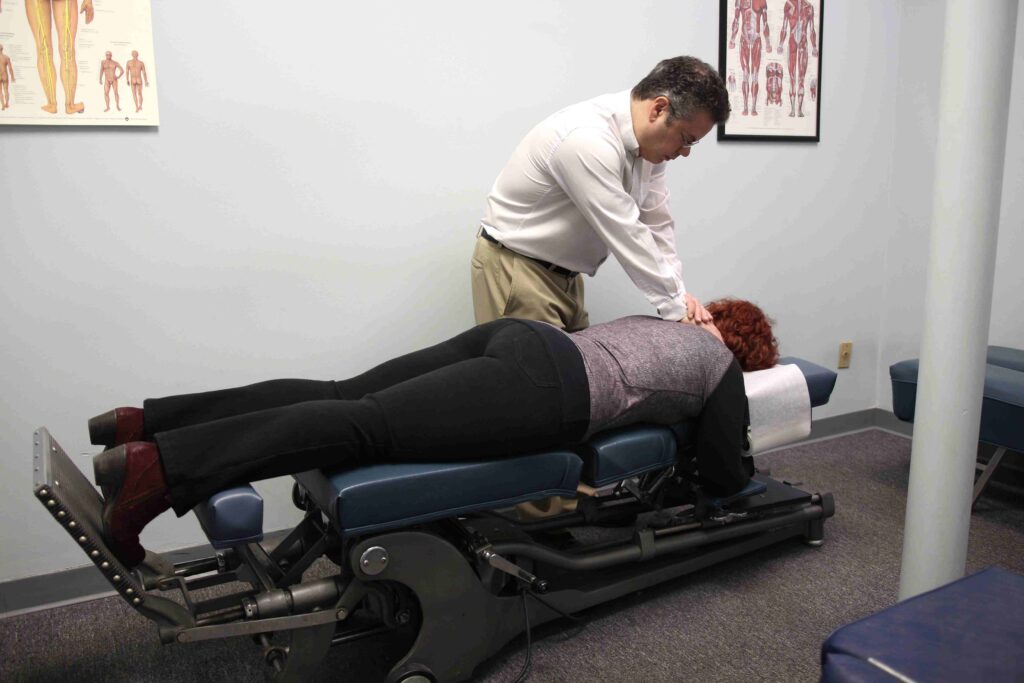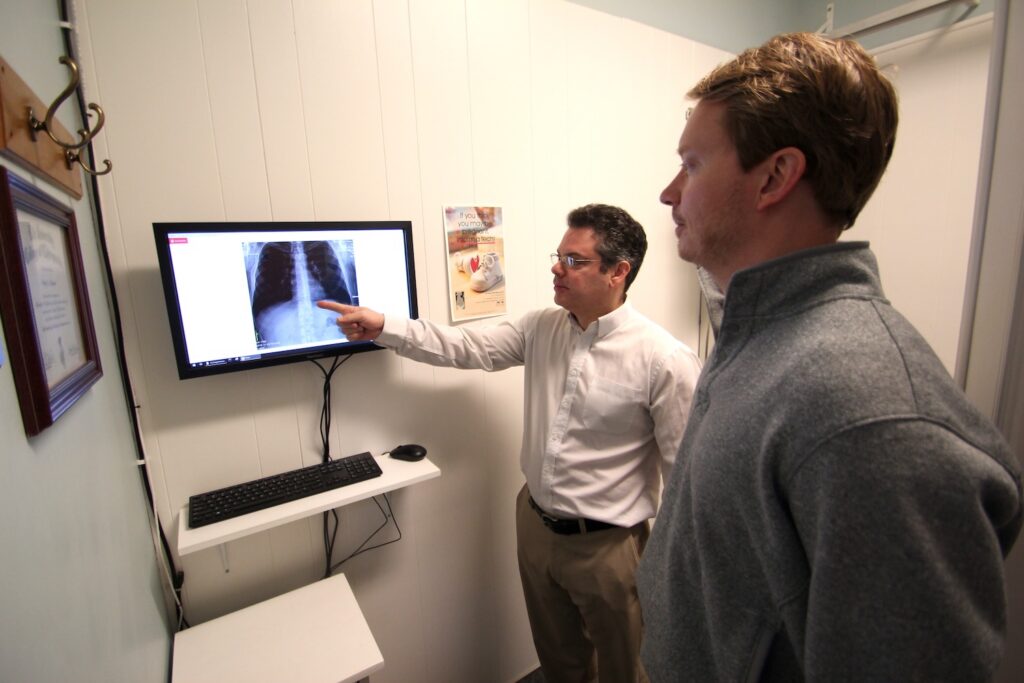

If you're dealing with chronic pain, you may already be aware of its impact on your daily life. Many have sought relief through various treatments, only to find themselves still struggling with discomfort. As a local chiropractor, I want to emphasize that effective pain relief often requires a holistic approach. Chiropractic care, combined with lifestyle modifications, can provide a pathway to healing that you might not have considered.
Chiropractic adjustments focus on aligning the spine and improving nervous system function, which can lead to significant improvements in pain levels. But that's just one piece of the puzzle. Incorporating exercise, nutrition, and stress management into your routine can also play a crucial role in your recovery process.
I invite you to explore these options with me. Together, we can discover the combination of chiropractic care and natural healing that will truly make a difference in your life. Let's work together to break the cycle of pain and regain your well-being!
Understanding Chronic Pain
Chronic pain isn't merely a symptom; it's a multifaceted condition that can significantly influence every part of your life. As a chiropractor, I often see patients who are dealing with not only physical discomfort but also emotional distress and a constant feeling of fatigue. This type of pain persists well beyond the typical healing timeframe, sometimes lingering for months or even years. It can arise from various sources, including injuries, illnesses, or even psychological factors.
It's important to understand that chronic pain can dramatically change your daily routines and affect your mental health. You may find that simple tasks become daunting challenges, leading to feelings of frustration and isolation. Additionally, your relationships might take a hit, as family and friends may struggle to fully grasp what you're experiencing.
The role of the brain in pain perception is crucial. It doesn't just respond to physical injuries; it also processes emotional and psychological signals. This means that your mindset can greatly influence how you perceive pain. Factors like stress, anxiety, or depression can intensify your pain, creating a challenging cycle that can be hard to escape.
As you explore pain management options, it's essential to know that what works for one person may not work for another. This individuality highlights the importance of understanding your unique experience with pain.
At our chiropractic practice, we focus on personalized care that aligns with your specific needs. Through natural healing techniques, we aim to help you find effective strategies for managing your pain and improving your overall well-being. Together, we can work toward a healthier, pain-free life.
Medical Treatments and Medications
Managing chronic pain is a journey that can benefit greatly from a holistic approach, and as a chiropractor, I believe in the power of natural healing alongside medical treatments.
It's important to work closely with your healthcare provider to explore the best options tailored to your unique situation. While traditional medications like nonsteroidal anti-inflammatory drugs (NSAIDs) such as ibuprofen or naproxen can offer relief for mild to moderate pain, there are alternative methods that can complement these treatments effectively.
For more severe pain, some may consider opioids, like morphine or oxycodone, but these come with risks including dependency. As a chiropractor, I encourage exploring other avenues first, focusing on natural methods that can address the root cause of your pain.
Chiropractic care can play a vital role in managing chronic pain by improving spinal alignment and mobility, which can reduce nerve irritation and muscle tension.
Regular adjustments can help restore proper function to your musculoskeletal system, promoting healing without the side effects often associated with medications.
In addition to chiropractic adjustments, I often recommend exercises and stretches that strengthen the muscles surrounding the affected area, improving stability and reducing pain over time.
Techniques such as massage therapy or acupuncture can also be beneficial in enhancing circulation and relieving muscle tension.
Furthermore, many patients find relief with topical treatments like creams containing lidocaine or capsaicin, which can be applied directly to the painful area for localized relief.
It's essential to consider these options as part of a comprehensive pain management plan.
Lastly, if inflammation is a significant issue, I may suggest working with your healthcare provider on dietary changes or natural supplements that can help reduce inflammation in the body.
Physical Therapy Techniques
As a local chiropractor, I want to share how chiropractic care can significantly aid in your recovery from chronic pain by emphasizing natural healing through movement and function. Our techniques are designed to help you regain strength, flexibility, and overall mobility—key components in alleviating discomfort and enhancing your quality of life.
One of the primary methods we use is spinal manipulation, where I employ precise hands-on techniques to adjust misalignments in your spine and joints. This not only alleviates tension but also improves your range of motion, allowing your body to function more optimally.
Alongside this, we focus on therapeutic exercises tailored specifically to your unique needs. These exercises will help strengthen your muscles, boost your endurance, and enhance your physical condition.
In addition to adjustments and exercises, incorporating stretching routines is crucial. Stretching helps maintain flexibility, reduces stiffness, and acts as a preventative measure against future injuries. I may also use supportive modalities like heat and cold therapy, which can further relieve pain and promote healing in your tissues.
Posture training is another essential aspect of chiropractic care. Learning to maintain proper posture during your daily activities can significantly reduce strain on your body and lower the risk of aggravating your pain.
Education plays a vital role in your healing process as well. By understanding your condition and the mechanics of pain, you become empowered to better manage your symptoms.
I'm here to work closely with you, providing guidance and support throughout your journey towards wellness. Together, we can explore the natural healing benefits of chiropractic care and help you regain a pain-free, active lifestyle.
Alternative Therapies
As your local chiropractor, I want to share some insights into alternative therapies that can enhance your journey towards relief from chronic pain. These approaches focus on treating the entire person, not just the symptoms, and can work beautifully alongside chiropractic care to improve your overall well-being.
Here are a few popular alternative therapies you might find beneficial:
- Acupuncture: This ancient practice involves the insertion of fine needles at specific points on the body. It can help release endorphins and improve the flow of energy, which may alleviate pain and promote healing.
- Massage Therapy: A hands-on approach that relaxes muscles, reduces tension, and enhances circulation. Many patients report immediate relief from their discomfort after a session.
- Herbal Remedies: Incorporating certain herbs, such as turmeric and ginger, into your diet can harness their natural anti-inflammatory properties, potentially easing pain and discomfort.
- Yoga: This holistic practice combines physical postures, breathing techniques, and meditation, which can improve flexibility, reduce stress, and aid in pain management.
- Biofeedback: This technique empowers you to gain control over physiological functions like heart rate and muscle tension, enabling you to better manage your pain.
By integrating these alternative therapies into your routine, you can adopt a more holistic approach to managing chronic pain.
While these therapies aren't meant to replace traditional treatments, they can complement them and help you feel more empowered in your healing journey.
Always consult with a healthcare professional before starting any new therapy to ensure it's suitable for your specific condition.
Together, we can explore these options and help you take an active role in your health, seeking the relief you truly deserve.
Mindfulness and Mental Health
As a local chiropractor, I want to share with you the vital connection between mindfulness and mental health, particularly when it comes to managing chronic pain. Many of my patients aren't aware that practicing mindfulness can significantly enhance their overall well-being. By developing a deeper awareness of your thoughts and feelings, you can approach your pain with a more balanced perspective. Instead of allowing discomfort to overwhelm you, mindfulness teaches you to observe it without judgment, which can lessen its emotional toll.
Incorporating mindfulness techniques, such as meditation or focused breathing, into your daily routine can create a mental space that allows you to detach from pain. This mental distance can alleviate the anxiety and stress that often accompany chronic conditions. You may find that by simply acknowledging your pain and accepting it without resistance, you can actually reduce its intensity and cultivate a sense of calm.
As you integrate mindfulness into your life, you'll likely notice patterns in your pain and emotional responses. This heightened awareness empowers you to address these patterns proactively, leading to improved emotional regulation. You'll find it easier to navigate the ups and downs of living with chronic pain, which is key to your healing journey.
Mindfulness also promotes self-compassion. By accepting your situation without falling into harsh self-criticism, you can foster a kinder relationship with yourself. This shift in perspective can have a profound impact on your mental health, helping you maintain a positive outlook despite the challenges you face.
Ultimately, embracing mindfulness isn't just about managing pain; it's about nurturing your overall mental well-being. As your chiropractor, I encourage you to explore the benefits of mindfulness as part of your journey toward a healthier, more balanced life. Together, we can work on strategies that incorporate both chiropractic care and mindfulness to support your healing process.
Lifestyle Modifications
As a chiropractor, I want to emphasize the importance of making intentional lifestyle modifications to effectively manage chronic pain. By integrating certain habits into your daily routine, you can create a more supportive environment for your overall health and well-being.
Here are some key modifications that I encourage my patients to consider:
- Regular Exercise: Engaging in low-impact activities, such as walking, swimming, or yoga, is essential. These exercises not only improve flexibility but also help in reducing pain and enhancing your overall physical condition.
- Sleep Hygiene: It's crucial to prioritize a consistent sleep schedule. Creating a restful environment can significantly enhance your sleep quality, which is vital for managing pain. A well-rested body can better cope with discomfort.
- Stress Management: Incorporating relaxation techniques like deep breathing, meditation, or tai chi into your routine can greatly reduce stress. Managing stress is key, as it can exacerbate pain levels and hinder your healing process.
- Ergonomic Adjustments: Assessing your work and home environments is vital. Making ergonomic adjustments, such as using supportive furniture and maintaining proper posture, can minimize strain on your body and prevent pain from worsening.
- Social Connections: Don't underestimate the power of social support. Surrounding yourself with friends and family who are understanding and encouraging can significantly boost your mood and resilience when dealing with pain.
By implementing these lifestyle modifications, you can complement your chiropractic care and work towards a healthier, pain-free life.
Nutrition and Pain Management
As your local chiropractor, I want to emphasize the importance of nutrition in managing chronic pain, alongside the lifestyle modifications we discuss during your visits. What you eat has a profound effect not just on your overall health, but specifically on inflammation levels within your body, which can directly influence your pain experience.
By incorporating anti-inflammatory foods into your diet, you can help alleviate discomfort and enhance your quality of life.
Let's start by focusing on whole, unprocessed foods. Fruits and vegetables are rich in antioxidants and phytochemicals that fight inflammation. For example, berries, leafy greens, and fatty fish like salmon are fantastic options.
These foods are loaded with essential nutrients that support your immune system and promote healing, both of which are vital for your recovery.
I also want to highlight the importance of healthy fats in your diet. Omega-3 fatty acids, which you can find in fish, walnuts, and flaxseeds, are known for their ability to alleviate pain by reducing inflammation.
In contrast, it's wise to limit your intake of processed foods, sugar, and refined carbohydrates. These can trigger inflammation and potentially worsen your pain.
Hydration plays a crucial role as well. Drinking plenty of water helps eliminate toxins from your body and can ward off discomfort related to dehydration.
Additionally, herbal teas, such as ginger or turmeric, can provide additional anti-inflammatory benefits that complement your overall treatment plan.
I recommend keeping a food diary to track your intake and observe how different foods affect your pain levels. This can help you identify patterns and make informed dietary choices.
By paying close attention to your nutrition, you can take proactive steps in managing chronic pain more effectively.
Support and Community Resources
As a local chiropractor, I understand that navigating the journey of managing chronic pain can be challenging. One of the most important steps you can take is to explore the various support and community resources available to you. Connecting with others who share similar experiences can provide not only emotional relief but also practical guidance.
Here are some resources that I believe can greatly benefit you:
- Support Groups: Look for local or online support groups where individuals come together to share their experiences and coping strategies. These groups can help you feel understood and less alone in your journey.
- Pain Management Clinics: Consider visiting specialized clinics that focus on holistic approaches to pain management. Many of these clinics offer a combination of chiropractic care, therapy, and medication management tailored to your needs.
- Counseling Services: Talking to a therapist who specializes in chronic pain can be invaluable. They can assist you in addressing the emotional aspects of pain and help you develop coping mechanisms.
- Online Forums: Engaging in online forums dedicated to chronic pain can also be beneficial. These platforms allow you to ask questions, share tips, and learn from the experiences of others.
- Local Nonprofits: Seek out organizations in your community that support chronic pain sufferers. These nonprofits often host workshops and events that can provide education and a sense of belonging.
Don't underestimate the impact of community support. Finding individuals who truly understand your journey can lead to essential insights and encouragement.
Many patients find comfort in sharing their stories and discovering what strategies have worked for others, which can help reduce feelings of isolation.
Incorporating these resources into your life can empower you to take an active role in your pain management. Whether you prefer face-to-face meetings or the convenience of online interactions, there's a wealth of support available.
Conclusion
As your local chiropractor, I want to share how a holistic approach can significantly aid in managing chronic pain. Many people are unaware of the benefits of chiropractic care and how it can be an integral part of your pain relief strategy. By combining chiropractic adjustments with medical treatments, physical therapy, and alternative therapies, you can create a personalized relief plan that suits your specific needs.
Additionally, don't overlook the importance of mindfulness practices, proper nutrition, and a strong support system. These factors can greatly enhance your emotional resilience and overall well-being. With the right combination of strategies in place, you can improve your daily functioning and elevate your quality of life. I encourage you to explore the various options available, including chiropractic care, and take proactive steps to regain control over your pain.