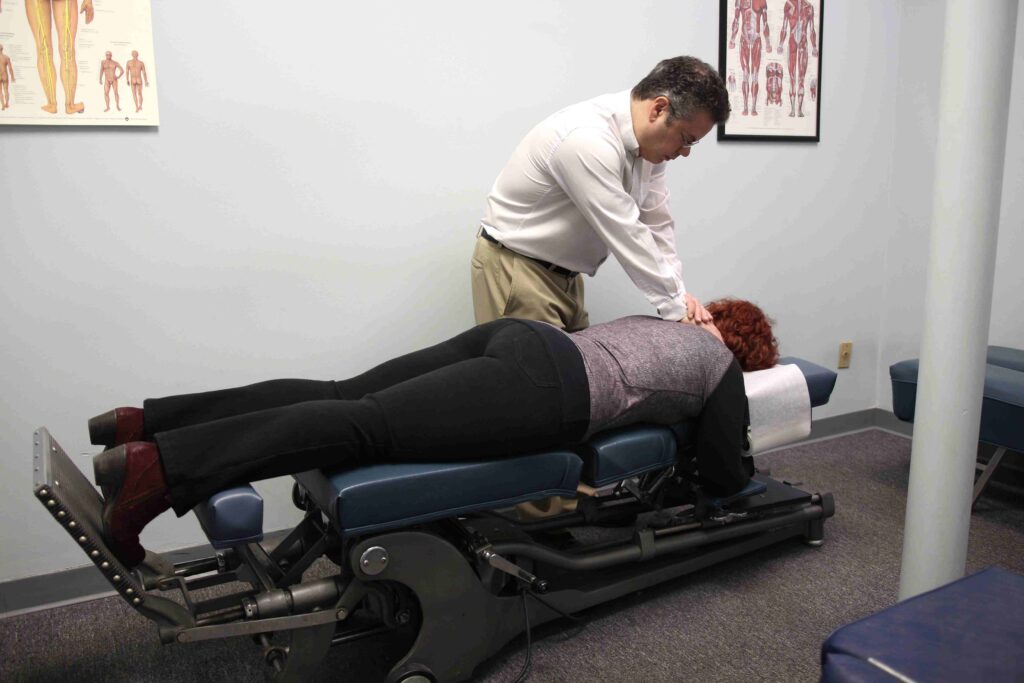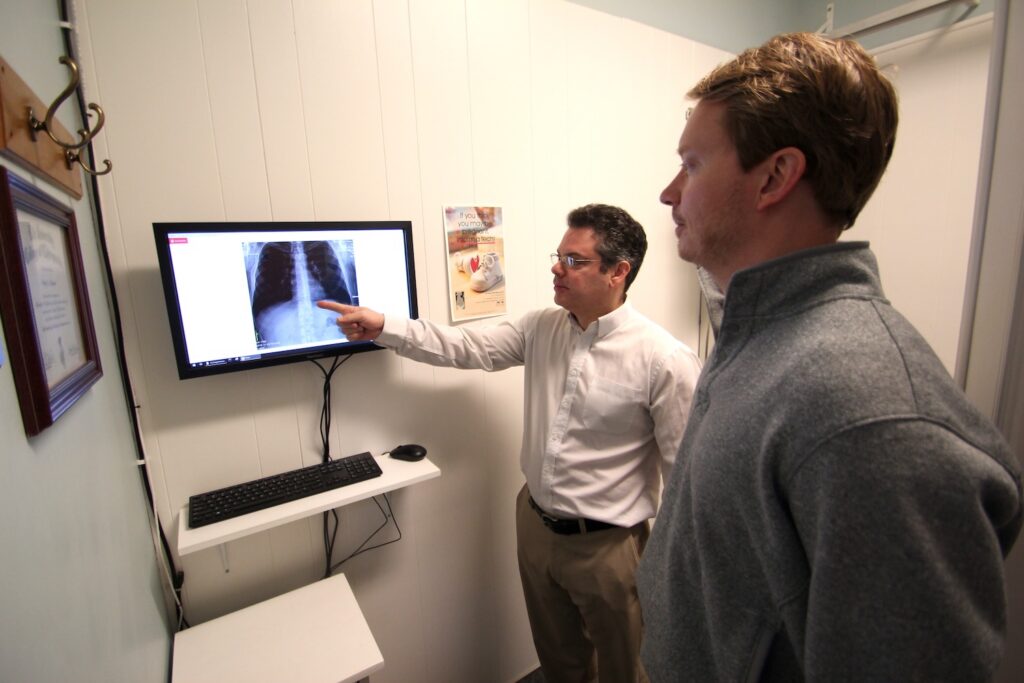

You might underestimate the importance of flexibility, but it plays a vital role in your overall well-being and physical performance. By integrating effective care solutions like targeted stretching routines and mindful practices, you can enhance your body's range of motion and prevent injuries. Consider how simple adjustments, such as incorporating a few minutes of dynamic warm-ups before workouts, can make a difference. Curious about how far a consistent approach can take you?
Understanding Flexibility
Flexibility isn't just about how far you can stretch; it's a crucial aspect of your overall physical health. It refers to your muscles' ability to lengthen and your joints' capacity to move freely through their range of motion. Understanding flexibility is essential because it affects your daily activities, athletic performance, and injury prevention.
When you think about flexibility, consider how it impacts your body mechanics. If you're tight in certain areas, like your hips or shoulders, it can lead to compensatory movements, which may result in strain or injury over time. You might find that simple tasks, such as bending to tie your shoes or reaching for something on a high shelf, become more challenging when your flexibility is limited.
Flexibility varies from person to person due to factors like age, genetics, and activity level. Some people naturally have more flexible joints, while others might need to work harder to achieve the same range of motion. That's where understanding your own body comes into play.
To improve your flexibility, start by incorporating regular stretching routines into your daily life. This doesn't mean you need to become a gymnast; even simple stretches can yield significant benefits. Focus on the major muscle groups, and remember to listen to your body.
Pushing yourself too hard can lead to injury, so take it slow and steady. By prioritizing flexibility, you'll enhance your overall physical well-being and set the foundation for better movement in all aspects of life.
Benefits of Stretching
Incorporating regular stretching into your routine can lead to numerous benefits for your body and mind. First and foremost, stretching increases your flexibility. As your muscles lengthen and your joints gain a greater range of motion, you'll notice improved performance in various physical activities, whether it's running, dancing, or even everyday tasks like bending to pick something up.
Stretching also plays an essential role in injury prevention. By warming up your muscles and preparing them for activity, you reduce the risk of strains and sprains. It's like giving your body a heads-up before it tackles a workout or physical challenge.
Plus, maintaining good flexibility can help alleviate muscle soreness after exercising, allowing you to recover faster.
Beyond the physical advantages, stretching has positive effects on your mental well-being. It promotes relaxation and reduces stress, which can be especially beneficial during a hectic day. Taking just a few moments to stretch can clear your mind and enhance your focus.
You might find that it helps you feel more energized and ready to tackle your to-do list.
Additionally, regular stretching improves blood circulation, which is essential for delivering oxygen and nutrients to your muscles. Better circulation can lead to improved overall health, making you feel more vibrant and active.
With all these benefits, it's clear that making stretching a part of your daily routine can greatly enhance your quality of life. So why not start today? Your body and mind will thank you!
Effective Stretching Techniques
Stretching effectively requires a mindful approach to confirm you're getting the most out of each movement. To begin, focus on your breathing. Inhale deeply as you prepare for each stretch, and exhale slowly while you hold the position. This helps you relax and enhances blood flow to your muscles.
Next, use dynamic stretches before engaging in any physical activity. These involve controlled movements that increase your range of motion. For instance, arm circles or leg swings can effectively warm up your muscles and joints. Aim for about 10–15 repetitions for each movement.
Once you're warmed up, incorporate static stretches to improve flexibility. Hold each stretch for 15–30 seconds without bouncing. For example, try a standing quadriceps stretch by pulling your heel toward your glutes. Confirm you keep your knees close together to maximize the stretch. Remember to switch sides!
Don't overlook the importance of targeting all major muscle groups. Stretch your hamstrings, calves, back, shoulders, and hip flexors to maintain balance and avoid injuries.
It's also essential to listen to your body. If you feel sharp pain, ease off the stretch immediately. You should feel tension but not discomfort. Consistency is key; aim to stretch at least three times a week to notice improvement.
Finally, consider incorporating partner stretches for enhanced results. Having someone assist you can deepen the stretch, but confirm you communicate and respect each other's limits.
Incorporating Mobility Work
While effective stretching lays the groundwork for improved flexibility, mobility work takes it a step further by enhancing your joint function and movement patterns. This type of training focuses on the full range of motion in your joints, helping you move more efficiently and comfortably throughout your daily activities.
By incorporating mobility work into your routine, you'll not only boost your flexibility but also reduce the risk of injury and improve overall performance.
Here are some ways to incorporate mobility work into your regimen:
- Dynamic Warm-Ups: Engage in movements like leg swings or arm circles to prepare your body for activity.
- Joint-Specific Exercises: Target areas like hips, shoulders, and ankles with exercises designed to improve their range of motion, such as hip openers and thoracic rotations.
- Foam Rolling: Use a foam roller to release tight muscles and improve tissue quality, which enhances mobility and flexibility.
- Controlled Articular Rotations (CARs): Perform slow, controlled movements through your joints' full range to maintain and improve mobility.
Self-Care Practices for Flexibility
Self-care practices are essential for enhancing flexibility and maintaining a healthy range of motion. Incorporating these practices into your daily routine can make a significant difference in how your body feels and performs.
Stretching is one of the most effective ways to improve flexibility. Aim to include dynamic stretches before your workouts to warm up your muscles and static stretches afterward to cool down. Hold each stretch for 15-30 seconds to allow your muscles to relax and lengthen.
Yoga and Pilates are excellent self-care options that focus on flexibility, strength, and balance. Consider taking a class or following online tutorials to help you learn various poses and techniques. Not only do these practices promote flexibility, but they also help reduce stress and increase mindfulness.
Foam rolling is another valuable self-care practice. By using a foam roller, you can release tension in your muscles and fascia, which can enhance your overall flexibility. Spend a few minutes rolling out tight areas, focusing on your hamstrings, quadriceps, and calves.
Hydration plays an important role in maintaining flexibility too. When you're well-hydrated, your muscles and joints function more efficiently. Aim to drink plenty of water throughout the day, especially before and after exercising.
Lastly, listen to your body. If you feel tightness or discomfort, don't push through it. Instead, take a break or modify your routine.
Conclusion
Incorporating these effective care solutions into your routine can greatly boost your flexibility. By understanding the importance of stretching, practicing different techniques, and embracing mobility work, you'll notice improvements in your overall movement. Don't forget to prioritize self-care practices like yoga, foam rolling, and hydration to support your journey. Remember to listen to your body and enjoy the process. With dedication, you'll achieve greater flexibility and reap the benefits in your daily life.