

If you’re considering chiropractic care for back pain, you might be wondering what actually happens during an adjustment. Maybe you’ve heard stories from friends, seen videos online, or simply feel curious—and perhaps a little nervous—about the process. That’s completely normal. At Chiropractic Fitness in Charlotte, NC, we believe that understanding what to expect can ease anxiety and help you feel more comfortable walking through our doors. In this article, we’ll walk you through the most common chiropractic techniques used for back pain, explain what each adjustment feels like, and help you prepare for your first visit. Whether you’re dealing with chronic lower back discomfort, muscle tension, or acute pain from an injury, knowing the process ahead of time can make all the difference in your care experience.
What is a chiropractic adjustment for back pain?
A chiropractic adjustment, also called spinal manipulation, is a controlled, precise force applied to a spinal joint to restore proper movement and alignment. The goal is to reduce pain, improve function, and help your body heal naturally without drugs or surgery. Chiropractors use their hands or specialized instruments to gently move joints through their natural range of motion, addressing restrictions that contribute to discomfort and dysfunction.
Table of Contents
- Why Back Pain Happens and How Adjustments Help
- Common Chiropractic Techniques for Back Pain
- What to Expect During Your First Adjustment
- What Does an Adjustment Feel Like?
- What Happens After Your Adjustment
- Is Chiropractic Adjustment Safe?
- Practical Tips for Preparing for Your Adjustment
- When to See a Chiropractor for Back Pain
- Myths vs. Facts About Chiropractic Adjustments
- Final Thoughts from Chiropractic Fitness
Why Back Pain Happens and How Adjustments Help
Back pain is one of the most common reasons people seek chiropractic care, and for good reason. According to the World Health Organization, low back pain is the leading cause of disability worldwide. Here in Charlotte, NC, we see patients from all walks of life—office workers, construction professionals, athletes, parents, and retirees—all dealing with back pain from various causes.
Your spine is a complex structure of bones, discs, muscles, ligaments, and nerves working together to support your body and protect your spinal cord. When one component isn’t functioning properly, it can create a ripple effect throughout your entire system. Common causes of back pain include poor posture, repetitive movements, heavy lifting, muscle imbalances, injuries from falls or accidents, and degenerative changes that come with aging.
Chiropractic adjustments address joint restrictions or misalignments, often called subluxations in chiropractic terminology. When a spinal joint doesn’t move correctly, it can irritate nearby nerves, cause muscle tension, and create inflammation. An adjustment restores proper motion to that joint, which can reduce nerve irritation, decrease muscle spasm, and allow your body’s natural healing mechanisms to work more effectively.
Research published in the Spine Journal and supported by organizations like the American Chiropractic Association suggests that spinal manipulation can be an effective treatment for acute and chronic low back pain. The American College of Physicians also recommends non-pharmacological treatments, including spinal manipulation, as a first-line approach for low back pain before considering medication.

Common Chiropractic Techniques for Back Pain
Not all chiropractic adjustments are the same. At Chiropractic Fitness, we tailor our approach to each patient’s specific condition, comfort level, and health goals. Here are the most common techniques you might experience during a back pain adjustment:
Diversified Technique
This is the most widely used chiropractic technique and what most people picture when they think of an adjustment. The chiropractor uses their hands to apply a quick, controlled thrust to a specific vertebra. You might hear a popping or cracking sound, which is simply gas bubbles releasing from the joint—similar to cracking your knuckles. The diversified technique is highly effective for restoring joint mobility and is often used for lower back pain, mid-back discomfort, and general spinal issues.
Gonstead Technique
The Gonstead method involves very specific analysis and adjustment of individual vertebrae. Your chiropractor will carefully examine your spine using palpation, x-rays if needed, and other assessment tools to identify the exact location of the problem. The adjustment itself is precise and targeted, focusing only on the affected area rather than the entire spine. Many patients appreciate this technique because it’s extremely specific and avoids unnecessary manipulation of healthy joints.
Activator Method
If you’re nervous about the traditional “popping” adjustment, the activator technique might be right for you. This approach uses a small, hand-held instrument called an activator that delivers a gentle, low-force impulse to the spine. It’s quick, controlled, and often preferred by patients who are anxious, have osteoporosis, or simply want a lighter-touch approach. The activator is particularly useful for older adults and those with acute pain sensitivity.
Flexion-Distraction
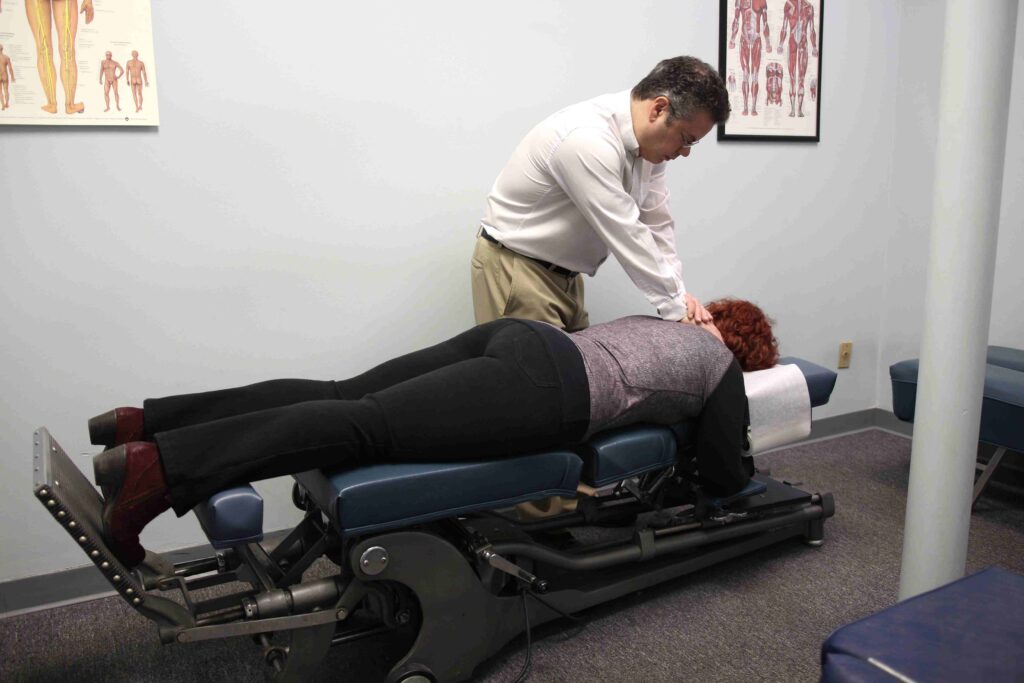
This gentle, non-thrusting technique is especially beneficial for patients with disc problems, sciatica, or spinal stenosis. You’ll lie face-down on a special table that moves in a rhythmic pumping motion. The chiropractor uses the table’s motion along with gentle pressure to stretch the spine, decompress the discs, and reduce pressure on nerves. Many patients find this technique very comfortable and relaxing.
Drop Table Technique
This method uses a specialized table with sections that drop slightly when the chiropractor applies a quick thrust. The dropping motion assists the adjustment, requiring less force than traditional manual techniques. It’s effective and often feels gentler than standard adjustments while still achieving excellent results for back pain.
Sacro-Occipital Technique (SOT)
SOT focuses on the relationship between the pelvis and the head, using padded wedges placed under the pelvis to allow gravity to help correct alignment. It’s a very gentle approach that doesn’t involve twisting or popping. This technique is particularly helpful for patients with pelvic misalignment contributing to lower back pain.
What to Expect During Your First Adjustment
Walking into a chiropractic office for the first time can feel intimidating, but knowing what to expect can help you feel more prepared and relaxed.
Initial Consultation and Exam
Your first visit to Chiropractic Fitness in Charlotte will begin with a thorough consultation. We’ll ask about your health history, current symptoms, what makes your pain better or worse, and your daily activities. This conversation helps us understand not just your back pain, but you as a whole person. We’ll perform a physical examination that may include assessing your posture, testing your range of motion, checking reflexes, and palpating your spine to identify areas of restriction or tenderness.
Explanation and Treatment Plan
Before any adjustment, your chiropractor will explain what they found during the exam and what technique they recommend. You should never feel rushed into treatment. At Chiropractic Fitness, we believe in informed consent—you have the right to ask questions, express concerns, and understand exactly what will happen. We’ll discuss your treatment plan, including how many visits we anticipate you might need and what you can expect in terms of progress.
The Adjustment Itself
When it’s time for your adjustment, you’ll be positioned on a chiropractic table—either face-down, on your side, or in a seated position depending on the technique being used. Your chiropractor will position their hands on the specific area that needs adjustment. You might be asked to take a deep breath and relax. The actual adjustment happens quickly, usually taking just a few seconds per area.
The entire appointment typically lasts 15 to 30 minutes for follow-up visits, though your first visit will be longer due to the consultation and examination process.
What Does an Adjustment Feel Like?
This is one of the most common questions we hear at our Charlotte practice. The honest answer is that it varies from person to person and depends on the technique used.
Most patients describe the sensation as relief. You might feel pressure as the chiropractor positions their hands, followed by a quick thrust or movement. Many people experience an immediate sense of release or loosening in the adjusted area. Some patients report feeling taller or more aligned right away.
The popping or cracking sound can be surprising the first time you hear it, but it’s not your bones cracking. The sound comes from the release of gas bubbles in the joint fluid—a process called cavitation. It’s the same sound you hear when you crack your knuckles and is completely harmless. Not every adjustment produces this sound, and hearing it doesn’t necessarily mean the adjustment was more or less effective.
Some patients feel slight discomfort during the adjustment, similar to the pressure you might feel during a deep tissue massage. This is normal, especially if the area being adjusted is very tight or inflamed. However, the adjustment should never be painful. If you experience sharp pain during an adjustment, tell your chiropractor immediately so they can modify the technique or pressure.
After the adjustment, many patients feel immediate relief and increased mobility. You might notice you can turn your head further, bend more easily, or that the sharp pain you came in with has diminished or disappeared. Some people feel energized, while others feel relaxed and even a bit sleepy.
What Happens After Your Adjustment
Understanding what’s normal after an adjustment helps you know what to expect and when to reach out if you have concerns.
Immediate Aftereffects
Many patients walk out of Chiropractic Fitness feeling better immediately. You might notice reduced pain, improved movement, or a general sense of relaxation. It’s common to feel lighter, more balanced, or simply more comfortable in your body.
Temporary Soreness
Some patients experience mild soreness in the adjusted area for 24 to 48 hours after their first few adjustments. This is similar to the soreness you might feel after starting a new exercise routine. Your body is adjusting to improved alignment and movement patterns. This soreness is typically mild and resolves quickly. Applying ice for 10 to 15 minutes can help if you experience discomfort.
Increased Awareness
After an adjustment, you might become more aware of your body and posture. Patients often notice when they’re slouching or holding tension in ways they didn’t before. This increased body awareness is actually beneficial and can help you make better choices throughout your day.
Ongoing Improvement
While some people feel immediate relief, chiropractic care often works cumulatively. Each adjustment builds on the previous one, gradually restoring proper function and reducing pain. Your chiropractor will monitor your progress and adjust your treatment plan as needed.
Is Chiropractic Adjustment Safe?
Safety is understandably a top concern for anyone considering chiropractic care. The good news is that chiropractic adjustments are widely recognized as safe when performed by a licensed, trained chiropractor.
Serious complications from chiropractic adjustments are extremely rare. Research indicates that the risk of serious adverse events from spinal manipulation for low back pain is very low. The most common side effects are minor and temporary, such as mild soreness or fatigue.
At Chiropractic Fitness in Charlotte, NC, safety is our top priority. We conduct thorough examinations before any treatment, screen for contraindications, and modify techniques based on your individual needs. Certain conditions may require a gentler approach or different treatment altogether, which is why your initial consultation and exam are so important.
Chiropractic care is generally considered safer than many conventional treatments for back pain. When compared to the risks associated with long-term pain medication use or invasive surgical procedures, conservative chiropractic care presents a favorable risk-benefit profile for most patients.

Practical Tips for Preparing for Your Adjustment
Here are some practical recommendations to help you get the most out of your chiropractic adjustment:
Wear Comfortable Clothing: Choose loose-fitting, comfortable clothes that allow you to move easily. You won’t need to change into a gown—most adjustments can be performed while you’re fully dressed. Avoid tight jeans or restrictive clothing that might limit your movement on the adjustment table.
Stay Hydrated: Drinking plenty of water before and after your adjustment helps your body process the changes and can reduce post-adjustment soreness. Well-hydrated tissues and joints respond better to treatment.
Arrive a Few Minutes Early: Give yourself time to complete any necessary paperwork and relax before your appointment. Rushing in stressed and tense can make it harder for your muscles to relax during the adjustment.
Communicate Openly: Tell your chiropractor about all your symptoms, concerns, and any changes since your last visit. Mention if you’re feeling anxious or have questions. The more your chiropractor knows, the better they can tailor your care.
Follow Post-Adjustment Recommendations: Your chiropractor might suggest ice, heat, specific stretches, or activity modifications after your adjustment. Following these recommendations can enhance your results and speed your recovery.
Avoid Strenuous Activity Immediately After: While you don’t need to take the day off, it’s wise to avoid heavy lifting, intense workouts, or prolonged sitting immediately after your first few adjustments. Give your body time to integrate the changes.
Keep Your Follow-Up Appointments: Consistency matters in chiropractic care. One adjustment might provide relief, but addressing the underlying problem often requires a series of treatments. Trust the process and stick with your recommended treatment plan.
When to See a Chiropractor for Back Pain
Knowing when to seek chiropractic care can help you address problems before they become chronic or debilitating.
Good Times to Schedule an Appointment
Consider seeing a chiropractor if you experience persistent back pain lasting more than a few days, pain that interferes with daily activities or sleep, stiffness that limits your movement, pain that radiates into your legs or buttocks, or recurring back pain that comes and goes. You don’t need to wait until your pain is severe. Many patients find that addressing minor discomfort early prevents it from developing into a more serious problem.
Here in Charlotte, we also see many patients who come in for preventive care or maintenance adjustments. You don’t have to be in pain to benefit from chiropractic care. Regular adjustments can help maintain proper spinal function, improve posture, and support overall wellness.
Warning Signs That Need Immediate Medical Attention
While chiropractic care is appropriate for most musculoskeletal back pain, certain symptoms require immediate medical evaluation. Seek emergency care if you experience loss of bladder or bowel control, progressive leg weakness, numbness in the groin or inner thighs, severe pain after a significant trauma or fall, back pain accompanied by unexplained fever, or pain that worsens dramatically despite rest.
At Chiropractic Fitness, we’re trained to recognize these red flags during our examination. If we identify anything concerning that falls outside the chiropractic scope of practice, we’ll refer you to the appropriate medical specialist. Your health and safety always come first.
Comparison of Common Chiropractic Techniques
| Technique | Method | Best For | What It Feels Like |
|---|---|---|---|
| Diversified | Manual thrust with hands | General back pain, joint restrictions | Quick pressure, often with popping sound |
| Gonstead | Specific, targeted manual adjustment | Precise spinal issues, lower back pain | Controlled pressure on specific vertebra |
| Activator | Handheld instrument delivers impulse | Nervous patients, osteoporosis, gentle needs | Quick, light clicking sensation |
| Flexion-Distraction | Special table with rhythmic movement | Disc problems, sciatica, stenosis | Gentle stretching, often relaxing |
| Drop Table | Table sections drop during thrust | Various back conditions | Gentle drop sensation, less force needed |
| SOT | Wedges and positioning | Pelvic issues, gentle correction | Passive, comfortable, no popping |
Myths vs. Facts About Chiropractic Adjustments
Myth: Once You Start Chiropractic Care, You Have to Keep Going Forever
Fact: This is one of the most persistent misconceptions about chiropractic care. While some patients choose ongoing maintenance care because they feel better and want to maintain their results, you’re never locked into treatment. At Chiropractic Fitness, we create individualized treatment plans with clear goals. Once you’ve achieved those goals, you can choose whether to continue with periodic maintenance visits or simply return if symptoms recur. The choice is always yours.
Myth: Chiropractic Adjustments Are Dangerous
Fact: When performed by a licensed chiropractor, adjustments are remarkably safe. Serious complications are extremely rare, and the risk is significantly lower than the risks associated with long-term medication use or surgery. Chiropractors undergo extensive training—typically four years of doctoral-level education—specifically in spinal manipulation and musculoskeletal care. We’re trained to identify contraindications and modify techniques appropriately.
Myth: The Popping Sound Is Your Bones Cracking
Fact: The popping or cracking sound you hear during an adjustment is not your bones breaking or cracking. It’s the release of gas bubbles from the joint fluid, a harmless process called cavitation. The same thing happens when you crack your knuckles. The sound doesn’t indicate whether the adjustment was successful—some effective adjustments are completely silent.
Myth: Adjustments Hurt
Fact: Most patients find adjustments comfortable and even relieving. While you might feel pressure or experience brief discomfort if an area is very tight or inflamed, adjustments should not be painful. If you do experience pain during an adjustment, your chiropractor can immediately modify the technique or use a gentler approach. Communication is key—never hesitate to speak up if something doesn’t feel right.
Myth: You Need X-Rays Before Every Adjustment
Fact: X-rays are not necessary for every patient or every visit. Your chiropractor will determine whether imaging is needed based on your history, symptoms, and examination findings. Many patients receive safe, effective care without any x-rays. When imaging is recommended, it’s because it will provide valuable information to guide your treatment plan, not as a routine requirement.
Final Thoughts from Chiropractic Fitness
Understanding what happens during a chiropractic adjustment can transform anxiety into confidence. Here in Charlotte, NC, we’re committed to providing clear, honest information about chiropractic care so you can make informed decisions about your health. At Chiropractic Fitness, we view each adjustment not as a quick fix, but as part of a comprehensive approach to helping your body function at its best.
Back pain doesn’t have to control your life. Whether you’re dealing with a recent injury, chronic discomfort, or simply want to maintain optimal spinal health, chiropractic care offers a safe, non-invasive option that addresses the root cause of your pain rather than just masking symptoms. Every patient is different, and we take the time to understand your unique situation, concerns, and goals.
If you’ve been hesitant about trying chiropractic care, we hope this article has helped demystify the process and answered your questions. We’re here to support you on your journey toward better health, and we’re always happy to discuss any concerns you might have. Your comfort and understanding are just as important as the adjustment itself.
Frequently Asked Questions
How long does a chiropractic adjustment take?
The actual adjustment typically takes only a few minutes, though your entire appointment may last 15 to 30 minutes. Your first visit will be longer—often 45 minutes to an hour—because it includes a consultation, examination, and discussion of your treatment plan.
Will I feel immediate relief after my first adjustment?
Many patients experience some degree of immediate relief, such as reduced pain or improved mobility. However, everyone responds differently. Some people feel significant improvement right away, while others notice gradual progress over several visits. Your chiropractor can give you a better idea of what to expect based on your specific condition.
How many adjustments will I need for my back pain?
The number of adjustments varies based on several factors, including the severity and duration of your pain, your overall health, and how well your body responds to treatment. Acute injuries may resolve in just a few visits, while chronic conditions might require ongoing care. Your chiropractor will discuss a treatment plan with you and adjust it based on your progress.
Can I adjust myself or have a friend adjust me?
No, you should never attempt to adjust yourself or have an untrained person adjust you. Chiropractors spend years learning proper technique, anatomy, and how to perform adjustments safely. Self-manipulation or adjustments by untrained individuals can cause injury. If you’re experiencing discomfort, schedule an appointment with a licensed chiropractor.
Is chiropractic care appropriate for everyone?
Chiropractic care is safe and effective for most people, including children, pregnant women, and older adults. However, certain conditions may require modifications or alternative approaches. Your chiropractor will conduct a thorough examination to determine if chiropractic care is appropriate for you and will refer you to another healthcare provider if needed.
What should I do if I feel sore after my adjustment?
Mild soreness for a day or two after your first few adjustments is normal and usually resolves quickly. Applying ice for 10 to 15 minutes can help reduce discomfort. Stay hydrated, avoid strenuous activity, and gentle movement like walking can actually help. If soreness persists beyond a couple of days or worsens, contact your chiropractor.
TL;DR – Key Takeaways
- Chiropractic adjustments are controlled, precise movements that restore joint function and reduce pain without drugs or surgery
- Multiple techniques exist (Diversified, Gonstead, Activator, Flexion-Distraction, and others) and are tailored to each patient’s needs and comfort level
- Most adjustments are comfortable and may produce a harmless popping sound from gas bubbles releasing in the joint
- Your first visit includes a thorough consultation and examination before any treatment, and you’ll always know what to expect
- Chiropractic adjustments are safe when performed by licensed professionals, with serious complications being extremely rare