Living with scoliosis can feel overwhelming, especially when you’re trying to maintain good posture and keep your spine healthy. Many people in Charlotte struggle with questions about how their spinal curve affects their daily life, whether their posture is making things worse, and what they can actually do to support their spine. The good news is that understanding how scoliosis and posture relate to each other empowers you to make informed decisions about your spinal health. Whether you were diagnosed with scoliosis as a child or you’re noticing changes in your posture as an adult, there are practical steps you can take to support your body and improve your quality of life.
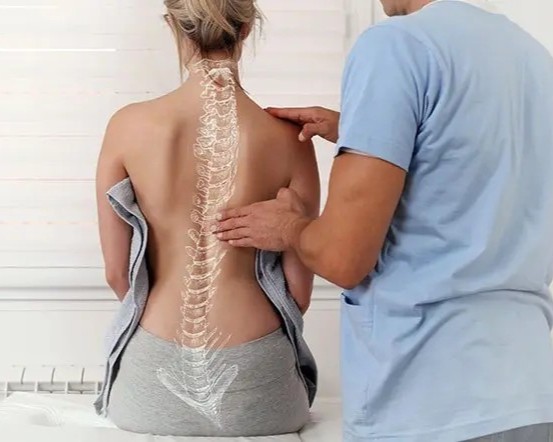
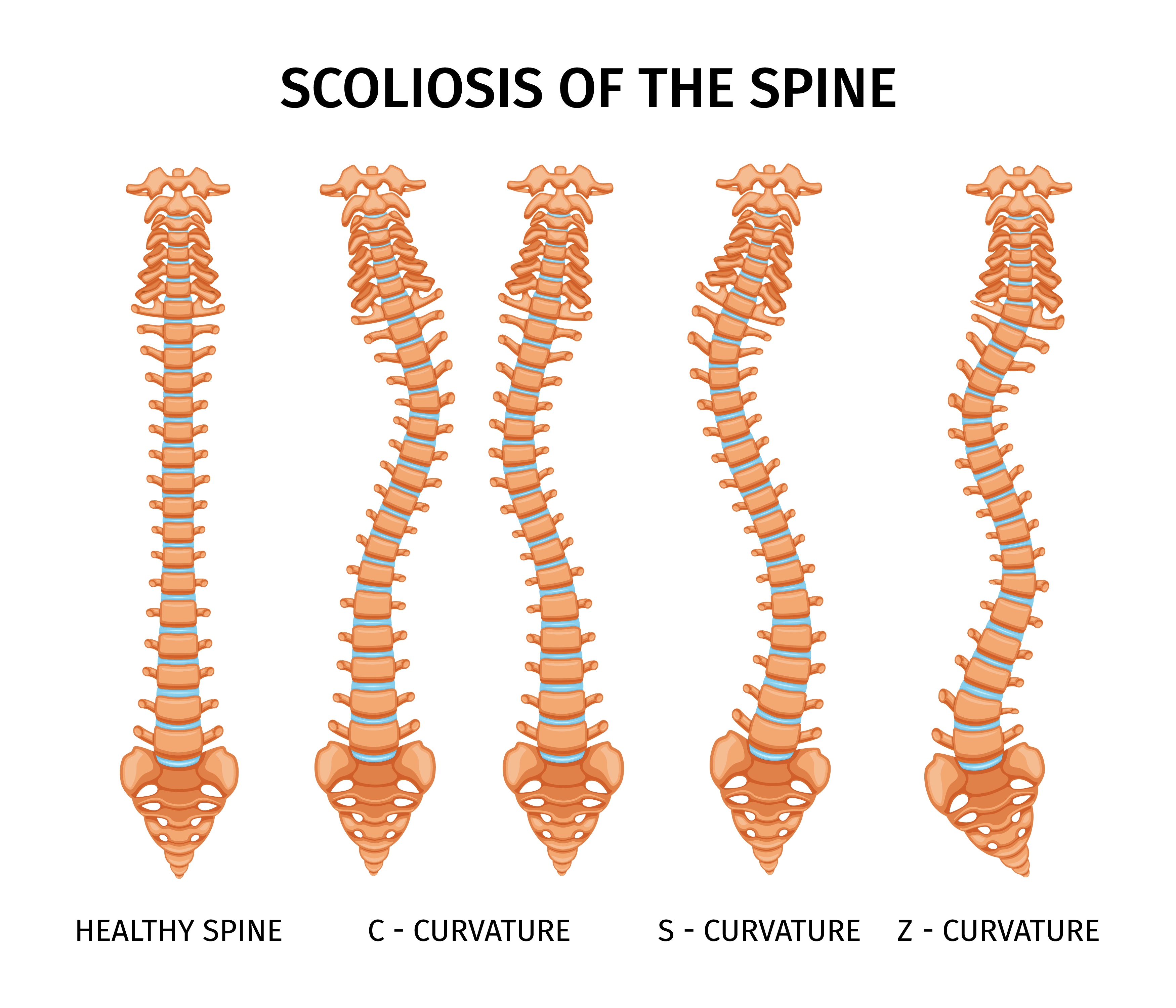
What is Scoliosis? Scoliosis is a lateral (sideways) curvature of the spine that typically measures 10 degrees or more. Instead of running straight down your back, the spine curves to the left or right, sometimes creating an “S” or “C” shape when viewed from behind. This condition can develop during childhood or adolescence, or it can emerge later in life due to degenerative changes.
Table of Contents
- Understanding Scoliosis and How It Affects Your Body
- The Connection Between Scoliosis and Posture
- Common Postural Challenges with Scoliosis
- How Chiropractic Care Supports Spinal Health
- Practical Tips for Better Posture with Scoliosis
- Managing Daily Activities and Ergonomics
- When to Seek Professional Care
- Myths vs. Facts About Scoliosis
Understanding Scoliosis and How It Affects Your Body
Scoliosis isn’t just about a curve in your spine. It affects how your entire musculoskeletal system functions. The sideways curvature creates imbalances throughout your body, influencing everything from how you stand and walk to how your muscles work to keep you upright. Here in Charlotte, NC, many patients at Chiropractic Fitness come in wondering why one shoulder sits higher than the other, or why their clothes don’t hang quite right. These visible signs often point to underlying spinal asymmetries.
There are several types of scoliosis, and understanding which type you have matters. Idiopathic scoliosis, which means the cause is unknown, accounts for about 80% of cases and typically develops during adolescence. Congenital scoliosis occurs when the spine doesn’t form properly before birth. Degenerative scoliosis develops in adults as the discs and joints in the spine wear down over time. Neuromuscular scoliosis results from conditions that affect the nerves and muscles, such as cerebral palsy or muscular dystrophy.
The degree of curvature varies widely. Mild scoliosis (10-25 degrees) often causes minimal symptoms, while moderate curves (25-40 degrees) may create noticeable postural changes and discomfort. Severe scoliosis (over 40-50 degrees) can impact lung function and overall quality of life. Regardless of severity, the compensatory patterns your body develops to manage the curve can lead to muscle imbalances, joint stress, and chronic tension.
Your spine doesn’t exist in isolation. When scoliosis creates a lateral curve, your body compensates in multiple ways. Your pelvis may tilt, one hip might sit higher than the other, and your shoulders often become uneven. The muscles on one side of your spine work harder than those on the other side, leading to chronic tightness and fatigue. Understanding these whole-body effects helps you see why addressing posture involves more than just “standing up straight.”
The Connection Between Scoliosis and Posture
Posture and scoliosis have a complex, two-way relationship. While scoliosis itself is a structural condition that you can’t simply “fix” through better posture, the way you carry yourself throughout the day absolutely affects how you feel and function. Your posture can either support your spine and reduce strain, or it can add stress to an already compromised structure.
Many people mistakenly believe that poor posture causes scoliosis. This isn’t accurate. Structural scoliosis develops due to factors beyond postural habits. However, your daily postural choices significantly impact the secondary effects of scoliosis. When you slouch, lean to one side habitually, or maintain awkward positions for extended periods, you increase the workload on muscles that are already working overtime to balance your curved spine.
Think of your spine as a tower that’s slightly curved. If you position that tower carefully and distribute weight evenly, it remains stable. But if you consistently lean it further in one direction or add uneven loads, the stress multiplies. The same principle applies to your spine. Good postural awareness doesn’t straighten the curve, but it does minimize the compensatory strain throughout your body.
At Chiropractic Fitness in Charlotte, Dr. Craig Schulman often explains to patients that posture with scoliosis isn’t about achieving a “perfect” position. Instead, it’s about finding neutral positions that work for your unique spinal structure. This means learning to recognize when you’re adding unnecessary stress and making small adjustments throughout your day. These micro-corrections add up over time, reducing fatigue and discomfort.
Common Postural Challenges with Scoliosis
People with scoliosis face specific postural challenges that others might not consider. Uneven shoulders represent one of the most visible signs. One shoulder blade may protrude more than the other, creating a “rib hump” that becomes more noticeable when bending forward. This asymmetry makes it difficult to carry bags comfortably or wear clothing that fits evenly on both sides.
Pelvic imbalance often accompanies scoliosis. When your spine curves laterally, your pelvis frequently tilts or rotates to compensate. This can create the appearance of one leg being shorter than the other, even when leg length is actually equal. The pelvic tilt affects your gait, potentially leading to hip, knee, and ankle problems over time. Many Charlotte residents notice they wear down their shoes unevenly or feel off-balance when standing.
Forward head posture becomes exaggerated when scoliosis is present. As your spine curves, your body naturally adjusts your head position to keep your eyes level with the horizon. This often means your head drifts forward, increasing stress on your neck muscles and upper back. The combination of lateral curvature and forward head posture creates a complex pattern of muscle tension that can lead to headaches and neck pain.
Sitting presents unique challenges for people with scoliosis. Standard chairs don’t accommodate spinal asymmetries, forcing your body into uncomfortable compromises. You might notice you consistently lean to one side, cross your legs in a particular direction, or struggle to find a comfortable position at your desk. These habitual positions reinforce the muscular imbalances created by the scoliosis itself.
| Postural Challenge | How It Appears | Common Symptoms |
|---|---|---|
| Shoulder Asymmetry | One shoulder higher than the other, uneven shoulder blades | Upper back tension, difficulty carrying bags, clothing fit issues |
| Pelvic Tilt | Hips appear uneven, waistline asymmetry | Low back discomfort, leg fatigue, uneven gait |
| Forward Head Position | Head drifts forward, chin juts out | Neck pain, headaches, upper back strain |
| Rib Cage Rotation | Prominence on one side of back, chest asymmetry | Breathing changes, mid-back discomfort, muscle fatigue |
| Standing Imbalance | Weight shifts to one leg, difficulty standing evenly | Leg and hip fatigue, knee strain, ankle stress |
How Chiropractic Care Supports Spinal Health
Chiropractic care offers a conservative, non-surgical approach to managing scoliosis and supporting better posture. At Chiropractic Fitness in Charlotte, the focus is on improving spinal function, reducing discomfort, and enhancing your body’s ability to compensate effectively for the structural curve. Dr. Craig Schulman takes an individualized approach, recognizing that each person’s scoliosis presents unique challenges.
Spinal adjustments help restore better motion to joints that have become restricted or fixated due to the asymmetrical forces created by scoliosis. When certain segments of your spine aren’t moving properly, surrounding areas must work harder to compensate. Gentle, specific adjustments can improve mobility and reduce the strain on overworked joints and muscles. These adjustments don’t attempt to “straighten” the scoliotic curve, but rather support better overall function.
Soft tissue work addresses the muscular imbalances that develop alongside scoliosis. The muscles on the concave side of the curve often become tight and shortened, while those on the convex side stretch and weaken. Targeted muscle release techniques, stretching, and strengthening exercises help restore better balance between these muscle groups. This balanced approach reduces pain and improves your ability to maintain supportive postures.
Postural education forms a crucial component of chiropractic care for scoliosis. Dr. Craig Schulman works with patients to identify their specific postural tendencies and develop awareness of positions that increase strain. Learning to recognize when you’re slouching, leaning, or twisting excessively empowers you to make real-time corrections throughout your day. This education extends to workplace ergonomics, sleeping positions, and exercise modifications.
Evidence suggests that chiropractic care can help reduce pain and improve function in adults with scoliosis, particularly when combined with therapeutic exercises. Research published in spine-focused journals indicates that multimodal conservative approaches, including spinal manipulation and rehabilitation exercises, may benefit people dealing with scoliosis-related discomfort. The goal isn’t to eliminate the curve but to help you move better and feel better despite the structural changes in your spine.
Practical Tips for Better Posture with Scoliosis
Improving your posture when you have scoliosis requires a personalized approach. What works for someone else might not work for you, because scoliosis affects each person differently. These practical strategies provide a starting point for developing better postural habits that support your unique spinal structure.
Practice Mirror Awareness: Stand in front of a mirror regularly and observe your body from the front and side. Notice where your shoulders sit, whether your head tilts, and how your hips align. This visual feedback helps you develop awareness of your baseline posture. Don’t try to force your body into an “ideal” position, but simply notice your natural tendencies. Over time, this awareness allows you to make subtle adjustments that reduce strain.
Use Strategic Cushioning: A small lumbar support or cushion can help maintain better spinal alignment when sitting. For people with scoliosis, positioning the cushion slightly off-center (on the side of the concave curve) sometimes provides better support. Experiment with different positions to find what feels most comfortable and reduces fatigue during prolonged sitting.
Implement the 30-Minute Rule: No matter how perfect your posture, holding any static position for too long increases strain. Set a timer to remind yourself to change positions every 30 minutes. Stand up, walk around, perform a few gentle stretches, or simply shift your weight. This regular movement prevents muscles from becoming locked in fatigued positions and reduces overall discomfort.
Balance Your Carrying Habits: If you regularly carry a purse, backpack, or work bag, alternate which side you carry it on throughout the day. People with scoliosis often develop strong preferences for carrying items on one particular side, which reinforces existing imbalances. Consciously switching sides helps distribute the load more evenly, even if one side initially feels awkward.
Modify Your Sleeping Position: Side sleeping with a pillow between your knees often works well for people with scoliosis, helping to maintain better spinal alignment. Some people find that sleeping on the side of the convex curve (the outward bulge) provides more comfort. If you sleep on your back, placing a pillow under your knees reduces strain on your lower back. Avoid stomach sleeping, as it typically increases spinal rotation and neck strain.
Strengthen Your Core Mindfully: Core strength supports your spine, but traditional exercises don’t always account for scoliosis. Focus on exercises that build stability without forcing your spine into extreme positions. Planks, bird dogs, and dead bugs performed with controlled movements can build core strength that supports better posture. At Chiropractic Fitness in Charlotte, patients receive guidance on appropriate exercises for their specific curve pattern.
Breathe Deeply and Deliberately: Scoliosis can affect rib cage position and breathing mechanics. Practice deep diaphragmatic breathing several times daily. This not only improves oxygen flow but also gently mobilizes your rib cage and helps release tension in the muscles surrounding your spine. Place one hand on your chest and one on your belly, ensuring your belly expands more than your chest with each breath.
Managing Daily Activities and Ergonomics
How you set up your workspace and perform daily activities significantly impacts your spinal health when you have scoliosis. Small modifications to your environment and habits can dramatically reduce strain and improve comfort throughout your day.
Your desk setup deserves careful attention. Position your monitor directly in front of you at eye level, preventing the need to rotate or tilt your head consistently in one direction. Your keyboard and mouse should sit close enough that you don’t need to reach forward, which increases strain on your already-compromised posture. Consider using an adjustable chair that allows you to modify height, back support, and armrests to accommodate your body’s asymmetries.
Standing desks offer benefits for many people with scoliosis, but they’re not a cure-all. If you use a standing desk, remember that standing in one position for hours is just as problematic as sitting too long. Alternate between sitting and standing every 45-60 minutes. Use an anti-fatigue mat when standing, and consider placing one foot on a small footrest, alternating feet every 15-20 minutes to reduce strain.
Driving presents unique challenges, especially for Charlotte residents who spend significant time in their cars. Adjust your seat so you can reach the pedals without stretching, and position the seat back at a slight recline (about 100-110 degrees) rather than completely upright. Use your car’s lumbar support or add a small cushion if needed. On long drives, stop every hour to walk and stretch. Position your mirrors so you don’t need to rotate excessively to check blind spots.
Household tasks require modified approaches when you have scoliosis. When vacuuming or sweeping, avoid twisting at your waist while your feet remain planted. Instead, move your whole body, taking small steps to change direction. For tasks like loading the dishwasher or making beds, squat or kneel rather than bending forward at the waist. When lifting objects, hold them close to your body and avoid reaching or twisting simultaneously.
Exercise and physical activity remain important, but certain modifications help protect your spine. Swimming often works well because the water’s buoyancy reduces gravitational stress on your spine while allowing full-body movement. Yoga can be beneficial, but inform your instructor about your scoliosis and avoid poses that force extreme rotation or side-bending. Walking provides excellent low-impact movement, but pay attention to maintaining an even gait rather than favoring one side.

When to Seek Professional Care
Knowing when to seek professional help for your scoliosis and posture concerns ensures you receive appropriate care at the right time. Many people with scoliosis manage well with self-care strategies and periodic professional support, while others benefit from more regular attention.
Consider scheduling an evaluation at Chiropractic Fitness if you notice your scoliosis symptoms changing. An increase in visible asymmetry, new areas of discomfort, or difficulty performing activities that were previously manageable all warrant professional assessment. Dr. Craig Schulman can evaluate whether your curve has progressed or if muscular imbalances are creating new challenges.
Pain that persists beyond a few days despite rest and self-care measures deserves professional attention. While occasional muscle soreness is normal, especially if you’ve increased activity levels or spent long hours in awkward positions, pain that interferes with sleep, work, or daily activities shouldn’t be ignored. Chronic discomfort suggests that compensatory patterns have become problematic and would benefit from targeted intervention.
Neurological symptoms always require prompt evaluation. Numbness, tingling, weakness in your arms or legs, or changes in bowel or bladder function can indicate nerve compression or other serious issues. While these symptoms aren’t always related to scoliosis, they require immediate professional assessment to rule out conditions that need urgent medical attention.
Difficulty breathing or noticeable changes in your breathing pattern, especially with more severe curves, should be evaluated by appropriate healthcare providers. Significant scoliotic curves can impact rib cage position and lung capacity. If you notice increased shortness of breath, especially during activities that didn’t previously cause breathing difficulties, seek medical evaluation.
Young people with scoliosis should be monitored regularly, particularly during growth spurts. Adolescent idiopathic scoliosis can progress rapidly during periods of rapid growth. Parents in Charlotte who notice their child’s posture changing, clothing fitting asymmetrically, or complaints of back discomfort should schedule an evaluation. Early detection allows for monitoring and intervention if needed.
Even without concerning symptoms, periodic check-ins with a chiropractor help maintain optimal function. Many patients at Chiropractic Fitness in Charlotte find that regular care prevents small issues from becoming larger problems. Think of these visits as maintenance for your spine, similar to routine dental cleanings or vision checks.
Myths vs. Facts About Scoliosis and Posture
Myth: Poor Posture Causes Scoliosis
Fact: Structural scoliosis isn’t caused by slouching, carrying heavy backpacks, or other postural habits. While poor posture can create temporary postural scoliosis (where the spine appears curved due to muscle imbalances), true structural scoliosis develops due to factors like genetics, growth abnormalities, or degenerative changes. However, good postural habits can significantly reduce the secondary effects of scoliosis.
Myth: You Can Straighten Your Spine Through Better Posture
Fact: Once structural scoliosis develops, you cannot eliminate the curve through posture corrections alone. The goal of posture work isn’t to straighten your spine but to support it better, reduce compensatory strain, and improve function. Better postural awareness helps you feel better and move more efficiently despite the structural curve.
Myth: Chiropractic Adjustments Will Cure Scoliosis
Fact: Chiropractic care doesn’t cure scoliosis or permanently straighten the spine. Instead, it focuses on improving spinal function, reducing discomfort, and helping your body compensate more effectively for the structural changes. Research indicates that chiropractic care combined with exercises can help manage symptoms and improve quality of life for people with scoliosis.
Myth: Exercise Makes Scoliosis Worse
Fact: Appropriate exercise is beneficial for people with scoliosis. Movement helps maintain flexibility, builds supportive muscle strength, and improves overall function. The key is choosing exercises appropriate for your specific curve pattern and avoiding activities that cause pain or excessive strain. Dr. Craig Schulman can provide guidance on safe, effective exercises for your situation.
Myth: People with Scoliosis Shouldn’t Lift Heavy Objects
Fact: Many people with scoliosis can safely lift heavy objects when they use proper technique. The key is avoiding lifting while twisting, keeping objects close to your body, and building adequate core and leg strength. Rather than avoiding lifting altogether, focus on learning safe lifting mechanics and knowing your limits.
Myth: Scoliosis Always Gets Worse Over Time
Fact: Not all scoliotic curves progress. Many mild to moderate curves remain stable throughout life, especially once skeletal maturity is reached. Factors like curve severity, curve pattern, and age at diagnosis influence progression risk. Regular monitoring helps identify curves that are progressing and may need intervention.
Final Thoughts from Chiropractic Fitness
Living with scoliosis doesn’t mean you’re destined for pain or limited function. Many people in Charlotte and beyond lead active, comfortable lives despite having spinal curves. The key is understanding your body, developing awareness of your postural habits, and taking proactive steps to support your spine. Small, consistent changes in how you sit, stand, move, and care for your body add up to significant improvements in how you feel.
At Chiropractic Fitness in Charlotte, North Carolina, Dr. Craig Schulman and the care team are committed to helping patients with scoliosis achieve their best possible function and comfort. Whether you’ve lived with scoliosis for years or you’re newly diagnosed, personalized care that addresses your unique needs makes a real difference. Your spine may have a curve, but that doesn’t define your potential for living an active, fulfilling life.
Remember that managing scoliosis is a journey, not a destination. Some days will feel better than others, and that’s completely normal. The strategies and insights shared here provide a foundation, but your care should always be individualized. If you have questions about your scoliosis, your posture, or how chiropractic care might help, reaching out to a knowledgeable chiropractor is always a good first step. Your spine deserves attention, understanding, and support tailored to your unique needs.
Frequently Asked Questions
Can posture exercises help reduce my scoliotic curve?
Posture exercises and targeted strengthening can improve muscle balance and reduce symptoms, but they typically don’t significantly reduce the structural curve itself. The benefits come from better support, reduced compensatory strain, and improved function. Specific scoliosis-focused exercise programs, when performed consistently, may help stabilize curves and improve quality of life.
How often should someone with scoliosis see a chiropractor?
The frequency depends on your symptoms, curve severity, and individual needs. Some patients benefit from weekly visits initially, then transition to monthly maintenance care. Others do well with visits every few months. Dr. Craig Schulman develops individualized care plans based on each patient’s specific situation and goals.
Will my scoliosis affect my ability to exercise or play sports?
Most people with mild to moderate scoliosis can participate fully in sports and exercise. Some activities may require modifications, and asymmetric sports (like golf or tennis) might need attention to balance. Communication with coaches and healthcare providers helps ensure safe participation. Many professional athletes have successfully competed despite having scoliosis.
Is sleeping on one side better than the other with scoliosis?
Some people find sleeping on the side of the convex curve (the outward bulge) more comfortable, but individual preferences vary. Experiment with different positions and pillow placements to find what works best for your body. Using a pillow between your knees when side sleeping often improves spinal alignment regardless of which side you choose.
Can scoliosis develop in adults who never had it before?
Yes, degenerative or de novo scoliosis can develop in adults, typically after age 50. This occurs as the discs and joints in the spine wear down unevenly, creating a lateral curve. Adult-onset scoliosis often develops gradually and may cause symptoms like back pain or leg discomfort as the curve progresses.
Should I tell my employer about my scoliosis?
This is a personal decision. If your scoliosis requires workplace accommodations (like specialized seating or modified duties), discussing it with your employer or human resources can help ensure you have what you need to work comfortably. Under the Americans with Disabilities Act, employers must provide reasonable accommodations for qualifying conditions.
TL;DR – Key Takeaways
- Scoliosis is a structural spinal curve that affects posture and creates whole-body compensations, but good postural habits can significantly reduce strain and improve comfort.
- Chiropractic care focuses on improving spinal function and reducing compensatory stress rather than attempting to straighten the curve, offering a conservative approach to managing symptoms.
- Practical strategies like mirror awareness, strategic cushioning, regular position changes, and ergonomic modifications help support better posture throughout daily activities.
- Exercise remains important for people with scoliosis, but modifications and proper technique ensure safe participation in physical activities and sports.
- Seek professional evaluation if you notice changing symptoms, persistent pain, neurological signs, or curve progression, as individualized care at Chiropractic Fitness in Charlotte can help you maintain optimal spinal health.