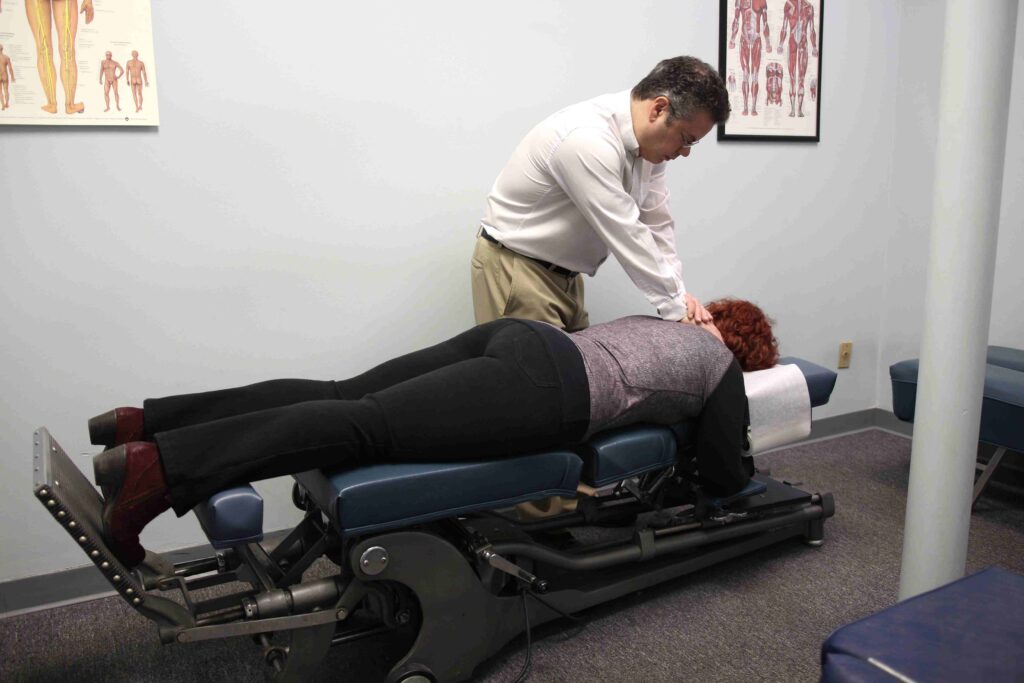

Neck pain can be a frustrating and persistent issue that impacts your daily life. As a chiropractor, I understand how vital it is to address the root causes of your discomfort. By learning about the symptoms and factors that contribute to neck pain, you can take proactive steps to enhance your well-being and find relief.
One of the most important aspects of preventing neck pain is maintaining good posture, especially in today’s world where many of us spend hours hunched over our screens. An ergonomic workspace can make a world of difference. Simple adjustments, like ensuring your monitor is at eye level and your chair supports your back, can help keep your spine aligned and reduce strain on your neck.
Incorporating specific exercises into your daily routine can also promote neck health. Gentle stretches and strengthening exercises can improve flexibility and support the muscles around your neck. As a chiropractor, I often recommend exercises that focus on strengthening the upper back and improving posture to alleviate tension.
Hydration is another key element that is often overlooked. Drinking enough water helps keep your spinal discs hydrated, which is essential for maintaining a healthy spine. Aim to drink plenty of water throughout the day to support your overall spinal health.
Chiropractic care is a natural and effective way to relieve neck pain and promote overall wellness. Regular adjustments can help realign the spine, reduce tension, and improve mobility. By addressing misalignments and ensuring your nervous system functions optimally, chiropractic care can be a cornerstone of your neck pain prevention strategy.
Remember, small changes in your daily habits can lead to significant improvements in your neck health. Prioritizing posture, engaging in regular exercise, staying hydrated, and seeking chiropractic care are all essential steps toward living a pain-free life. If you’re experiencing neck discomfort, consider scheduling a visit to a chiropractor who can help guide you on your journey to better health.
Key Takeaways
- Start by maintaining good posture; keep your head aligned over your spine and shoulders back. This simple adjustment can significantly reduce neck strain and promote overall spinal health.
- Create an ergonomic workspace that prioritizes your comfort. Position your monitor at eye level and ensure your chair provides adequate support. This setup not only helps prevent neck pain but also fosters better alignment throughout your entire back.
- Make stretching and strengthening exercises a part of your daily routine. These movements enhance neck flexibility and build muscle strength, which are essential for a healthy spine. Gentle neck rolls and chin tucks can be effective exercises to incorporate.
- Stay hydrated! Drinking at least eight glasses of water each day is vital for muscle function and helps prevent stiffness in your neck and back. Proper hydration supports your overall well-being and spinal health.
- Invest in a supportive sleep environment. Use a pillow that maintains spinal alignment and choose a mattress that offers proper support. Avoid stomach sleeping, as it can compromise your neck alignment and lead to discomfort. A good night’s sleep is crucial for recovery and overall health.
Remember, regular chiropractic care can help address any existing neck pain and prevent future issues. By focusing on alignment and overall wellness, you can achieve optimal health naturally and effectively.
Understanding Neck Pain: Causes and Symptoms
Neck pain can stem from a variety of sources, and knowing these factors is crucial for effective prevention and treatment. One of the most common causes is muscle strain, which often occurs from overuse or poor sleeping positions. If you find yourself hunched over a computer for long periods or constantly looking down at your phone, your neck muscles can become fatigued and painful.
Additionally, injuries like whiplash from a car accident can lead to significant discomfort. Chronic neck pain can also be linked to conditions like arthritis or herniated discs. If you’re experiencing symptoms such as stiffness, headaches, or tingling sensations that radiate down your arms, it’s important to recognize these signs early. Seeking the appropriate care, like chiropractic adjustments, can help alleviate these issues naturally.
Chiropractic care focuses on spinal health and can be an excellent choice for managing neck pain. By realigning the spine and improving mobility, chiropractic adjustments can relieve tension in the neck muscles, promote better posture, and enhance overall wellness.
To take proactive steps for your neck health, consider these tips:
- Maintain Good Posture: When sitting or standing, keep your back straight and shoulders aligned. Use ergonomic furniture when possible.
- Take Frequent Breaks: If you work at a desk, make it a habit to take short breaks every hour. Stand up, stretch, and move around to relieve tension.
- Practice Neck Exercises: Gentle stretches and exercises can help strengthen neck muscles. Try tilting your head side to side and gently rotating it to improve flexibility.
- Sleep Smart: Use a supportive pillow that keeps your neck aligned with your spine. Avoid sleeping on your stomach, as this can strain the neck.
The Importance of Good Posture
The Importance of Good Posture for Neck Health
As a chiropractor, I want to emphasize how crucial good posture is for maintaining overall neck health. When you practice proper alignment, you help distribute weight evenly across your spine, which reduces strain on your muscles. This means that when you sit or stand correctly, you engage the right muscles that support your neck and prevent unnecessary tension.
On the other hand, slouching or leaning forward can lead to discomfort by putting extra pressure on your cervical spine.
To help you maintain good posture, here are a few simple tips: keep your shoulders back and relaxed, ensure your head is aligned over your spine, and make sure your ears are in line with your shoulders.
By practicing this alignment regularly, you can steer clear of the common pitfalls of poor posture.
I also encourage you to check in on your posture throughout the day. It’s easy to slip into bad habits, but by being mindful, you can reinforce good posture habits that will benefit your overall neck health.
Ergonomic Workstation Setup
Creating an ergonomic workstation setup is essential for reducing neck pain and promoting overall well-being while you work. As a chiropractor, I want to emphasize the importance of a proper workspace in supporting your spinal health. Here are some simple tips to help you set up a comfortable workstation that encourages natural healing and helps prevent discomfort.
First, position your monitor at eye level, about an arm’s length away. This will help you avoid tilting your head up or down, which can put strain on your neck and spine. If you’re using a laptop, consider investing in a separate keyboard and a stand to elevate the screen to the proper height.
Next, adjust your chair so that your feet rest flat on the floor and your knees are at or slightly below hip level. A chair that supports your lower back is crucial for maintaining good posture and reducing stress on your spine.
Remember, good posture is key to preventing pain and promoting spinal health.
Make sure your keyboard and mouse are within easy reach, allowing your elbows to rest comfortably at a 90-degree angle. This will minimize any unnecessary stretching or reaching that can lead to discomfort.
Lastly, ensure your workspace is well-lit to reduce glare, which encourages you to lean forward and strain your neck.
By implementing these ergonomic adjustments, you can create a workspace that not only promotes comfort but also supports your spine’s natural alignment.
Remember, regular chiropractic care can further enhance your body’s ability to heal and maintain a healthy posture, ultimately leading to a more productive and pain-free work experience.
Prioritize your health by creating a supportive environment, and don’t hesitate to reach out to your chiropractor for personalized advice and care.
Stretching and Strengthening Exercises
Incorporating stretching and strengthening exercises into your daily routine is a fantastic way to reduce neck pain and enhance your overall mobility. As a local chiropractor, I believe in the power of natural healing and gentle movement to support your spine and overall wellness.
Begin with some simple stretches that are easy to do at home. Try neck tilts and rotations: gently tilt your head to one side, holding it for 15-30 seconds, then switch sides. For neck rotations, slowly turn your head from left to right, keeping your movements controlled. This helps maintain flexibility in your neck and can alleviate tension.
To strengthen your neck muscles, consider adding isometric exercises to your routine. For example, place your palm on your forehead and gently push against it for 5-10 seconds, then repeat this on each side and the back of your head. These exercises build muscle strength without putting strain on your neck, supporting its natural alignment.
Don’t forget about shoulder shrugs and chin tucks. For shoulder shrugs, lift your shoulders up toward your ears, then relax them down. This helps release tension in your upper back and neck. For chin tucks, gently pull your chin back to align your neck with your spine, which can help improve posture and reduce discomfort.
Aim to incorporate these exercises into your daily life for optimal results. Remember, the goal is to listen to your body—if something doesn’t feel right, it’s important to adjust accordingly.
Chiropractic care complements these exercises beautifully, as it focuses on restoring balance and alignment to your spine, promoting natural healing and wellness. By prioritizing these practices, you can take significant steps toward a healthier, pain-free life.
The Role of Hydration in Neck Health
Staying hydrated is crucial for maintaining the health of your neck, as proper hydration supports the functioning of your muscles and joints. When your body lacks enough water, it can lead to stiffness and discomfort in your neck, which can hinder your daily activities and overall well-being.
As a chiropractor, I want to emphasize the importance of hydration as a natural way to support your body’s health. Drinking enough water throughout the day can help prevent pain and discomfort, allowing you to enjoy a more active and fulfilling life.
Here are some simple tips to ensure you stay hydrated and support your neck health:
- Set Reminders: Use your phone or a timer to remind yourself to drink water at regular intervals throughout the day.
- Carry a Water Bottle: Keep a reusable water bottle with you, making it easy to sip water throughout the day.
- Infuse Your Water: If plain water isn’t appealing, try adding slices of fruits or herbs, like lemon or mint, for some flavor.
- Eat Hydrating Foods: Incorporate fruits and vegetables with high water content, such as cucumbers, watermelon, and oranges, into your meals.
- Listen to Your Body: Pay attention to signs of dehydration, like dry mouth or fatigue, and increase your water intake accordingly.
By prioritizing hydration and incorporating these tips into your daily routine, you can help support your neck health and overall wellness.
Importance of Water Intake
As a chiropractor, I want to emphasize the vital role that hydration plays in your overall health and particularly in maintaining a healthy neck. Staying properly hydrated is essential for keeping your spinal discs fluid and flexible, which helps cushion your spine and supports your neck’s natural alignment.
When you drink enough water, your muscles can function optimally, reducing tension and stiffness that can lead to neck pain. Good hydration also aids in supporting the muscle strength necessary for good posture.
When your muscles are well-hydrated, they’re better equipped to hold your head up and keep your spine aligned. It’s important to remember that even mild dehydration can lead to discomfort, so aim to drink at least eight glasses of water daily.
In addition to staying hydrated, incorporating regular chiropractic care can greatly enhance your neck health. Chiropractic adjustments can help relieve tension, improve your posture, and promote better spinal alignment, which all contribute to a reduction in neck pain.
To support your neck and overall well-being, make hydration a priority and consider regular visits to your chiropractor. By doing so, you’ll not only feel better but also invest in your neck’s long-term health.
Effects of Dehydration
Hydration is essential for more than just quenching your thirst; it plays a vital role in maintaining your neck health. When you’re dehydrated, the discs in your spine can lose moisture, leading to stiffness and discomfort in your neck. This reduction in hydration makes your muscles and ligaments more susceptible to strain, increasing the likelihood of pain. You might even find that dehydration triggers headaches, which can add to neck tension.
To support your neck and overall spinal health, it’s important to drink enough water throughout the day. A good rule of thumb is to listen to your body and replenish fluids, particularly during physical activities or in hot weather. Staying hydrated not only helps your neck but also supports your entire spinal structure and function.
As a chiropractor, I encourage you to prioritize hydration as part of your wellness routine. Here are some simple tips to help you stay hydrated:
- Carry a Water Bottle: Have water with you at all times to make it easier to sip throughout the day.
- Set Reminders: Use your phone or an app to remind you to take a hydration break every hour.
- Eat Hydrating Foods: Incorporate fruits and vegetables with high water content, like cucumbers and watermelon, into your meals.
- Drink Before Meals: Make it a habit to drink a glass of water before each meal to ensure you’re getting enough fluids.
- Monitor Your Urine Color: A light yellow color indicates proper hydration, while dark yellow can be a sign you need more fluids.
By making hydration a priority, you can help prevent daily pain and discomfort in your neck and promote better overall health.
Stress Management Techniques
While you may not realize it, stress can significantly contribute to neck pain, making effective stress management techniques essential for prevention and overall wellness. As a chiropractor, I want to emphasize the importance of addressing both the mind and body to achieve optimal health.
One effective way to manage stress is through deep breathing exercises. Taking just a few minutes to inhale deeply through your nose and exhale slowly through your mouth can calm your mind and relieve tension in your neck. This simple practice can be integrated into your daily routine, helping you to stay centered and relaxed.
Another useful technique is progressive muscle relaxation. This method involves tensing and then relaxing different muscle groups, starting from your toes and working your way up to your neck and shoulders. This practice not only helps to release built-up tension but also promotes greater awareness of your body, which is essential for maintaining spinal health.
Incorporating mindfulness or meditation into your everyday life can also be incredibly beneficial. Just five minutes a day can help center your thoughts, reduce stress, and promote a sense of calm that supports your overall health.
Lastly, don’t underestimate the power of physical activity. Regular exercise is key to releasing endorphins, which can elevate your mood and alleviate stress. It’s also vital for maintaining a healthy spine. Whether it’s a brisk walk, yoga, or any other form of movement you enjoy, staying active can help protect you from neck pain associated with stress.
By adopting these stress management techniques and prioritizing your spinal health through chiropractic care, you can help alleviate neck pain and promote natural wellness.
Taking Breaks: The 20-20-20 Rule
To prevent neck pain and promote overall spinal health, taking regular breaks is essential. One effective method to incorporate into your routine is the 20-20-20 rule. Every 20 minutes, take a 20-second break to look at something 20 feet away. This practice not only helps reduce eye strain but also encourages you to adjust your posture, which is crucial for maintaining a healthy spine.
Here are some benefits of following the 20-20-20 rule and how it aligns with chiropractic care:
- Reduces Eye Strain and Discomfort: By regularly shifting your focus, you give your eyes a chance to relax, which can help in reducing tension that may contribute to neck pain.
- Encourages Better Posture: Taking breaks prompts you to reevaluate your posture, aligning with chiropractic principles that emphasize spinal health and proper alignment.
- Provides a Mental Refresh: Short breaks can boost your productivity and mental clarity, allowing you to approach tasks with renewed focus, which is essential for overall wellness.
- Helps Prevent Stiffness: Regular breaks can alleviate stiffness in the neck and shoulders, making it easier to maintain mobility and comfort throughout the day.
- Allows Time for Gentle Stretches: Use these breaks as an opportunity to perform gentle stretches, which can relieve tension and promote spinal flexibility.
Incorporating the 20-20-20 rule into your daily routine can significantly benefit your neck health and overall well-being. Remember, just a few seconds can help you maintain comfort and prevent pain throughout your day.
To help you stay on track, consider setting a timer or using reminders that prompt you to take these essential breaks.
As a chiropractor, I encourage you to prioritize your spinal health through natural practices like this. By combining these simple techniques with regular chiropractic care, you can achieve optimal health and wellness, free from pain and discomfort.
Sleep Position and Pillow Selection
Choosing the right sleep position and pillow is essential for maintaining a healthy spine and preventing neck pain. As a chiropractor, I often see the positive effects that proper sleep habits can have on overall well-being.
If you sleep on your back, selecting a medium-thick pillow can help support the natural curve of your neck. A contour pillow is especially beneficial for maintaining proper alignment, allowing your spine to rest in a neutral position.
For those who prefer sleeping on their side, a firmer, thicker pillow is key. This type of pillow fills the gap between your shoulder and head, keeping your spine straight and reducing strain on your neck.
It’s best to avoid sleeping on your stomach, as this position can twist your neck and lead to discomfort. Instead, focus on positions that support a healthy spinal alignment.
When choosing a pillow, consider materials like memory foam or latex. These options can offer the right balance of support and comfort, adapting to your body’s needs.
Remember to replace your pillow every 1-2 years, as older pillows may lose their supportive qualities and can contribute to pain.
By making these adjustments to your sleep environment, you can enjoy a more restful night and reduce the risk of waking up with neck pain.
Additionally, regular chiropractic care can further enhance your spinal health and overall wellness, helping you achieve optimal comfort and function.
Prioritizing these simple changes in your sleep routine is a proactive step towards better health!
Incorporating Neck-Friendly Activities
Engaging in neck-friendly activities is crucial for supporting your spinal health and alleviating discomfort. By weaving these practices into your daily life, you can strengthen your neck muscles and enhance flexibility, significantly lowering the risk of pain.
As a chiropractor, I encourage you to consider these simple yet effective activities to promote your overall wellness:
- Gentle Stretching: Incorporate gentle neck stretches into your routine to enhance flexibility and relieve built-up tension. These stretches can be done anywhere, making them an easy addition to your day.
- Yoga: Embrace yoga poses that emphasize proper neck and shoulder alignment. Not only does yoga promote relaxation, but it also helps in maintaining a healthy spine and reducing muscle tightness.
- Strength Training: Focus on exercises that target your neck and upper back. Building strength in these areas provides essential support to your spine, which can help prevent future discomfort.
- Posture Awareness: Be mindful of your posture throughout the day—whether sitting, standing, or walking. Practicing good posture can greatly reduce strain on your neck, promoting better spinal health.
- Frequent Breaks: If you spend long hours at a desk or looking at screens, it’s important to take regular breaks. Give your neck a chance to rest and reset to avoid stiffness and discomfort.
Incorporating these neck-friendly activities into your life can lead to improved health and well-being.
When to Seek Professional Help
If your neck pain lingers beyond a few days, it’s essential to consider reaching out for professional help, specifically from a chiropractor.
Neck discomfort can often be alleviated through natural, holistic methods that focus on spinal health and overall wellness.
Be mindful of additional symptoms such as numbness or weakness, as these could signal a more significant issue that warrants attention.
These signs shouldn’t be overlooked—seeking timely advice from a chiropractor can greatly enhance your recovery process and help restore balance to your body.
In the meantime, here are some helpful tips you can incorporate into your daily routine:
- Maintain Good Posture: Ensure that your workstation is ergonomically set up to minimize strain on your neck.
- Stay Hydrated: Drinking plenty of water helps keep your discs hydrated and supports overall spinal health.
- Gentle Stretching: Incorporate gentle neck stretches into your day to alleviate tension and improve flexibility.
- Heat Therapy: Applying a warm compress can help soothe sore muscles in your neck.
Remember, chiropractic care focuses on the root cause of your pain and offers natural solutions to support your journey toward optimal health.
Don’t hesitate to reach out to a chiropractor to explore how they can assist you in achieving relief and enhancing your well-being.
Persistent Pain Duration
While neck pain often resolves with time and self-care, ongoing discomfort that lasts more than a week can be a sign that something more serious is at play. If you’re experiencing persistent neck pain, it’s important to seek the expertise of a chiropractor. Ignoring this kind of pain can lead to further complications, and chiropractic care is a natural and effective way to address it.
Here are some key signs that indicate it’s time to consult a chiropractor:
- Pain that intensifies over time
- Difficulty moving your neck or shoulder freely
- Numbness or tingling sensations in your arms
- Pain that travels down your arm
- Trouble sleeping due to discomfort
By addressing persistent neck pain early through chiropractic care, you can help prevent long-term issues and work towards regaining your quality of life. Chiropractors focus on the root cause of your pain, using gentle adjustments and holistic techniques to promote healing naturally.
In addition to seeking professional help, here are some general tips to support your neck health:
- Maintain Good Posture: Be mindful of your posture while sitting, standing, and using your phone or computer.
- Stay Active: Gentle stretches and regular movement can help keep your neck flexible.
- Apply Heat or Ice: Use a warm compress or ice pack to alleviate discomfort.
- Stay Hydrated: Drinking plenty of water can help maintain the health of your spinal discs.
- Sleep Well: Use a supportive pillow and maintain a good sleeping position to reduce strain on your neck.
Don’t hesitate to reach out to a chiropractor for guidance tailored to your specific needs. Your journey to optimal health and wellness can start with the right support!
Accompanying Symptoms Assessment
Persistent neck pain can often be accompanied by symptoms that may indicate a more serious condition. If you’re experiencing numbness, tingling, or weakness in your arms or hands, it’s essential to seek professional help. These signs could suggest nerve involvement or issues related to your spine, which is where chiropractic care can play a vital role in addressing the root causes of your discomfort.
Additionally, if you notice severe headaches, dizziness, or vision problems along with your neck pain, it’s important not to ignore them. These could be signs of underlying conditions that need to be evaluated. Remember, your body communicates with you, and it’s always best to pay attention to those signals.
If your neck pain comes with fever, unexplained weight loss, or difficulty swallowing, seeking medical advice is crucial. Trust your instincts; if something doesn’t feel right, consulting a healthcare professional can help ensure that your neck pain isn’t a sign of a more serious health concern.
As a chiropractor, I want to emphasize the benefits of natural healing and spinal health. Regular chiropractic adjustments can help alleviate neck pain, improve mobility, and enhance your overall well-being.
Here are some tips to help you manage your neck pain and promote a healthier lifestyle:
- Posture Matters: Pay attention to your posture, especially when sitting for long periods. Keep your back straight and your shoulders relaxed to reduce strain on your neck.
- Stretch it Out: Gentle stretching can help relieve tension in your neck. Try simple neck stretches, like tilting your head side to side or gently rotating it, to help keep your muscles flexible.
- Stay Active: Engaging in regular physical activity can strengthen the muscles around your spine and improve your overall health. Activities like walking, yoga, or swimming can be beneficial.
- Ergonomic Setup: If you spend a lot of time at a desk, ensure your workstation is ergonomically designed. Position your computer screen at eye level and use a supportive chair.
- Hydration is Key: Staying hydrated helps maintain the health of your spinal discs and overall body function. Aim to drink plenty of water throughout the day.
- Chiropractic Care: Regular visits to your chiropractor can help identify and address any underlying issues contributing to your neck pain. They can provide tailored treatments and advice to support your healing journey.
Conclusion
By taking proactive steps to prevent neck pain, you can significantly improve your overall well-being. One of the most effective ways to achieve this is through chiropractic care, which focuses on spinal alignment and natural healing. Prioritizing good posture is essential; make sure to sit up straight and keep your shoulders back.
Setting up an ergonomic workstation is also key. Your computer screen should be at eye level, and your chair should support your lower back. Additionally, incorporating regular stretching into your daily routine can help keep your neck muscles flexible and strong. Simple neck stretches can do wonders to relieve tension.
Don’t forget to stay hydrated, as proper hydration supports overall muscle function and can help reduce discomfort. Taking frequent breaks to move around and stretch is crucial, especially if you find yourself sitting for long periods.
Pay attention to your sleep position, too. Choose the right pillow that keeps your neck aligned with your spine. A chiropractor can help guide you on the best sleeping positions for your unique body needs.
If neck pain persists, don’t hesitate to seek professional help from a chiropractor. We specialize in diagnosing and treating neck issues through natural methods that promote healing without the need for medications or surgery. Your neck health is worth the effort, and chiropractic care can be a vital part of your journey to optimal health and wellness!