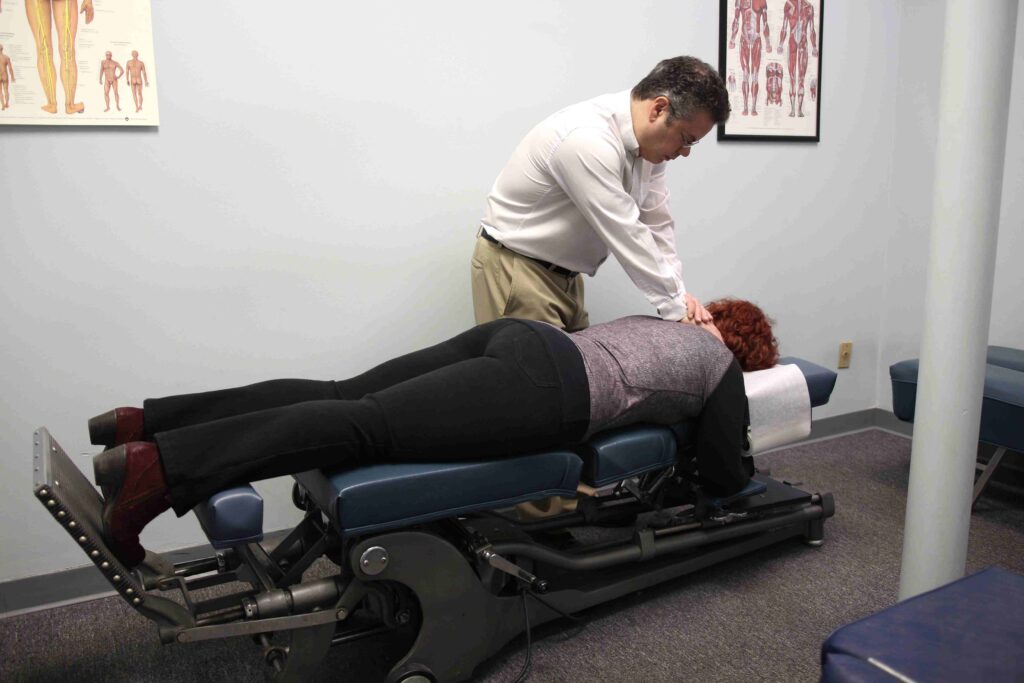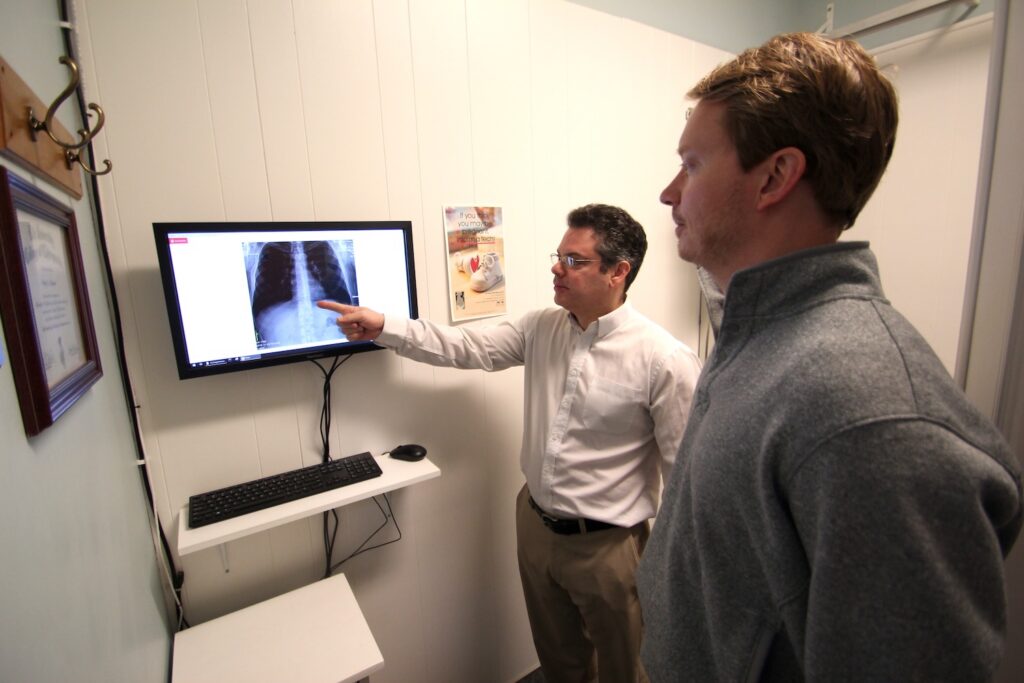

If you’re experiencing back pain related to sports, you’re definitely not alone. Many athletes encounter this challenge, but I’m here to help you take charge of your recovery. As a chiropractor, I want to share insights into the causes of your discomfort and how you can use natural healing methods to alleviate it and boost your athletic performance.
Understanding the mechanics of your body is crucial. Poor posture, improper techniques, or even muscle imbalances can contribute to back pain. By focusing on effective warm-up routines and incorporating chiropractic adjustments, we can address these issues and promote better alignment and function.
Additionally, exploring alternative therapies, such as massage, stretching, and strengthening exercises, can enhance your recovery and help prevent future setbacks. Together, we can discover the best strategies tailored for you, ensuring that you not only recover but also thrive in your sport. Remember, taking a holistic approach can make all the difference in your healing journey.
Understanding the Causes of Sports Back Pain
As a local chiropractor, I want to help you understand the causes of back pain that can arise during sports activities. By being aware of these factors, you can take proactive steps to prevent discomfort and injuries.
Common causes of back pain in athletes often stem from issues such as poor posture, muscle imbalances, and repetitive movements. For instance, if you’re lifting weights or running, improper form can place undue strain on your back. Additionally, pushing your body too hard or suddenly ramping up your activity levels can also lead to injuries.
Another contributing factor is weak core muscles. These muscles play a crucial role in supporting your spine, and if they aren’t strong enough, it can lead to pain and discomfort.
Moreover, not allowing sufficient recovery time between workouts can lead to fatigue, increasing your risk of injury. Environmental factors shouldn’t be overlooked either. Uneven playing surfaces or wearing inappropriate footwear can exacerbate existing issues.
By recognizing these causes, you can make informed decisions about your training routines and techniques, ultimately reducing the likelihood of back pain. Understanding the root of your back pain is vital, as it empowers you to create a safer and more effective sports experience.
If you have any questions or would like guidance on how to improve your posture or strengthen your core, don’t hesitate to reach out. Together, we can work towards achieving a healthier and pain-free lifestyle.
Importance of Proper Warm-Up and Stretching
As a local chiropractor, I want to emphasize the significance of a proper warm-up and stretching routine, especially if you’re planning to engage in physical activities.
Many people underestimate the benefits of dynamic stretching, which can significantly enhance your performance and prepare your muscles for the demands of the game.
By incorporating specific warm-up exercises, you not only improve your athletic capabilities but also play a crucial role in reducing the risk of injuries.
Remember, taking the time to properly warm up and stretch is an investment in your overall health and well-being.
It can make a world of difference in how your body feels during and after your activities.
Benefits of Dynamic Stretching
As a local chiropractor, I want to emphasize the importance of dynamic stretching in preparing your body for physical activity. It’s not just about flexibility; dynamic stretching significantly increases blood flow to your muscles, which is crucial for optimal performance.
By incorporating these stretches into your warm-up routine, you not only activate your core but also enhance your range of motion. This can play a vital role in preventing injuries, which is something we often see in our practice.
Dynamic stretching mimics the movements you’ll be doing during your sport or activity, helping your body adapt and respond more effectively. You may notice that it boosts your overall performance, leaving you feeling more energized and focused.
Additionally, it can help alleviate tension in your back and other areas, making it much easier to engage in your chosen activity without discomfort.
So, before you step onto the field or court, I encourage you to make dynamic stretching a priority. It’s a simple yet powerful way to support your body’s natural ability to heal and perform at its best.
Key Warm-Up Exercises
As a chiropractor, I want to emphasize the importance of a proper warm-up before engaging in any physical activity. Incorporating key exercises into your routine can significantly enhance your performance and reduce the risk of injury.
Start with dynamic stretches, such as arm circles and leg swings, to get your muscles moving and blood circulating effectively.
Next, consider adding exercises like lunges and high knees. These not only engage multiple muscle groups but also prepare your body for the specific demands of your sport or activity.
It’s crucial to activate your core with exercises like planks or side bridges, as having a strong core can provide support for your back during physical exertion.
Finally, don’t overlook the importance of mobility drills for your hips and spine. This comprehensive warm-up routine helps prime your body, decreases the likelihood of experiencing back pain, and enhances your overall athletic performance.
Injury Prevention Techniques
As a local chiropractor, I want to emphasize the importance of incorporating proper warm-up and stretching techniques to prevent injuries, especially if you’re active in sports. Many people overlook these practices, which can lead to muscle strains or back injuries. A proper warm-up is crucial; it increases blood flow and prepares your body for the physical demands ahead.
Here are some key techniques I encourage you to evaluate and adopt:
- Begin with light aerobic activities: This helps elevate your heart rate and gets your body ready for more intense movements.
- Focus on dynamic stretches: Engaging the specific muscles you’ll use in your sport can greatly enhance your performance and reduce injury risk.
- Gradually increase intensity: Matching the intensity of your warm-up to your sport helps your body adapt and prepares it for the challenges ahead.
- Incorporate sport-specific movements: This not only enhances flexibility but also helps your body become accustomed to the motions required in your sport.
- Cool down with static stretches: This aids in recovery and helps maintain flexibility, allowing your body to return to a resting state safely.
By integrating these techniques into your routine, you can support your overall health and well-being, ensuring that you enjoy your favorite activities without the burden of injury.
Strengthening Exercises for Back Support
As your local chiropractor, I want to emphasize the importance of strengthening your back to support you during sports activities.
It’s crucial to incorporate exercises that focus on core stability, flexibility, and resistance training. These elements aren’t just beneficial for enhancing your athletic performance; they’re key to preventing pain and ensuring your spine remains healthy.
By building a strong core, you create a solid foundation that supports your back during movement. Flexibility routines help maintain the range of motion in your spine and surrounding muscles, reducing the risk of injury.
Additionally, resistance training techniques can strengthen the muscles that support your spine, further enhancing your back’s resilience.
Understanding how each of these components contributes to your overall well-being is essential. Together, they work to improve your posture, alleviate pain, and enhance your performance in sports and everyday activities.
As you consider your fitness routine, remember that a strong and flexible back is vital for a healthy, active lifestyle.
Let’s work together to develop a plan that supports your back and keeps you moving freely.
Core Stability Workouts
As a chiropractor, I understand that back pain can often feel overwhelming for many individuals. However, I want to emphasize how focusing on core stability workouts can significantly improve your back support and overall strength. Engaging in these exercises targets the muscles that stabilize your spine, which can help alleviate discomfort and enhance your athletic performance.
Here are some effective workouts I recommend incorporating into your routine:
- Planks: This exercise engages your entire core, helping to create a solid foundation as you maintain a straight line from your head to your heels. It’s essential for spinal support.
- Side Planks: These are excellent for strengthening your obliques and improving lateral stability, which is crucial for maintaining balance and preventing injury.
- Bird-Dogs: This movement enhances coordination and balance while effectively working your lower back and glutes, promoting overall stability.
- Dead Bugs: This exercise focuses on promoting core control and stability through controlled movements, which is vital for your spine’s health.
- Bridges: Strengthening your glutes and lower back with this exercise provides essential support to your spine, helping to alleviate pain and improve your posture.
By incorporating these core stability workouts into your routine, you can work towards a healthier back and overall well-being.
Flexibility and Mobility Routines
As a local chiropractor dedicated to your spinal health, I want to emphasize the importance of incorporating flexibility and mobility routines into your daily life. These exercises play a crucial role in not only enhancing your range of motion but also in strengthening the muscles that support your spine.
Before engaging in any physical activity, it’s beneficial to warm up your muscles with dynamic stretches like arm circles and leg swings. These movements help prepare your body for more intense workouts.
After exercising, I recommend focusing on static stretches such as the cat-cow and child’s pose. These stretches are excellent for relieving tension and improving flexibility, which is vital for maintaining a healthy back.
Additionally, practices like yoga and Pilates can be incredibly beneficial as they combine flexibility training with core stability, further promoting your overall back health.
It’s important to listen to your body throughout these routines; if you experience any pain, I encourage you to ease off the stretch to avoid injury.
By consistently practicing these flexibility and mobility routines, you’ll develop a strong and flexible back, significantly reducing your risk of injury during sports and daily activities.
Resistance Training Techniques
As a local chiropractor, I want to emphasize the importance of incorporating resistance training into your routine for enhancing the strength and stability of your back.
Many people may not realize how vital strong back muscles are for supporting the spine and preventing injuries. Here are some effective resistance training techniques that I recommend:
- Deadlifts: This exercise is fantastic for strengthening your lower back and hamstrings, which play a crucial role in maintaining proper posture.
- Bent-over Rows: These target your upper back, helping to improve your posture and overall spinal alignment.
- Planks: By engaging your core, planks provide essential support for your back, contributing to better stability.
- Supermans: This exercise effectively activates your lower back muscles, promoting strength and resilience in that area.
- Seated Cable Rows: These enhance the strength and stability of your mid-back, which is key for maintaining a healthy spine.
Integrating these exercises into your routine can help ensure that your back remains strong and resilient.
This not only enables you to perform at your best in sports and daily activities but also plays a significant role in your overall health and well-being.
Utilizing Ice and Heat Therapy
As a local chiropractor, I want to share some effective strategies for managing sports-related back pain through the use of ice and heat therapy. These methods can provide significant relief and support your healing process.
If you’ve recently experienced a back injury, I recommend starting with ice therapy, particularly within the first 48 hours. Applying an ice pack for 15-20 minutes can help minimize inflammation and numb the pain you’re feeling.
Just remember to wrap the ice pack in a cloth to protect your skin from frostbite.
Once the initial swelling has decreased, it’s time to transition to heat therapy. Heat is excellent for relaxing tight muscles and enhancing blood circulation in the affected area. You can use a heating pad or a warm towel for about 15-20 minutes to help soothe your discomfort.
It’s important to pay attention to how your body responds to these treatments. If one method seems to alleviate your pain more than the other, feel free to stick with it.
You can also alternate between ice and heat as needed, depending on what feels best for you. Both therapies are valuable tools in managing your back pain, helping you recover from sports injuries, and getting back to the activities you love.
Exploring Alternative Treatments: Acupuncture and Massage
If you’re experiencing sports-related back pain and are open to exploring alternative treatments, I encourage you to consider therapies like acupuncture and massage. These natural healing methods not only help reduce pain but also enhance your overall wellness.
- Acupuncture: This ancient practice involves the gentle insertion of thin needles into specific points on the body. It can effectively relieve pain and improve circulation, promoting a sense of balance and health.
- Trigger Point Massage: This technique focuses on releasing tight knots within your muscles. By targeting these areas, it can provide immediate relief and help restore your mobility, allowing you to move more freely.
- Deep Tissue Massage: If you’re dealing with chronic pain or tension, deep tissue massage is designed to reach the deeper layers of muscle and connective tissue. This approach can be especially beneficial for long-standing issues.
- Sports Massage: Tailored specifically for athletes, this type of massage aids in recovery and helps prevent injuries, ensuring you stay in peak condition for your activities.
- Cupping Therapy: Utilizing suction cups on the skin, this therapy enhances blood flow and reduces muscle soreness, making it a great addition to your recovery routine.
Integrating these therapies into your wellness regimen can lead to significant improvements in how you feel.
I always recommend consulting with a qualified professional to determine the best approach for your individual needs. By combining chiropractic care with these alternative treatments, you can achieve a more holistic path to healing and recovery.
Tips for Preventing Future Back Pain
As your local chiropractor, I want to share some essential tips for preventing future back pain and promoting a healthy spine through natural methods.
One of the first things to consider is strengthening your core. Engaging in exercises such as planks and bridges can provide vital support to your back. Remember, warming up before any sports activities is crucial, and don’t neglect to stretch afterward to maintain flexibility.
Proper posture is key, whether you’re sitting at a desk or lifting weights. This simple adjustment can significantly impact your spinal health.
I also recommend incorporating practices like yoga or Pilates into your routine. These activities not only enhance flexibility but also strengthen the back, which can help prevent discomfort.
If you participate in sports, ensure that you’re using the right equipment and adhering to safety guidelines to minimize the risk of injury. It’s also important to listen to your body—if you experience pain, take a step back and rest.
Staying hydrated and maintaining a healthy weight are additional ways to reduce strain on your back.
Conclusion
As a local chiropractor, I want to help you understand the underlying causes of your sports back pain and how we can address them naturally. By incorporating proper warm-ups, stretching, and strengthening exercises into your routine, you can significantly alleviate discomfort and enhance your performance.
Utilizing ice and heat therapy is also crucial for managing pain effectively—these methods can provide immediate relief and reduce inflammation. Additionally, I encourage you to explore alternative treatments such as acupuncture and massage therapy, which can complement chiropractic care and provide further relief.
Most importantly, it’s essential to take proactive measures to prevent future injuries. By focusing on maintaining a healthy spine and body through natural healing methods, you’ll be well-equipped to keep your back strong and ready for all your sports activities. Remember, staying active and informed is key to your well-being. Let’s work together to ensure your back stays healthy so you can continue to enjoy your favorite sports!