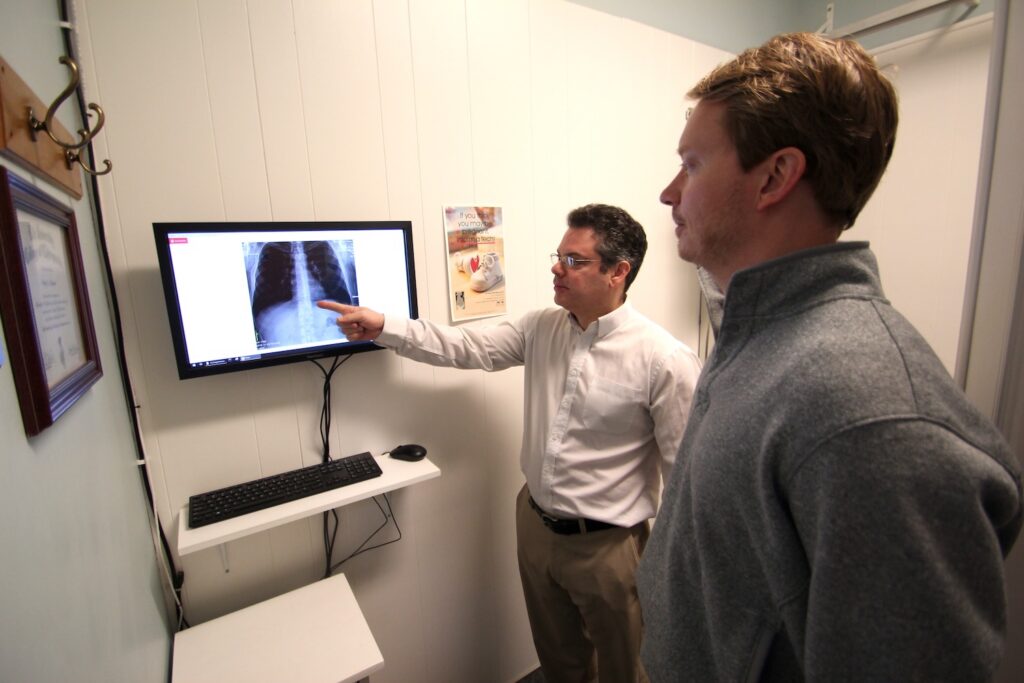

When you think about family wellness, affordable care is often a key player that can't be overlooked. It guarantees that your loved ones have access to preventive services, regular check-ups, and necessary screenings without the burden of overwhelming costs. This accessibility not only helps in early detection of health issues but also fosters a culture of health awareness within the family. You might wonder how these elements come together to create a supportive environment that enhances overall well-being. Let's explore the intricate connections that make affordable care essential for thriving families.
Importance of Accessible Care
Accessible care is essential for promoting overall health and well-being in communities. When you have easy access to healthcare services, you're more likely to seek out the help you need, whether it's for a minor ailment or a serious condition. This accessibility guarantees that you don't have to delay getting treatment due to cost or distance, which can lead to more severe health issues down the line.
Think about how having healthcare facilities nearby can impact your daily life. You can schedule appointments without the added stress of long travel times or exorbitant costs. This convenience allows you to prioritize your health and the health of your family. When you can access care without barriers, you're empowered to make informed decisions about your well-being.
Moreover, accessible care supports preventive measures. You're more inclined to visit a doctor for regular check-ups, vaccinations, or even mental health support when these services are within reach. This proactive approach helps catch potential health problems early, ultimately saving you time, money, and even your life.
Additionally, accessible care fosters a sense of community. When everyone has equal access to healthcare, the overall health of the community improves. You're not only taking care of yourself but also contributing to a healthier environment for your family and neighbors.
It's about creating a culture where health and wellness are prioritized and supported, promoting a better quality of life for everyone involved.
Preventive Services and Screenings
Regular screenings are essential for catching potential health issues early, helping you maintain your overall wellness.
With access to preventive care, you can take charge of your health and reduce the risk of serious conditions.
Prioritizing these services not only benefits you but also supports your family's long-term health.
Importance of Regular Screenings
Throughout your life, prioritizing regular screenings can greatly impact your overall health and well-being. These preventive measures help catch potential issues before they escalate into serious problems. By staying proactive, you can identify conditions like high blood pressure, diabetes, or even certain cancers at an early stage, when treatment is often more effective.
Regular screenings aren't just about diagnosing illnesses; they also serve as a valuable opportunity to discuss your health concerns with your healthcare provider. You can address lifestyle factors, like diet and exercise, and receive tailored advice that can improve your quality of life.
Moreover, these visits can help establish a trusting relationship with your provider, ensuring you feel comfortable discussing any changes in your health. Additionally, many insurance plans cover preventive screenings without any out-of-pocket costs, making it easier for you to prioritize your health.
By taking advantage of these services, you not only safeguard your own well-being but also set a positive example for your family. Ultimately, regular screenings empower you to take control of your health journey and embrace a healthier future.
Don't wait—schedule your screenings today!
Access to Preventive Care
While traversing the healthcare system can sometimes feel overwhelming, access to preventive care is crucial for maintaining your health. Preventive services and screenings help you catch potential issues early, allowing for timely intervention and better outcomes. With affordable care options, you can take advantage of these essential services without breaking the bank.
Regular check-ups, vaccinations, and screenings are designed to identify risks before they escalate into serious problems. For instance, routine blood pressure checks can help you manage hypertension, while screenings for cholesterol and diabetes can keep those conditions in check.
With health insurance often covering these preventive services at little to no cost, you've got fewer barriers to accessing the care you need. It's also important to stay informed about what services your plan includes. Many plans offer resources to help you find local clinics or specialists.
Don't hesitate to reach out to your healthcare provider with questions about recommended screenings based on your age, gender, and family history. Prioritizing preventive care not only protects your health but also contributes to the overall wellness of your family, ensuring everyone has the opportunity to thrive.
Mental Health Support Resources
When it comes to mental health, you've got options that can fit your needs.
Accessible therapy options, community support networks, and telehealth innovations make it easier than ever to find the help you deserve.
Let's explore how these resources can support your journey towards wellness.
Accessible Therapy Options
Finding accessible therapy options is vital for anyone seeking mental health support. You deserve to feel heard and supported, and luckily, there are various avenues you can explore.
First, consider online therapy platforms that offer flexible scheduling and often lower costs. These services can connect you with licensed professionals from the comfort of your home.
If you prefer in-person sessions, check local clinics and nonprofit organizations that provide sliding scale fees based on income. Many therapists are willing to work with you to make treatments affordable.
Additionally, schools and universities often have training programs where you can receive therapy from graduate students under supervision, usually at a reduced rate.
Don't forget to explore community resources. Some organizations provide workshops, group therapy, and support groups that can be both beneficial and cost-effective.
Lastly, always check with your health insurance provider to understand your coverage options. They may have a list of in-network therapists, which can greatly reduce your out-of-pocket expenses.
Community Support Networks
Community support networks play an essential role in providing mental health resources that can make a real difference in your life. These networks connect you with individuals and organizations that understand the challenges you face. By engaging with local groups, you gain access to a wealth of knowledge, support, and shared experiences.
Whether it's peer support groups, community workshops, or organized events, these resources foster a sense of belonging and understanding. You'll find that talking to others who've faced similar struggles can reduce feelings of isolation and promote healing.
Additionally, many community networks offer educational programs that empower you to take charge of your mental health. Don't underestimate the importance of local resources like hotlines, counseling services, or mental health awareness campaigns. They can provide immediate assistance and guidance during tough times.
Telehealth Innovations
Telehealth innovations are increasingly transforming mental health support resources, making it easier than ever for you to access care from the comfort of your home.
With the rise of virtual therapy sessions and mental health apps, you can connect with professionals whenever you need support. Whether you're dealing with anxiety, depression, or stress, telehealth offers a variety of options tailored to your needs.
One major benefit is the flexibility telehealth provides. You can schedule appointments that fit your lifestyle, eliminating the need for long commutes or time off work. Plus, you can choose from a range of specialists, ensuring you find the right fit for you. Many platforms also offer secure messaging, allowing you to communicate with your therapist between sessions.
Additionally, telehealth removes barriers that might prevent you from seeking help. You don't have to worry about stigma or feeling uncomfortable in a waiting room. Instead, you can engage in therapy in a familiar environment, which may enhance your comfort level and openness.
As telehealth continues to evolve, it's becoming an essential resource in ensuring mental wellness for individuals and families alike.
Embrace these innovations to prioritize your mental health today.
Family Wellness Programs
Many families benefit from engaging in wellness programs designed to enhance their overall health and well-being. These programs often offer a variety of activities and resources tailored to the unique needs of families, making it easier for you to incorporate healthy habits into your daily routine.
Whether it's fitness classes, nutrition workshops, or stress management sessions, wellness programs are about creating a supportive environment for every family member.
Participating in these programs can strengthen family bonds as you work together towards common health goals. You might find that cooking nutritious meals together not only improves your diet but also fosters teamwork and communication.
Group exercises can turn into fun family outings, encouraging everyone to stay active while enjoying each other's company.
Additionally, wellness programs often provide valuable resources like access to mental health professionals, which can be essential for families maneuvering challenges. Knowing you have support can reduce stress and promote a sense of security among family members.
Health Education and Awareness
Engaging in family wellness programs naturally leads to greater health education and awareness. When you participate in these programs, you're not just improving your family's physical health; you're also gaining valuable knowledge that can empower you to make informed decisions about your well-being.
This education isn't just about understanding health conditions; it encompasses a wide range of topics essential for maintaining a healthy lifestyle.
Here are three key areas of health education that can enhance your family wellness:
- Nutrition: Learning about balanced diets, portion sizes, and the importance of whole foods helps you make better meal choices for your family.
- Preventive Care: Understanding the significance of regular check-ups and screenings guarantees you catch potential health issues early, reducing the risk of serious complications later.
- Mental Health: Recognizing the importance of mental well-being allows you to support each other in managing stress and fostering a positive environment at home.
Affordability of Prescription Medications
When it comes to managing your family's health, the cost of prescription medications can be a significant concern.
You might be surprised to learn about various insurance coverage options and discount programs that can help lower these costs.
Understanding how to navigate these resources can make a real difference in your family's wellness.
Lowering Medication Costs
Prescription medications can be a heavy financial burden for families, often leading to difficult choices between necessary treatments and other essential expenses.
However, there are effective strategies to lower medication costs and make healthcare more accessible for you and your loved ones.
Consider these options to help ease the financial strain:
- Generic Medications: Always ask your doctor if a generic version of your prescription is available. These are often just as effective but considerably cheaper.
- Patient Assistance Programs: Many pharmaceutical companies offer programs to help patients afford their medications. Don't hesitate to research and apply for these programs if you qualify.
- Pharmacy Discounts: Use discount cards or compare prices at various pharmacies. You might be surprised at how much you can save by shopping around.
Taking these steps can alleviate the pressure of medication costs.
By actively seeking out alternatives, you're not only prioritizing your family's health but also ensuring that financial constraints don't limit access to the treatments you need.
Insurance Coverage Options
Steering through insurance coverage options can often feel overwhelming, but understanding your plan's specifics is essential for managing prescription medication costs. Start by reviewing your policy to identify which medications are covered. Some plans have a formulary, a list that outlines covered drugs and their tiers, which can affect your out-of-pocket expenses.
Next, know your copay or coinsurance rates. Copays are fixed amounts you pay for prescriptions, while coinsurance is a percentage of the drug's price. Depending on your plan, you may find that generic medications are considerably cheaper than brand-name ones. It's worth discussing alternatives with your healthcare provider if you're facing high costs.
Additionally, check if your insurance plan has a mail-order option. Many plans offer lower prices for long-term medications when you order them through the mail.
Don't forget to stay informed about annual updates to your coverage, as insurers can change formularies and cost structures. By proactively managing your insurance options, you can better navigate the complexities of prescription costs and guarantee that your family has access to necessary medications without breaking the bank.
Discount Programs Available
Many families struggle with the high costs of medications, but various discount programs can help ease this financial burden. These programs are designed to make prescription drugs more affordable, allowing you and your loved ones to access necessary treatments without breaking the bank.
By taking advantage of these options, you can markedly reduce your out-of-pocket expenses.
Here are a few types of discount programs you might consider:
- Patient Assistance Programs (PAPs): Many pharmaceutical companies offer PAPs that provide free or low-cost medications to eligible families in need.
- Discount Cards: Look for discount card programs that can be used at participating pharmacies, providing instant savings on a wide range of prescriptions.
- Generic Alternatives: Always ask your healthcare provider about generic versions of medications, which can be notably cheaper than their brand-name counterparts.
Regular Check-Ups and Monitoring
Regular health check-ups are essential for maintaining your overall wellness and catching potential issues early. These visits provide an opportunity for you to engage with your healthcare provider, discuss any concerns, and receive preventive care tailored to your needs. Whether it's an annual physical, dental exam, or vision check, regular appointments play a vital role in ensuring your family's health.
During these check-ups, your doctor will monitor key health indicators like blood pressure, cholesterol levels, and body mass index. They might also recommend vaccinations and screenings appropriate for your age and risk factors. By staying proactive, you can address health issues before they escalate, saving you time, money, and stress in the long run.
You might think that if you feel fine, there's no need for a check-up, but many health conditions can develop silently. Regular monitoring helps identify these issues early, allowing for timely intervention. For your children, check-ups help track growth and development, ensuring they're on the right path.
Additionally, affordable care options often include incentives for regular visits, making it easier for you to prioritize your family's health. Establishing a routine of check-ups fosters a culture of wellness within your family, teaching children the importance of taking care of their health.
Community Health Initiatives
While keeping up with regular check-ups is important, community health initiatives can expand your family's access to wellness resources.
These initiatives often provide services that can improve your family's overall health and well-being without the financial burden. By participating in local programs, you harness the power of community to enhance your family's health outcomes.
Community health initiatives typically focus on prevention and education, helping you and your family make informed decisions about health.
Here are a few key benefits you can gain from these initiatives:
- Health Screenings: Many community programs offer free or low-cost screenings for various health conditions, which can help catch issues early.
- Nutrition Education: You'll find workshops and resources that educate families on healthy eating habits, which can lead to better nutrition and lifestyle choices.
- Physical Activity Programs: Engaging in local fitness classes or sports leagues can encourage your family to stay active and foster a sense of community.
Telehealth Services for Families
In today's fast-paced world, telehealth services offer families a convenient way to access healthcare from the comfort of home. Instead of juggling appointments and waiting rooms, you can connect with healthcare professionals through your smartphone or computer. This not only saves time but also reduces the stress of getting everyone ready for an in-person visit.
Imagine your child has a cough at 8 PM. With telehealth, you can consult a pediatrician without leaving the house. You'll get expert advice quickly, which can help you decide if a visit to the ER is necessary or if home care is sufficient. This immediate access to care can alleviate worries and keep your family's health on track.
Telehealth services also allow for easier management of chronic conditions. If someone in your family has diabetes or asthma, regular check-ins with a healthcare provider can be done virtually. You'll receive guidance on managing symptoms, medication adjustments, and lifestyle changes right from your living room.
Moreover, telehealth can bridge the gap for families living in rural areas. Access to specialists often requires long drives, but with telehealth, you can consult with experts who may be miles away, all without the hassle of travel.
Building Healthier Habits Together
After utilizing telehealth services to address immediate health concerns, families can focus on building healthier habits together. This collaborative approach not only fosters better health but also strengthens family bonds.
By engaging in activities that promote well-being, you create a supportive environment where everyone can thrive.
Start by setting achievable goals as a family. Whether it's cooking nutritious meals, exercising together, or prioritizing mental health, these shared experiences can greatly impact your overall wellness.
Here are three effective strategies to kickstart your journey:
- Meal Planning: Involve everyone in planning and preparing healthy meals. This not only teaches valuable cooking skills but also encourages mindful eating habits.
- Family Workouts: Schedule regular family workouts or outdoor activities. Exercising together makes it fun and keeps everyone accountable to their health goals.
- Mindfulness Practices: Incorporate mindfulness activities such as meditation or yoga sessions. These practices can help reduce stress and improve emotional well-being for all family members.
Conclusion
In today's world, affordable care is essential for your family's wellness. By ensuring access to preventive services, mental health support, and regular check-ups, you can catch health issues early and promote a healthier lifestyle. Engaging in community health initiatives and utilizing telehealth services makes it easier to prioritize well-being. Together, you can build healthier habits and create a supportive environment that fosters overall health. Remember, investing in affordable care is investing in your family's future.