
If you're dealing with chronic pain, understanding the path to relief can be essential. It starts with recognizing your pain and exploring various treatment options that cater to your needs. Incorporating mindfulness techniques can also play a significant role in managing your emotional response to pain. Staying active, even in small ways, can improve both your physical and mental well-being. Finally, building a supportive network can provide the encouragement you need. But what are these steps, and how can they specifically impact your daily life?
Understand Your Pain
To effectively manage chronic pain, you first need to understand its nature and underlying causes. Chronic pain isn't just a symptom; it's a complex condition that can stem from various factors, including injuries, inflammation, and even emotional issues. Recognizing what triggers your pain can be the first step toward finding relief.
Start by paying attention to your body. Notice when the pain intensifies and if specific activities or situations worsen it. Keeping a pain journal can help you track these patterns. Write down the intensity of your pain, its location, and any accompanying symptoms. This information can provide insights into what might be exacerbating your condition.
It's also essential to evaluate the psychological aspects of chronic pain. Stress, anxiety, and depression can amplify your experience of pain. Acknowledging these emotional factors can empower you to approach your pain from a more holistic perspective.
Additionally, understanding the physiological mechanisms of pain can aid you in your journey. Chronic pain can result from overactive nerve signals or changes in the way your brain processes pain. Educating yourself about these processes can demystify your experience and reduce feelings of helplessness.
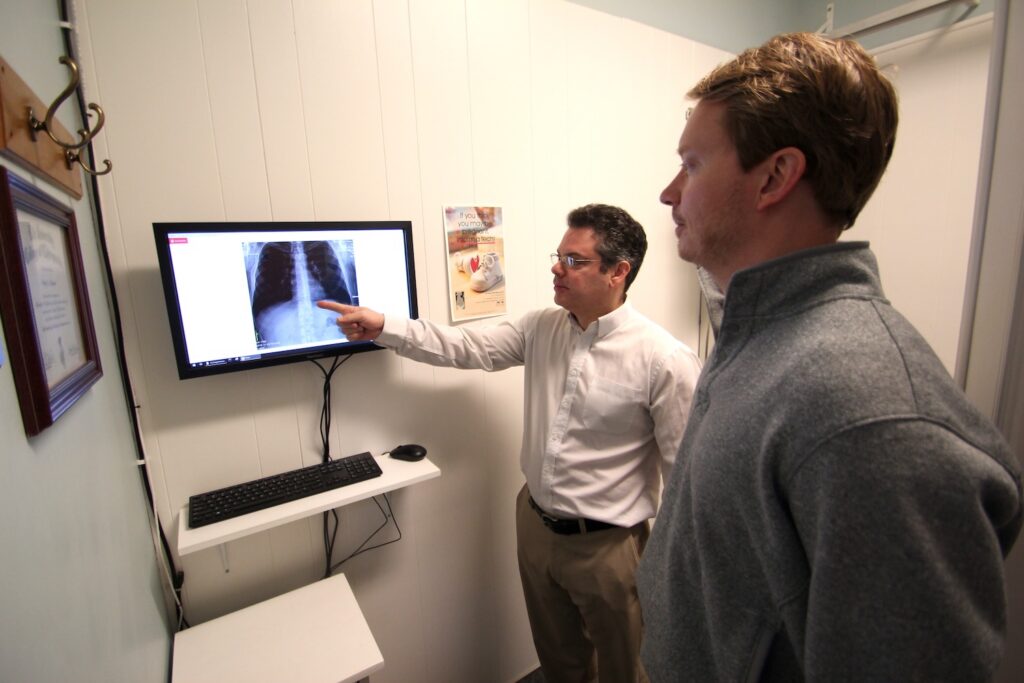
Lastly, don't hesitate to seek professional help. Consulting with healthcare providers can help you gain a clearer understanding of your condition. They can offer diagnostic insights and support you in tracking the evolution of your pain.
With knowledge and awareness, you're better equipped to navigate the complexities of chronic pain and take steps toward relief.
Explore Treatment Options
Exploring treatment options for chronic pain is essential in finding the relief you need. With various approaches available, it's vital to understand which options might work best for you. Start by consulting your healthcare provider, who can help you assess your situation and recommend a personalized plan.
Medications are often the first line of defense. Over-the-counter pain relievers like ibuprofen or acetaminophen can be effective for mild pain. For more severe cases, your doctor might prescribe stronger medications or muscle relaxants. However, it's important to discuss potential side effects and the risk of dependency with your doctor.
Physical therapy can also play a significant role in managing chronic pain. A trained therapist will work with you to develop a tailored exercise program that focuses on strengthening your muscles, improving flexibility, and increasing overall mobility. This can lead to long-term pain relief.
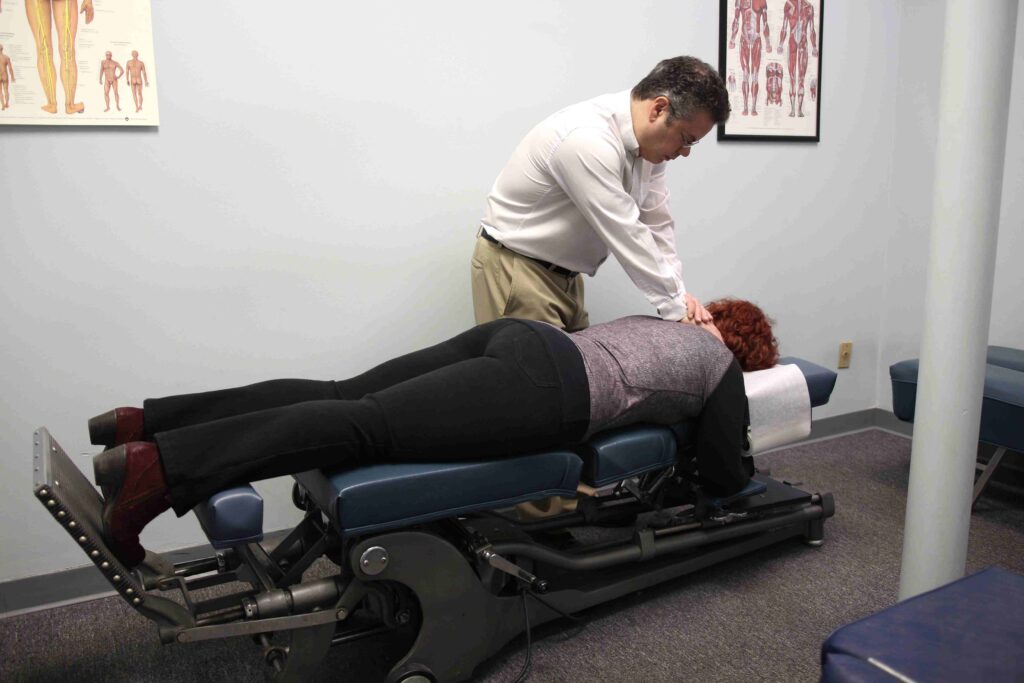
Alternative therapies, such as acupuncture or chiropractic care, may offer additional benefits. Many people find relief through these methods, so consider discussing them with your provider to see if they're appropriate for your condition.
Lastly, lifestyle changes can have a significant impact on your pain levels. Regular exercise, a balanced diet, and maintaining a healthy weight can help manage symptoms.
Incorporate Mindfulness Techniques
In addition to traditional treatment options, incorporating mindfulness techniques can greatly enhance your chronic pain management strategy. Mindfulness is about being present and fully engaged in the moment without judgment, which can help you manage pain more effectively. By practicing mindfulness, you can change how you perceive and respond to your pain.
Start by dedicating a few minutes each day to mindfulness meditation. Find a quiet space, sit comfortably, and focus on your breath. As thoughts or sensations arise, acknowledge them without getting caught up in them. This practice can help you develop a greater awareness of your pain and reduce anxiety surrounding it.
You can also use mindful breathing exercises throughout the day. When you feel pain intensifying, take a moment to breathe deeply. Inhale slowly through your nose, hold for a few seconds, and exhale through your mouth. This simple technique helps calm your nervous system and can lessen the intensity of your pain.
Additionally, consider incorporating mindful movement practices like yoga or tai chi. These activities encourage you to connect with your body and promote relaxation, which can be beneficial in managing pain. Focus on your body's sensations as you move, paying attention to how each posture affects your pain level.
Stay Active and Moving
Staying active and moving is essential for managing chronic pain effectively. When you engage in regular physical activity, you can boost your mood, improve your flexibility, and reduce stiffness.
It might feel challenging at times, but incorporating movement into your daily routine can lead to significant improvements in your overall well-being.
Here are four simple yet powerful ways to stay active:
- Take Short Walks: Even a brief stroll can refresh your mind and body. Aim for 10-15 minutes a day, gradually increasing as you feel comfortable.
- Try Gentle Stretching: Incorporate gentle stretches into your morning or evening routine. This can help release tension and promote better mobility.
- Engage in Low-Impact Activities: Consider swimming or cycling. These activities are easier on your joints while still providing great cardiovascular benefits.
- Join a Class: Look for local classes focused on yoga, tai chi, or Pilates. These can't only keep you moving but also connect you with others who understand your journey.
Build a Support Network
Building a support network is essential for managing chronic pain effectively. You don't have to face this journey alone. Surrounding yourself with people who understand what you're going through can make a significant difference in your daily life.
Start by reaching out to friends and family who are supportive and willing to listen. Share your challenges and triumphs with them; this connection can help alleviate feelings of isolation.
Consider joining support groups, either in-person or online. These groups provide a platform where you can share experiences and coping strategies with others who understand your struggles. Hearing how others manage their pain can give you new ideas and perspectives.
Plus, it's comforting to know that you're not alone in this battle.
Don't forget to include healthcare professionals in your network. Building a relationship with your doctors and therapists is vital. They can offer guidance, resources, and treatment options tailored to your needs.
Make sure to communicate openly about your pain levels and any concerns you have.
Additionally, explore local community resources—like wellness programs or fitness classes designed for people with chronic pain. These can help you build connections while also working on your physical health.
Lastly, don't underestimate the power of pets. Animals provide unconditional love and support, which can be incredibly therapeutic.
Conclusion
By understanding your pain and exploring various treatment options, you can take control of your chronic condition. Incorporating mindfulness techniques helps you manage emotions, while staying active keeps your body and mind healthy. Don't underestimate the power of a supportive network—friends, family, and healthcare professionals can be invaluable in your journey. Remember, you're not alone in this, and these steps can lead to significant relief and an improved quality of life.