
If you're looking to elevate your athletic performance, you might find that integrating a few key techniques can make a significant difference. From strength training strategies to the importance of nutrition, each element plays an essential role in your overall effectiveness. You'll also want to take into account recovery techniques and mental conditioning, which can enhance not just your physical abilities, but your mental resilience as well. Understanding how to set effective goals and track your progress can be the game-changer you need. Curious about how these aspects come together? Let's explore them further.
Strength Training Strategies
When you incorporate strength training strategies into your routine, you can greatly boost your athletic performance. Strength training isn't just about building muscle; it enhances your overall power, speed, and endurance. By focusing on specific techniques, you can maximize your gains and improve your athletic capabilities.
Start with compound movements like squats, deadlifts, and bench presses. These exercises engage multiple muscle groups, promoting functional strength that translates directly to your sport. Aim for a mix of heavy lifting with lower repetitions and lighter weights with higher repetitions to develop both strength and muscular endurance.
Don't overlook the importance of proper form. Prioritize technique over the amount of weight you lift to prevent injuries. Consider working with a coach or using video analysis to guarantee you're executing movements correctly.
Additionally, incorporate plyometric exercises, such as box jumps and medicine ball throws, to enhance your explosive power, which is vital for many athletic activities.
Include a balanced progression in your training plan. Gradually increase your weights or intensity to continue challenging your muscles. Also, allow adequate recovery time between sessions. Rest is where your muscles repair and grow stronger, so don't skip it.
Lastly, keep your workouts varied to avoid plateaus. By changing your routine regularly, you'll keep your muscles engaged and motivated.
With these strength training strategies in place, you'll not only feel stronger but also see significant improvements in your athletic performance.
Importance of Nutrition
Strength training alone won't release your full athletic potential; nutrition plays an indispensable role in your performance. To truly excel, you need to fuel your body with the right nutrients. What you eat directly impacts your energy levels, stamina, and recovery. Without proper nutrition, you might find yourself hitting a wall during training or competition.
Carbohydrates are your primary energy source, especially during high-intensity workouts. They provide glycogen, which your muscles rely on for fuel. Incorporating whole grains, fruits, and vegetables into your diet guarantees you have sufficient energy to power through your sessions.
Don't forget about protein, too. It's essential for muscle repair and growth. Aim for lean proteins like chicken, fish, beans, and legumes to help your body recover after intensive workouts.
Fats shouldn't be overlooked either. Healthy fats, found in avocados, nuts, and olive oil, are crucial for hormone production and can enhance your endurance.
Staying hydrated is equally important. Dehydration can lead to fatigue and decreased performance, so drink water consistently throughout the day.
Timing your meals is key; eating a balanced meal or snack before and after workouts can optimize your energy levels and recovery.
When you combine strength training with good nutrition, you'll see improvements in both performance and overall well-being. Make nutrition a priority, and watch how it transforms your athletic journey. Remember, every bite counts toward your success.
Recovery Techniques
Effective recovery techniques are vital for athletes looking to maximize their performance and minimize the risk of injury. After intense training or competition, your body needs time to heal and rebuild. Prioritizing recovery can lead to improved performance in the long run.
One of the most effective recovery methods is active recovery. Engaging in low-intensity exercises, like walking or cycling, helps increase blood flow to your muscles without putting too much strain on them. This promotes the removal of lactic acid and speeds up the healing process.
Alongside this, incorporating stretching or yoga can enhance flexibility and prevent stiffness.
Hydration plays an important role in recovery, too. After sweating it out, you need to replenish lost fluids and electrolytes. Drinking water or electrolyte-rich drinks can help restore balance and support peak muscle function.
Don't overlook the importance of sleep. Quality sleep is when your body repairs itself, so aim for 7-9 hours nightly. Establishing a consistent sleep routine can dramatically impact your recovery.
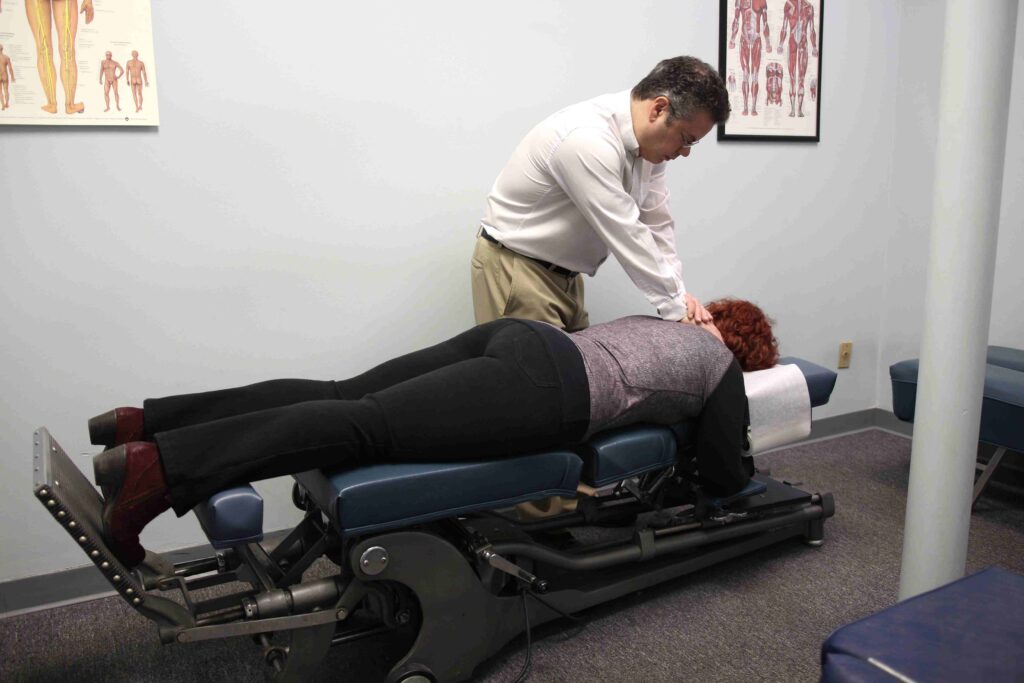
Additionally, consider incorporating techniques like foam rolling or massage therapy. These methods can alleviate muscle tightness, improve circulation, and reduce soreness.
Finally, listen to your body. If you're feeling unusually fatigued or sore, allow yourself extra time to recover. By integrating these recovery techniques into your routine, you'll guarantee that you're not only prepared for your next workout but also on the path to achieving your athletic goals.
Mental Conditioning
Harnessing the power of mental conditioning can considerably elevate your athletic performance. It's not just about physical strength or skill; your mindset plays a vital role in achieving peak performance. When you train your mind, you build resilience, focus, and confidence, all of which are essential when you're competing.
One effective technique is visualization. Picture yourself executing your sport flawlessly, whether it's hitting the perfect shot in tennis or crossing the finish line in a race. This mental rehearsal helps create neural pathways that can enhance your physical execution. Close your eyes, breathe deeply, and immerse yourself in the details of the scene.
Another powerful strategy is positive self-talk. Replace negative thoughts like "I can't do this" with affirmations such as "I'm strong and capable." This shift in mindset not only boosts your confidence but also reduces performance anxiety. Remember, the words you say to yourself can shape your reality.
Mindfulness and meditation can also play a significant role in mental conditioning. By training your mind to stay present, you can improve focus and reduce distractions during competitions. Set aside time daily to practice mindfulness techniques, allowing yourself to cultivate a calm and centered mindset.
Finally, embrace the power of routine. Developing pre-performance rituals can help you get into the right mental space. Whether it's listening to specific music or following a warm-up sequence, find what works for you and stick to it.
With consistent mental conditioning, you'll reveal your true athletic potential.
Goal Setting and Tracking
Finally, consider sharing your goals with a coach or training partner. They can provide valuable feedback and accountability.
Remember, goal setting and tracking isn't just about achieving specific outcomes; it's about fostering a growth mindset that encourages continuous improvement.
Embrace the process, stay dedicated, and you'll see significant enhancements in your athletic performance.
Conclusion
By incorporating strength training, prioritizing balanced nutrition, and utilizing effective recovery techniques, you can greatly enhance your athletic performance. Don't overlook the power of mental conditioning and the importance of setting achievable goals. By tracking your progress, you'll stay motivated and accountable. Embrace these strategies, and you'll not only improve your skills but also gain the confidence to push your limits. Remember, every small step you take brings you closer to reaching your full potential.