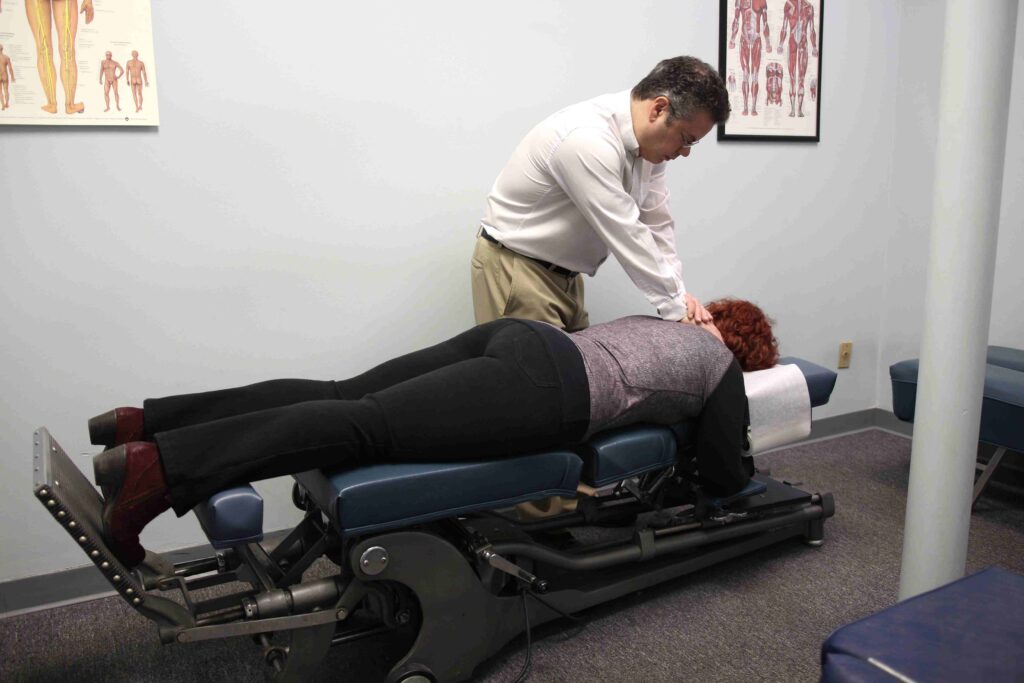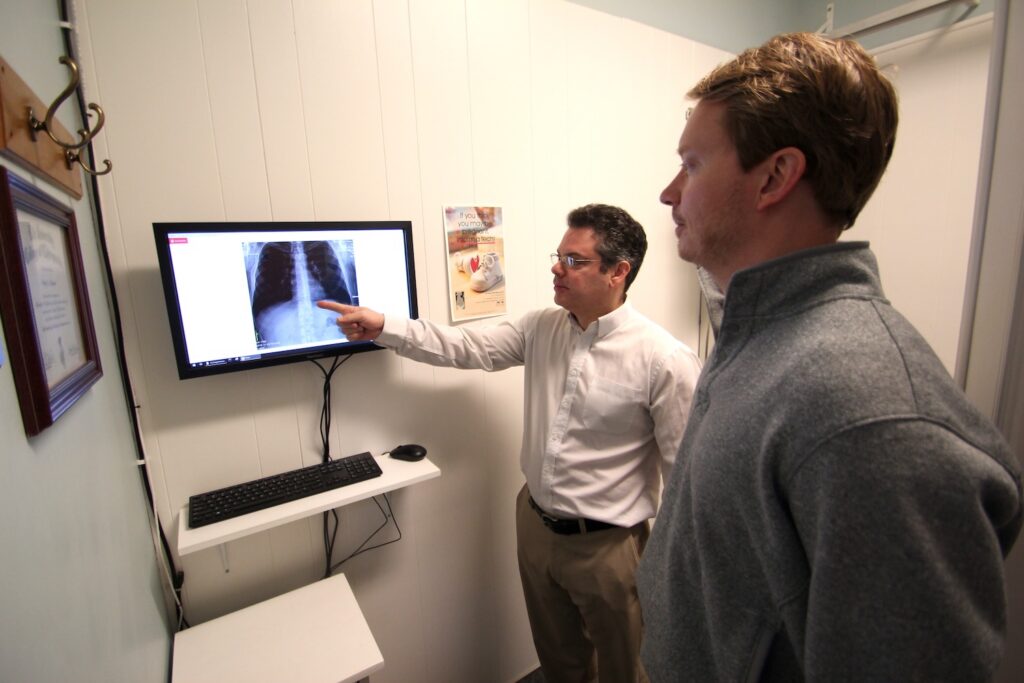

As a local chiropractor, I want to emphasize that when you're dealing with a sports injury, your recovery process is not solely dependent on the time that passes; it's about how you utilize that time effectively. By incorporating some key strategies into your healing regimen, you can significantly accelerate your recovery.
First and foremost, prioritizing rest is vital. Your body needs time to heal, but it's equally important to engage in gentle movements that promote circulation and flexibility. Proper nutrition also plays a critical role; nourishing your body with the right foods can provide the essential nutrients needed for healing.
Additionally, understanding the principles of rehabilitation and pain management can greatly enhance your recovery experience. Chiropractic care can support your healing by addressing misalignments and improving overall function, allowing your body to recover more efficiently.
If you're curious about how to implement these strategies in a way that aligns with natural healing principles, I'm here to guide you through the essential steps you shouldn't overlook. Let's work together to ensure your recovery is as swift and effective as possible!
Prioritize Rest and Sleep
As a local chiropractor, I want to emphasize the critical importance of prioritizing rest and sleep in your recovery from a sports injury. When you sustain an injury, your body is undergoing a healing process that requires adequate time and care. Rest and quality sleep play a vital role in this journey. They aid in tissue repair, help reduce inflammation, and enhance your immune system, all of which are essential for your recovery.
I understand that you may feel tempted to push through the discomfort, but it's crucial to listen to your body. Ignoring its signals can delay your healing. Instead, create a restful sleeping environment—keep your room dark, quiet, and at a comfortable temperature. Aim for 7-9 hours of quality sleep each night to support your body's natural healing mechanisms.
In addition to nighttime rest, short naps during the day can be beneficial. These brief periods of sleep can help alleviate fatigue and offer additional recovery time. Keep your naps to about 20-30 minutes to ensure they don't interfere with your nightly sleep.
Establishing a calming bedtime routine is also essential. Activities such as reading, gentle stretching, or meditation can help signal to your body that it's time to unwind. Be mindful to avoid screens and stimulating activities close to bedtime, as these can disrupt your sleep quality.
As you focus on rest and sleep, remember that chiropractic care can also support your healing process. Regular adjustments may help alleviate pain and improve your overall well-being, allowing you to recover more effectively.
Always prioritize your body's needs and reach out for support when necessary. Your journey to recovery is important, and I'm here to guide you every step of the way.
Maintain Proper Nutrition
As a chiropractor, I understand that while rest and sleep are vital for your recovery, maintaining proper nutrition is just as crucial. Your body needs the right fuel to heal effectively and regain strength, especially when you're working through pain or discomfort. By focusing on a balanced diet, you can enhance your recovery process and expedite healing.
Let's break down three essential nutritional components that can support your healing journey:
- Protein: This nutrient is vital for muscle repair and tissue regeneration. To ensure your body has what it needs, incorporate sources of lean protein such as chicken, fish, eggs, beans, and legumes into your meals. This helps in rebuilding tissues that may have been stressed during your chiropractic care.
- Healthy Fats: Omega-3 fatty acids are known for their anti-inflammatory properties, which can be beneficial in your recovery. Make sure to include healthy fats from sources like avocados, nuts, seeds, and fatty fish in your diet. These can help reduce inflammation and promote overall wellness.
- Vitamins and Minerals: Key nutrients such as vitamin C, vitamin D, calcium, and zinc are crucial for recovery. Incorporate a variety of fruits, vegetables, whole grains, and dairy into your meals to ensure you're getting a wide range of these essential nutrients.
Never underestimate the impact of good nutrition on your healing journey. Eating a variety of nutrient-dense foods can boost your immune system, minimize inflammation, and promote faster recovery. Aim to create colorful and diverse meals that nourish your body rather than just filling up on empty calories.
Additionally, consider the timing of your meals. Consuming protein-rich snacks shortly after your chiropractic sessions or workouts can significantly aid in muscle recovery. If you're finding it challenging to eat enough, meal prepping can be a helpful strategy, or you might consider consulting a nutritionist for personalized guidance.
Stay Hydrated
As a local chiropractor, I want to emphasize the importance of staying hydrated for your recovery from sports injuries and for your overall health. Water is vital for your body's physiological functions, particularly when you're healing from an injury. It plays a crucial role in delivering nutrients to your cells, flushing out toxins, and regulating your body temperature—all of which are essential for a smooth healing process.
When you're dealing with an injury, your body may actually need more fluids than usual. Staying well-hydrated helps keep your joints lubricated, which is especially beneficial if you're experiencing sprains or strains. Additionally, proper hydration supports circulation, allowing oxygen and vital nutrients to reach the injured areas more effectively. This can speed up your healing and help reduce inflammation.
Many people don't realize how quickly dehydration can occur, especially when they're focused on recovery. I encourage you to make it a habit to drink water regularly throughout the day. A good guideline is to aim for at least eight 8-ounce glasses of water daily, but depending on your activity level and the climate, you might need even more.
Don't forget about hydrating foods, too! Fruits and vegetables like watermelon, cucumbers, and oranges can help boost your fluid intake.
Listen to your body—common signs of dehydration include fatigue, dizziness, and dry mouth. If you experience any of these symptoms, be sure to increase your water consumption immediately.
Engage in Rehabilitation Exercises
Rehabilitation exercises play a vital role in your recovery from sports injuries, and as a local chiropractor, I want to emphasize how they can help you heal naturally and effectively.
These exercises are designed to restore your strength, enhance flexibility, and improve your range of motion, which ultimately allows you to return to your favorite activities in a safe and timely manner.
By participating in a customized rehabilitation program, you not only facilitate your healing process but also reduce the risk of future injuries.
Here are three significant benefits of incorporating rehabilitation exercises into your recovery plan:
- Accelerated Healing: Through targeted exercises, we can promote blood circulation and tissue repair, which aids your body in recovering more swiftly.
- Improved Mobility: By gradually working on your flexibility and strength, we ensure that you regain full functionality and minimize stiffness in the affected area.
- Injury Prevention: Strengthening both the injured area and the surrounding muscles lowers the chances of experiencing re-injury in the future.
I encourage you to start with exercises that I or your healthcare provider recommend.
It's important that we tailor these movements to your specific injury to ensure they're safe and effective for you.
Always pay attention to your body; if you experience pain or discomfort during any exercise, please stop immediately and consult with us for guidance.
Consistency is crucial in this process.
Aim to practice your rehabilitation exercises several times a week, and as you progress, we can gradually increase the intensity to match your improving capabilities.
Maintaining a positive mindset and celebrating small milestones can significantly enhance your motivation throughout your recovery journey.
Incorporating rehabilitation exercises into your healing process is a proactive measure toward regaining your strength and confidence.
Stay dedicated, and with our support, you'll soon find yourself back in the game, stronger and more resilient than ever.
Utilize Pain Management Techniques
As you embark on your journey of rehabilitation exercises, it's crucial to recognize the importance of managing pain effectively for a smooth recovery. Neglecting to address pain can slow your progress and diminish your motivation. I encourage you to regularly assess your pain levels; this practice will help you discern when it's appropriate to push through discomfort and when it's best to ease off.
Over-the-counter pain relievers like ibuprofen or acetaminophen can be useful for managing pain, but it's wise to consult with your healthcare provider before taking any medication to ensure it's suitable for your specific injury. For more intense pain, prescription medications may be necessary, though they should be approached with caution.
Beyond medication, I recommend exploring alternative pain management techniques. For instance, heat therapy can relax tight muscles and enhance blood circulation, while cold therapy is effective in reducing inflammation and numbing acute pain. You can alternate between these methods depending on what feels most beneficial for your injury.
Don't overlook the power of relaxation techniques such as deep breathing, meditation, or gentle yoga. These practices can significantly help in managing pain by alleviating stress and promoting overall well-being.
I also suggest considering a consultation with a chiropractor. We can work together to develop personalized pain management strategies tailored to your condition. A chiropractor can teach you effective techniques to control pain during your rehabilitation exercises, focusing on natural healing methods that support your body's recovery process.
Lastly, always listen to your body. If you find that pain becomes too overwhelming, don't hesitate to modify your exercises or take necessary breaks.
Prioritizing pain management is key to setting you on the path toward a faster and more effective recovery. Remember, your well-being is my top priority, and together we can navigate this journey toward healing.
Conclusion
As a local chiropractor, I want to share with you five essential steps to help speed up your recovery from sports injuries. Many patients are unaware of the holistic approach we take in chiropractic care, which can significantly enhance your healing process.
First, let's talk about the importance of rest and sleep. Your body needs adequate time to heal, and quality sleep can aid in recovery. Alongside this, maintaining proper nutrition is crucial; the right nutrients can help repair tissues and reduce inflammation.
Staying hydrated is another key factor—water plays a vital role in keeping your body functioning optimally and can alleviate discomfort. Engaging in rehabilitation exercises is also important; these exercises, often guided by a chiropractor, can help restore strength and mobility to the injured area.
Lastly, don't overlook pain management techniques. Chiropractic adjustments and other natural therapies can help alleviate pain and promote healing without the need for medication. Remember, it's essential to listen to your body throughout this process; your health is paramount.
With dedication and the right chiropractic approach, you'll find yourself returning to your favorite activities even stronger than before. Take charge of your recovery today, and let us help guide you on this journey!