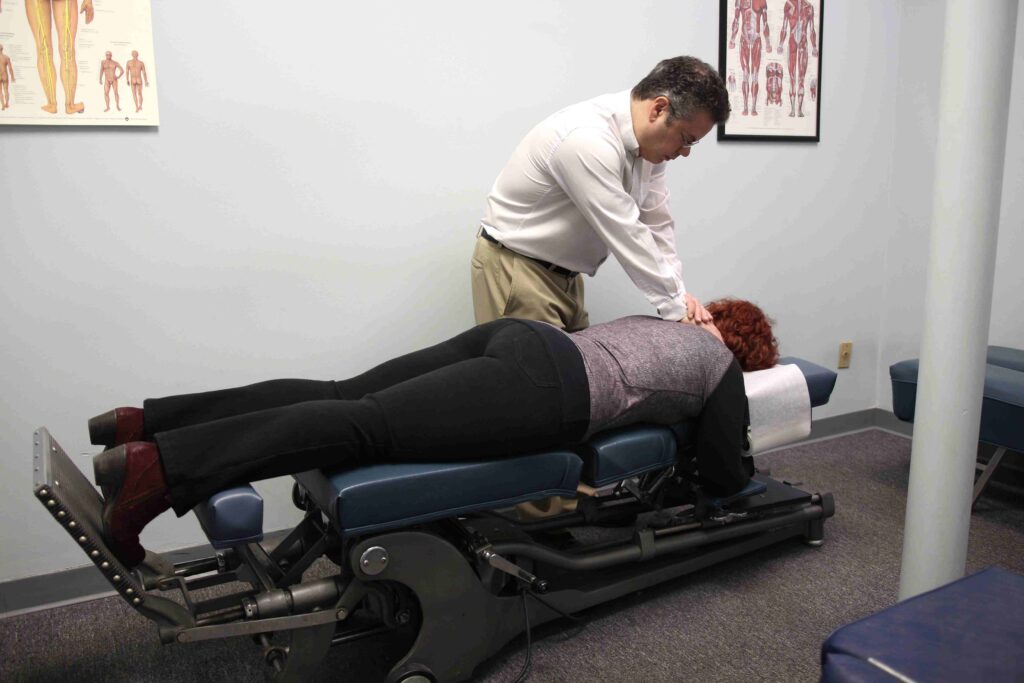

You might wonder why so many individuals prioritize regular care for their wellness. It's not just about addressing issues as they arise; it's about taking a proactive approach that empowers you to manage your health effectively. Regular check-ups can help you catch potential concerns early, while personalized care plans encourage healthy habits that stick. This approach fosters not only physical well-being but also mental resilience. However, the benefits extend far beyond immediate health; they can reshape your entire lifestyle. What's the secret behind this transformative impact?
The Importance of Regular Check-Ups
When it comes to your health, regular check-ups play an important role in maintaining your overall well-being. These visits give you a chance to catch potential health issues early, before they develop into more serious problems. You might think you feel fine, but underlying conditions can be lurking without any obvious symptoms.
During a check-up, your healthcare provider can assess your crucial signs, conduct necessary screenings, and discuss any concerns you might have. This proactive approach not only helps you stay informed about your health status but also empowers you to make better lifestyle choices. By keeping track of your health metrics, you can recognize patterns and tackle issues head-on, whether that means adjusting your diet, increasing physical activity, or managing stress.
Moreover, regular check-ups foster a strong relationship with your healthcare provider. This connection creates a safe space for you to discuss sensitive topics, ask questions, and seek guidance tailored to your unique situation. When you trust your provider, you're more likely to adhere to recommended screenings and follow-ups, which can greatly impact your long-term health.
In essence, making time for regular check-ups is a key investment in your health. It's not just about treating illnesses but also about building a foundation for a healthier future.
Prioritizing these visits guarantees that you're taking charge of your well-being and giving yourself the best chance at a long, healthy life. Don't wait until something feels wrong; schedule that check-up today!
Preventative Care and Its Benefits
Preventative care is key to catching health issues early, which can save you from more serious problems down the line.
Not only does it help maintain your well-being, but it can also be a cost-effective way to manage your health.
Early Detection Advantages
Catching health issues early can make a world of difference in your overall well-being. Regular check-ups and screenings allow you to identify potential problems before they escalate. When you spot issues early, you're more likely to have a wider range of treatment options available, which can lead to better outcomes. This proactive approach helps you maintain your health rather than just treating illness as it arises.
By engaging in preventative care, you not only protect your physical health but also gain peace of mind. Knowing that you're monitoring your health closely enables you to address concerns without the stress of late-stage diagnosis. This can greatly reduce anxiety about the unknown.
Moreover, early detection often means less invasive treatments and shorter recovery times. You can return to your daily life quicker, minimizing disruptions to your routine. It also empowers you to make informed decisions about your health, fostering a sense of control and involvement in your wellness journey.
Incorporating regular screenings and check-ups into your life is an investment in your future. It's about creating a foundation for long-lasting health and well-being, ensuring you thrive now and in the years to come.
Cost-Effective Health Maintenance
Regular check-ups not only enhance your early detection efforts but also serve as a cost-effective means of maintaining your health. By investing in preventative care, you're likely to catch potential issues before they escalate into more serious and costly conditions. This proactive approach can save you money on treatments, medications, and hospital visits down the line.
Consider the expense of managing chronic diseases like diabetes or heart disease, which can be considerably higher than routine check-ups. Regular visits to your healthcare provider empower you to manage your health effectively, leading to better outcomes and fewer emergencies.
Moreover, many insurance plans cover preventative services at little or no cost, making it even more accessible. By prioritizing these check-ups, you're not just saving money; you're also ensuring a longer, healthier life.
Incorporating preventative care into your regular routine isn't just smart; it's an investment in your future well-being. You'll enjoy peace of mind knowing you're taking active steps to protect your health while keeping your healthcare costs manageable.
Making regular check-ups a habit can lead to considerable long-term savings and improved quality of life.
Building Healthy Habits
Building healthy habits isn't about being perfect; it's about being consistent.
Start with small steps that fit easily into your daily routine, and you'll see meaningful changes over time.
Consistency Over Perfection
Healthy habits aren't built overnight; they thrive on consistency rather than the pursuit of perfection. When you focus on showing up, day after day, you set yourself up for lasting wellness.
Embracing the idea that progress, not perfection, is the goal will help you stay motivated and committed.
Here are some tips to foster consistency in your healthy habits:
- Set realistic goals: Aim for achievable milestones that you can gradually build on.
- Create a routine: Integrate your healthy habits into your daily schedule to make them second nature.
- Track your progress: Keep a journal or use an app to monitor your journey; it'll help you see how far you've come.
- Celebrate small wins: Acknowledge your achievements, no matter how minor, to reinforce positive behavior.
- Stay flexible: Life can be unpredictable. Allow yourself to adapt and adjust your plans as needed without guilt.
Small Steps Matter
Taking small steps can lead to significant changes in your wellness journey. When you focus on gradual improvements, you're more likely to stick with them long-term. Whether it's adding a ten-minute walk to your day or swapping out sugary snacks for fruits, these tiny shifts can build a foundation for healthier habits.
Start by identifying one area you'd like to improve. Maybe it's your diet, exercise, or sleep. Set achievable goals, like drinking an extra glass of water daily or taking the stairs instead of the elevator. These small victories boost your confidence and motivate you to tackle bigger challenges.
Celebrate your progress, no matter how minor it seems. Each step reinforces your commitment to wellness. Remember, it's about consistency, not perfection.
As you incorporate these small changes, you'll notice your energy levels rise, your mood improve, and your overall health become more robust.
Incorporating small steps into your routine makes lasting wellness feel attainable. So, take a moment today to choose one small change and watch how it leads to meaningful progress in your health journey. You've got this!
Mental Health and Wellness
Maneuvering through the complexities of mental health is essential for overall wellness, and it's important to prioritize your emotional well-being just as you'd your physical health.
Mental health impacts every aspect of your life, from your relationships to your career. By focusing on mental wellness, you're not just avoiding problems; you're actively creating a happier, more fulfilling life.
Here are some effective strategies to enhance your mental health:
- Practice Mindfulness: Spend a few minutes each day focusing on your breath or engaging in meditation to reduce stress.
- Stay Connected: Build strong relationships with friends and family. Social support is critical for emotional resilience.
- Set Boundaries: Learn to say no and prioritize your needs to avoid burnout and overwhelm.
- Engage in Physical Activity: Regular exercise releases endorphins, improving your mood and reducing anxiety.
- Seek Professional Help: If you're feeling overwhelmed, talking to a therapist or counselor can provide valuable support.
The Role of Nutrition
Nutrition plays a significant role in your overall wellness and can greatly influence your mental health. What you eat affects not just your body but also your mood, energy levels, and cognitive function. When you nourish your body with a balanced diet rich in whole foods, you're giving your brain the nutrients it needs to function at its best. This can lead to improved focus, better stress management, and a more positive outlook on life.
Incorporating a variety of fruits, vegetables, whole grains, lean proteins, and healthy fats can help create a stable foundation for your mental well-being. Foods high in omega-3 fatty acids, such as salmon and walnuts, have been linked to reduced symptoms of depression and anxiety. Likewise, complex carbohydrates found in whole grains can promote the production of serotonin, a neurotransmitter that contributes to feelings of happiness and relaxation.
It's also essential to stay hydrated. Dehydration can lead to fatigue and irritability, negatively impacting your mental clarity. Aim for adequate water intake throughout the day to keep your brain functioning at its peak.
While it might be tempting to reach for processed snacks or sugary treats for a quick energy boost, these can lead to crashes in mood and energy. Instead, focus on whole, nutrient-dense foods that support your body and mind.
Exercise as a Foundation
Exercise serves as a cornerstone for lasting wellness, greatly impacting both physical and mental health. When you prioritize regular physical activity, you're not just improving your body; you're enhancing your overall well-being.
It's crucial to recognize how exercise can transform your life.
Here are some key benefits you'll experience by incorporating exercise into your routine:
- Increased Energy: Regular workouts boost your stamina, making daily tasks feel easier.
- Improved Mood: Physical activity releases endorphins, helping reduce stress and anxiety.
- Better Sleep: Engaging in exercise can improve the quality and duration of your sleep.
- Enhanced Cognitive Function: Regular movement sharpens your focus and memory, making you more productive.
- Social Connections: Joining classes or groups provides opportunities to meet like-minded people, fostering friendships.
Establishing a consistent exercise routine doesn't have to be overwhelming. Start small; even short bursts of activity can yield substantial benefits.
Whether it's a brisk walk, yoga session, or strength training, find what you enjoy. This enjoyment will help you stay committed.
Long-Term Cost Savings
Investing in regular wellness practices, such as exercise, can lead to significant long-term cost savings. When you prioritize your health now, you're likely to avoid expensive medical bills down the line. Regular exercise helps prevent chronic diseases like diabetes, heart disease, and obesity, which can drain your finances with ongoing treatments and medications.
Moreover, maintaining a healthy lifestyle often results in fewer sick days. This means less time away from work and more consistent income. You might also find that you pay lower insurance premiums. Many health insurance providers offer discounts for those who actively engage in wellness activities, so you could save money just by staying fit.
Additionally, exercising regularly can boost your mental health, reducing the need for therapy or medication. This not only saves you money but also enhances your overall well-being. Think of the long-term benefits: a healthier life often means fewer hospital visits and less reliance on medical interventions, both of which can be quite costly.
Lastly, embracing preventive care through wellness practices leads to a more proactive approach to health. By investing your time and resources now, you're setting yourself up for a healthier, more financially sound future.
You'll likely find that the costs associated with regular check-ups, gym memberships, or healthy food choices pale in comparison to the potential savings from avoiding serious health issues later. So, make that investment in your wellness today; your future self will thank you.
Personalized Care Plans
Creating a personalized care plan can greatly enhance your wellness journey. When you tailor your health strategies to fit your unique needs, you're more likely to achieve lasting results. A personalized plan considers your individual health history, lifestyle preferences, and specific goals, making it an effective tool for maintaining your well-being.
Here are five key benefits of having a personalized care plan:
- Targeted Strategies: You can focus on areas that matter most to you, whether it's improving nutrition, increasing physical activity, or managing stress.
- Measurable Goals: Setting specific, achievable goals helps you track your progress and stay motivated.
- Enhanced Accountability: With a clear plan, you're more likely to stick to your commitments, as you'll have tangible steps to follow.
- Adaptability: Your needs may change over time, and a personalized care plan can adjust accordingly, ensuring you always have the right approach.
- Thorough Approach: You can integrate various aspects of wellness, such as mental health, physical fitness, and nutrition, creating a thorough support system for your overall well-being.
Community and Support Systems
While you can achieve significant wellness through personalized care plans, the role of community and support systems is equally essential. Having a network of supportive people can enhance your health journey, providing motivation and encouragement when you need it most. Your community can include friends, family, healthcare professionals, and even support groups that share similar goals or challenges.
When you engage with others who prioritize wellness, you create an environment conducive to growth. You'll find that sharing experiences, discussing setbacks, and celebrating victories can foster a sense of belonging and accountability. This shared commitment not only strengthens your resolve but also offers diverse perspectives and strategies that you mightn't have considered.
Moreover, support systems can help you navigate the complexities of your wellness journey. Whether you're facing emotional challenges or learning about new health practices, having someone to turn to can make all the difference. They can provide insights, resources, or simply a listening ear when you feel overwhelmed.
Conclusion
To sum up, trusting regular care for your wellness can transform your health journey. By prioritizing check-ups and embracing preventative measures, you're not just avoiding potential issues; you're also building a foundation for lasting well-being. Incorporating healthy habits, focusing on mental health, and maintaining proper nutrition and exercise create a supportive environment for you. With personalized care plans and community backing, you can achieve a healthier, happier life. Prioritize your health today for a brighter tomorrow!