When you're dealing with arthritis pain, choosing the right care can greatly impact your quality of life. Personalized treatment plans not only address your unique symptoms but also foster a strong relationship with your healthcare provider. With professional guidance, you can access the latest pain management strategies that suit your needs. But what if the key to effective relief lies in more than just medication? Exploring holistic approaches and alternative therapies could reveal a new level of comfort and function that you hadn't considered.
Understanding Arthritis Pain
Arthritis pain can feel like a relentless ache that affects your daily life. You might wake up stiff, struggle to grip a coffee cup, or find it difficult to climb stairs. This constant discomfort can overwhelm your physical and emotional well-being, making even simple tasks seem monumental. Understanding the nature of arthritis pain is vital for managing it effectively.
Arthritis pain usually stems from inflammation in the joints. You might experience swelling, warmth, and tenderness, which can worsen after periods of inactivity. Recognizing these symptoms allows you to identify when your pain is flaring up. It's important to pay attention to how different activities impact your pain levels. Activities you once enjoyed might now seem impossible, and that can be disheartening.
There are various types of arthritis, including osteoarthritis and rheumatoid arthritis, each with its own characteristics. In osteoarthritis, the protective cartilage wears down, leading to more friction in the joints. In rheumatoid arthritis, your immune system mistakenly attacks the joint linings, causing severe inflammation. Understanding the specific type of arthritis you have can guide your pain management strategies.
Keep in mind that arthritis pain isn't just physical; it can take a toll on your mental health, too. Feelings of frustration, anxiety, and depression often accompany chronic pain. Recognizing this connection can empower you to seek extensive support.
Benefits of Personalized Care
Personalized care can make a significant difference in managing arthritis pain effectively. When you receive tailored treatment, your healthcare providers focus on your specific needs, preferences, and circumstances. This individualized approach means you're not just another patient; you're a unique individual with distinct challenges and goals.
One of the primary benefits of personalized care is the ability to target your specific symptoms. Whether you're dealing with joint stiffness, swelling, or fatigue, your care plan can be adjusted to address these issues directly. This targeted approach often leads to quicker relief and improved overall function.
Additionally, personalized care fosters a stronger relationship between you and your healthcare team. You'll feel more comfortable discussing your symptoms, concerns, and treatment preferences, which can lead to better outcomes. When you're actively involved in your care, you're more likely to adhere to the treatment plan and make necessary lifestyle changes.
Another advantage is the ability to monitor your progress closely. Your healthcare provider can regularly assess how well the treatment is working and make adjustments as needed. This ongoing evaluation helps guarantee that you're on the right track and can prevent unnecessary complications or setbacks.
Holistic Approaches to Treatment
When managing arthritis pain, you might want to explore holistic approaches that focus on the whole person.
Natural remedies, mind-body techniques, and nutritional support can play a significant role in your treatment plan.
Natural Remedies Overview
For those seeking relief from arthritis pain, natural remedies offer a holistic approach that emphasizes the body's ability to heal itself.
These remedies can help reduce inflammation and improve joint function without the side effects of conventional medications. Here are three effective natural options you might consider:
- Turmeric: This powerful spice contains curcumin, known for its anti-inflammatory properties. You can incorporate it into your meals or take it as a supplement to potentially reduce pain and swelling.
- Ginger: Similar to turmeric, ginger has anti-inflammatory effects that can alleviate arthritis discomfort. You can enjoy it in teas, smoothies, or as a seasoning in your dishes.
- Omega-3 Fatty Acids: Found in fish like salmon and in flaxseeds, these healthy fats can help lower inflammation levels in the body. Adding these foods to your diet might provide significant relief.
Mind-Body Techniques
Many people find that mind-body techniques can greatly enhance their arthritis pain management. These approaches focus on the connection between your mind and body, helping you cultivate a sense of control over your pain. Techniques such as mindfulness meditation and deep-breathing exercises can reduce stress and promote relaxation, which often helps alleviate discomfort.
Engaging in practices like yoga or tai chi can improve flexibility and strength while fostering a sense of calm. These activities encourage you to tune into your body, allowing you to identify areas of tension and release them. Visualization techniques, where you imagine a peaceful scene or the relief of pain, can also be beneficial.
Incorporating these mind-body techniques into your daily routine can empower you to take charge of your pain. You might find that dedicating just a few minutes each day to these practices can lead to lasting improvements in your overall well-being.
Nutritional Support Strategies
While managing arthritis pain, nutritional support strategies can play an important role in enhancing your overall well-being.
By focusing on the right foods, you can help alleviate inflammation and boost your body's natural defenses. Here are three effective strategies you can incorporate into your diet:
1. Embrace Anti-Inflammatory Foods: Incorporate plenty of fruits, vegetables, whole grains, and healthy fats like olive oil and nuts.
Foods rich in omega-3 fatty acids, such as fish, can greatly reduce inflammation.
2. Limit Processed Foods: Cut back on sugar, refined carbs, and trans fats, which can worsen inflammation and pain.
Instead, opt for whole, unprocessed options that nourish your body.
3. Stay Hydrated: Drinking enough water is vital for joint lubrication.
Aim for at least eight glasses a day, and consider herbal teas that can offer additional anti-inflammatory benefits.
Importance of Professional Guidance
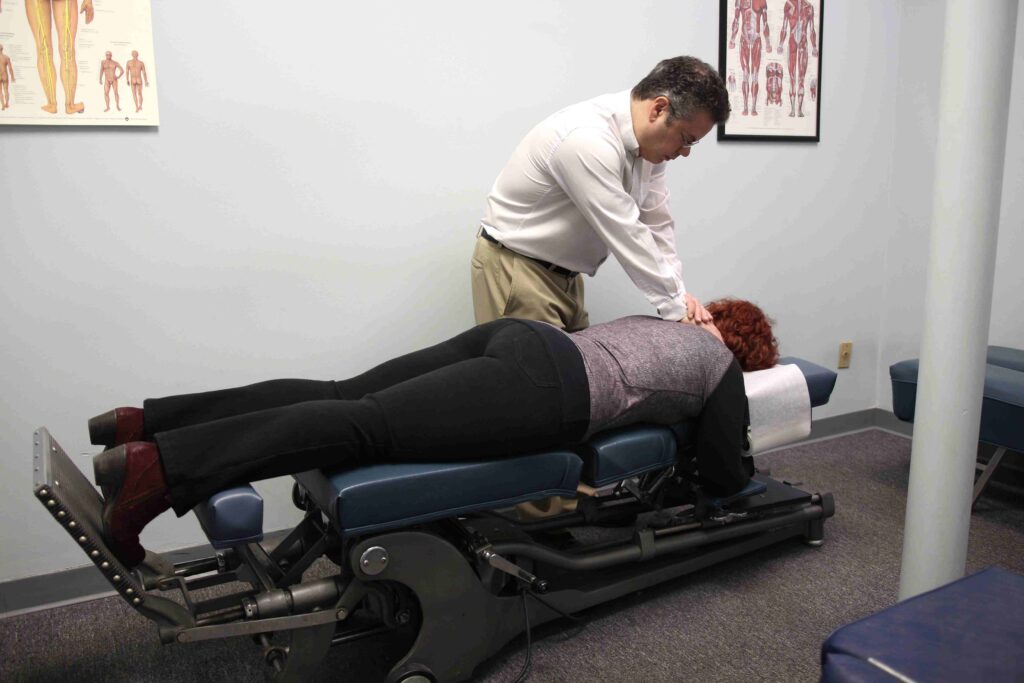
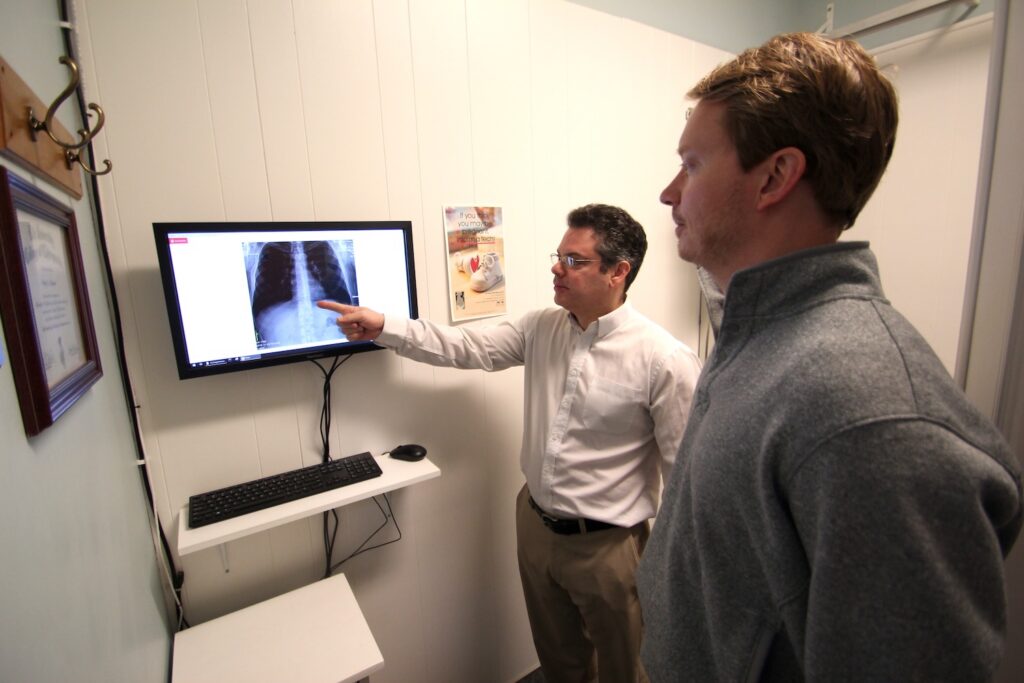
When dealing with arthritis pain, seeking professional guidance can make all the difference in your treatment journey. A healthcare professional, whether a rheumatologist, physical therapist, or pain management specialist, has the expertise to assess your specific condition, symptoms, and medical history. They can provide a tailored treatment plan that addresses your unique needs rather than a one-size-fits-all approach.
Understanding the complexities of arthritis is essential. Professionals stay updated on the latest research and treatment options, ensuring that you're receiving the most effective care available. They can guide you through various pain relief methods, including medications, physical therapy, and alternative treatments. With their help, you'll be able to make informed decisions about your health.
Additionally, professional guidance offers a support system. It's easy to feel overwhelmed by the challenges arthritis presents, but having a knowledgeable partner can alleviate some of that stress. They can help you navigate setbacks and celebrate progress, keeping you motivated on your journey toward relief.
Moreover, professionals can monitor your progress and adjust your treatment plan as needed, ensuring the best results. They'll also educate you on potential side effects and interactions between various treatments, which is essential for your safety and well-being.
In short, consulting with a professional not only enhances your understanding of arthritis but also empowers you to take control of your treatment. So, don't hesitate to reach out for the guidance and support you deserve. Your path to effective arthritis pain relief starts with the right professional.
Integrating Lifestyle Changes
Integrating lifestyle changes can make a significant difference in managing your arthritis pain.
By focusing on diet and nutrition, along with regular exercise and movement, you can enhance your overall well-being.
Let's explore how these adjustments can help you feel better and improve your quality of life.
Diet and Nutrition
Eating a balanced diet can greatly influence your arthritis pain levels, making it an essential part of your overall management strategy. By focusing on specific foods, you can help reduce inflammation and support joint health.
Here are three key dietary changes to contemplate:
- Incorporate anti-inflammatory foods: Foods rich in omega-3 fatty acids, like salmon, walnuts, and flaxseeds, can help combat inflammation. These nutrients may provide relief from arthritis-related discomfort.
- Increase fruits and vegetables: A diet high in colorful fruits and vegetables supplies antioxidants that fight oxidative stress. Aim for a variety of options, such as berries, spinach, and sweet potatoes, to maximize benefits.
- Limit processed foods and sugars: Reducing your intake of processed foods, trans fats, and refined sugars can decrease inflammatory responses in your body. Opt for whole, unprocessed foods whenever possible.
Exercise and Movement
Incorporating regular exercise into your routine can greatly enhance your arthritis management strategy. Physical activity helps reduce stiffness, improve flexibility, and strengthen the muscles around your joints. By staying active, you can alleviate pain and boost your overall well-being.
Start with low-impact exercises, such as walking, swimming, or cycling. These activities minimize stress on your joints while still providing significant benefits. Aim for at least 150 minutes of moderate exercise each week, breaking it down into manageable sessions, so it feels less overwhelming.
Don't forget to include stretching exercises to maintain flexibility. Simple stretches can help loosen tight muscles and improve your range of motion. Consider activities like yoga or tai chi, which focus on gentle movements and balance, further enhancing your physical stability.
Listen to your body—rest when you need to, and don't push through pain. It's important to find a routine that suits you, making adjustments as necessary.
Alternative Therapies for Relief
What if you could find relief from arthritis pain through alternative therapies? Many people have turned to these holistic approaches to ease their discomfort and improve their quality of life.
You might be surprised to discover how effective these methods can be. Here are three alternative therapies worth considering:
- Acupuncture: This ancient Chinese practice involves inserting thin needles into specific points on your body. Many find that acupuncture can help reduce inflammation and alleviate pain, promoting natural healing.
- Massage Therapy: Regular massages can help relieve muscle tension and improve circulation around your joints. This therapy can also promote relaxation, helping you manage stress, which can exacerbate arthritis pain.
- Herbal Supplements: Certain herbs, like turmeric and ginger, have anti-inflammatory properties that may help reduce pain and swelling. However, always consult with a healthcare provider before starting any supplements to verify they're safe for you.
Exploring these alternative therapies could provide you with the relief you've been seeking.
They not only address the physical aspects of arthritis but also contribute to your overall well-being.
Remember, it's crucial to combine these therapies with your current pain management plan for the best results.
Long-Term Management Strategies
Managing arthritis pain effectively requires a vital approach that goes beyond just immediate relief. To truly manage your arthritis in the long term, you'll want to adopt a combination of strategies tailored to your needs and lifestyle.
First, focus on regular physical activity. Engaging in low-impact exercises, like swimming or walking, can help maintain joint flexibility and strengthen muscles around your joints. Aim for at least 150 minutes of moderate exercise each week.
Don't forget to consult a physical therapist for personalized routines that suit your condition.
Next, consider your diet. A balanced diet rich in anti-inflammatory foods—like fruits, vegetables, whole grains, and omega-3 fatty acids—can greatly impact your pain levels. Avoid processed foods and excessive sugars, as they may worsen inflammation.
Medication management is also essential. Work closely with your healthcare provider to find the right medications for your situation, whether they're over-the-counter pain relievers or prescription treatments.
Regularly review your medication plan to confirm it's still effective.
In addition, prioritize stress management. Practices like yoga, meditation, or deep-breathing exercises can help alleviate stress, which often exacerbates pain.
And don't underestimate the importance of sleep; aim for a consistent sleep schedule to promote overall well-being.
Finally, stay connected with your healthcare team. Regular check-ups can help you monitor your condition and adjust your management strategies as needed.
With a thorough approach, you can effectively manage your arthritis pain and improve your quality of life.
Conclusion
Choosing care for arthritis pain relief is essential for your well-being. By embracing personalized treatment plans and professional guidance, you'll discover effective strategies tailored to your needs. Integrating lifestyle changes and exploring alternative therapies can greatly enhance your quality of life. Remember, a holistic approach not only helps manage pain but also improves joint function and mental health. Take charge of your arthritis journey and prioritize the care that empowers you to live fully and comfortably.