
If you're dealing with back pain in Charlotte, you might find yourself stuck in a cycle of misconceptions that keep you from effective relief. Many people focus solely on physical injuries, ignoring other contributors like stress and posture. You may even lean on over-the-counter medications, unaware of the diverse treatment options available. This limited understanding often leads to missed opportunities for recovery. But what if the key to breaking this cycle lies not just in your pain but in how you perceive it? Understanding these dynamics could change everything for you.
Common Misconceptions About Back Pain
Understanding the common misconceptions about back pain is vital for finding effective relief. Many people believe that back pain is solely a result of injury or strain, but that's only part of the story. You mightn't realize that factors like stress, poor posture, and even your emotional health can greatly contribute to your discomfort.
Another common myth is that you need to rest completely to heal. While rest has its place, prolonged inactivity can actually worsen your condition. Engaging in light movement or physical therapy often aids recovery and strengthens your back.
You may also think that surgery is the only solution for chronic pain. In reality, most back pain can be managed with non-invasive treatments, including lifestyle changes and targeted exercises.
You might also assume that back pain only affects older adults, but it can strike at any age. Young adults and even children can experience back pain due to factors like heavy backpacks or sedentary lifestyles.
Lastly, many people believe that all back pain is the same, but it's important to understand that each case is unique. The underlying causes can vary widely, requiring tailored approaches for effective relief.
Limited Awareness of Treatments
Many people struggle with back pain but don't realize the wide array of treatment options available. Instead of exploring various solutions, you might find yourself relying on over-the-counter pain relievers or waiting for the discomfort to fade. This limited approach can leave you stuck in a cycle of pain, frustration, and missed opportunities for effective relief.
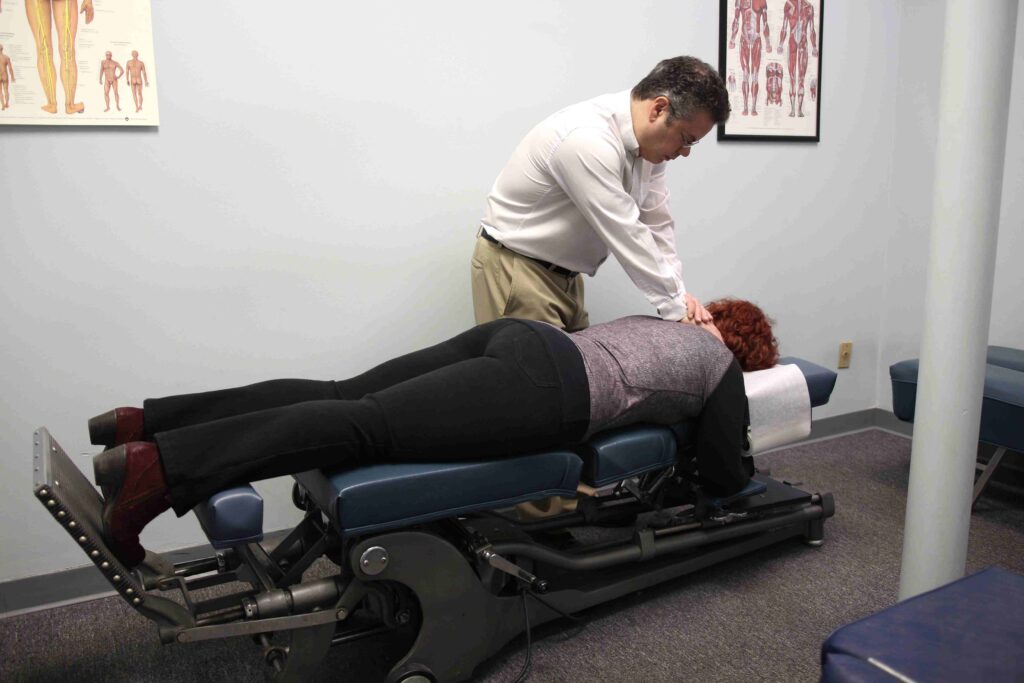
Many treatments can help alleviate back pain, from physical therapy and chiropractic adjustments to acupuncture and massage therapy. Yet, if you're unaware of these alternatives, you might never consider them. Each method offers unique benefits that can target the root cause of your pain, leading to lasting relief. For instance, physical therapy can strengthen your muscles and improve flexibility, while chiropractic care focuses on spinal alignment.
You may also benefit from lifestyle changes, like incorporating regular exercise or practicing better posture. These adjustments can help prevent future flare-ups, yet many people overlook them because they're unaware of their impact. It's important to educate yourself about what's available.
It's easy to fall into the trap of thinking there's only one way to relieve back pain, but that couldn't be further from the truth. By broadening your understanding of treatment options, you'll empower yourself to take charge of your health and find the relief you deserve.
Don't let limited awareness hold you back; explore all the avenues available for managing your back pain effectively.
Influence of Local Healthcare Providers
Local healthcare providers play an essential role in shaping your approach to back pain management. When you seek help for your discomfort, the recommendations and treatment methods from these professionals often guide your choices.
Unfortunately, many providers may not be fully informed about the latest, most effective treatments available, which can lead you to overlook important options for relief. For instance, if your primary care physician primarily prescribes medication without considering physical therapy, acupuncture, or other holistic approaches, you might miss out on more effective solutions.
This limited perspective can confine your treatment options and prolong your suffering. Remember, it's vital to engage with healthcare providers who are up-to-date on current practices in pain management.
Moreover, the way local providers communicate about treatment options can influence your beliefs about what's possible. If they convey a sense of resignation about your condition, you may feel discouraged and less likely to explore alternative treatments.
On the other hand, a provider who emphasizes a range of options and encourages active participation in your recovery can empower you to take charge of your back pain.
In Charlotte, you should seek out healthcare professionals who prioritize patient education and a thorough approach to pain management. By doing so, you'll create an environment where you can explore various treatment avenues without feeling restricted by outdated or limited advice.
Always remember, proactive engagement with knowledgeable providers can greatly impact your journey toward effective relief.
The Role of Education and Information
Education and information are essential when it comes to managing back pain effectively. Understanding the nature of your pain, potential causes, and available treatments can empower you to make informed decisions about your health. When you're well-informed, you're more likely to seek the right help and explore different relief options.
Many back pain sufferers in Charlotte may not realize how much their lifestyle choices contribute to their discomfort. By educating yourself about ergonomics, exercise, and body mechanics, you can make adjustments that might alleviate your pain. For instance, knowing the importance of proper posture while sitting or lifting can prevent further injury and promote healing.
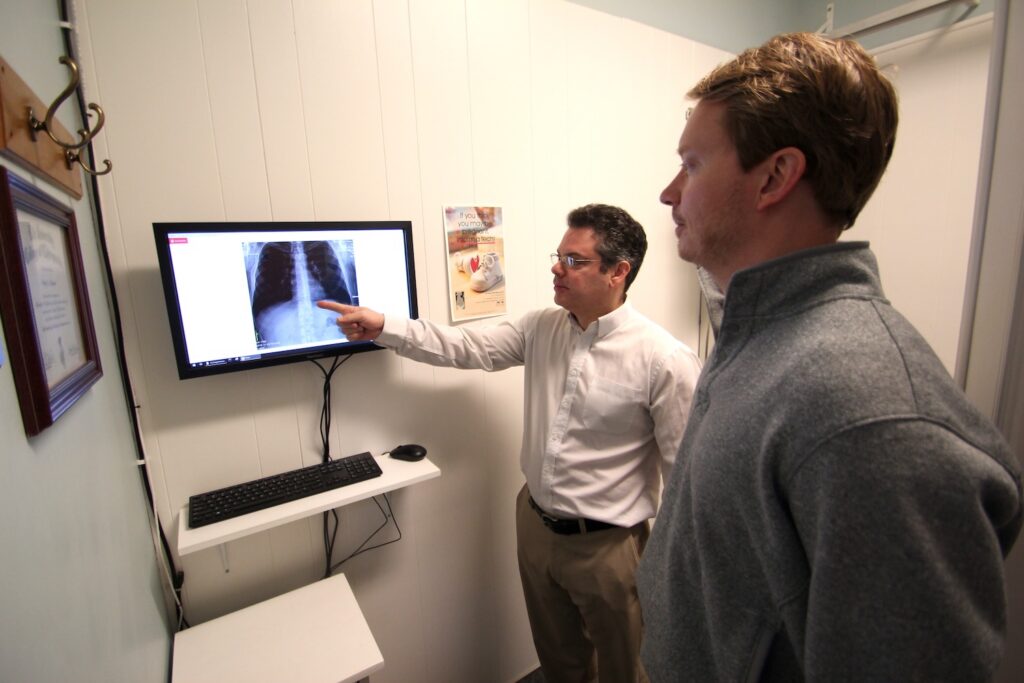
Additionally, staying updated on the latest research and treatment modalities can open doors to effective pain relief. You might discover that physical therapy, chiropractic care, or alternative therapies like acupuncture could provide significant benefits. Engaging with local healthcare providers and attending workshops or informational sessions can enhance your understanding of your condition and the options available.
Moreover, reliable resources, such as online platforms and community support groups, can offer valuable insights and shared experiences from others who've faced similar challenges. By tapping into these resources, you not only expand your knowledge but also build a supportive network that encourages you to pursue effective treatment.
Ultimately, the more you know about back pain and its management, the better equipped you'll be to tackle it head-on and improve your quality of life.
Psychological Barriers to Seeking Help
When dealing with back pain, psychological barriers can often prevent you from seeking the help you need. You might feel overwhelmed by feelings of shame or embarrassment, believing you should simply "tough it out." This mindset can keep you from reaching out for assistance, even when your pain affects your daily life.
Fear is another significant barrier. You may worry about what a medical evaluation will reveal, imagining the worst-case scenarios. This anxiety can be paralyzing, making it easier to ignore the problem rather than confront it head-on.
Additionally, if you've previously sought help without finding relief, you could develop a sense of hopelessness, convincing yourself that any further attempts will be futile.
Your past experiences with healthcare can also shape your perspective. If you've encountered dismissive attitudes from providers, it's natural to feel reluctant to seek help again. You might think, "Why bother?" when past efforts haven't led to positive outcomes.
Moreover, societal expectations can weigh heavily on you. Many people believe that admitting to pain is a sign of weakness, leading you to internalize the idea that you should be able to manage on your own. This pressure can be a significant obstacle in your path to recovery.
Recognizing these psychological barriers is the first step toward overcoming them. By understanding what's holding you back, you can take proactive steps to address your pain and seek the relief you deserve.
Don't let these mental hurdles keep you from finding effective solutions.
Importance of Community Support Systems
Having a strong community support system can make a world of difference in your journey toward back pain relief.
Local support groups provide essential encouragement from peers who understand what you're going through, and sharing your experiences can foster a sense of belonging.
Together, you can navigate challenges and celebrate victories, making the process feel less isolating.
Local Support Groups
Local support groups can be a lifeline for those dealing with back pain in Charlotte. When you connect with others who share similar struggles, you find a sense of belonging and understanding that's hard to replicate elsewhere.
These groups offer a safe space to share your experiences, frustrations, and triumphs without judgment. Participating in local support groups can provide you with practical solutions and coping strategies that you mightn't have considered before.
You'll hear firsthand how others manage their pain, what treatments they've tried, and what's worked for them. This exchange of information can be invaluable as you navigate your own journey toward relief.
Moreover, being part of a community fosters accountability. When you surround yourself with people who are also working to improve their health, you're more likely to stay committed to your own recovery.
The encouragement and motivation from group members keep you engaged and hopeful. In Charlotte, these support groups aren't just about sharing pain; they're about building connections, sharing resources, and empowering each other to seek effective relief together.
Don't underestimate the power of community—it could be the key to your healing.
Encouragement From Peers
Finding encouragement from peers can greatly enhance your journey toward back pain relief. Surrounding yourself with individuals who understand your struggles can motivate you to keep pushing forward.
Here are a few ways peer support can make a difference:
- Sharing Resources: Friends or support group members can recommend effective treatments, therapies, or local specialists they've found helpful. This shared knowledge can save you time and frustration in finding the right solutions.
- Emotional Support: Hearing others share their experiences can help you feel less isolated. When you're going through tough days, knowing that someone else understands can provide comfort and strength to keep going.
- Accountability: Having a peer group can encourage you to stick to your treatment plan. Whether it's attending therapy sessions or practicing exercises, knowing someone's counting on you can boost your commitment.
Shared Experiences Matter
In the journey toward back pain relief, community support systems play an essential role in fostering resilience and providing hope. When you connect with others who understand your struggles, it can change everything. Sharing experiences helps you realize you're not alone in this battle. Hearing how someone else navigated their pain and found solutions can inspire you to take action.
Support groups, whether in-person or online, offer a safe space to express your frustrations and fears. You can share coping strategies, treatment options, and even lifestyle changes that have worked for you. These interactions create a sense of solidarity, reminding you that healing is possible.
Moreover, community support can also introduce you to local resources and professionals who specialize in back pain relief. By tapping into this network, you can discover therapies and practices you may not have considered before.
Ultimately, when you share your journey with others, you build a collective strength that empowers everyone involved. So don't hesitate to seek out a community; it could be the missing piece in your path to relief.
Embrace the power of shared experiences, and watch how it enhances your healing process.
Conclusion
In Charlotte, it's essential to challenge misconceptions and broaden your understanding of back pain relief options. Don't let limited awareness or dismissive healthcare attitudes hold you back from exploring effective treatments. Remember, factors like stress and posture matter just as much as physical injuries. By seeking education and building a supportive community, you can take proactive steps toward recovery. Don't settle for temporary fixes—discover the diverse therapies available and reclaim your well-being.