
As your local chiropractor, I understand that facing a sports injury can be a daunting experience. Many people believe that rest is the only way to recover, but I'm here to tell you that there are numerous techniques that can significantly aid your healing process. While rest is important, incorporating physical therapy and proper nutrition into your recovery plan can make a big difference.
In our practice, we often utilize innovative treatments like cryotherapy, which can help reduce inflammation and promote healing. Additionally, effective pain management strategies, such as ice and heat therapy, are essential tools in alleviating discomfort and supporting your recovery.
It's crucial to take a holistic approach to your healing. By exploring various methods, you can determine what works best for your unique situation. Whether it's chiropractic adjustments to improve alignment and mobility or specific exercises to strengthen the injured area, we can tailor a recovery plan that suits your needs. Together, we can ensure you're on the path to a swift and effective recovery.
Importance of Rest
As a local chiropractor, I want to emphasize the vital role that rest plays in your overall health and recovery, especially if you're active in sports or physical activities. Many people aren't aware that when you push your body to its limits, it's crucial to understand how rest contributes to healing and performance enhancement.
After intense training or competition, your muscles, joints, and connective tissues need adequate time to recover. Skipping rest can lead to prolonged injuries and a drop in your performance level. When you engage in strenuous activities, tiny tears occur in your muscles. It's actually during rest that these tears heal, which results in stronger, more resilient muscles.
If you ignore the need for rest, you might be at risk for overtraining syndrome. This condition can leave you feeling exhausted, unmotivated, and can even affect your mood. You may notice decreased performance and an increased risk of injuries. To avoid this, I encourage you to incorporate scheduled rest days into your routine.
Pay attention to your body; if you're feeling sore or fatigued, it's perfectly fine to take a break. Consider also the concept of active recovery. Gentle, low-intensity activities like walking, swimming, or yoga can promote blood flow and aid muscle recovery while allowing your body to heal.
Finding a balance between intense workouts and rest is essential for reaching your athletic goals. Moreover, let's not overlook the importance of quality sleep. This is when your body does most of its recovery work. Aim for 7-9 hours of restful sleep each night to boost your recovery process and enhance your overall performance.
Incorporating rest into your routine isn't a sign of weakness; rather, it's a strategic approach to ensure you come back stronger and better prepared for your next challenge. By prioritizing rest, you're investing in your health and well-being, and your body will truly appreciate it.
Physical Therapy Approaches
After emphasizing the importance of rest, it's crucial to explore the benefits of chiropractic care in your recovery journey. These natural healing methods can significantly enhance your recovery, helping you regain strength, flexibility, and mobility.
As a local chiropractor, my goal is to assess your condition and develop a personalized treatment plan that addresses your specific needs.
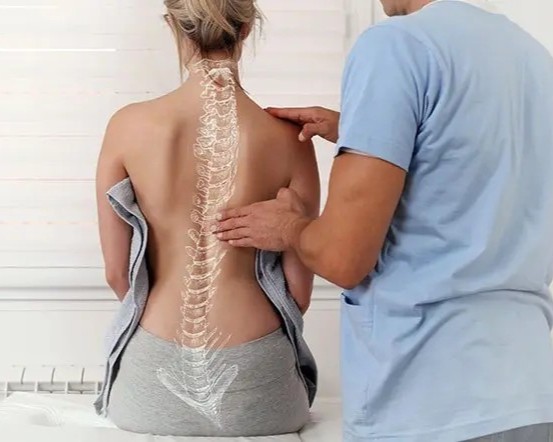
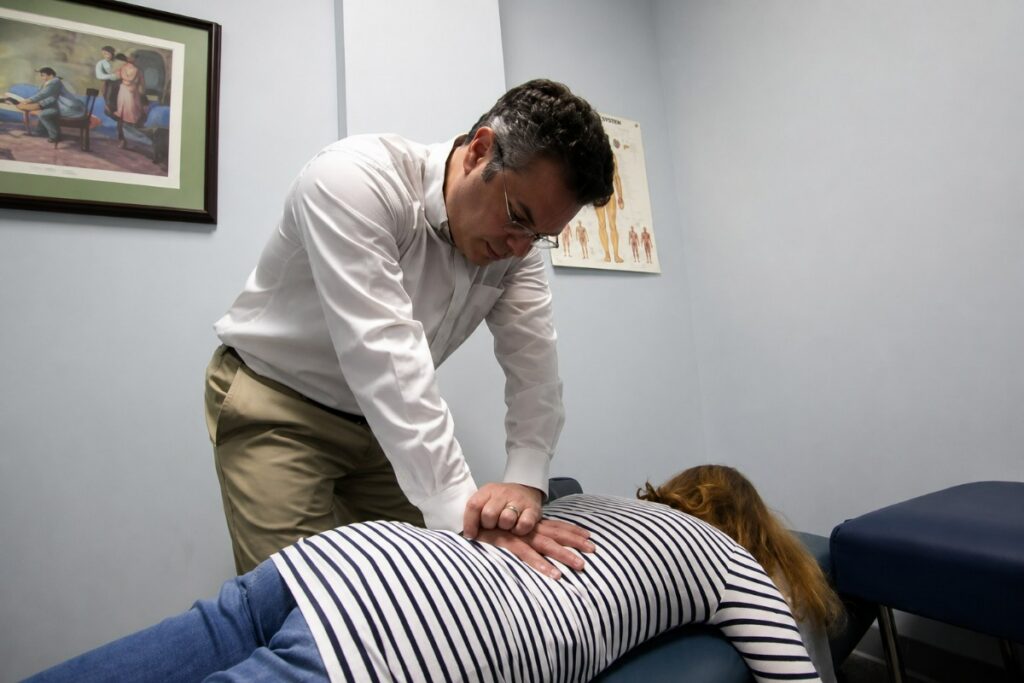
One effective chiropractic approach is spinal manipulation, where I use precise adjustments to realign the spine and improve joint function. This technique can alleviate discomfort and enhance circulation, promoting healing in the affected areas.
Additionally, therapeutic exercises may be integrated into your plan, focusing on strengthening the muscles that support your spine and joints. By gradually introducing these exercises, we can help rebuild your strength and reduce the risk of future injuries.
You may also benefit from adjunct therapies such as ultrasound and electrical stimulation. These modalities can help reduce pain and inflammation by increasing blood flow and promoting relaxation in the muscles. Incorporating these techniques into your treatment can accelerate your recovery and improve your overall comfort during rehabilitation.
Education is a key component of chiropractic care. I'll teach you proper posture, movement patterns, and techniques to avoid re-injury. This knowledge empowers you to take an active role in your recovery and enhances your performance in everyday activities.
Role of Nutrition
As a local chiropractor, I want to emphasize the vital role nutrition plays in your recovery from sports injuries. Many people may not realize that what you eat and drink can significantly affect the healing process.
By implementing proper nutrient timing strategies and ensuring you stay well-hydrated, you can enhance your recovery experience.
It's important to understand that certain nutrients can help reduce inflammation, promote tissue repair, and support overall wellness. Focusing on a balanced diet rich in vitamins, minerals, and protein can provide your body with the tools it needs to heal effectively.
I encourage you to consider how your nutritional choices impact your healing journey. Together, we can explore how a holistic approach, which includes chiropractic care and proper nutrition, can help get you back on your feet faster and stronger.
Nutrient Timing Strategies
As a local chiropractor dedicated to your health and recovery, I want to highlight the importance of nutrient timing in aiding your body's healing process, especially when recovering from sports injuries.
You may not realize it, but what you eat and when you eat it can significantly influence how quickly you return to your favorite activities. Here are some essential strategies to consider:
- Post-Workout Nutrient Replenishment: It's crucial to nourish your body within 30-45 minutes after exercising or experiencing an injury. During this window, your muscles are primed to absorb nutrients, which can enhance your recovery.
- Balanced Nutrition: Focus on meals that combine carbohydrates and protein. Carbohydrates help restore your energy stores, while protein is vital for repairing muscle tissues. This balance is key to a swift recovery.
- Smaller, Frequent Meals: Instead of relying on three large meals each day, aim for smaller, nutrient-dense meals more frequently. This approach helps maintain steady energy levels and supports your body's recovery process.
- Nutrient-Dense Snacks: Incorporate healthy snacks that are rich in vitamins and minerals—think nuts, fresh fruits, or yogurt. These foods can help decrease inflammation and facilitate healing, making them a great addition to your diet.
By implementing these nutrient timing strategies, you can optimize your recovery and get back to doing what you love more quickly.
Hydration Importance
As a local chiropractor, I want to emphasize the vital role that proper hydration plays in your recovery from sports injuries. It's important to make hydration a daily priority, especially when you're healing. When you're injured, your body requires additional fluids to aid in tissue repair and reduce inflammation. Staying well-hydrated can enhance circulation, ensuring that essential nutrients are delivered more effectively to the injured areas.
Dehydration can significantly slow down your healing process. It makes it more difficult for your body to eliminate toxins and maintain optimal function. I recommend that you drink water consistently throughout the day instead of waiting until you feel thirsty.
During your recovery period, it can also be beneficial to include electrolyte-rich beverages to replenish any lost minerals, particularly if you've been sweating or participating in physical therapy.
Additionally, it's essential to listen to your body. If you notice signs of fatigue or headaches, these could be indicators that you need to boost your fluid intake.
Keep in mind that hydration isn't solely about drinking water; you can also hydrate by consuming fruits and vegetables that have a high water content. As you work on your recovery, remember that taking care of your hydration is a key component of your overall healing journey.
Benefits of Ice Therapy
As a local chiropractor, I want to share with you the incredible benefits of ice therapy, especially if you're recovering from a sports injury.
This natural healing method can truly make a difference in your recovery journey. Ice therapy is effective in reducing inflammation and swelling, which are common after an injury.
It also helps to alleviate pain and discomfort, allowing you to feel more at ease as you heal. Additionally, applying ice can enhance blood circulation in the affected area, which can speed up your overall healing process.
Understanding these benefits can empower you to take charge of your recovery and explore natural methods for healing.
Reduces Inflammation and Swelling
As a local chiropractor dedicated to helping you understand natural healing methods, I want to share one of the most effective techniques for reducing inflammation and swelling after a sports injury: ice therapy.
Applying ice to the injured area not only constricts blood vessels but also helps to minimize swelling, promoting a faster recovery. This straightforward approach can significantly enhance your healing journey.
Here are some key benefits of incorporating ice therapy into your recovery plan:
- Immediate Action: Ice therapy can be implemented right after an injury occurs, effectively preventing excessive swelling from taking hold.
- Targeted Relief: This method allows you to focus on specific areas of your body, ensuring that you're addressing the exact site of your injury.
- Easily Accessible: Most households have ice packs or even a bag of frozen peas readily available, making this a convenient and cost-effective option for your recovery.
- Non-invasive Approach: Unlike medication or more invasive treatments, ice therapy is a safe, natural method for managing your injury and supporting your body's healing process.
By understanding and utilizing ice therapy, you can take an active role in your recovery and experience the benefits of natural healing.
If you have any questions or need further guidance, don't hesitate to reach out!
Alleviates Pain and Discomfort
As a local chiropractor, I often emphasize the importance of addressing inflammation and swelling, but I'd also like to share how ice therapy can be a valuable tool for alleviating pain and discomfort after a sports injury.
When you apply ice to the affected area, it works by numbing both the skin and the underlying tissues, which helps to significantly reduce your sensation of pain. This numbing effect can be particularly advantageous during the initial days following an injury, as that's when discomfort tends to be at its peak.
One of the ways ice therapy helps is by slowing down nerve impulses, making it more difficult for pain signals to reach your brain. I recommend applying ice for 15 to 20 minutes at a time, several times a day. You may be surprised at how much this simple practice can lower your pain levels. Just remember to wrap the ice in a cloth to protect your skin from frostbite.
Moreover, using ice therapy not only alleviates pain but also aids in maintaining your mobility as you recover. When pain is managed effectively, you're more likely to engage in gentle movements, which can help prevent stiffness and promote healing.
However, it's crucial to listen to your body—if your pain persists or worsens, please consult with a healthcare professional. Overall, ice therapy is an accessible and effective method to ease pain and discomfort during your recovery journey.
As your chiropractor, I'm here to support you in your healing process and guide you on your path to wellness.
Enhances Blood Circulation
As your local chiropractor, I want to share an important technique that can significantly aid in your recovery: ice therapy. Many people may not realize that applying ice isn't just about numbing pain; it also plays a vital role in enhancing blood circulation, which is crucial for healing.
When you apply ice to an injury, it initially constricts your blood vessels, which helps to reduce swelling and inflammation. However, once you remove the ice, those blood vessels dilate, allowing fresh, nutrient-rich blood to flow into the affected area. This natural process is essential for promoting healing and delivering the nutrients your body needs to repair itself.
Here are some key benefits of improved blood circulation through ice therapy that I want you to consider:
- Accelerated Healing: With increased blood flow, your body receives more oxygen and nutrients, which are essential for tissue repair.
- Reduced Swelling: Enhanced circulation helps to flush out waste products and excess fluids, alleviating swelling.
- Pain Relief: Better circulation can help decrease discomfort and stiffness in the injured area, making you feel more comfortable as you heal.
- Rejuvenation of Muscles: Fresh blood flow revitalizes your muscles, preparing them for rehabilitation exercises that I may recommend as part of your recovery plan.
Incorporating ice therapy into your recovery routine can be a simple yet powerful way to enhance your blood circulation. It not only addresses the immediate pain but also supports long-term healing.
As your chiropractor, I encourage you not to underestimate the power of ice in your injury recovery strategy. Together, we can use natural healing methods to help you get back to feeling your best.
Heat Therapy Techniques
As your local chiropractor, I want to share some valuable insights about heat therapy techniques that can help alleviate pain and promote healing, especially if you're dealing with sports injuries.
When heat is applied to an injured area, it increases blood flow, relaxes tight muscles, and reduces stiffness, which is essential for your recovery.
One of the most effective methods is using heating pads. These can be placed directly on the injured area for about 15 to 20 minutes. Just make sure to test the temperature first; we want to avoid any burns on your skin.
Alternatively, warm towels or hot water bottles can be very effective as they provide consistent heat and conform nicely to your body's shape.
Taking a warm bath or shower is another excellent option. The warmth from the water soothes sore muscles and joints, promoting relaxation. If you want to enhance this experience, consider adding Epsom salts to your bath; magnesium in these salts can help reduce inflammation.
For more focused treatment, electric heating wraps are a great choice. Many of these wraps come with adjustable heat settings, allowing you to find the perfect level for your comfort.
Just remember to take breaks between applications to prevent any irritation to your skin.
While heat therapy can be incredibly beneficial, it's important to use it wisely. Avoid applying heat to acute injuries, especially if swelling is present.
Instead, focus on using heat therapy during the later stages of recovery or for chronic pain management.
By incorporating these heat therapy techniques into your recovery plan, you can effectively manage pain and support your healing journey.
If you have any questions or need personalized advice, don't hesitate to reach out!
Innovative Treatments
When it comes to recovering from sports injuries, exploring innovative treatments can truly enhance your healing journey. As a local chiropractor, I want to introduce you to some advanced therapies that can't only speed up your recovery but also improve your overall performance.
Here are a few innovative treatments worth considering:
- Platelet-Rich Plasma (PRP) Therapy: This is an exciting option where we draw a small amount of your blood, process it to concentrate the platelets, and then inject it back into the injured area. The growth factors in the platelets can significantly accelerate your healing process.
- Cryotherapy: This treatment involves exposure to extremely cold temperatures, which can help reduce inflammation and promote faster recovery. We can apply cryotherapy locally to specific areas or through whole-body sessions for broader benefits.
- Ultrasound Therapy: Using high-frequency sound waves, this non-invasive method promotes tissue healing by enhancing circulation and reducing pain in the affected areas. Many patients find it to be a soothing treatment that complements their chiropractic care.
- Electrical Stimulation: This technique involves using electrical impulses to stimulate your muscles and nerves. It can be very effective for pain relief and muscle strengthening, making it a great addition to your recovery regimen.
Incorporating these innovative treatments into your recovery plan can be a game changer.
However, it's crucial to consult with a healthcare professional, like myself, to customize these options according to your specific injury and individual needs.
By staying informed about the latest advancements in natural healing and sports medicine, you'll be more empowered to make decisions that support your recovery and performance goals.
Don't hesitate to explore these options with me, and together we can find what works best for you!
Mental Recovery Strategies
As a local chiropractor, I want to emphasize that while innovative treatments can significantly aid in physical recovery, mental recovery strategies are equally crucial for your overall healing process. When you're dealing with an injury, it's important to recognize that your body isn't the only aspect that requires care; your mind deserves attention as well.
Positive thinking is essential. By concentrating on your strengths and visualizing your return to your favorite activities, you can enhance your motivation and resilience. This mental approach can complement the physical adjustments and therapies we provide in chiropractic care.
In addition, incorporating mindfulness and meditation practices into your daily routine can help keep you grounded during this challenging time. Even dedicating a few minutes each day to mindfulness can significantly reduce stress and anxiety, fostering a more positive outlook.
You might also consider techniques like guided imagery, where you visualize yourself successfully participating in your activities. This mental exercise not only reinforces your goals but can also boost your confidence.
Furthermore, I encourage you to seek support from friends, family, or mental health professionals. Sharing your experiences and concerns can alleviate feelings of isolation, and the encouragement you receive from others can uplift your spirits significantly.
Setting small, achievable goals throughout your recovery can also help maintain your focus and motivation. Celebrate these milestones, no matter how minor they may seem; each one contributes to your overall progress.
Stretching and Mobility Work
As a local chiropractor, I want to share with you the vital role that flexibility plays in your recovery from sports injuries. Incorporating stretching and mobility work into your routine can truly make a significant difference in your healing journey.
By focusing on enhancing your flexibility, you can help restore your range of motion, alleviate stiffness, and promote blood flow to the injured areas—all of which are essential for a faster recovery.
Here are some effective stretching and mobility techniques that I recommend including in your recovery plan:
- Dynamic Stretching: These movements, such as leg swings or arm circles, are excellent for improving flexibility and warming up your body before engaging in any physical activity. They help prepare your muscles and joints for what's to come.
- Static Stretching: After your activities, holding stretches for 15-30 seconds can greatly enhance your flexibility and prevent muscle tightness. This practice can be a crucial part of your post-activity routine.
- Foam Rolling: This self-myofascial release technique is fantastic for alleviating muscle soreness and improving circulation. It's a simple yet effective addition to your recovery regimen that can make a noticeable difference in your comfort levels.
- Yoga or Pilates: Both practices focus on stretching and mobility, promoting an overall sense of body awareness and flexibility. They also provide relaxation benefits that can help reduce stress and tension in your body.
By incorporating these techniques into your routine, you can support your body's natural healing process and enhance your overall well-being.
If you have any questions or would like personalized recommendations, feel free to reach out!
Gradual Return to Activity
As a local chiropractor, I want to emphasize the importance of a careful and intentional approach as you begin your return to activity following recovery. It's easy to feel eager to jump back into your regular routine, but doing so too quickly can actually hinder your progress. Instead, take the time to gently reintroduce physical activities into your life.
First, assess how your body feels and what it can manage. Pay attention to any signs of discomfort or pain—these are crucial indicators from your body that you may need to ease up a bit.
Start with low-impact activities that minimize strain on your recovery area. Activities like walking, swimming, or cycling are excellent choices to help you maintain fitness without putting yourself at risk for further injury. As you regain comfort and confidence, you can gradually increase the intensity and duration of these activities. Begin with shorter sessions to allow your body the necessary time to adjust and recover between workouts.
In addition to aerobic activities, it's also beneficial to incorporate strength and flexibility training into your routine. Focus on exercises that specifically target and strengthen the muscles surrounding your injury. This can provide additional support and significantly reduce the likelihood of re-injury.
It's essential to maintain balance in your fitness regimen, ensuring that you aren't overworking one area while neglecting others.
Throughout this process, keep a close eye on your progress. Regular check-ins with your chiropractor can be invaluable. We can provide personalized guidance tailored to your unique recovery journey and help ensure that you're making strides in the right direction.
Conclusion
As a local chiropractor, I want to share some valuable insights on how various techniques can significantly enhance your recovery from sports injuries. It's essential to prioritize rest, as this is the foundation of any healing process. Physical therapy is also a crucial component; it helps you regain strength and mobility in a safe and effective manner.
Nutrition plays a vital role in recovery, providing your body with the essential nutrients it needs to heal. Additionally, therapies such as ice and heat can be incredibly effective in managing pain and reducing inflammation.
I encourage you to explore innovative treatments that can complement your recovery. Chiropractic care, for instance, focuses on aligning your spine and improving your overall body function, which can be beneficial in your healing journey. Don't overlook the importance of mental recovery strategies as well; a positive mindset can greatly influence your physical healing.
As you start to gradually reintroduce activities, remember to incorporate stretching to maintain flexibility and prevent future injuries. By following these holistic approaches, you'll not only set yourself up for a successful return to your sport but also support your long-term wellness. If you have any questions about how chiropractic care can aid in your recovery, feel free to reach out!