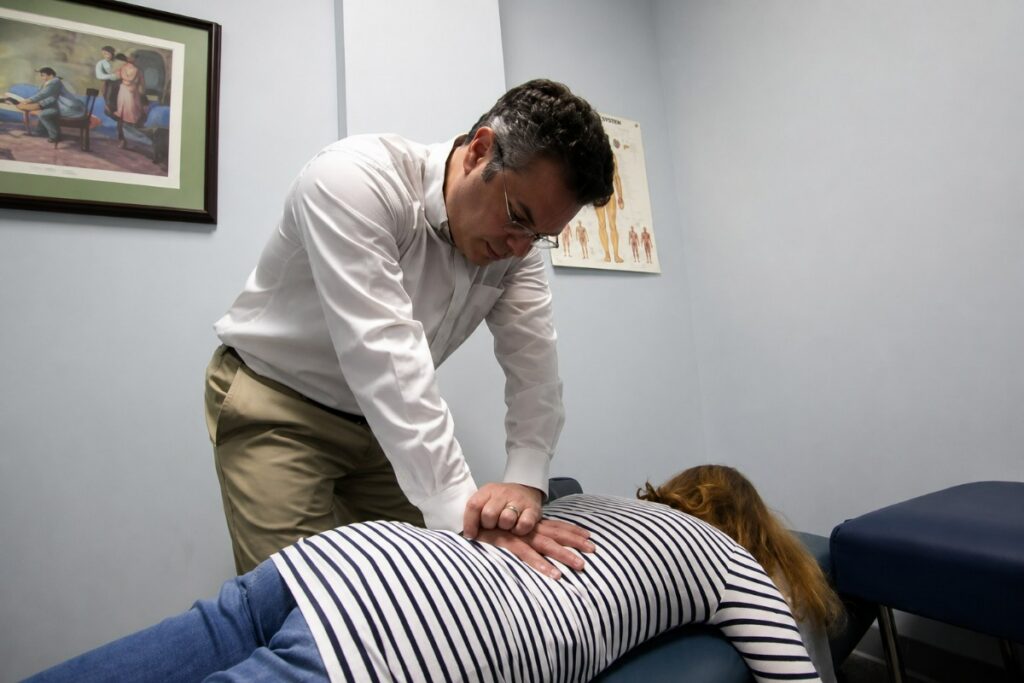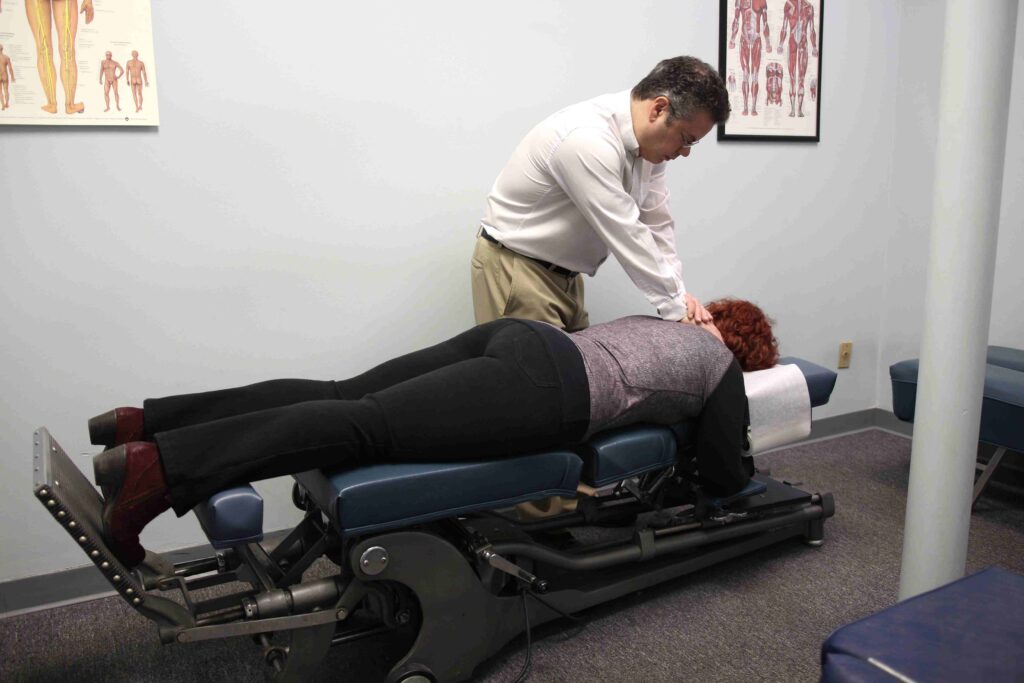

As a local chiropractor, I want to share some important insights about muscle strain and back pain, which can significantly impact your daily life. These issues often arise from factors like overexertion, poor posture, or improper lifting techniques. Understanding these triggers and their relationship to your body mechanics is essential for effective relief.
In our practice, we emphasize the importance of addressing these underlying causes. By correcting your posture and learning proper lifting techniques, you can alleviate strain on your muscles and reduce the risk of pain. Additionally, incorporating regular chiropractic adjustments can help improve your spinal alignment and overall function, promoting natural healing.
To prevent these issues from recurring, there are several practical steps you can take. Engaging in regular physical activity, maintaining a healthy weight, and practicing good ergonomics at work and home can make a significant difference. I encourage you to explore these solutions and consider how chiropractic care can support your journey toward a pain-free life. Together, we can work towards restoring your body’s balance and enhancing your overall well-being.
Common Causes of Muscle Strain
As a local chiropractor, I want to help you understand the common causes of muscle strain and how you can avoid them. Muscle strain can affect anyone, leading to discomfort and restricted movement. One frequent culprit is overexertion—when you push yourself too hard during workouts or lift heavy items without using the proper technique. It’s essential to listen to your body and proceed at a pace that feels comfortable for you.
In addition, sudden movements or awkward positions can result in strain, whether you’re engaged in sports or simply going about your daily routine. I often see patients who’ve strained muscles from these quick, unexpected actions.
Improper warm-ups are another significant factor. It’s crucial to prepare your body before physical activity, as this can greatly reduce the risk of strain.
Moreover, repetitive motions—like sitting at a desk for extended periods or performing the same action repeatedly—can fatigue your muscles and lead to strain over time.
Muscle weakness also plays a role; if your muscles aren’t strong enough, they may struggle to cope with daily stresses.
Lastly, poor posture is a common issue that can place undue strain on your back and surrounding muscles.
Understanding Back Pain: Types and Triggers
As a local chiropractor, I want to help you understand the various causes of muscle strain and how they relate to the common issue of back pain.
Many individuals experience back pain, which can be classified into two main types: acute and chronic. Acute pain typically occurs suddenly due to an injury, while chronic pain persists for weeks or even months, often resulting from ongoing conditions.
It’s important to recognize the various triggers that can lead to back pain. Activities such as heavy lifting, twisting motions, or even sitting for long periods without movement can strain your back.
Additionally, emotional factors like stress and anxiety can heighten your perception of pain, making it feel more severe. Furthermore, underlying health conditions such as arthritis or herniated discs may also play a role in your discomfort.
By understanding these factors, we can work together to develop a natural healing plan that addresses your specific needs and helps alleviate your pain.
As your chiropractor, I’m here to support you on your journey to better spinal health and overall well-being.
The Role of Poor Posture in Muscle Strain and Back Pain
As a local chiropractor, I want to emphasize how poor posture can significantly lead to muscle strain and back pain.
When we neglect proper ergonomics and alignment in our daily activities—like sitting at a desk or using our phones—we inadvertently put our bodies under stress. This imbalance can cause discomfort and even chronic pain over time.
It’s essential to understand that the way we hold ourselves affects not just our muscles and spine, but our overall health and well-being.
By recognizing the impact of your posture, you can take proactive steps to improve it. Simple adjustments, such as maintaining a neutral spine and ensuring your workspace is ergonomically friendly, can make a world of difference.
In my practice, I often see patients who are unaware of the connection between posture and pain.
Through chiropractic care, we can work together to align your body properly, alleviate discomfort, and promote natural healing.
Let’s prioritize your posture for a healthier, pain-free life!
Impact of Slouching
As a local chiropractor, I want to take a moment to address a common issue we see in our patients: the impact of slouching. Many of us spend countless hours hunched over desks or glued to our phones, and this habit can lead to significant muscle strain and back pain.
Poor posture places extra pressure on your spine and the muscles that support it, which forces them to work overtime to keep you stable. This constant strain can result in muscle fatigue, tightness, and discomfort. You may even notice a decrease in your overall flexibility, making it more challenging to move without experiencing pain.
Slouching alters your body’s natural alignment, which can create imbalances that worsen over time. As your muscles struggle to adapt, you might find yourself dealing with chronic pain that interferes with your daily life.
It’s crucial to be mindful of your posture and make small adjustments to alleviate this strain. By prioritizing proper alignment, you can improve your overall comfort and well-being.
At our practice, we focus on natural healing techniques that help restore balance to your body. If you’re experiencing discomfort or simply want to enhance your posture, we’re here to guide you on your journey to better health.
Ergonomics and Alignment
As a local chiropractor, I want to emphasize the importance of maintaining proper ergonomics in your daily life to prevent muscle strain and back pain.
In our modern world, where many of us spend extended hours at desks and on devices, it’s crucial to pay attention to our posture. When we slouch or hunch over our screens, we risk misaligning our spine, which places significant stress on our muscles and ligaments. This not only leads to discomfort but can also restrict blood flow and oxygen to your muscles, worsening your pain.
To enhance your alignment and overall well-being, I recommend a few adjustments: ensure your chair is at the correct height so your feet can rest flat on the floor, and position your monitor at eye level to promote a neutral spine.
Additionally, it’s vital to take regular breaks to stretch and realign your body. These small changes can lead to substantial improvements in your comfort and help prevent long-term injuries.
Prioritizing ergonomics isn’t just about being comfortable at your desk; it’s a proactive approach to your health. By making these adjustments and being mindful of your posture, you can significantly reduce your risk of pain and injury.
If you’re ever in doubt or need personalized guidance, feel free to reach out for an appointment. Your well-being is my priority, and I’m here to support you on your journey to better health through natural healing.
Importance of Proper Lifting Techniques
As a local chiropractor, I want to share the importance of using proper lifting techniques to safeguard your health and well-being.
When you lift heavy objects, it’s crucial to prioritize correct body mechanics and effective load distribution strategies. This not only helps protect your back but also plays a significant role in preventing injuries.
By mastering these techniques, you can significantly decrease the risk of muscle strain and maintain a healthier spine.
Correct Body Mechanics
As a local chiropractor, I want to emphasize the importance of proper lifting techniques to help prevent muscle strain and back pain, which can significantly impact your overall well-being.
When lifting, always remember to bend at your knees rather than at your waist. This simple adjustment helps protect your back and maintain proper alignment.
It’s also crucial to keep your feet shoulder-width apart. This stance provides the necessary balance and stability during the lift.
Engage your core muscles while lifting; this action supports your spine and helps prevent injuries. Be sure to hold the object close to your body; this minimizes the strain on your back and reduces the risk of discomfort.
Avoid twisting your torso while lifting. Instead, pivot your feet to change direction. If you come across an object that feels too heavy, don’t hesitate to ask for assistance or utilize tools like a dolly.
By practicing these techniques consistently, you’ll not only protect your back but also enhance your overall body mechanics.
Remember, proper body mechanics matter! By incorporating these practices into your daily activities, you can significantly reduce the risk of injury and promote natural healing.
Taking care of your body is essential for a healthy and active lifestyle.
Load Distribution Strategies
As a local chiropractor, I want to emphasize the importance of effective load distribution when it comes to lifting heavy objects, as it plays a crucial role in preventing injuries.
When you lift, it’s vital to bend at your knees while keeping your back straight and the load close to your body. This method helps to evenly distribute the weight across your muscles, significantly reducing the strain on your back.
If you’re lifting with a partner, it’s essential to coordinate your movements to ensure an even distribution of the load. Always rely on the strength of your legs instead of putting pressure on your back.
And remember, if the load feels too heavy, don’t hesitate to ask for assistance.
Lifting isn’t just about the act itself; it’s about lifting smart and making choices that support your body’s well-being.
By prioritizing these proper techniques, you can greatly reduce the risk of muscle strain and maintain a healthy back.
As you become more mindful of your lifting habits, you’ll not only protect your spine but also enhance your overall physical health.
Preventative Measures for Muscle Strain and Back Pain
As a chiropractor, I want to share some important insights on how to prevent muscle strain and back pain in your everyday life. It’s crucial to adopt a proactive approach to support your spinal health. One of the simplest ways to start is by being mindful of your posture—whether you’re sitting, standing, or lifting. Always aim to keep your back straight and your shoulders relaxed. This practice can significantly alleviate unnecessary stress on your spine.
When it comes to lifting heavy objects, remember to bend your knees and keep the load close to your body. This technique not only minimizes the strain on your back but also helps you lift more safely.
Incorporating regular physical activity into your life is another key factor. Engaging in exercises that strengthen your core muscles provides essential support for your back. Additionally, stretching before and after any physical activity can enhance your flexibility and reduce your risk of injury.
If you find yourself sitting or standing for long periods, make sure to take breaks. Moving around—even briefly—can help relieve built-up tension and keep your muscles engaged.
Lastly, always listen to your body. If you experience pain or discomfort, it’s important to adjust your activities accordingly. Remember, your body communicates with you, and being attuned to these signals is vital for your overall well-being.
Rehabilitation Exercises for Relief and Recovery
As a local chiropractor, I want to emphasize the importance of incorporating rehabilitation exercises into your daily routine for effective relief from muscle strain and back pain. These exercises are designed to strengthen the muscles that support your spine, promote flexibility, and enhance your posture.
To start, I recommend gentle stretches such as the cat-cow or child’s pose. These movements can help alleviate tightness and improve your overall range of motion. As you become more comfortable, you can progress to strengthening exercises like bridges and planks, which specifically target your core and lower back muscles.
It’s crucial to listen to your body throughout this process. If you experience any pain, it’s important to ease off and not push through discomfort. Consistency is essential for success, so aim to incorporate these exercises into your routine several times a week.
Additionally, consider adding low-impact activities like swimming or walking to your regimen. These activities can complement your rehabilitation efforts and further support your recovery.
When to Seek Professional Help
When should you consider seeking professional help for muscle strain and back pain? As a local chiropractor, I want to emphasize the importance of listening to your body. If your pain persists for more than a few days without improvement, or if it worsens, it’s essential to consult a healthcare professional like myself.
Be aware of symptoms such as severe pain, swelling, or bruising, as these may signal a more serious issue that needs addressing.
If you’re experiencing numbness, tingling, or weakness in your legs, please seek immediate assistance. These signs can indicate nerve involvement, and prompt evaluation is crucial.
Additionally, if your pain is affecting your daily activities or disrupting your sleep, I encourage you to reach out for professional guidance. Chiropractic care focuses on natural healing and can effectively help manage pain and restore function.
It’s also important to seek an evaluation if your pain follows an accident or injury. This can help rule out fractures or other complications that may require different treatment approaches.
Trust your instincts—if something doesn’t feel right, it’s always better to get checked out. Early intervention can help prevent further damage and guide you on the path to recovery.
Prioritizing your health is paramount, so don’t hesitate to reach out if you’re dealing with persistent or severe pain. Together, we can work towards restoring your well-being.
Maintaining an Active Lifestyle to Prevent Recurrence
As a local chiropractor, I want to emphasize the importance of maintaining an active lifestyle to help prevent the recurrence of muscle strain and back pain. Engaging in regular physical activity not only strengthens your muscles but also improves your flexibility and overall well-being.
Here are some key practices I recommend for my patients:
- Incorporate Strength Training: Focus on exercises that target your core, as these are crucial for supporting your back and abdominal muscles. Stronger core muscles can significantly reduce the risk of injury.
- Engage in Regular Cardio: Activities such as walking, swimming, or cycling are excellent ways to enhance your cardiovascular endurance and help you maintain a healthy weight, which can alleviate stress on your back.
- Practice Stretching: Daily stretching routines can greatly improve your flexibility and help relieve muscle tension. I often recommend specific stretches that support spinal health.
- Listen to Your Body: It’s essential to pay attention to any discomfort or signs of strain. If you experience pain, it’s important not to push through it. Instead, consider consulting with a chiropractor who can provide tailored advice and care.
By integrating these practices into your lifestyle, you can significantly reduce the likelihood of pain and improve your overall health.
Conclusion
As a local chiropractor, I want to help you understand the common causes of muscle strain and back pain, so you can take proactive steps toward relief and wellness. Proper lifting techniques, maintaining good posture, and incorporating regular exercise into your routine are vital in reducing your risk of injury. Additionally, it’s important to recognize the impact of stress on your body; practicing mindfulness can help manage this stress, which in turn may alleviate pain perception.
Should you experience persistent pain, I encourage you to seek professional help. Chiropractic care focuses on natural healing and can be a highly effective way to address your discomfort and promote recovery. Staying active and prioritizing your overall well-being will not only help you feel better now but also prevent future issues. Remember, your health is in your hands, and we are here to support you on your journey to a pain-free life!