
As a chiropractor, I want to share some insights about the various treatments available for neurological disorders, particularly from a natural healing perspective. It's important to understand that there isn't a one-size-fits-all solution when it comes to managing these conditions. While traditional medications can help manage some symptoms, many patients find significant relief through holistic approaches that focus on the body's natural ability to heal.
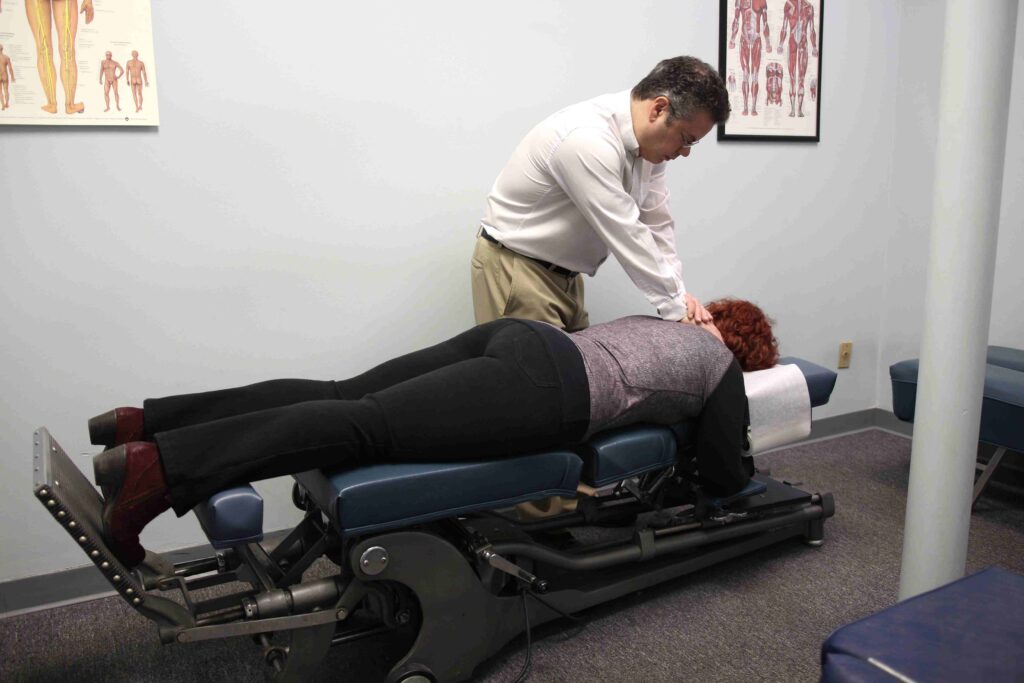
Chiropractic care can play a vital role in this process. By addressing misalignments in the spine and improving nervous system function, we can help enhance communication between the brain and the body. This may lead to improved function and reduced symptoms. Additionally, therapies such as physical and occupational therapy are beneficial, focusing on enhancing mobility and daily living skills.
Complementary methods, like acupuncture, can also support the healing process by promoting relaxation and reducing pain. It's fascinating how these various treatments can work synergistically to create a comprehensive management plan tailored to your needs.
I encourage you to explore these innovative approaches and consider how they might enhance your treatment journey. Together, we can develop a strategy that supports your overall health and well-being. If you're curious about the latest advancements in chiropractic and natural healing, I'm here to guide you on this path.
Overview of Neurological Disorders
As a local chiropractor, I want to take a moment to educate you about neurological disorders and how they can impact your overall health and well-being. Neurological disorders affect the brain, spinal cord, and nerves throughout the body, leading to disruptions in essential functions like movement, speech, and cognition. Conditions such as epilepsy, multiple sclerosis, Parkinson's disease, and Alzheimer's disease present unique challenges that can significantly affect your daily life.
Understanding these disorders is crucial, especially when it comes to your health. For example, if you or someone you know experiences seizures, this could indicate epilepsy, which varies in severity and frequency. Multiple sclerosis involves the immune system attacking the protective sheath around nerves, resulting in various physical and cognitive impairments.
Parkinson's disease primarily affects movement, leading to tremors and stiffness, while Alzheimer's disease is known for its impact on memory and cognitive function.
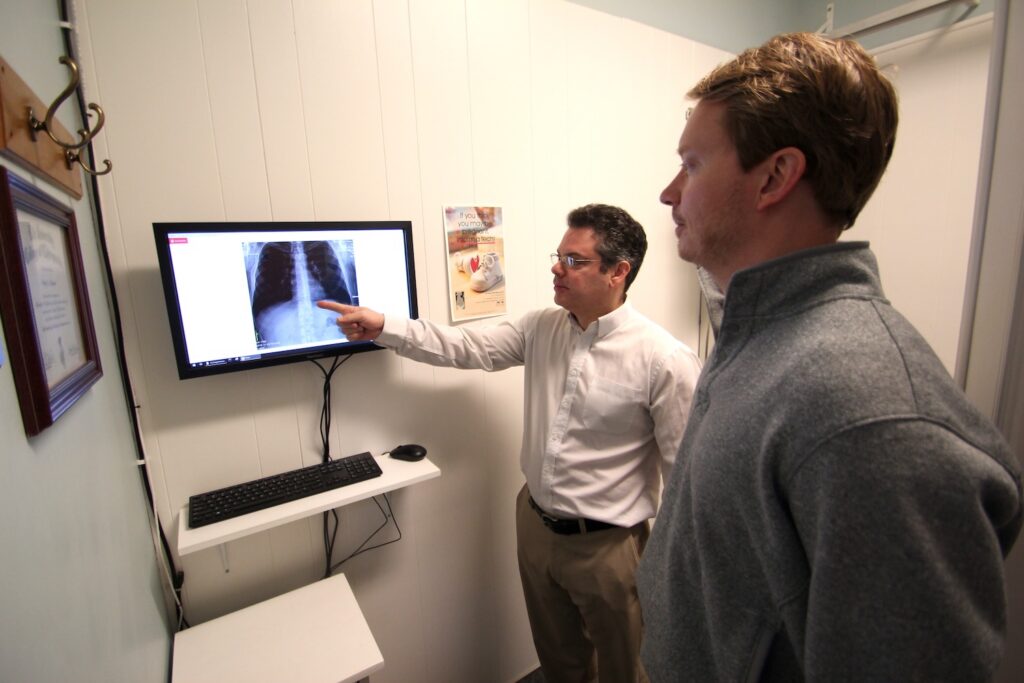
Recognizing symptoms early can be a game changer for managing these conditions effectively. You might notice changes in mood, difficulties with coordination, or even memory lapses. If you observe these signs, it's essential to consult with a healthcare professional. Early diagnosis can lead to better management strategies, including chiropractic care, which can play a supportive role.
Living with a neurological disorder can be challenging, but I want you to know that understanding your condition is empowering. Chiropractic care focuses on promoting natural healing and improving your quality of life.
You're not alone on this journey; there are resources available to support you. By educating yourself about these disorders and exploring natural healing options like chiropractic adjustments, you can take proactive steps toward enhancing your health and well-being.
Medication Options
When it comes to managing neurological disorders, it's essential to understand that there are various approaches to treatment beyond traditional medications. As a chiropractor, I want to emphasize the importance of natural healing methods that can complement your overall health and well-being.
While medications can play a role in managing symptoms, chiropractic care focuses on enhancing your body's innate ability to heal itself. Here are three areas where chiropractic care can make a positive impact:
- Nervous System Function: Chiropractic adjustments can help optimize the functioning of your nervous system by ensuring proper alignment of the spine. This alignment can lead to improved communication between the brain and body, potentially reducing symptoms associated with neurological disorders.
- Stress Reduction: Many neurological conditions can be exacerbated by stress and anxiety. Chiropractic care often includes techniques such as spinal manipulation and relaxation exercises, which can help alleviate stress, leading to improved mental health and overall well-being.
- Holistic Approach: Chiropractic care takes a whole-person approach, considering your lifestyle, nutrition, and physical activity. By addressing these factors, we can work together to develop a comprehensive plan that supports your health, potentially reducing the need for medications and improving quality of life.
It's important to collaborate with your healthcare provider to find the best treatment options for your specific condition.
Physical Therapy Techniques
As a local chiropractor, I want to shed light on how physical therapy techniques can complement chiropractic care in the rehabilitation of individuals with neurological disorders. These techniques focus on enhancing mobility, strength, coordination, and overall function, which can often be affected by conditions such as stroke, multiple sclerosis, or Parkinson's disease.
When you visit our clinic, we begin by assessing your unique needs to create a personalized treatment plan that addresses your specific challenges. One effective technique we utilize is gait training, which helps improve your walking patterns and balance. This may involve the use of assistive devices, such as walkers or canes, to support your movement while you gain confidence in your abilities.
Strength training is also a crucial component of our approach. I'll guide you through targeted exercises designed to strengthen particular muscle groups, helping you regain independence in your daily activities. Additionally, we incorporate stretching techniques to enhance flexibility and prevent stiffness, ensuring you can move more freely and comfortably.
Another aspect of our treatment is neuromuscular re-education. These exercises aim to retrain your brain and muscles to work in harmony, improving coordination and stability, which is vital for overall functionality.
We may also include aquatic therapy in our regimen, allowing you to perform movements in water. This method reduces strain on your body while effectively engaging your muscles.
Throughout your journey in our practice, I'll closely monitor your progress and adjust your treatment plan as necessary. By embracing chiropractic care and complementary physical therapy techniques, you can cultivate the skills needed to improve your quality of life.
Regaining control over your body can make daily tasks more manageable and enjoyable, leading to a greater sense of well-being.
Occupational Therapy Approaches
In chiropractic care, our emphasis is on fostering optimal physical function and promoting your overall well-being.
We focus on goal-oriented strategies to help you regain independence in your everyday activities. You might benefit from learning about various supportive tools and techniques that can simplify tasks and enhance your comfort.
Furthermore, we incorporate holistic approaches that support mental clarity and cognitive health, ensuring you achieve a balanced state of functioning.
Our aim is to empower you to live your best life through natural healing and proactive care.
Goal-Oriented Skill Development
Goal-oriented wellness in chiropractic care focuses on helping individuals achieve optimal health and improve their daily functioning through personalized treatments. This approach emphasizes identifying specific health goals that are meaningful to you and designing strategies that promote progress toward those objectives.
Here are three key components of goal-oriented wellness in chiropractic care:
- Personalized Goal Setting: Together with your chiropractor, you'll establish realistic, achievable health goals based on your lifestyle and specific challenges. This ensures that our focus remains on enhancing your overall quality of life and well-being.
- Targeted Treatment Plans: You'll engage in therapies that address your unique needs, which may include spinal adjustments, soft tissue work, and exercises tailored to your condition. This hands-on approach helps reinforce healing and builds your confidence in managing your health.
- Ongoing Evaluation and Adjustment: Your chiropractor will continuously assess your progress and modify your treatment plan as necessary. This adaptive strategy ensures that you stay on track and maintain motivation throughout your journey to better health.
Through these methods, you'll discover that chiropractic care not only helps you alleviate pain and improve mobility but also empowers you to take charge of your health and well-being.
Adaptive Equipment Utilization
As a local chiropractor, I want to share how adaptive equipment can significantly enhance your daily life, especially if you're dealing with neurological disorders.
These tools and devices are designed to improve your independence and overall quality of life by assisting you in managing tasks that may have become more difficult due to your condition.
For example, using modified utensils can make eating easier by allowing for a better grip. Dressing aids can simplify the process of getting dressed, and adaptive bathroom equipment can ensure that personal care is both safe and manageable.
Additionally, mobility aids like walkers or canes can provide the stability and support you need as you navigate your environment.
I often recommend that patients work with occupational therapists who can assess your individual needs and suggest the most suitable equipment for your circumstances.
This collaboration ensures that you not only receive the right tools but also learn how to use them effectively in your daily life.
My goal is to help you regain your confidence and independence as you incorporate these adaptations into your routine, empowering you to live your best life.
Cognitive Rehabilitation Techniques
As a local chiropractor, I want to share some insights into how chiropractic care can support your cognitive health and overall well-being. While many people associate chiropractic with pain relief, our holistic approach can also enhance your cognitive abilities and daily functioning, particularly after experiencing neurological challenges.
Here are three key approaches you might encounter in our practice:
- Skill Training: Just like physical rehabilitation, we can help you practice specific tasks to enhance your cognitive skills. For instance, we may incorporate exercises that stimulate your brain, improve your memory, and sharpen your problem-solving abilities. This mental training can help you become more agile in your daily life.
- Strategy Development: We'll work together to develop strategies that can compensate for any cognitive deficits you may be experiencing. This might include utilizing techniques such as visualization or mindfulness to improve memory and focus. By applying these methods, you can navigate daily tasks with greater ease and confidence.
- Task Modification: As your chiropractor, I can assist in modifying tasks to align with your current capabilities. This might involve simplifying certain activities or breaking them down into smaller steps, allowing you to manage them without feeling overwhelmed.
Our goal is to empower you to take control of your life and responsibilities. Through these chiropractic techniques, you can work towards regaining your cognitive functions, boosting your confidence, and enhancing your overall quality of life.
Psychotherapy and Counseling
As a local chiropractor, I want to share how chiropractic care and holistic approaches can significantly enhance your quality of life, especially if you're dealing with neurological disorders. Many patients find that addressing both the physical and emotional aspects of their health can lead to improved well-being.
Just like psychotherapy and counseling help individuals work through emotional challenges, chiropractic care focuses on the body's alignment and overall function, which can also have a profound impact on mental health. Chiropractic adjustments can support your nervous system, which is fundamental in managing symptoms associated with neurological conditions.
By ensuring that your spine and nervous system are functioning optimally, you may experience reductions in anxiety and depression, conditions that often accompany these disorders. This holistic approach not only helps to alleviate physical discomfort but also contributes to better emotional regulation and coping mechanisms.
In addition to chiropractic adjustments, I encourage exploring complementary therapies that can provide a supportive environment for emotional healing. Techniques such as mindfulness and relaxation exercises can be beneficial alongside your chiropractic care.
These practices enable you to connect with your thoughts and feelings, fostering a sense of peace and acceptance as you navigate your health journey. Moreover, I highly recommend connecting with support groups where you can share your experiences with others facing similar challenges.
Building a community can provide you with understanding and encouragement, which is invaluable as you work towards better health. Overall, incorporating chiropractic care into your wellness routine can be a powerful step in managing your neurological disorder.
Alternative and Complementary Therapies
As a local chiropractor, I'm excited to share how alternative and complementary therapies can greatly enhance your treatment for neurological disorders. These holistic approaches can be used alongside traditional medical treatments, allowing you to manage your symptoms more effectively and improve your overall quality of life.
Here are three popular therapies that I often recommend to my patients:
1. Acupuncture: While I focus on chiropractic care, I recognize the benefits of acupuncture, an ancient Chinese practice that involves inserting thin needles into specific points on the body. Studies suggest that it may alleviate pain and reduce symptoms related to conditions such as migraines and multiple sclerosis, making it a valuable complement to chiropractic treatment.
2. Meditation and Mindfulness: Incorporating meditation and mindfulness into your daily routine can significantly help manage stress, improve focus, and enhance emotional well-being. As you practice these techniques, you may experience positive changes in brain function, aiding in the management of anxiety and depression often associated with neurological disorders.
I encourage my patients to explore these practices alongside their chiropractic care.
3. Nutritional Therapy: Your diet plays a crucial role in your brain health and neurological function. Working with a nutritionist can help you identify foods that support cognitive function and reduce inflammation, potentially alleviating your symptoms.
Key nutrients such as omega-3 fatty acids, antioxidants, and B vitamins are especially important for brain health and can complement the benefits of chiropractic adjustments.
While these therapies can be incredibly beneficial, it's essential to discuss them with your healthcare provider, including me, to ensure they align with your overall treatment plan.
Innovative Treatment Methods
As a local chiropractor dedicated to your well-being, I want to share how innovative treatment methods are transforming the landscape of care for neurological disorders, offering new hope for those seeking relief through natural healing. Advances in research and technology have led to groundbreaking therapies that focus on addressing the root causes of these conditions, rather than merely managing symptoms.
One promising method is deep brain stimulation (DBS). While it's more commonly associated with neurology, it highlights the importance of understanding how our body's systems interact. As a chiropractor, I emphasize the importance of maintaining a healthy nervous system, as it plays a crucial role in overall health.
Another exciting development in the realm of natural healing is gene therapy, which aims to correct or replace faulty genes responsible for certain neurological disorders. While this might sound advanced, it aligns with the chiropractic philosophy of fostering the body's natural ability to heal itself.
Stem cell therapy is also being explored as a way to regenerate damaged brain cells, offering potential for repairing neurological damage caused by injury or disease. This aligns with our holistic approach, which seeks to restore balance and function within the body.
Additionally, I want to highlight how innovative methods like virtual reality (VR) are being used for rehabilitation, particularly in stroke patients. This technology can stimulate cognitive and motor skills, making therapy engaging and effective.
As we incorporate various techniques into our practice, we also recognize the benefits of transcranial magnetic stimulation (TMS), which stimulates nerve cells in the brain and can help alleviate symptoms of depression and anxiety.
These innovative methods represent just a glimpse into the exciting advancements that can complement chiropractic care. Staying informed about these options empowers you to discuss them with me and explore the best routes for your natural healing journey.
Lifestyle Modifications
As a local Chiropractor, I want to emphasize the importance of lifestyle modifications when managing neurological disorders. Making thoughtful changes can significantly enhance your overall well-being.
For instance, consider adjusting your diet to include more whole, nutrient-rich foods that can support your nervous system. Regular exercise is also vital; it helps improve blood circulation and reduces stress, both of which are crucial for optimal neurological health.
Additionally, focusing on your sleep hygiene can lead to better rest and recovery, which is essential for your body's healing processes. These natural modifications not only improve your health but also complement your chiropractic care and treatment plan, leading to a more holistic approach to your wellness journey.
Dietary Changes
As a local chiropractor dedicated to holistic health, I want to share how dietary changes can play a crucial role in managing neurological disorders. By making mindful adjustments to what you eat, you can enhance your brain health and potentially alleviate some of the symptoms associated with these conditions.
Here are three dietary adjustments that I recommend:
- Boost Omega-3 Fatty Acids: Include foods like fatty fish, walnuts, and flaxseeds in your diet. These omega-3-rich foods are known for their ability to support brain function and may help reduce inflammation, which is vital in maintaining overall health.
- Focus on Antioxidant-Rich Foods: Make it a point to incorporate a variety of colorful fruits and vegetables into your meals, especially berries, leafy greens, and nuts. Antioxidants are powerful allies that protect your brain from oxidative stress and potential damage, contributing to better cognitive function.
- Reduce Processed Foods and Excess Sugars: Be mindful of your intake of processed foods and added sugars. Cutting back on these can lead to improved overall health, as they may contribute to inflammation and negatively impact your cognitive abilities.
As we explore the connection between nutrition and neurological well-being, remember that these dietary changes, alongside chiropractic care, can work together to support your journey towards better health.
Exercise Regimens
As a local chiropractor, I want to emphasize the significant role that regular exercise plays in enhancing your neurological health and overall well-being. Engaging in physical activity not only improves blood circulation to the brain but also supports cognitive function and may lower the risk of developing neurological disorders.
It's essential to find an activity that resonates with you—be it brisk walking, swimming, or yoga—since enjoying what you do increases the likelihood that you'll stick with it.
I recommend aiming for at least 150 minutes of moderate aerobic activity each week. Additionally, incorporating strength training exercises twice a week can provide further benefits. These activities not only enhance your physical fitness but also uplift your mood and alleviate anxiety, which are crucial for managing any neurological issues you may face.
To keep your routine engaging, don't hesitate to mix things up. Explore new classes or outdoor activities, and consider inviting friends or family to join you. Having a workout buddy can help keep you accountable and make the experience much more enjoyable.
Always listen to your body. If you encounter any pain or discomfort, it's important to modify your routine or seek guidance from a healthcare professional.
Sleep Hygiene
As a local chiropractor dedicated to promoting your overall health, I want to emphasize the importance of sleep hygiene for your neurological well-being. Quality sleep plays a vital role not only in enhancing cognitive function but also in supporting your emotional health.
Here are three effective strategies to help improve your sleep hygiene:
1. Establish a Consistent Sleep Schedule: Aim to go to bed and wake up at the same time each day, including weekends. This consistency helps to regulate your body's natural rhythm, making it easier for you to fall asleep and wake up feeling rejuvenated.
2. Create an Optimal Sleep Environment: Ensure that your bedroom is conducive to sleep—dark, quiet, and comfortably cool. Investing in a supportive mattress and pillows can make a significant difference in your comfort.
Additionally, try to limit screen time at least one hour before bed, as the blue light emitted by devices can disrupt your natural sleep-wake cycle.
3. Cultivate a Relaxing Bedtime Routine: Incorporate calming activities into your pre-sleep routine, such as reading or practicing meditation. It's also wise to avoid stimulating substances like caffeine and nicotine in the evening, as they can hinder your ability to drift off to sleep.
Conclusion
As a local chiropractor, I want to share with you the importance of a comprehensive approach to managing neurological disorders. It's crucial to consider treatment options that are tailored specifically to your individual needs. Chiropractic care, along with medication and other therapies, can significantly enhance your quality of life.
Don't underestimate the power of natural healing methods and lifestyle adjustments. These alternative therapies can play a vital role in your overall wellness. Working closely with your healthcare team, including your chiropractor, allows us to create a personalized plan that supports your journey toward improved health and well-being.
Remember, you are not alone in this process. Together, we can explore the options that best suit you and help you feel your best.