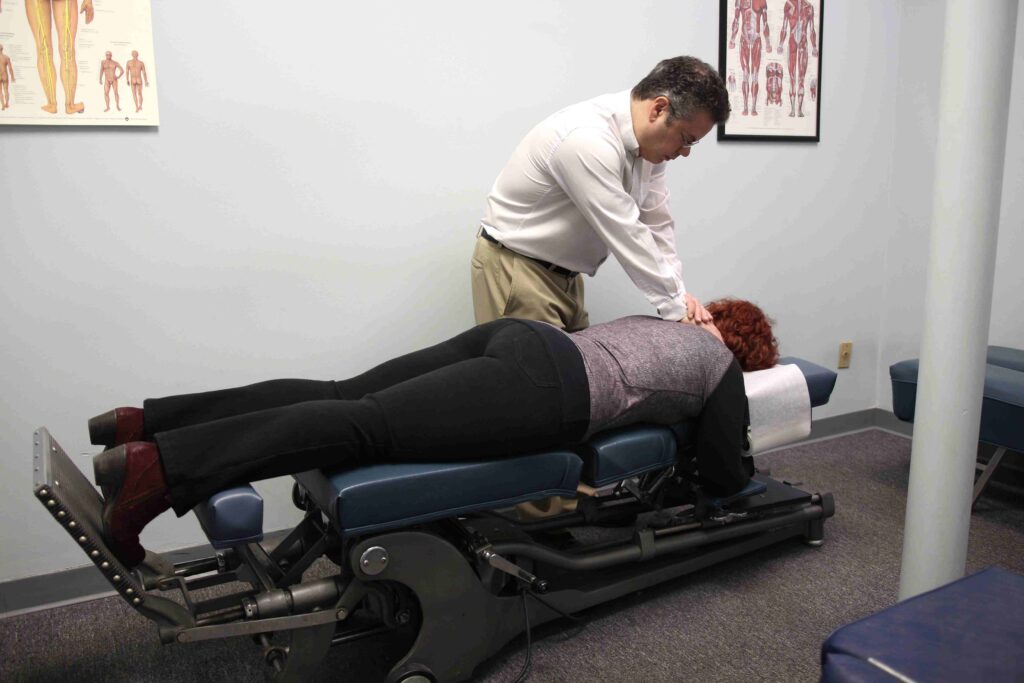

When we discuss overall wellness, there are several key techniques that can significantly enhance your quality of life, especially from a chiropractic perspective. Regular physical activity is crucial; not only does it keep your body moving, but it also supports spinal health and improves circulation. Incorporating mindfulness practices, such as deep breathing or meditation, can help reduce tension and promote a sense of calm, which is important for your nervous system.
A balanced diet is another cornerstone of wellness, as it fuels your body with the nutrients it needs to function optimally. However, it's important to remember that wellness extends beyond these fundamentals. Building and nurturing social connections can provide emotional support and reduce feelings of isolation, while effective stress management techniques can help mitigate the physical effects of stress on your body.
Finally, never underestimate the power of restorative sleep. Quality sleep is essential for healing and recovery, particularly for those receiving chiropractic care. As you explore these elements, consider how they interconnect and influence each other in your journey toward better health. What additional strategies can you incorporate to enhance your overall well-being? Remember, chiropractic care is a holistic approach that can support you in achieving these wellness goals.
Prioritize Physical Activity
As a local chiropractor, I want to emphasize the importance of prioritizing physical activity for your overall wellness. When you make regular exercise a cornerstone of your life, you're not only enhancing your physical health but also supporting your mental and emotional well-being.
It's crucial to incorporate a variety of activities into your routine. This can include cardiovascular exercises such as walking or cycling, strength training to build muscle, flexibility workouts to improve mobility, and recreational sports to keep things fun. The key is to find activities that you genuinely enjoy, ensuring that you'll stick with them for the long haul.
Setting realistic fitness goals is vital. If you're just getting started, aim for 20 to 30 minutes of physical activity most days of the week. As your fitness level improves, you can gradually increase the intensity and duration of your workouts. This approach not only helps to prevent burnout and injuries but also keeps you motivated.
Remember, consistency is far more important than striving for perfection. You can also break up your physical activity throughout the day. If your schedule doesn't allow for a long workout, consider shorter bursts of movement. Opt for the stairs instead of the elevator or take a brisk walk during your lunch break. Every little bit adds up and contributes to your overall wellness.
Don't overlook the benefits of social interaction when it comes to exercise. Joining a group class or finding a workout partner can make exercising more enjoyable and help you stay accountable. Plus, it's an excellent way to meet new people who share your interests.
Prioritizing physical activity isn't just about going to the gym; it's about creating a lifestyle that keeps you feeling energized and engaged in your daily life. As your chiropractor, I encourage you to embrace physical activity as a fundamental part of your journey toward optimal health and natural healing.
Embrace Mindfulness Practices
As a local chiropractor, I want to share how incorporating mindfulness practices can significantly enhance your overall wellness, especially when it comes to supporting your spine and nervous system.
By being present in the moment, you can reduce stress, improve focus, and cultivate a sense of peace, which is essential for your body's healing process. Embracing mindfulness doesn't have to be complicated; there are simple techniques you can easily weave into your daily routine.
Here are four effective mindfulness practices you can implement to support your chiropractic care:
- Meditation: Dedicate a few minutes each day to sit quietly and focus on your breath. Allow thoughts to come and go without judgment. This practice not only clears your mind but also promotes relaxation, which can enhance the benefits of your chiropractic adjustments.
- Mindful Breathing: Throughout your day, take a moment to check in with your breathing. Inhale deeply through your nose, hold for a few seconds, and exhale slowly through your mouth. This simple act can ground you and help you reconnect with your body, which is especially important for maintaining a healthy spine.
- Body Scan: Whether lying down or sitting comfortably, mentally scan your body from head to toe. Pay attention to any tension or discomfort, and consciously relax those areas. This practice increases your awareness of how your body feels, helping you identify areas that may need attention during your chiropractic sessions.
- Gratitude Journaling: Each evening, take a moment to write down three things you're grateful for. This practice can shift your focus from negative thoughts to positive experiences, which can improve your overall outlook on life and contribute to a healthier mindset, further benefiting your healing journey.
Incorporating these mindfulness practices into your daily routine can complement your chiropractic care, helping you to achieve a greater sense of well-being and balance.
Maintain a Balanced Diet
As your local chiropractor, I want to emphasize the importance of maintaining a balanced diet for your overall wellness.
It's essential to understand the vital nutrients your body needs and how to incorporate them into your meals effectively. By prioritizing these nutritional aspects, you can support your body's natural healing processes and enhance your energy levels.
A well-rounded diet not only complements chiropractic care but also plays a crucial role in your journey towards optimal health.
Let's work together to ensure you're fueling your body in the best way possible!
Essential Nutrients Breakdown
As a local Chiropractor committed to your holistic health, I want to emphasize the importance of understanding essential nutrients and how they contribute to your overall well-being.
These nutrients play a vital role in ensuring that your body operates at its best, and learning how to balance them can significantly enhance your health journey.
Here's a simplified breakdown of the key nutrient categories that are essential for your body:
- Carbohydrates: These are your body's primary source of energy, especially important for maintaining an active lifestyle. I encourage you to focus on complex carbohydrates, such as whole grains and legumes, which provide lasting energy and support your physical activities.
- Proteins: Crucial for muscle repair and growth, proteins should be an integral part of your diet. Incorporating a variety of protein sources, including lean meats, dairy, beans, and nuts, can help in the recovery of your body, especially if you're undergoing chiropractic treatment or physical therapy.
- Fats: Don't shy away from fats; healthy fats are essential for brain health and hormone production. Choose sources like avocados, olive oil, and fatty fish. It's important to avoid unhealthy trans fats, which can negatively impact your health and recovery.
- Vitamins and Minerals: These micronutrients are fundamental for numerous bodily functions, and a well-rounded diet rich in fruits, vegetables, nuts, and seeds can help ensure that you're getting a wide range of vitamins and minerals.
This nutritional support is crucial for maintaining overall health and enhancing the effectiveness of your chiropractic care.
By focusing on these essential nutrients, you can support your body's natural healing processes and promote optimal health.
Meal Planning Strategies
As a local chiropractor dedicated to your overall health, I want to share how meal planning can significantly contribute to a balanced diet and your overall wellness. By organizing your meals in advance, you can ensure that your body receives the vital nutrients it needs to function optimally.
I recommend setting aside a specific time each week to plan your meals. Take into account your daily schedule and choose recipes that are both nutritious and simple to prepare. This won't only aid in maintaining your physical health but can also support your chiropractic care by promoting a healthy weight and reducing inflammation.
Creating a shopping list based on your meal plan is a crucial next step. This practice helps you avoid impulsive purchases that often lead to unhealthy choices. When shopping, prioritize fresh fruits and vegetables, whole grains, lean proteins, and healthy fats. These ingredients are essential for a balanced diet and can enhance your recovery and overall well-being.
Consider incorporating batch cooking into your routine. By preparing larger portions of meals and storing them in the fridge or freezer, you'll have quick and healthy options readily available throughout the week. This strategy saves you time and helps you resist the urge to reach for unhealthy takeout, which can negatively impact your chiropractic treatment.
Finally, remember to remain flexible. Life can be unpredictable, so it's essential to allow for adjustments in your meal plan. By consistently planning and preparing your meals, you'll develop healthier eating habits that complement your chiropractic care, leaving you feeling more energized and aligned.
Foster Social Connections
Building strong social connections is vital for your overall wellness, and it can significantly enhance your mental and emotional well-being, especially when you're on a journey to better health through chiropractic care. Engaging with others not only provides a support system for navigating life's challenges but can also complement your healing process.
Here are some effective ways to foster those connections while focusing on your well-being:
- Join a Wellness Group or Class: Look for local groups that focus on health and wellness, such as yoga classes, support groups, or health workshops. These settings offer you the opportunity to meet new people who share your interest in holistic health and healing.
- Volunteer for Health-related Causes: Contributing your time to health-focused organizations or community wellness events can connect you with individuals who share your values. The camaraderie developed through volunteering can lead to lasting friendships and mutual support in your wellness journeys.
- Stay in Touch with Your Support System: Don't hesitate to reach out to your friends and family. Regular communication—whether through texts, calls, or coffee meet-ups—reinforces your relationships and provides emotional support, which is crucial when undergoing chiropractic treatment.
- Participate in Community Events: Attend local health fairs, workshops, or social gatherings focused on natural healing. Engaging in these environments allows you to meet others who are also interested in improving their health, opening the door to new friendships and connections.
Get Quality Sleep
As a local chiropractor, I want to share some insights on how to achieve quality sleep, which is crucial for your overall health and well-being.
One of the first steps is to create an optimal sleep environment. This means ensuring your bedroom is dark, quiet, and at a comfortable temperature.
Additionally, maintaining a consistent sleep schedule can greatly improve your sleep quality—going to bed and waking up at the same time every day helps regulate your body's internal clock.
Incorporating relaxation techniques before bed, such as gentle stretches or deep breathing exercises, can signal to your body that it's time to wind down.
These practices not only promote relaxation but also help relieve tension in your muscles, which is essential for a restful night's sleep.
By making these adjustments and embracing natural healing methods, you'll be setting the stage for restorative sleep that supports your overall health.
Sleep Environment Optimization
Creating an optimal sleep environment is essential for overall health and well-being, and as a chiropractor, I want to emphasize how this can significantly improve your quality of rest.
When you cultivate a serene sleep space, you support your body's natural healing processes. Here are four key elements to focus on for a more restorative night's sleep:
- Darkness: It's important to keep your bedroom dark to signal your body that it's time to relax and rejuvenate. Consider using blackout curtains or blinds to eliminate any disruptive external light, which can interfere with your natural sleep cycle.
- Temperature: Aim to maintain a cool room temperature, ideally between 60-67°F (15-19°C). A cooler environment helps lower your body temperature, which is crucial for promoting deeper, more restorative sleep. This can also aid in the recovery of your muscles and joints, aligning perfectly with the principles of chiropractic care.
- Noise Control: Disruptive sounds can hinder your ability to fall asleep and stay asleep. To create a peaceful environment, consider using earplugs, white noise machines, or calming nature sounds. Reducing noise can lead to a more restful sleep, allowing your body to heal and recharge.
- Comfortable Bedding: Investing in a quality mattress and soft, breathable sheets is vital. Your bed should be a supportive sanctuary that invites relaxation. Proper support can also align with chiropractic principles, helping to alleviate discomfort and promote better spinal health while you sleep.
By focusing on these four elements, you can enhance your sleep environment, which in turn supports your overall health and aligns with the holistic approach of chiropractic care.
Prioritizing quality sleep is an important step toward achieving a pain-free and vibrant life.
Sleep Schedule Consistency
As a local chiropractor, I want to emphasize the importance of establishing a consistent sleep schedule for your overall health and well-being. Quality rest is vital, and when you go to bed and wake up at the same time each day, your body's internal clock can adjust effectively. This natural rhythm not only helps you fall asleep more easily but also allows you to wake up feeling refreshed.
A well-regulated sleep schedule can positively impact various bodily functions, including mood, metabolism, and cognitive performance, which are all essential for maintaining a healthy lifestyle.
To develop a sleep schedule that works for you, aim for seven to nine hours of sleep each night, as individual needs can vary. Identify your ideal bedtime and commit to it—even on weekends, as consistency is key. Sticking to this routine reinforces your body's natural sleep-wake cycle, leading to deeper and more restorative sleep, which can enhance your recovery and overall health.
If you struggle to fall asleep at your desired time, consider gradually adjusting your bedtime in 15-minute increments until you find your ideal schedule. It's also important to avoid long naps during the day, as they can disrupt your nighttime rest.
Lastly, limiting exposure to screens and bright lights close to bedtime is crucial, as these can interfere with melatonin production, a hormone that regulates sleep. By prioritizing a consistent sleep schedule, you're taking an important step towards better health and wellness, which aligns beautifully with the principles of chiropractic care and natural healing.
Relaxation Techniques Before Bed
As a local Chiropractor, I often discuss the importance of a good night's sleep and how relaxation techniques can significantly enhance sleep quality.
If you're new to chiropractic care or natural healing, incorporating these practices into your nightly routine can provide a solid foundation for overall well-being.
Here are four strategies to help you unwind effectively before bed:
- Deep Breathing: Begin by taking a few moments to focus on your breath. Inhale deeply through your nose, hold it for a few seconds, and then exhale slowly through your mouth. This simple practice can help calm your nervous system and reduce stress, which is crucial for maintaining spinal health.
- Gentle Stretching: Light stretching can be particularly beneficial in releasing tension in your muscles and joints. Simple neck rolls and shoulder shrugs can alleviate discomfort and promote relaxation, enhancing your body's readiness for restorative sleep.
- Reading: Choose a book or magazine that captures your interest, steering clear of screens. Reading can serve as a mental distraction from the stresses of the day and facilitate a smoother transition into sleep. It's a wonderful way to unwind while giving your mind a break from technology.
- Meditation: Dedicate 5-10 minutes to meditation before bed. Focus on your breath or use a guided meditation app. This practice not only promotes mental clarity but can also foster a sense of peace that prepares your body and mind for restful sleep.
By incorporating these relaxation techniques into your nightly routine, you may find yourself drifting off more easily and enjoying a deeper, more restorative sleep.
As a Chiropractor, I encourage you to explore these natural methods to enhance your health and well-being.
Manage Stress Effectively
As a local chiropractor, I want to emphasize how managing stress effectively is key to your overall wellness, and there are simple, daily practices you can adopt to help you achieve this. One of the first steps is to identify the specific triggers that cause you stress. Understanding what stresses you allows us to work together on developing strategies to cope with those situations. This proactive approach can be much more beneficial than simply reacting to stress as it arises.
Incorporating mindfulness techniques into your daily routine can also have a profound impact on your stress levels. Taking just a few minutes to focus on your breath or practice meditation can ground you, making it easier to tackle the challenges of the day. You might find journaling to be helpful as well; writing down your thoughts and feelings can provide clarity and help release any pent-up emotions.
Physical activity is another vital component of effective stress management. Whether it's a brisk walk, yoga, or a workout at the gym, movement releases endorphins, which are natural mood boosters. I recommend aiming for at least 30 minutes of exercise most days – you'll likely see a noticeable improvement in your stress levels.
Don't overlook the importance of social connections. Surrounding yourself with supportive friends and family who understand your experiences can make a huge difference. Sharing your feelings and experiences with others often lightens the emotional load.
Lastly, I encourage you to prioritize self-care. Make time for activities that bring you joy, whether it's reading, gardening, or cooking. By focusing on self-care and effectively managing stress, you can enhance your overall wellness and lead a more balanced life.
Stay Hydrated
As a local chiropractor dedicated to promoting natural healing and overall wellness, I want to emphasize the critical role that staying hydrated plays in managing stress and supporting your body's function.
When you're properly hydrated, your body operates more efficiently, helping to reduce feelings of fatigue and overwhelm. On the flip side, dehydration can lead to elevated cortisol levels, which is your body's main stress hormone.
By committing to adequate water intake throughout your day, you can effectively manage stress and enhance your overall health.
Here are some practical tips to help you maintain optimal hydration:
- Set a Daily Water Goal: Strive for a minimum of 8 glasses of water each day. This can be adjusted based on your level of physical activity and the climate you're in.
- Use a Water Bottle: Invest in a reusable water bottle and keep it with you at all times. This simple tool makes it convenient to sip water regularly throughout your day.
- Flavor Your Water: If you find plain water unappealing, try infusing it with fruits or herbs like lemon, mint, or cucumber. This can make hydration more enjoyable.
- Monitor Your Intake: Consider using an app or keeping a journal to track how much water you're drinking. This accountability can help you reach your hydration goals consistently.
Staying hydrated is a foundational step towards better health and well-being, which is an essential part of what we promote here in chiropractic care.
Remember that every small change you make can lead to significant improvements in your overall wellness.
Practice Gratitude Regularly
Practicing gratitude regularly can significantly enhance your mental and emotional well-being, which is essential for overall health. As a chiropractor, I often emphasize the interconnectedness of mind and body. When you consciously acknowledge the positive aspects of your life, you can shift your mindset from focusing on limitations to recognizing abundance. This shift can lead to a more positive outlook and, consequently, improved overall health.
One effective way to cultivate gratitude is by keeping a gratitude journal. I encourage my patients to take a few minutes each day to jot down three to five things they're thankful for. These can be simple joys, like the relief of a pain-free moment or the comfort of a supportive community. This practice not only helps you recognize the positives in your life but also trains your mind to seek out these moments throughout your day, which can have a profound impact on your mental state and physical health.
Another beneficial approach is to express your gratitude directly to others. Whether it's sending a thank-you note, making a phone call, or sharing your appreciation in person, acknowledging the positive influence others have on your life strengthens your relationships and fosters a supportive environment. You'll likely notice that expressing gratitude not only boosts your spirits but also positively affects the mood of those around you, creating a healthier community.
Incorporating gratitude into your daily routine is also essential. Before going to bed, take a moment to reflect on your day and identify moments of gratitude. Alternatively, start your day by considering what you're grateful for, setting a positive tone that can influence your physical health and well-being throughout the day.
Engage in Continuous Learning
As a local chiropractor, I want to emphasize the incredible benefits of continuous learning, not just for your mind but also for your overall wellness. Engaging in lifelong learning can significantly enhance your emotional health and resilience, which are crucial for maintaining a balanced lifestyle.
When you challenge yourself to acquire new skills or knowledge—especially about natural healing methods—you can experience personal growth and a sense of accomplishment. This newfound knowledge can lead to increased confidence and a more positive outlook on your health and life.
Here are four effective ways to incorporate continuous learning into your routine that can directly benefit your chiropractic care and holistic well-being:
- Read Daily: Set aside at least 20 minutes each day to read about chiropractic care, holistic health, or wellness practices. This habit can help you understand the principles of natural healing and keep your mind engaged in your health journey.
- Take Online Courses: Consider enrolling in online courses focused on topics like anatomy, nutrition, or stress management. Many platforms offer courses that can deepen your understanding of how your body works and how chiropractic care can support your overall health. Aim to complete one course each month.
- Join a Health Discussion Group: Find a community of like-minded individuals who are also interested in natural healing and wellness. Engaging in discussions can enhance your understanding of chiropractic care and provide you with new ideas and perspectives on your health.
- Attend Workshops or Seminars: Look for local or virtual workshops that focus on chiropractic techniques, wellness practices, or self-care strategies. These events can provide hands-on experience and allow you to connect with others who share your commitment to health and wellness.
Conclusion
As a local chiropractor dedicated to your wellness, I want to share some key techniques that can significantly enhance your overall health. Incorporating regular physical activity into your day not only strengthens your body but also supports your spine and nervous system, which are crucial for your overall well-being.
Embracing mindfulness practices can help you become more aware of your body and its needs, ultimately leading to better stress management and improved mental clarity. A balanced diet rich in nutrients will fuel your body and support vital functions, including those facilitated by chiropractic care.
Building strong social connections is equally important; they provide emotional support and can even motivate you to maintain a healthy lifestyle. Quality sleep is essential for recovery and rejuvenation, and it complements the adjustments and treatments you receive in our office.
Don't underestimate the importance of staying hydrated; proper hydration is key for spinal health and overall bodily functions. Practicing gratitude can shift your mindset, enhancing your emotional well-being. Additionally, engaging in continuous learning keeps your mind sharp and helps you stay informed about your health.
Remember, making small, consistent changes can lead to significant improvements in your overall wellness. As your chiropractor, I'm here to guide and support you on this journey towards a healthier life!