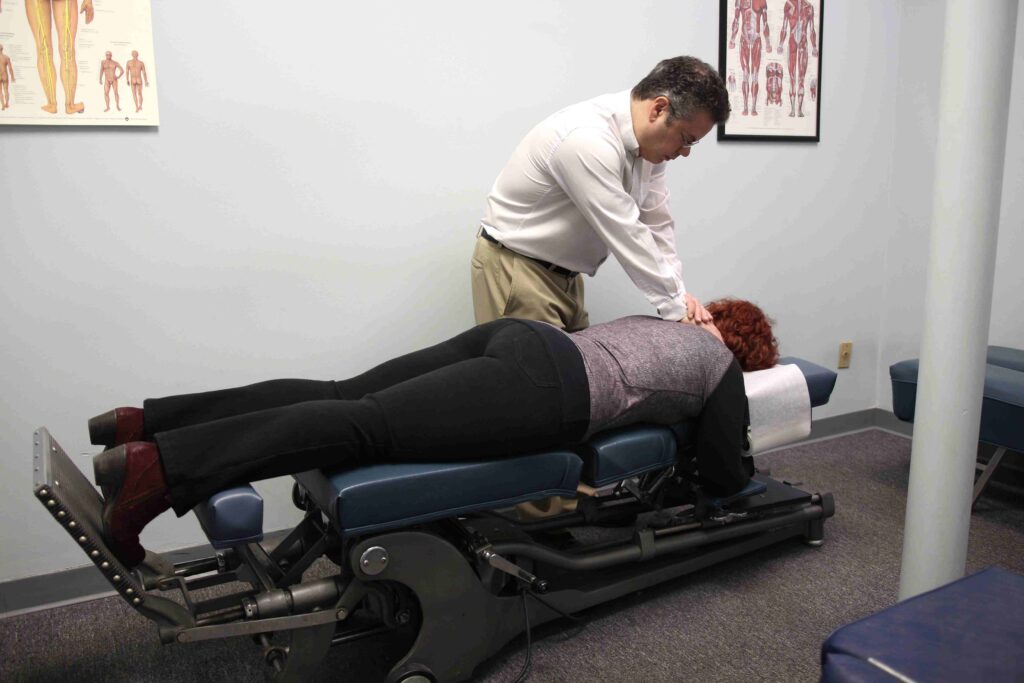
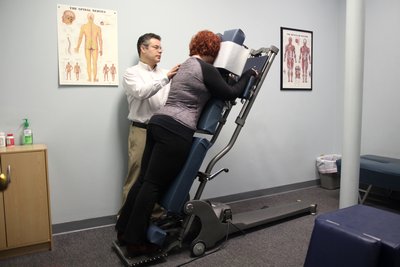
When you consider adjustments, like chiropractic care or physical therapy, you might not immediately think of their impact on your immune system. However, these practices can greatly enhance your body's ability to fend off illness by improving circulation and reducing stress. By aligning your body properly and alleviating discomfort, you're not just feeling better; you're also creating an environment where your immune response can thrive. Curious about how this all ties into aspects like nutrition and sleep quality? The interconnectedness of these benefits might surprise you.
Enhanced Nutritional Balance
Enhanced nutritional balance plays an important role in strengthening your immune system. When you nourish your body with a variety of vitamins, minerals, and nutrients, you give your immune system the tools it needs to fight off infections and illnesses.
Incorporating a diverse range of foods into your diet guarantees that you're not just getting the basics, but also the specific nutrients that enhance immune function. You should focus on consuming plenty of fruits and vegetables, as they're packed with antioxidants that combat oxidative stress.
Foods rich in vitamin C, like oranges and bell peppers, can boost your immune response. Zinc, found in nuts, seeds, and whole grains, is another essential mineral that supports immune health. Don't forget about healthy fats, too; omega-3 fatty acids from fish and flaxseeds have anti-inflammatory properties that can further help your body ward off disease.
Additionally, staying hydrated is critical for maintaining ideal health. Water is fundamental for every cell in your body, and it helps transport nutrients effectively.
If you're not drinking enough fluids, you could hinder your immune system's ability to function properly.
Improved Physical Fitness
Physical fitness is crucial for boosting your immune system and overall health. When you engage in regular physical activity, you enhance your body's ability to fight off infections and diseases. Exercise increases circulation and promotes the efficient delivery of immune cells to areas where they're needed most. This means you're not just getting stronger, but you're also empowering your immune system to work effectively.
Incorporating physical activity into your daily routine doesn't have to be complicated. Simple activities like walking, biking, or swimming can greatly improve your fitness level. Aim for at least 150 minutes of moderate aerobic activity each week.
If you find it hard to stick to a schedule, consider turning your workouts into fun activities with friends or family. This social aspect can keep you motivated and engaged.
Strength training is another key component of improved physical fitness. Building muscle not only supports your metabolism but also enhances your body's ability to respond to infections. Aim for two days a week of strength training that targets all major muscle groups.
Additionally, staying active helps maintain a healthy weight, which is crucial for immune function. Obesity can impair immune responses, making it harder for your body to ward off illness.
Stress Reduction Techniques
Managing stress is essential for bolstering your immune system. When you experience stress, your body releases hormones like cortisol, which can weaken your immune response. To combat this, you can adopt various stress reduction techniques that not only help you feel better but also support your overall health.
One effective method is deep breathing. Take a few minutes each day to practice inhaling deeply through your nose, holding your breath for a few seconds, and exhaling slowly through your mouth. This simple exercise can lower your heart rate and promote relaxation.
Another technique is mindfulness meditation. By focusing on the present moment, you can reduce anxiety and improve your emotional well-being. Find a quiet space, sit comfortably, and concentrate on your breath or a simple mantra. Even just a few minutes can make a significant difference.
Physical activity is also a powerful stress reliever. Engaging in regular exercise releases endorphins, which are natural mood boosters. Whether it's a brisk walk, yoga, or dancing, find an activity you enjoy and make it a part of your routine.
Don't forget about the importance of connecting with others. Sharing your feelings with friends or family can provide support and help you manage stress more effectively.
Incorporating these techniques into your daily life can lead to significant improvements in your stress levels and, ultimately, your immune health.
Better Sleep Quality
Quality sleep plays an essential role in strengthening your immune system. When you prioritize rest, your body gets the chance to recover, repair, and regenerate. During sleep, your immune system releases proteins called cytokines, which help combat infections and inflammation. If you're not getting enough quality sleep, you might miss out on these critical immune-boosting benefits.
You may notice that when you've had a rough night, you feel sluggish and more susceptible to illness. This is because sleep deprivation can reduce your body's production of protective antibodies and cells. By focusing on improving your sleep quality, you can help your body fend off infections more effectively.
Creating a consistent sleep schedule is one way to enhance your sleep quality. Going to bed and waking up at the same time each day helps regulate your internal clock, making it easier to fall asleep and wake up refreshed.
Additionally, consider your sleep environment. A dark, quiet, and cool bedroom can promote deeper sleep, allowing your immune system to function at its best.
Mindfulness techniques, such as deep breathing or meditation, can also help you unwind before bedtime, making it easier to drift off.
Remember, your body needs restorative sleep to recharge. By making sleep a priority, you're not just improving your overall well-being; you're actively boosting your immunity.
Increased Hydration
When you increase your hydration, you're not just quenching your thirst; you're also enhancing your fluid balance.
This boost in hydration helps your body absorb nutrients more effectively, which is vital for maintaining a strong immune system.
Staying properly hydrated is a simple yet powerful way to support your overall health.
Enhanced Fluid Balance
Staying hydrated plays an essential role in enhancing fluid balance, which can greatly boost your immune system. When your body maintains ideal fluid levels, it can effectively transport nutrients and eliminate waste, helping your immune cells function at their best.
You mightn't realize it, but even slight dehydration can lead to fatigue, headaches, and reduced cognitive function, making it harder for your body to fend off infections.
Enhancing fluid balance isn't just about drinking enough water; it's also about ensuring you're replenishing electrolytes. These minerals play a crucial role in maintaining your body's hydration levels and supporting cellular functions. By consuming a balanced diet rich in fruits, vegetables, and electrolyte-rich foods, you can support your fluid balance effectively.
Moreover, when your body is properly hydrated, your skin barrier becomes stronger, acting as a first line of defense against pathogens. This improves your overall resilience against illness.
Optimal Nutrient Absorption
Maintaining proper hydration not only supports fluid balance but also enhances your body's ability to absorb nutrients effectively. When you're well-hydrated, your digestive system functions at its best, ensuring that vitamins and minerals from the food you consume are absorbed efficiently. Water acts as a solvent for many nutrients, breaking them down so your body can utilize them.
If you're dehydrated, nutrient absorption can be compromised. Without enough water, your digestive tract may struggle to process food, leading to reduced nutrient uptake. This can leave you feeling sluggish and your immune system weakened. By drinking enough fluids throughout the day, you'll create a more favorable environment for nutrient absorption.
Additionally, hydration aids in transporting these nutrients to your cells. With sufficient hydration, your bloodstream can carry essential vitamins and minerals where they're needed most. This circulation is crucial for maintaining energy levels and overall health.
To maximize nutrient absorption, aim for adequate hydration, especially during meals. Consider incorporating water-rich foods into your diet, like fruits and vegetables, to boost your fluid intake. By prioritizing hydration, you'll enhance not only your nutrient absorption but also your overall well-being.
Strengthened Mind-Body Connection
A strong mind-body connection can notably enhance your immune system's effectiveness. When you actively engage in practices that promote this connection, you empower your body to respond better to stressors and illnesses. Adjustments can play an essential role in fostering this bond by aligning your physical structure and releasing tension, which often hampers your mental clarity.
By prioritizing your mental well-being alongside physical health, you open up a more robust immune response. Techniques like mindful breathing, meditation, and even yoga can further strengthen this link. When you calm your mind, you not only reduce anxiety but also lower cortisol levels, which can negatively impact your immune function.
Additionally, regular adjustments can help alleviate pain and discomfort, allowing you to focus more on your mental health. With less distraction from physical ailments, you can engage in deeper relaxation techniques and cultivate a positive mindset. A positive outlook can enhance your body's ability to fight off infections and recover from illnesses more swiftly.
Incorporating these adjustments and mindfulness practices can lead to a holistic approach to health, where your mind and body work in harmony. When you nurture this connection, you might notice improved sleep patterns, better emotional regulation, and enhanced overall energy.
In turn, these factors can greatly boost your immune system, enabling it to fend off illnesses and maintain your well-being. Embrace this journey of strengthening your mind-body connection, and watch as your health flourishes.
Conclusion
Incorporating adjustments into your routine can greatly boost your immunity. By enhancing your nutritional balance, improving physical fitness, and reducing stress, you create a healthier environment for your body. Better sleep quality and increased hydration further support your immune system, while a strengthened mind-body connection fosters overall well-being. Embracing these practices not only helps you feel better physically but also equips your body to fight off infections more effectively. Prioritize your health and resilience today!