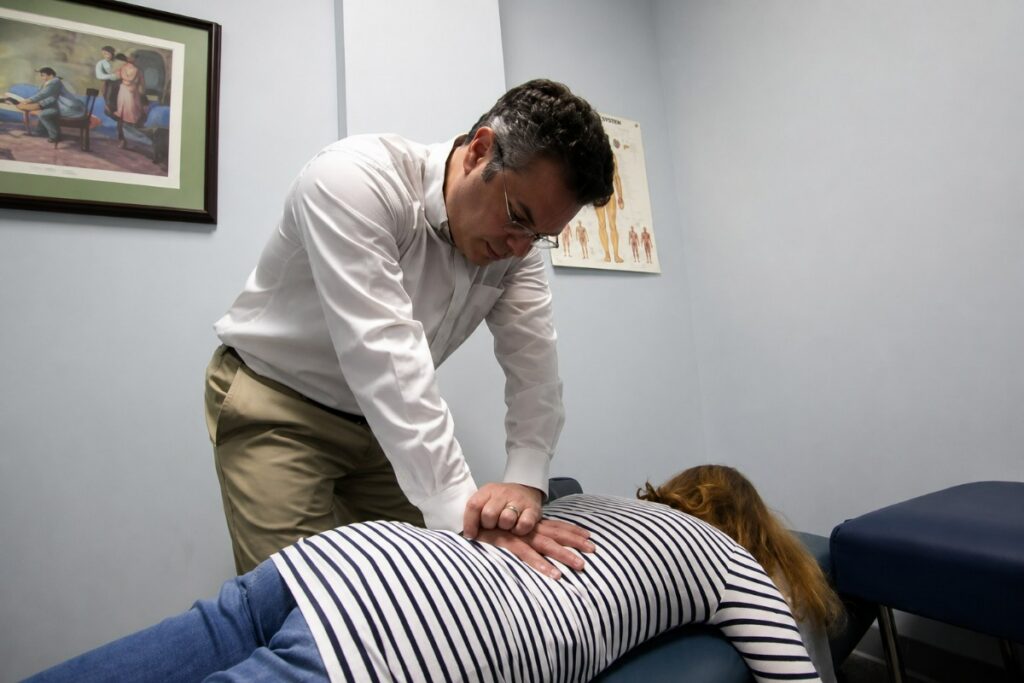

You might not realize how much flexibility impacts your daily life, from enhancing athletic performance to relieving stress. By understanding the fundamentals of flexibility and incorporating targeted stretching techniques, you can access a new level of physical potential. Many people face barriers in this journey, but overcoming them can lead to substantial benefits. So, what if you could transform your routine and experience these advantages firsthand? The key lies in knowing the right methods and mindset. Let's explore how you can take that first step towards a more flexible you.
Understanding Flexibility
Flexibility refers not just to how far you can stretch, but also to how your muscles and joints move together in harmony. It's a significant component of overall fitness, enhancing your ability to perform daily activities and engaging in sports. When you think about flexibility, you might picture someone performing deep stretches or yoga poses. However, it's more than just a visual spectacle; it's about your body's ability to move freely and efficiently.
You've likely noticed that flexibility varies from one person to another. This variation can depend on several factors, including age, genetics, and activity level. For instance, younger individuals often have greater flexibility, while those who lead a sedentary lifestyle may experience stiffness. Understanding your own flexibility level is important as it allows you to tailor your fitness regimen accordingly.
Moreover, flexibility isn't static. It can change over time with consistent practice and training. By incorporating stretching exercises into your routine, you can improve your range of motion and reduce the risk of injury. It's important to focus on both static and dynamic stretches, as both play a role in enhancing flexibility.
Additionally, the relationship between flexibility and strength is essential. Strong muscles can support flexible movements, while tight muscles can restrict your motion. By finding a balance between the two, you'll create a more resilient body capable of handling various physical demands.
Understanding these aspects of flexibility sets the foundation for revealing your body's full potential.
Benefits of Increased Flexibility
Enhancing your flexibility can lead to a multitude of benefits that greatly improve your overall well-being. First and foremost, improved flexibility helps increase your range of motion. This means you can perform daily activities, like bending down to tie your shoes or reaching for something on a high shelf, with greater ease and less discomfort.
Moreover, increased flexibility can markedly reduce the risk of injuries. When your muscles and joints are more pliable, they're less likely to strain or tear during physical activities. Whether you're hitting the gym, participating in sports, or simply enjoying a leisurely walk, having flexible muscles can keep you safe and active.
Additionally, flexibility is key to better posture. Tight muscles can pull your body out of alignment, leading to discomfort and strain. By incorporating stretching and flexibility exercises into your routine, you'll likely find it easier to maintain good posture, which can alleviate back pain and promote overall spinal health.
Not to mention, enhanced flexibility can improve your athletic performance. Many athletes find that being more flexible allows them to execute movements with greater efficiency and power. As a result, you may notice improvements in your strength and endurance too.
Lastly, embracing flexibility can have mental health benefits. The practice of stretching can serve as a form of mindfulness, helping you reduce stress and cultivate a sense of relaxation.
Effective Stretching Techniques
Incorporating effective stretching techniques into your routine can markedly enhance your flexibility journey. To get started, focus on three primary types of stretches: static, dynamic, and PNF (proprioceptive neuromuscular facilitation). Each type serves a unique purpose and can complement your flexibility goals.
Static stretching involves holding a stretch for a set period, usually 15 to 60 seconds. It's best done after your workout when your muscles are warm. For instance, while seated, reach for your toes to stretch your hamstrings. This method helps lengthen your muscles and improve your range of motion.
Dynamic stretching is ideal for warming up before any physical activity. It includes controlled movements that prepare your muscles for action. Try arm circles or leg swings to increase blood flow and flexibility in a functional way. This technique is beneficial as it mimics the movements you'll perform during your workout.
PNF stretching combines static stretching and isometric contractions. It's often done with a partner, where one person holds a stretch while the other provides resistance. For example, lie on your back and have a partner push your leg toward your chest while you resist. This method can lead to significant increases in flexibility due to its unique approach.
Remember to breathe deeply throughout each stretch, and never force your body into a position that feels painful. Consistent practice of these techniques won't only enhance your flexibility but also contribute to your overall physical well-being.
Incorporating Flexibility Into Your Routine
Finding ways to weave flexibility training into your daily routine can make a significant difference in your overall performance and well-being. Flexibility isn't just for athletes; it's essential for everyone. Start by setting aside a few minutes each day dedicated to stretching. You don't need a gym or fancy equipment—your living room floor works just fine.
Incorporate flexibility exercises into your warm-up or cool-down after workouts. For instance, try dynamic stretches like arm circles or leg swings before exercising, and follow up with static stretches post-workout to help your muscles recover. Consider setting reminders on your phone or using a calendar to keep yourself accountable.
You can also integrate flexibility training into your daily life. For example, when you're watching TV, take a few moments to stretch your hamstrings or lower back. If you're working at a desk, stand up every hour and do a quick series of stretches to combat stiffness.
Yoga or Pilates is another fantastic way to enhance flexibility while also improving strength and balance. Look for classes in your area or follow online tutorials if you prefer to practice at home.
With consistency, you'll notice improvements in your range of motion, posture, and even your mood. Remember, the key is to make flexibility training a regular part of your routine. By doing this, you're setting yourself up for success and revealing your body's full potential.
Overcoming Common Flexibility Barriers
Identifying and overcoming common barriers to flexibility is essential for anyone looking to improve their range of motion. You might face several obstacles, including muscle tightness, a lack of consistency, or even fear of injury. Recognizing these barriers is the first step to breaking through them.
Muscle tightness often stems from a sedentary lifestyle or repetitive movements. To tackle this, incorporate dynamic stretching into your warm-up routine. This helps increase blood flow and prepares your muscles for activity.
After your workouts, focus on static stretching to help lengthen those tight muscles and improve overall flexibility.
Consistency is key. If you're only stretching sporadically, you won't see the progress you want. Set a regular schedule for your flexibility training—aim for at least three times a week.
You can even integrate stretching into your daily routine, like during breaks or while watching TV.
Another barrier could be the fear of injury. It's vital to listen to your body and understand its limits. Start with gentle stretches, gradually increasing intensity as you become more comfortable.
Don't rush the process; flexibility takes time to develop. Consider working with a trainer or joining a class to receive guidance and support.
Conclusion
Releasing your body's flexibility potential is just a few stretches away. By incorporating both static and dynamic techniques into your daily routine, you'll not only enhance your range of motion but also reduce injury risks and boost overall performance. Remember, it doesn't take much time—just a few minutes each day can make a significant difference. So, start your journey today; embrace flexibility and enjoy the physical and mental benefits that come with it!