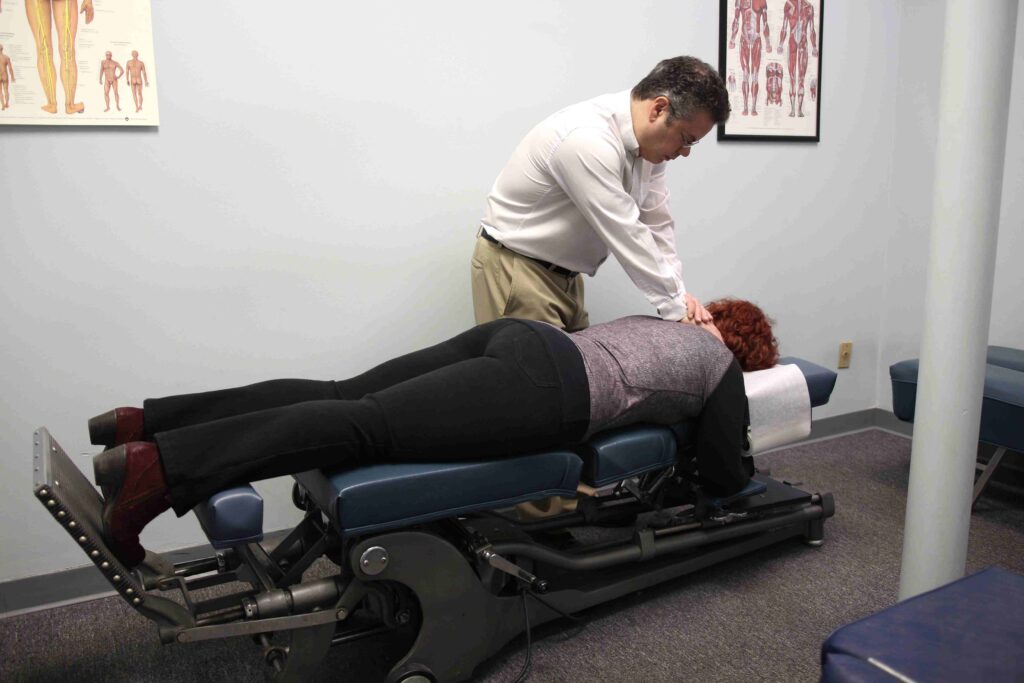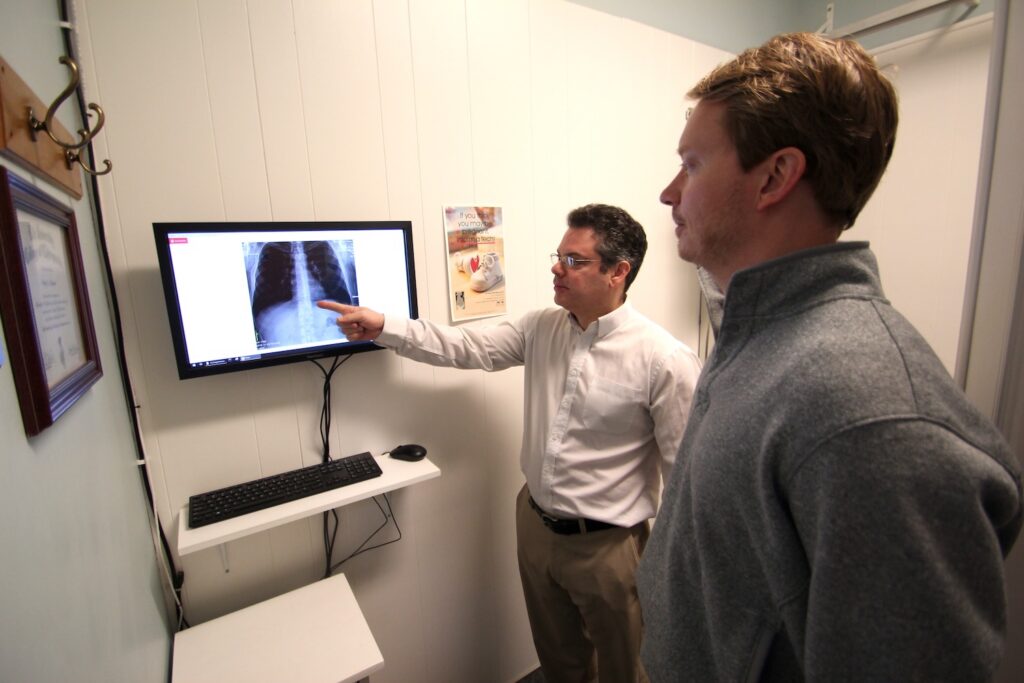

As a local chiropractor, I understand that many of you may be all too familiar with the persistent nature of chronic pain and how it can impact your daily life. However, I want to share with you the potential for lasting relief through a holistic approach to healing. Chiropractic care, combined with lifestyle modifications and emotional support, can significantly transform your experience with pain.
By focusing on the alignment of your spine and overall musculoskeletal health, chiropractic adjustments can alleviate discomfort while promoting your body's natural healing processes. In addition to chiropractic treatments, I encourage you to explore complementary therapies that can enhance your well-being—such as stretches, exercises, and nutritional guidance.
As we work together on this journey, you might uncover effective strategies that not only help manage your pain but also improve your quality of life. Are you ready to learn how chiropractic care and natural healing can reshape your relationship with pain? Let's explore the options together!
Understanding Chronic Pain
Chronic pain isn't just a physical issue; it's a multifaceted experience that impacts both your body and mind. As your chiropractor, I want you to understand that when you experience chronic pain, it can affect more than just the area that hurts. It can influence your mood, sleep patterns, and overall quality of life. Many people with chronic pain report feelings of frustration, anxiety, or even depression. It's crucial to understand the nature of your pain for effective management.
There are different types of chronic pain you might encounter, including nociceptive pain, which comes from tissue damage, and neuropathic pain, which is caused by nerve damage or dysfunction. Identifying the type of pain you have can help us tailor your treatment plan and improve communication about your condition.
Chronic pain can also create a cycle of discomfort and immobility. When pain discourages you from being active, your muscles may weaken, and your overall physical condition can decline, making the pain worse. As your chiropractor, I encourage you to break this cycle by incorporating gentle movements and exploring ways to stay active that respect your limits.
Moreover, it's important to recognize that pain is a subjective experience. Factors like past experiences, emotional state, and even cultural influences can shape how you perceive and respond to pain. By acknowledging these factors, we can take a comprehensive approach that addresses not only the physical aspects of your pain but also the emotional and psychological elements.
Understanding your chronic pain is the first step towards finding effective, natural relief through chiropractic care and holistic healing methods.
Holistic Therapies for Relief
As a local chiropractor, I understand that finding effective relief from chronic pain often requires a holistic approach that considers both your physical and emotional well-being.
It's important to explore various therapies that can't only alleviate discomfort but also enhance your overall quality of life.
One powerful technique I often recommend is acupuncture. This ancient practice involves the careful insertion of thin needles into specific points on the body. It can help balance the flow of energy, reduce inflammation, and promote relaxation, which can be incredibly beneficial for managing chronic pain.
Another effective tool in our arsenal is yoga. Regular practice can significantly improve your flexibility and strength while fostering mindfulness and reducing stress.
I encourage my patients to incorporate deep breathing exercises into their routines, as these can help alleviate tension and improve your perception of pain.
Massage therapy is another excellent option for those dealing with chronic pain. Whether you prefer deep tissue massage or gentler techniques, manipulating the muscles and soft tissues can release tightness and enhance circulation, leading to greater relief and comfort.
I also want to highlight the importance of nutrition in pain management. A balanced diet rich in anti-inflammatory foods can have a profound impact on your pain levels.
I recommend incorporating more fruits, vegetables, whole grains, and healthy fats into your meals to support your body's healing processes.
Lastly, I encourage my patients to explore mindfulness and meditation practices. These techniques can help you cultivate a healthier relationship with your pain.
By learning to observe your discomfort without judgment, you can reduce its emotional impact and improve your overall well-being.
As your chiropractor, I'm here to guide you on this journey toward natural healing and relief from chronic pain.
Together, we can create a personalized plan that addresses your unique needs and promotes a healthier, more balanced lifestyle.
Medical Treatments and Innovations
As a local chiropractor, I want to share with you the exciting advancements in medical treatments and innovations that can work alongside the holistic care we provide to help you manage chronic pain. While many people find relief through natural therapies, it's important to understand that there are also numerous medical options available that can enhance your healing journey.
One of the most groundbreaking developments in healthcare is personalized medicine. By looking at your individual genetic makeup and specific pain conditions, healthcare professionals—including chiropractors—can customize your treatment plan. This means we can focus on therapies that target the root causes of your pain rather than just covering up the symptoms.
Another area of innovation is neuromodulation techniques, which include spinal cord stimulators and peripheral nerve stimulation. These devices work by modifying pain signals before they reach your brain, offering a new pathway to relief. In our practice, we often integrate these approaches with our chiropractic adjustments to optimize your recovery.
Additionally, there have been significant advancements in injection therapies, such as platelet-rich plasma (PRP) and stem cell treatments. These therapies tap into your body's natural ability to heal, helping to reduce inflammation and promote tissue repair. While we focus heavily on hands-on techniques, it's important to consider how these advancements can complement chiropractic care.
We've also seen a revolution in medication options. Newer pain relief medications, like nerve growth factor inhibitors, are designed to target specific pain pathways, providing effective relief while minimizing side effects. Furthermore, biologics are becoming a valuable tool in managing chronic conditions that may contribute to your pain.
Incorporating these modern medical options with our chiropractic care can provide a comprehensive approach to managing your chronic pain, ensuring that you receive the most effective and well-rounded treatment possible.
Lifestyle Changes to Consider
As a local chiropractor, I want to share some valuable insights on how making small yet impactful lifestyle changes can significantly improve your ability to manage chronic pain. One of the first areas to consider is your diet. By incorporating more anti-inflammatory foods—such as leafy greens, berries, and fatty fish—you may find a reduction in your pain levels.
Conversely, it's wise to limit processed foods, sugars, and trans fats, as these can contribute to increased inflammation in the body.
Hydration is another crucial element in your pain management toolkit. Staying well-hydrated allows your body to function at its best and can help alleviate some pain symptoms. I recommend aiming for at least eight glasses of water each day, and paying attention to how proper hydration affects your overall well-being.
Let's also talk about physical activity, which I believe plays a vital role in managing pain. It may seem counterintuitive, but engaging in gentle exercises like walking, swimming, or yoga can actually strengthen your muscles and improve flexibility, leading to a decrease in pain over time.
It's essential to set realistic goals for yourself to avoid overexertion and to always listen to your body's signals.
Prioritizing sleep is another key factor in your pain management strategy. Quality rest is fundamental for both physical and mental recovery. I suggest creating a calming bedtime routine and ensuring that your sleeping environment is comfortable and conducive to restful sleep.
Additionally, incorporating mindfulness practices such as meditation and deep breathing exercises can be incredibly beneficial. These techniques help to reduce stress, which is often linked to heightened pain perception.
Lastly, I want to emphasize the importance of establishing a routine. Creating a consistent daily schedule can help you manage your energy levels and prevent fatigue.
Building a Support Network
As a local chiropractor, I want to emphasize the importance of establishing a solid support network in your journey to manage chronic pain. Surrounding yourself with understanding and empathetic individuals can significantly alleviate feelings of isolation that often accompany chronic conditions.
Start by reaching out to family members and friends who genuinely care about your well-being. Sharing your experiences with them allows you to express what you're going through, fostering deeper connections and encouraging them to offer the support you need.
Consider exploring support groups, whether in your community or online. These groups provide a safe space for you to share your thoughts and feelings with individuals who truly understand your struggles. Hearing their stories can be incredibly inspiring, reminding you that you're not alone in your journey.
You can exchange tips, coping strategies, and resources, which can be invaluable as you navigate your pain management.
Additionally, don't overlook the role of healthcare professionals in your support network. As your chiropractor, I'm here not only to provide you with chiropractic adjustments and treatment options but also to offer emotional support.
I can help you understand how natural healing methods can work alongside your other treatments and connect you with additional resources that may benefit your recovery.
Lastly, I encourage you to take an active role in your support network. Offer your support to others who might be experiencing similar challenges.
By sharing your experiences and providing encouragement, you not only strengthen your own resilience but also contribute to a community of support.
Building a strong support network is essential for managing chronic pain, and it empowers you to face challenges with renewed strength and hope. Together, we can work towards a healthier, more balanced life.
Conclusion
As a local chiropractor, I want to share how embracing a holistic approach to managing chronic pain can significantly improve your quality of life. By integrating effective therapies such as chiropractic adjustments, acupuncture, and yoga with traditional medical treatments and healthy lifestyle changes, you can unlock the relief you've been searching for.
It's essential to nourish your body with the right foods and cultivate a strong support network to aid in your healing journey. Through proactive steps and a commitment to your overall well-being, you can discover a path toward a brighter, pain-free future. Remember, you are not alone in this process; I'm here to help guide you every step of the way. Take charge of your health today and explore the benefits of natural healing through chiropractic care!