If you've been grappling with the discomfort of a herniated disc, you're not alone, and there are options available to help you regain control. This guide covers everything from conservative treatments like physical therapy and chiropractic care to the potential need for surgical intervention. You might be wondering which approach is right for you and how to find qualified specialists in Charlotte. Understanding the nuances of each treatment can greatly impact your recovery journey, so let's explore what you need to know to make informed decisions.
Understanding Herniated Discs
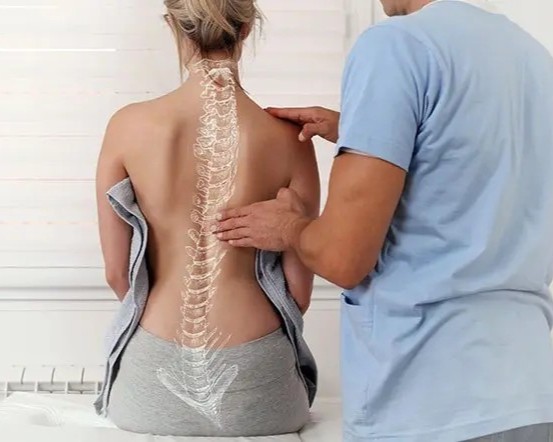
A herniated disc occurs when one of the rubbery cushions (discs) between your vertebrae slips out of place or ruptures. This can happen due to wear and tear over time, or as a result of an injury. When the disc is displaced, it may press on nearby nerves, leading to pain, numbness, or weakness in your arms or legs.
Understanding how this condition develops is vital for recognizing symptoms and seeking appropriate treatment.
You might notice pain radiating down your leg, often referred to as sciatica, if the herniated disc is in your lower back. On the other hand, if the disc in your neck is affected, you could feel discomfort in your shoulders or arms. The intensity of the symptoms can vary widely—some people experience mild discomfort, while others suffer severe pain that interferes with daily activities.
Several factors can increase your risk of developing a herniated disc. Age is a significant contributor, as the discs lose hydration and elasticity over time. Additionally, factors like obesity, improper lifting techniques, and a sedentary lifestyle can put extra stress on your spine.
It's essential to pay attention to your body and not ignore persistent pain or unusual sensations. Early recognition of a herniated disc can lead to more effective management and improved quality of life.
Conservative Treatment Options
When dealing with a herniated disc, exploring conservative treatment options can make a significant difference in your recovery.
You'll find that physical therapy, medication management, and lifestyle modifications can all help alleviate pain and improve your mobility.
Let's take a closer look at how each of these strategies can benefit you.
Physical Therapy Benefits
While surgery may seem like the only option for a herniated disc, physical therapy offers a range of conservative treatment benefits that can greatly improve your condition. Engaging in a tailored physical therapy program can help you regain strength, flexibility, and mobility, all of which are essential for your recovery.
One major benefit is pain relief. A skilled physical therapist can teach you specific exercises and techniques that alleviate pressure on the affected nerves, reducing your discomfort.
You'll also learn proper body mechanics, which can help prevent further injury and promote healing.
Another advantage is the emphasis on strengthening core muscles. A strong core stabilizes your spine, reducing the likelihood of future herniation.
Additionally, physical therapy improves your posture, which can alleviate strain on your back.
You'll also benefit from personalized treatment plans, ensuring that your unique needs are met. This individualized approach fosters a sense of empowerment, as you're actively involved in your recovery process.
Ultimately, physical therapy not only addresses immediate symptoms but also equips you with the tools to maintain long-term spinal health, making it a valuable conservative option for managing a herniated disc.
Medication Management Strategies
Effective medication management strategies play an essential role in the conservative treatment of a herniated disc. When you're dealing with pain and discomfort, finding the right medications can greatly alleviate your symptoms. Over-the-counter pain relievers, like ibuprofen or acetaminophen, are often your first line of defense. They help reduce inflammation and provide relief, allowing you to maintain some daily activities.
If OTC options aren't enough, your doctor might prescribe stronger medications. Nonsteroidal anti-inflammatory drugs (NSAIDs) can be effective for more intense pain. In some cases, muscle relaxants may be recommended if you're experiencing muscle spasms. However, it's important to monitor your usage and discuss any concerns with your healthcare provider.
Additionally, your doctor might suggest corticosteroids, either in pill form or through injections. These can help reduce inflammation in a more targeted manner.
Always remember to discuss potential side effects and the duration of use with your physician, as prolonged use can lead to complications.
Lifestyle Modification Techniques
Incorporating lifestyle modification techniques can greatly enhance your recovery from a herniated disc. Start by focusing on your posture. Maintaining proper alignment while sitting, standing, and lifting can reduce pressure on your spine. Invest in ergonomic furniture to support your back during daily activities.
Next, consider your activity levels. Regular low-impact exercises, like walking or swimming, can strengthen your core and improve flexibility, which is essential for supporting your spine. However, avoid high-impact activities that may exacerbate your pain.
Nutrition also plays a key role. Eating a balanced diet rich in anti-inflammatory foods can help alleviate symptoms. Stay hydrated to keep your discs nourished and functioning properly.
You should also pay attention to your sleep habits. A supportive mattress and proper sleeping position can greatly impact your recovery. Aim for quality sleep to allow your body to heal.
Lastly, manage stress through techniques like yoga or meditation. Stress can lead to muscle tension, which may worsen your discomfort.
Physical Therapy Approaches
When it comes to treating a herniated disc, physical therapy plays an essential role.
You'll find that manual therapy techniques and exercise rehabilitation programs can greatly enhance your recovery.
These approaches focus on relieving pain and restoring mobility, helping you get back to your normal activities.
Manual Therapy Techniques
Utilizing manual therapy techniques in physical therapy can considerably alleviate the pain and discomfort associated with a herniated disc. These hands-on treatments focus on improving mobility and reducing tension in your muscles and joints. By applying targeted pressure and movement, your therapist can help restore proper alignment and function to your spine.
One effective technique is soft tissue mobilization, which involves manipulating the muscles and fascia surrounding the affected area. This can help break down scar tissue and improve blood circulation, promoting healing.
Joint mobilization, another essential method, involves controlled movements of the joints to enhance flexibility and decrease stiffness.
Additionally, myofascial release targets tight areas in the fascia, providing relief from pain and tension. Your therapist may also use techniques like traction to decompress the spine, which can relieve pressure on the herniated disc.
Incorporating these manual therapy techniques into your treatment plan can lead to significant improvements in your pain levels and overall function. By working closely with a skilled physical therapist, you'll be on your way to feeling better and regaining your quality of life.
Exercise Rehabilitation Programs
How can exercise rehabilitation programs transform your recovery from a herniated disc? These programs focus on restoring strength, flexibility, and mobility, which are vital for your healing journey. By engaging in a tailored exercise regimen, you'll not only alleviate pain but also improve your overall function.
A physical therapist will design a program specific to your needs, emphasizing core stabilization and overall body strength. You'll learn exercises that promote spinal alignment and reduce pressure on the affected disc. Regular participation helps enhance blood flow, which is important for healing.
As you progress, you'll incorporate low-impact aerobic activities like walking or swimming, which can strengthen your cardiovascular health without straining your back. Additionally, you'll gain valuable techniques for maintaining proper posture and body mechanics in daily activities, which can prevent further injury.
Staying committed to your exercise rehabilitation program can greatly boost your recovery time, helping you return to your daily routines more quickly.
Chiropractic Care Benefits
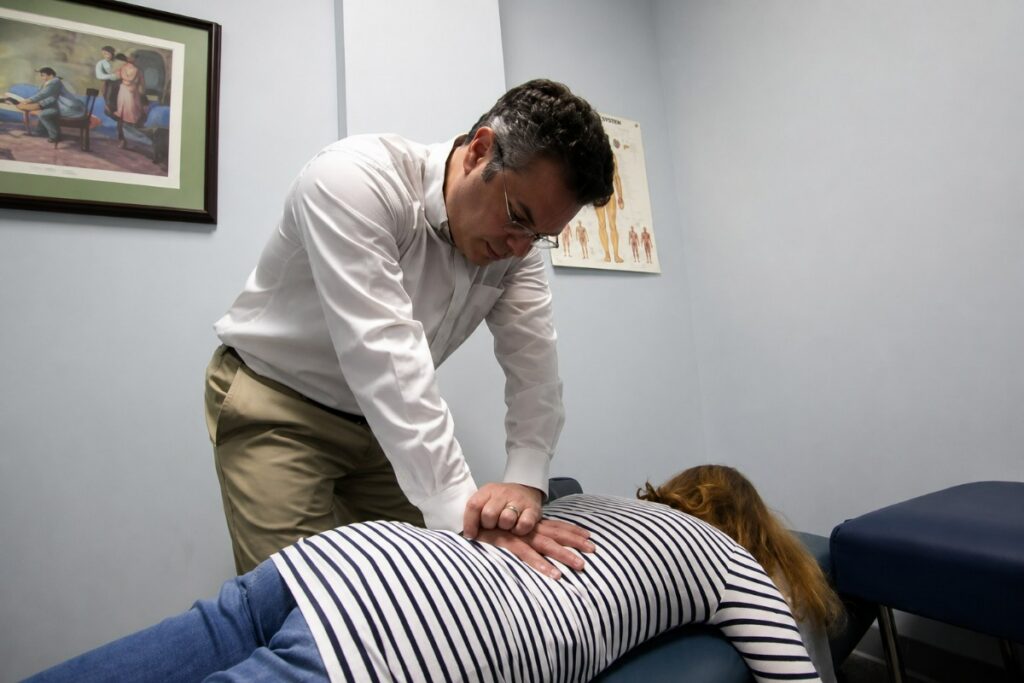
Although many people seek relief from herniated discs through medication or surgery, chiropractic care offers a holistic approach that can effectively alleviate pain and improve mobility. By focusing on the spine and its alignment, chiropractors can help relieve pressure on the affected nerves, reducing pain and discomfort. This non-invasive method encourages your body to heal naturally, often leading to long-lasting results.
One significant benefit of chiropractic care is the emphasis on personalized treatment plans. Your chiropractor will assess your specific condition and tailor a program to meet your unique needs. This may include spinal adjustments, manual therapies, and lifestyle recommendations. These customized treatments aim to restore proper function and enhance your overall well-being.
Chiropractic care also promotes better posture and body mechanics, which can prevent further injuries. By learning how to move correctly, you can reduce strain on your spine and maintain peak health.
Additionally, regular visits to the chiropractor can help you manage stress and improve your mental clarity, further supporting your recovery.
Another advantage is that chiropractic care often works well in conjunction with other treatments, such as physical therapy. This collaborative approach can enhance the effectiveness of your overall treatment plan.
Surgical Treatments Explained
Surgical treatments for herniated discs are often considered when conservative methods, like chiropractic care and physical therapy, haven't provided sufficient relief. If you find that pain continues to interfere with your daily life, discussing surgical options with your doctor becomes vital.
One common procedure is a discectomy, where the surgeon removes the portion of the disc that's pressing on your nerves. This can alleviate pain and improve mobility.
In some cases, a laminectomy may be performed, which involves removing a small section of the vertebra to relieve pressure on the spinal cord. Both surgeries aim to provide you with a more comfortable and functional life.
If your condition is severe or accompanied by instability, spinal fusion might be recommended. This procedure involves joining two or more vertebrae together, preventing movement between them and stabilizing your spine. While this can effectively reduce pain, it may limit your spine's flexibility.
In recent years, minimally invasive techniques have gained popularity. These methods use smaller incisions and specialized instruments, often resulting in less tissue damage, reduced recovery times, and lower post-operative pain.
However, not all patients are candidates for these procedures, so it's important to have an in-depth discussion with your surgeon about the best approach for your specific situation.
Ultimately, the right surgical treatment for your herniated disc depends on your unique circumstances and the severity of your symptoms. Evaluating all options will help you make an informed decision about your health.
Finding Specialists in Charlotte
When dealing with a herniated disc, finding the right specialist in Charlotte can make a significant difference in your treatment journey. You want someone who understands your condition thoroughly and can provide a tailored approach to your care.
Start by researching local orthopedic surgeons or neurosurgeons who specialize in spinal issues. Look for professionals with a solid reputation and experience in treating herniated discs.
It's also helpful to read online reviews and testimonials. These can give you insights into other patients' experiences, helping you gauge the specialist's effectiveness and approach.
Don't hesitate to ask your primary care physician for referrals; they can guide you to trusted specialists in the area.
Consider the types of treatments the specialist offers. Some may focus on conservative management, like physical therapy and medication, while others might lean toward surgical options. It's vital to find a specialist whose treatment philosophy aligns with your preferences.
Once you've narrowed down your options, schedule consultations. This is your chance to ask questions about their experience, treatment methods, and expected outcomes.
Pay attention to how they communicate with you; a good specialist should listen to your concerns and make you feel comfortable discussing your condition.
Lastly, check if they accept your insurance to avoid unexpected costs. Finding the right specialist can ease your path to recovery and help you regain your quality of life.
Don't rush this process; it's important to find someone you trust.
Conclusion
To summarize, managing a herniated disc in Charlotte involves exploring both conservative and surgical options tailored to your needs. You can improve your quality of life through effective physical therapy, chiropractic care, and medication management. If surgery becomes necessary, understanding the available techniques and consulting local specialists will guide you in making informed decisions. Remember, you're not alone in this journey—empower yourself with knowledge and take the necessary steps toward recovery and relief.