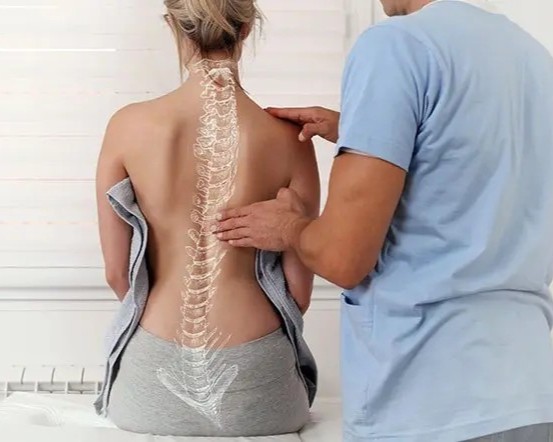
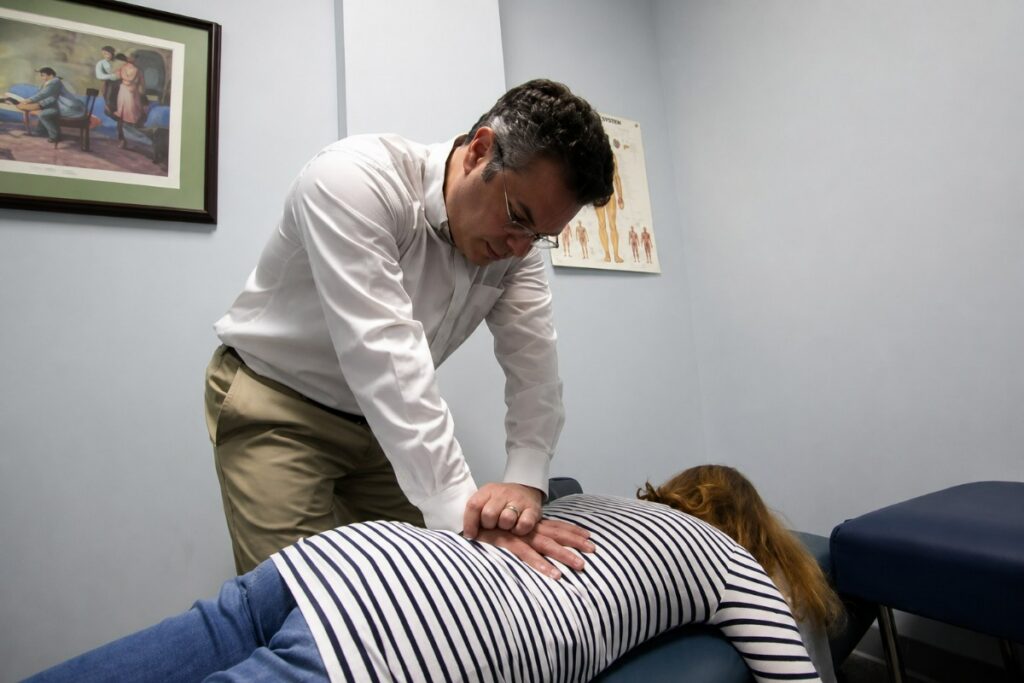
As a local chiropractor, I want to emphasize the importance of adopting trusted strategies for your injury recovery that truly support your healing process. Many people believe that simply resting is enough, but there's so much more to consider when it comes to effective recovery. Early diagnosis of your injury is crucial, and that's where we come in.
Tailored physical therapy can make a significant difference, as it addresses your unique needs and helps restore function. Additionally, focusing on nutrition plays a vital role in your healing journey. Every aspect of your recovery—diagnosis, therapy, and nutrition—works together to help you return to peak performance.
So, what specific actions can you take to ensure a holistic approach to your recovery? You might be surprised by the insights available through chiropractic care, which not only addresses pain but also promotes overall wellness. By incorporating these elements into your recovery plan, you can enhance your healing process and get back on the field stronger than ever. Let's explore how chiropractic adjustments and other natural healing methods can support your journey back to health.
Understanding Injury Types
As a local chiropractor, it's important for me to help you understand the different types of injuries that can occur in sports and how they can affect your body. Every athlete, regardless of skill level, faces the risk of injury, and having knowledge about these injuries can significantly influence your recovery process.
Common injuries we see include sprains, strains, fractures, and tendonitis. Recognizing the type of injury you've sustained is essential in determining the best path for healing.
Let's start with sprains. A sprain happens when the ligaments that connect bones at a joint stretch or tear, often as a result of sudden twists or impacts. If you're experiencing swelling and pain around a joint, it's likely that you may have a sprain, and seeking chiropractic care can help you manage the recovery effectively.
Strains are slightly different; they involve muscles or tendons and typically arise from overuse or lifting heavy objects improperly. If you feel a sharp or pulling pain in a muscle, that could indicate you've sustained a strain. Chiropractic adjustments, along with targeted rehabilitation exercises, can aid in your recovery.
Fractures, which are breaks in the bone, are more serious and require immediate medical attention. If you suspect a fracture, it's crucial to immobilize the affected area and consult with a healthcare professional right away.
Lastly, tendonitis is characterized by inflammation of a tendon and often develops over time due to repetitive motion. If you notice persistent pain around a joint, especially when moving it, tendonitis could be at play. Chiropractic care can provide relief through specific adjustments and techniques that promote healing.
Importance of Early Diagnosis
As a local chiropractor, I want to emphasize the importance of early diagnosis when it comes to sports injuries for your overall recovery and long-term wellness. Addressing an injury right away can significantly minimize the risk of further damage.
If you choose to ignore or delay treatment, you're not just risking a longer recovery time, but also potential complications that could keep you off the field for even longer.
It's easy to dismiss a bit of pain or discomfort as a normal part of playing sports, but it's crucial to listen to your body. Early intervention allows me to provide you with a thorough assessment and create a tailored treatment plan that meets your specific needs.
Often, this includes using diagnostic tools or collaborating with other healthcare professionals who specialize in sports injuries.
Moreover, getting an early diagnosis helps us set realistic recovery goals together. You'll have a better understanding of how severe your injury is, which empowers you to effectively plan your training and rehabilitation.
This strategic approach not only accelerates your recovery but also boosts your confidence, knowing that you're taking the right steps towards healing.
Role of Physical Therapy
After receiving an early diagnosis, the next step in your recovery journey often involves exploring chiropractic care. This vital aspect of natural healing helps you regain strength, mobility, and functionality after an injury. A skilled chiropractor will assess your condition and develop a personalized treatment plan that addresses your specific needs, ensuring you can return to your sport safely and effectively.
During your sessions, you'll participate in various techniques aimed at improving flexibility and strength while enhancing your overall range of motion. These methods not only facilitate healing but also help prevent future injuries by addressing any imbalances in your body. Your chiropractor may utilize adjustments, soft tissue therapy, or other natural modalities to support your recovery process.
Consistency is essential in chiropractic care. By adhering to your recommended treatment plan, you'll begin to notice gradual improvements in your condition. It's crucial to communicate openly with your chiropractor about any pain or discomfort you experience during your treatment. Adjustments can be made to ensure you're progressing without risking further injury.
In addition to hands-on techniques, your chiropractor will also guide you on proper body mechanics and movement strategies to use during your sport. This knowledge empowers you to perform movements safely and effectively, reducing the likelihood of re-injury.
Ultimately, chiropractic care plays a significant role in your recovery journey. By committing to the process and maintaining focus on your goals, you'll pave the way for a successful return to athletic performance and overall well-being.
Nutrition for Healing
As a local chiropractor, I want to emphasize the importance of nutrition during your recovery process. Proper nutrition plays a crucial role in healing and can significantly influence your body's ability to repair and rebuild tissues, allowing you to return to your activities quicker and stronger. A balanced diet, rich in essential vitamins and minerals, will support your recovery journey.
One of the key components of your meals should be protein. Protein serves as the building block for muscles and is vital in repairing damaged tissues. I recommend incorporating lean sources such as chicken, fish, eggs, and plant-based options like beans and lentils into your diet.
In addition to protein, don't overlook the importance of healthy fats and carbohydrates. Healthy fats—found in foods like avocados, nuts, and olive oil—can help reduce inflammation, which is crucial for recovery. Carbohydrates also play a significant role by providing the energy needed for your body to heal.
Here's a quick list of important nutrients to consider:
- Omega-3 Fatty Acids: Found in fish and flaxseeds, these are known to help reduce inflammation and support joint health.
- Vitamin C: Essential for collagen formation, this vitamin is important for healing injuries and supporting tissue repair.
- Zinc: This mineral is critical for immune function and the repair of damaged tissues.
Additionally, staying properly hydrated can't be overstated. Water is essential for transporting nutrients throughout your body and flushing out toxins, so make sure you're drinking enough fluids every day.
Mental Health Considerations
As a local chiropractor, I want to emphasize that when you're recovering from an injury, it's crucial to pay attention to your mental health just as much as your physical healing.
Many people overlook the emotional aspects of recovery, but coping with emotional pain, building a strong support network, and fostering a positive mindset can significantly enhance your healing journey.
In chiropractic care, we understand that the body and mind are interconnected. Stress and anxiety can manifest physically, affecting your recovery process.
That's why I encourage my patients to incorporate mental wellness practices alongside their physical treatments. Whether it's through mindfulness, connecting with others, or simply maintaining a hopeful outlook, these elements play a vital role in getting you back to your best self.
Let's work together to not only address your physical symptoms but also support your mental well-being as you heal.
Your journey to recovery can be enriched by understanding the importance of both aspects.
Coping With Emotional Pain
Injuries can deeply impact an athlete's emotional health, often leading to feelings of isolation, frustration, and anxiety. As a local chiropractor, I want to emphasize how important it's to recognize and address these emotions, as they can significantly affect your recovery both physically and mentally.
Here are some strategies to help you cope with emotional pain during your healing process:
- Acknowledge your feelings: It's completely normal to feel upset or angry about your injury. Allowing yourself to experience these emotions without judgment is an essential step in your healing journey.
- Practice mindfulness: Incorporating mindfulness techniques, such as meditation or deep breathing exercises, can help you stay present and alleviate anxiety. This practice can complement your chiropractic care by promoting overall well-being.
- Focus on your goals: Redirecting your attention towards achievable short-term goals in your recovery can provide you with a sense of purpose and motivation. Whether it's improving your range of motion or simply feeling more comfortable, celebrating these small victories is vital.
As your chiropractor, I'm here to support you not just physically, but emotionally as well. Together, we can work through your recovery and help you regain not only your strength but also your peace of mind.
Building a Support Network
Building a Support Network for Your Healing Journey
As a local chiropractor, I want to emphasize how crucial a strong support network can be in your path to recovery and overall well-being. Surrounding yourself with individuals who understand your health challenges can significantly reduce feelings of isolation and anxiety.
Whether it's supportive friends, family members, or even your healthcare providers, having that emotional encouragement can make a world of difference—whether it's a quick check-in call or sharing a meal together.
I encourage you to connect with others who've navigated similar health issues. Their experiences can provide you with valuable insights into managing the emotional and physical ups and downs that often accompany recovery.
Participating in local health and wellness support groups, or engaging with online communities, can help you find others who truly understand your journey.
Don't overlook the importance of professional guidance as well. A chiropractor can help you understand your body's mechanics and provide tailored treatments to assist in your healing process.
We can work together to address your specific needs while also equipping you with coping strategies that promote a healthy lifestyle.
Lastly, I encourage you to be proactive in expressing your needs to your support network. Let them know how they can best assist you—whether it's providing motivation, helping you find distractions, or simply being present during challenging times.
With the right support system in place, you'll be better equipped to focus on your recovery and maintain a positive outlook on your health journey.
Maintaining Positive Mindset
Maintaining a positive mindset during your recovery journey is crucial for both your mental and physical health, especially as you explore chiropractic care and natural healing methods. When dealing with an injury, it's common to fall into a cycle of negative thoughts, but a shift in perspective can significantly enhance your healing process.
Embracing positivity is vital; focus on what you can control and set small, achievable goals that align with your recovery.
Here are some strategies I recommend to help cultivate a positive mindset:
- Practice Gratitude: Each day, take a moment to write down three things you're grateful for. This practice helps shift your focus from what you've lost to what you still possess, fostering a more optimistic outlook.
- Visualize Success: Spend some time visualizing your recovery and your return to the activities you love. Picture yourself stronger and more resilient than before, which can help motivate you throughout your healing journey.
- Connect with Others: Sharing your feelings and challenges with friends, family, or fellow patients can be incredibly beneficial. Engaging in conversation not only lifts your spirits but also reminds you that you're not alone in this process.
By incorporating these strategies, you can enhance your recovery experience and create a supportive environment for healing through chiropractic care and natural methods.
Rest and Recovery Techniques
As a local chiropractor, I want to emphasize how crucial rest and recovery techniques are for your overall health and well-being, especially if you're active in sports or exercise. Many people think recovery simply means taking a break, but it's an active process that helps your body heal and prepares you for future challenges. Implementing effective recovery strategies can lead to improved performance and a longer, healthier life.
First and foremost, sleep is non-negotiable. Quality sleep is vital for muscle repair and mental clarity. I recommend aiming for 7-9 hours each night and establishing a calming bedtime routine, which can enhance the quality of your sleep.
Another important aspect is active recovery. Gentle activities like walking, cycling, or swimming can increase blood flow, which helps alleviate muscle soreness and stiffness. Incorporating stretching and yoga into your routine is also beneficial for maintaining flexibility and preventing injuries.
Hydration is key as well. Drinking sufficient water supports muscle function and helps flush out toxins from your body. Additionally, nutrition plays a significant role in your recovery process. A balanced diet that includes proteins, healthy fats, and carbohydrates will provide the necessary fuel for your body to heal.
Lastly, it's essential to listen to your body. If you're feeling fatigued or experiencing soreness, don't hesitate to take a rest day or engage in low-impact activities. Ignoring these signals can lead to setbacks and prolonged recovery times, which is something we definitely want to avoid.
Gradual Return to Activity
As a local chiropractor, I want to emphasize the importance of a gradual return to activity after you've implemented effective rest and recovery techniques. This process is vital for allowing your body to adjust properly while minimizing the risk of injury as you begin to increase your training intensity.
It's crucial not to rush; instead, take your time and pay close attention to what your body is telling you.
Start by reintroducing light activities that are gentle on your injured area. This could include simple movements or stretches that promote healing without putting excessive strain on your body. As you feel more comfortable, gradually increase the intensity and duration of these activities.
Be sure to monitor how your body responds and make adjustments as necessary. Remember, everyone's recovery timeline is unique, so it's important not to compare your progress to others.
Here are some key points to keep in mind during your gradual return to activity:
- Start Slow: Begin with low-impact exercises that won't strain your body. This sets a solid foundation for your recovery.
- Listen to Your Body: If you encounter any pain or discomfort, it's essential to stop and assess your condition. Pain is your body's way of signaling that something may be off.
- Stay Consistent: Instead of long, infrequent workouts, aim for regular, shorter sessions. Consistency is key to building strength and endurance safely.
As your chiropractor, I'm here to support you on your journey to recovery and help you make informed decisions about your health and well-being.
Preventing Future Injuries
As a local chiropractor, I want to emphasize the importance of preventing future injuries through natural healing methods. One key aspect is to focus on strengthening your muscles and tendons, ensuring they're well-prepared for the demands of your chosen sport.
Engaging in proper warm-up techniques is crucial, as these exercises help prepare your body for physical activity and significantly reduce the risk of strain or injury.
Additionally, I encourage you to regularly check your equipment and gear, as they play a vital role in maintaining your safety and keeping you injury-free.
By prioritizing these practices, you can enhance your overall well-being and support your body in staying healthy and active.
Strengthening Muscles and Tendons
As a local chiropractor, I want to share the importance of strengthening your muscles and tendons, especially if you're involved in sports or physical activities. Not only does building strength in these areas enhance your athletic performance, but it also provides crucial support to your body, helping it withstand the demands of your sport and reducing the likelihood of injuries.
Here are some essential tips to consider:
- Emphasize functional exercises: Focus on movements that replicate the actions you perform in your sport. This approach allows your muscles and tendons to adapt naturally to the specific stresses they encounter, leading to better overall performance and injury prevention.
- Incorporate eccentric training: This type of exercise focuses on lengthening your muscles while they're under tension. It's particularly effective for improving tendon resilience, which can significantly lower your risk of injuries.
- Maintain a balance between strength and flexibility: While it's important to build strong muscles, don't forget about flexibility. Ensuring that you have a full range of motion helps reduce strain on your tendons and contributes to overall joint health.
By focusing on these aspects, you can enhance your physical capabilities while also promoting natural healing and wellness through chiropractic care.
Proper Warm-Up Techniques
As a local chiropractor, I want to emphasize that building strength in your muscles and tendons is just one part of the larger picture when it comes to preventing injuries. One of the most crucial steps you can take is to adopt proper warm-up techniques before engaging in any physical activity. This preparation helps reduce the risk of injuries and prepares your body for the workout ahead.
Begin your warm-up with dynamic stretches that target the major muscle groups you'll be using. These can include exercises like arm circles, leg swings, and torso twists. These movements not only increase flexibility but also help activate your muscles.
Following your dynamic stretches, it's important to gradually elevate your heart rate through light aerobic activities such as jogging or jumping jacks for about 5 to 10 minutes. This increase in heart rate enhances blood flow to your muscles, making them more pliable and ready for the demands of your workout.
If you're engaging in a specific sport, be sure to include sport-specific movements in your warm-up routine. For example, runners might practice short sprints or strides, while basketball players should incorporate lateral movements and quick direction changes.
Always listen to your body during your warm-up. If you experience any discomfort or unusual sensations, it's important to pay attention to those signals.
A proper warm-up not only improves your performance but also lays the groundwork for a safe and effective workout. By following these steps, you significantly decrease your chances of sustaining injuries, allowing you to maintain an active and healthy lifestyle.
As your chiropractor, I encourage you to prioritize these warm-up techniques for your overall well-being.
Equipment and Gear Checks
As a local chiropractor, I want to emphasize the importance of checking your equipment and gear before engaging in any physical activity, whether on the field or in the gym.
This practice is crucial not only for enhancing your performance but also for preventing injuries that can impact your overall health and well-being. Neglecting this step can lead to setbacks and may even require chiropractic intervention to address the resulting issues.
Here are three essential items I recommend you inspect regularly:
- Footwear: Ensure your shoes fit properly and provide the necessary support for your activities. Worn-out soles or incorrect sizing can lead to issues such as sprains or stress fractures, which may contribute to misalignments in your body that I often see in my practice.
- Protective Gear: Take a moment to check your helmets, pads, and guards for any signs of damage. Cracks or dents can reduce their effectiveness, leaving you susceptible to impacts that can result in injuries requiring chiropractic care to alleviate pain and restore function.
- Sport-Specific Equipment: It's important to verify that your equipment—such as bats, racquets, or balls—is in good condition. Any abnormalities can disrupt your technique and increase your risk of injury, leading to further complications that may need natural healing approaches.
By dedicating a few minutes to review your gear before each practice or game, you can significantly reduce the risk of injury.
Building a Support System
How can you effectively surround yourself with the right people during your recovery? Building a strong support system is essential for your healing process, especially when it comes to chiropractic care and natural healing.
Start by identifying those who genuinely care about your well-being—friends, family, teammates, and coaches. These individuals can offer emotional support and encouragement, helping you stay motivated through tough days.
Don't hesitate to communicate your needs. Share your recovery goals with your support system, so they understand how to assist you effectively. Whether it's accompanying you to chiropractic appointments, helping with daily tasks, or simply providing a listening ear, their involvement can make a significant difference in your healing journey.
Consider seeking out fellow patients who've experienced similar conditions or treatments. They can provide valuable insights and advice on coping strategies and rehabilitation techniques that have worked for them. Joining a support group or online community focused on wellness can also help you connect with others facing similar challenges, fostering a sense of camaraderie and understanding.
Additionally, surround yourself with positive influences. Steer clear of negative voices that might undermine your confidence or progress. Your mental state plays an essential role in recovery, so it's important to maintain an uplifting environment that encourages healing and well-being.
Lastly, remember to express gratitude to those who support you. Acknowledging their efforts can strengthen your relationships and encourage continued support throughout your journey.
Conclusion
Injury recovery is a journey that demands a comprehensive approach, and as a chiropractor, I am here to guide you through it. Understanding your injury is the first step, which is why seeking an early diagnosis is crucial. I can help assess your condition and craft a personalized rehabilitation plan that caters to your specific needs.
It's important to remember that nutrition and mental wellness play vital roles in the healing process. Fueling your body with the right nutrients and maintaining a positive mindset can significantly enhance your recovery. Don't overlook the importance of rest; your body needs this time to heal. As you start to return to your activities, I'll work with you to ensure that you do so gradually and safely.
Building a strong support system is also key to your recovery. Surround yourself with friends, family, and healthcare professionals who encourage and assist you on this journey. With these trusted strategies, including chiropractic care focused on natural healing, you'll not only recover from your injury but also emerge stronger and more resilient than before. Let's work together to help you achieve optimum health and performance!