
If you're struggling with chronic pain, you might be surprised to learn how trusted chiropractic care can provide lasting relief. By addressing the root causes of your discomfort instead of just masking the symptoms, chiropractors create personalized treatment plans that may include spinal manipulation and soft tissue therapy. This holistic approach not only targets pain but also promotes overall health and well-being. But what specific techniques are most effective, and how do they work together to support your journey to recovery?
Understanding Chronic Pain
Chronic pain can feel like a relentless shadow, affecting not just your body but your entire life. It's that nagging discomfort that lingers, often disrupting your daily activities and draining your energy. You might experience it in various forms, whether it's a dull ache, sharp stabbing, or persistent throbbing.
Understanding chronic pain isn't just about identifying where it hurts; it's about recognizing how it impacts your emotions, relationships, and overall well-being.
You may find that chronic pain alters your mood, leading to feelings of frustration, anxiety, or even depression. It can make simple tasks feel monumental, causing you to withdraw from social activities or hobbies you once enjoyed. This cycle can deepen your sense of isolation, further complicating your situation.
Moreover, chronic pain isn't always linked to a specific injury. Sometimes, it stems from underlying conditions, such as arthritis, fibromyalgia, or nerve damage. The unpredictability of pain can leave you feeling helpless, as you might struggle to find effective relief.
Recognizing these factors is vital for taking back control of your life. By understanding the nature of your pain, you're better equipped to seek appropriate support and treatment options.
You deserve to live a fulfilling life, free from the constraints of chronic pain. Empower yourself by learning about your condition and exploring avenues to manage it effectively.
What Is Chiropractic Care?
Chiropractic care focuses on diagnosing and treating musculoskeletal disorders, primarily through hands-on spinal manipulation. This form of healthcare emphasizes the relationship between your spine and overall health, suggesting that spinal alignment can impact various bodily functions. Chiropractors use a holistic approach, addressing not just symptoms but also the underlying causes of your discomfort.
When you visit a chiropractor, you'll undergo a thorough assessment. This typically includes a detailed medical history, physical examination, and possibly diagnostic imaging to identify any issues with your spine or joints. Once they've pinpointed the problem, your chiropractor will develop a personalized treatment plan tailored to your needs.
The primary technique employed is spinal manipulation, which aims to restore motion to restricted joints, reduce inflammation, and improve nerve function. By doing so, chiropractic care seeks to enhance your body's ability to heal itself.
Treatment may also include other modalities, such as soft tissue therapy, exercise recommendations, and lifestyle advice to support your recovery and overall well-being.
Chiropractic care isn't just for back pain. Many people seek it for headaches, neck pain, and even digestive issues. The goal is to promote peak health by ensuring your musculoskeletal system functions properly.
If you're considering chiropractic care, it's crucial to consult a licensed practitioner who can guide you through the process and help you understand what to expect from your treatments.
Benefits of Spinal Manipulation
Spinal manipulation offers a range of benefits that extend beyond immediate pain relief. When you undergo this treatment, you're not just addressing the symptoms but also targeting the underlying issues contributing to your discomfort. One of the key benefits is improved mobility. By realigning your spine, you may find it easier to move without stiffness or restriction, allowing you to engage in daily activities with greater ease.
Additionally, spinal manipulation can enhance your body's natural healing abilities. By restoring proper alignment, you're promoting better blood flow and nerve function, which can speed up recovery from injuries or chronic conditions. Many individuals also report reduced muscle tension and increased relaxation after a session, creating a holistic sense of well-being.
You might notice that spinal manipulation helps alleviate headaches, especially tension-type headaches that stem from neck and spine issues. By addressing these root causes, you could experience fewer headaches and a clearer mind.
Moreover, this treatment may improve your posture, which is essential in avoiding future pain and discomfort.
Lastly, regular spinal manipulation can contribute to better overall health. It supports the nervous system, which plays an important role in regulating various bodily functions. As you maintain your spinal health, you may find yourself feeling more energetic and less prone to stress-related illnesses.
To conclude, spinal manipulation isn't just about pain relief; it's about promoting a healthier, more active lifestyle.
Techniques Used in Chiropractic Care
When you visit a chiropractor, you'll encounter various techniques tailored to address your specific needs and conditions. These methods focus on relieving pain, improving mobility, and enhancing overall wellness.
Here are three common techniques you might experience during your sessions:
- Spinal Manipulation: This is the most well-known chiropractic technique. It involves applying controlled force to specific joints in your spine. This manipulation can help restore proper alignment, reduce nerve irritability, and improve your body's ability to heal itself.
- Soft Tissue Therapy: Chiropractors often use soft tissue techniques to relieve tension in muscles, ligaments, and tendons. This can include massage, stretching, and trigger point therapy. By targeting these areas, you can experience reduced pain and improved flexibility.
- Rehabilitative Exercises: Your chiropractor may recommend specific exercises to strengthen the muscles surrounding your spine and improve your posture. These exercises can help prevent future injuries and enhance your overall physical health.
Each of these techniques plays a significant role in your journey toward chronic pain relief.
By understanding what to expect during your chiropractic visits, you can feel more at ease and actively participate in your healing process.
Remember, the ultimate goal is to empower you to regain control over your health and well-being.
Role of Chiropractors in Pain Management
Chiropractors play an essential role in managing pain through various chiropractic techniques tailored to your specific needs.
They take a holistic approach to healing, considering not just your symptoms but your overall well-being.
Chiropractic Techniques Explained
Various chiropractic techniques play an essential role in managing chronic pain and promoting overall wellness.
When you visit a chiropractor, they'll use specific methods tailored to your needs. Here are three common techniques you might encounter:
- Spinal Manipulation: This is the cornerstone of chiropractic care. It involves applying controlled force to specific joints, helping to restore proper alignment and improve mobility.
- Active Release Technique (ART): This method focuses on relieving tension in muscles and soft tissues. Your chiropractor will pinpoint areas of tightness and apply pressure while you move, effectively breaking up scar tissue and promoting healing.
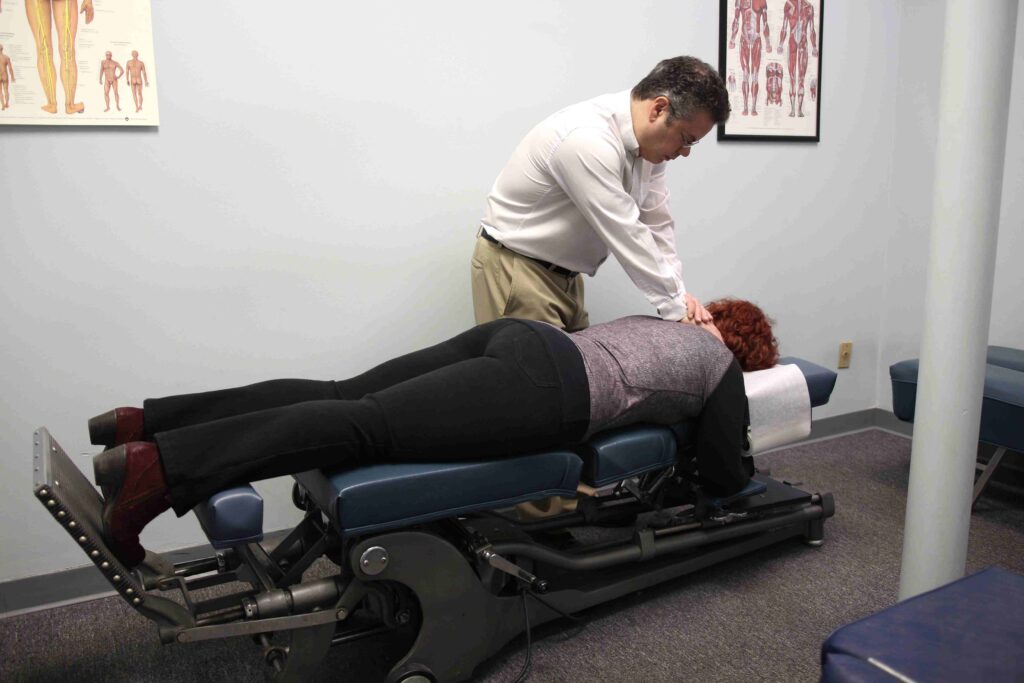
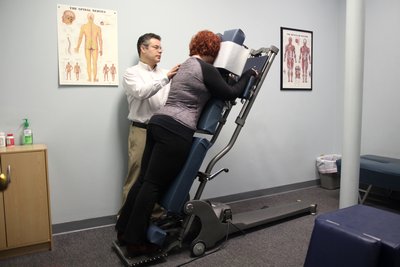
- Flexion-Distraction Therapy: This is helpful for those with lower back pain or disc issues. It involves gentle stretching of the spine, creating space between the vertebrae and relieving pressure on spinal nerves.
Holistic Approach to Healing
A holistic approach to healing recognizes that chronic pain doesn't just stem from physical issues; it encompasses emotional and psychological factors as well. When you visit a chiropractor, you're not just looking for relief from discomfort; you're engaging in a process that considers the whole you.
Chiropractors understand that pain is often intertwined with your mental state, stress levels, and lifestyle choices. During your sessions, the chiropractor will assess not only your physical alignment but also how your emotional health might be impacting your pain.
They might suggest techniques like relaxation exercises or mindfulness practices to help you manage stress, which can greatly affect your pain levels. As you work together, your chiropractor may provide guidance on nutrition and exercise, emphasizing the importance of a healthy lifestyle in your recovery journey.
By treating the underlying causes of pain rather than just the symptoms, you can achieve more sustainable relief. This extensive approach empowers you to take an active role in your healing, fostering a deeper connection between your body and mind.
Embracing this holistic perspective can lead to lasting improvements in your overall well-being.
Personalizing Treatment Plans
When it comes to managing chronic pain, personalizing treatment plans is essential for achieving effective and lasting relief. Each person's pain experience is unique, and a one-size-fits-all approach simply won't cut it. Your chiropractor will work closely with you to develop a treatment plan tailored to your specific needs and goals.
Here are three key factors that chiropractors consider when personalizing your treatment:
- Pain History: They'll evaluate your pain history, including when it started, what aggravates it, and how it impacts your daily life. This insight helps them identify the root cause.
- Physical Assessment: Chiropractors conduct thorough physical assessments to pinpoint areas of dysfunction or misalignment. This information guides their choice of techniques, whether it's spinal adjustments, soft tissue therapy, or rehabilitation exercises.
- Lifestyle Factors: Your chiropractor will take into account your lifestyle, including work demands, exercise habits, and stress levels. Addressing these factors can greatly enhance the effectiveness of your treatment.
Evidence Supporting Chiropractic Treatment
The growing body of research underscores the effectiveness of chiropractic treatment in alleviating chronic pain. Numerous studies have demonstrated that chiropractic adjustments can markedly reduce pain levels and improve functionality for individuals suffering from various conditions, including lower back pain, neck pain, and headaches.
For instance, a systematic review published in the journal *Spine* found that spinal manipulation is effective in managing acute and chronic back pain.
You might also find it interesting that research indicates chiropractic care can enhance the body's natural healing processes. A study in *The Journal of Manipulative and Physiological Therapeutics* revealed that patients who received chiropractic adjustments reported a greater reduction in pain compared to those who underwent other treatment methods, such as physical therapy alone.
This suggests that chiropractic care not only addresses symptoms but also targets underlying issues contributing to chronic pain.
Moreover, evidence shows that chiropractic care can help improve your overall quality of life. Many patients report increased mobility, improved sleep, and better mental well-being after starting chiropractic treatment.
This holistic approach focuses on aligning the spine and enhancing nervous system function, which can lead to lasting relief from chronic pain.
As you consider chiropractic care for your chronic pain, it's reassuring to know that a wealth of evidence supports its effectiveness. With ongoing research and positive patient testimonials, chiropractic treatment continues to stand out as a viable option for those seeking relief from chronic pain.
Integrating Chiropractic With Other Therapies
Integrating chiropractic care with other therapies can enhance your overall pain management strategy. When you combine chiropractic adjustments with complementary treatments, you're likely to experience greater relief and improved functionality.
Here are three effective therapies to contemplate incorporating into your routine:
- Physical Therapy: Working with a physical therapist can help strengthen the muscles surrounding your spine. They can guide you through exercises that improve your flexibility and stability, which reduces the likelihood of future injuries.
- Massage Therapy: Regular massages can alleviate muscle tension and enhance circulation. This not only complements chiropractic adjustments but also helps in reducing stress, which is often a contributing factor to chronic pain.
- Acupuncture: This ancient practice can effectively address pain by stimulating specific points on your body. It's known to release endorphins and balance your body's energy, making it an excellent adjunct to chiropractic care.
Conclusion
Incorporating trusted chiropractic care into your pain management routine can profoundly enhance your quality of life. By addressing the root causes of chronic pain through personalized treatment plans, you're not just finding relief—you're promoting overall health and well-being. Whether it's spinal manipulation or soft tissue therapy, these holistic methods can support your journey to recovery. Explore the benefits of chiropractic care and take a proactive step toward a more comfortable, pain-free life today.