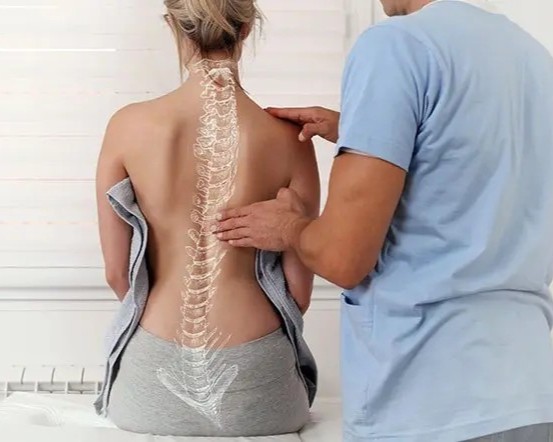

If you’re dealing with lower back pain, rest assured that you’re not alone in this struggle. Many individuals experience similar challenges, but the wonderful news is that there are non-surgical methods available to alleviate your discomfort. As a local chiropractor, I want to share with you how targeted exercises, physical therapy, and simple lifestyle adjustments can make a significant difference in your recovery process.
Chiropractic care focuses on the body’s natural ability to heal itself, and by incorporating spinal adjustments, we can improve your alignment and overall function. This can lead to a reduction in pain and an increase in mobility. Additionally, I can guide you through specific exercises tailored to strengthen the muscles supporting your spine, which is essential for long-term relief.
Are you curious about how to integrate these strategies into your daily routine? Together, we can explore effective steps to help you regain control over your back health and enhance your quality of life. Let’s embark on this journey towards natural healing and a pain-free future!
Understanding Lower Back Pain: Causes and Symptoms
As a local chiropractor, I understand that experiencing lower back pain can be overwhelming, especially when the underlying causes are unclear. There are several factors that can contribute to this discomfort.
For instance, poor posture during those long hours at your desk, improper lifting techniques, or even a sudden twist can place significant strain on your back muscles and ligaments. If you lead a sedentary lifestyle, your muscles may weaken over time, increasing your vulnerability to injuries.
Moreover, conditions such as herniated discs, arthritis, and sciatica can also play a role in your pain. You may find yourself dealing with symptoms like stiffness, aching, or sharp pain that radiates down your legs.
It’s also important to note that emotional stress can lead to physical tension in your lower back, exacerbating your discomfort.
Recognizing these causes and symptoms is vital for effectively addressing your pain. As a chiropractor, my goal is to help you understand what’s happening in your body so you can take proactive steps toward relief and improved well-being.
Through natural healing methods, we can work together to restore balance and function, allowing you to live a healthier, pain-free life.
The Role of Exercise in Pain Relief
As a chiropractor, I often emphasize the importance of understanding the underlying causes of lower back pain as a first step toward finding effective relief. One of the most beneficial strategies I recommend is incorporating exercise into your daily routine. Regular physical activity can significantly alleviate discomfort and enhance your overall mobility.
Engaging in low-impact exercises, such as walking or swimming, can be particularly advantageous. These activities not only strengthen your back muscles but also improve flexibility, which is crucial for maintaining a healthy spine. Additionally, regular exercise enhances blood circulation, which promotes healing and helps reduce stiffness in the affected areas.
I can’t stress enough the importance of focusing on core-strengthening exercises. A strong core is essential because it supports your spine and helps alleviate strain on your lower back. Simple movements like bridges and planks can yield significant benefits.
Furthermore, incorporating gentle stretches into your routine can help release tension and expand your range of motion. I encourage you to make staying active a regular habit, but it’s vital to listen to your body. Start slowly and gradually increase the intensity of your workouts, while avoiding any movements that cause pain.
Physical Therapy: A Personalized Approach
Chiropractic care provides a personalized approach to managing lower back pain, ensuring that your treatment aligns with your unique needs and goals.
When you begin your journey with us, I’ll conduct a thorough assessment of your condition to identify the underlying causes of your discomfort. Based on this evaluation, I’ll create a customized treatment plan that may include spinal adjustments, targeted exercises, and guidance on proper body mechanics.
As you progress in your care, I’ll continually modify your treatment plan based on how your body responds, with a focus on building strength, enhancing flexibility, and improving your posture.
This hands-on approach not only helps relieve pain but also equips you with valuable techniques to prevent future injuries.
You will learn how to safely incorporate movement into your daily routine, making it easier to stay active and engaged in life.
By committing to this tailored chiropractic plan, you’re taking a vital step toward achieving long-term relief and a healthier back.
With the right guidance, you can regain control of your well-being and enjoy life free from the constraints of pain.
Lifestyle Modifications for Lasting Relief
As your local chiropractor, I want to share some valuable insights on how to achieve lasting relief from lower back pain through lifestyle modifications. One of the first steps you can take is to create an ergonomic workstation. This means ensuring that your desk, chair, and computer setup promote good posture and reduce strain on your back.
In addition to that, staying active is crucial. Engaging in regular physical activity not only strengthens your muscles but also enhances your overall mobility. It’s important to find activities you enjoy, whether it’s walking, swimming, or yoga, to keep you motivated.
Lastly, being mindful of your posture throughout the day can make a significant difference. Simple adjustments, like sitting up straight and avoiding slouching, can help alleviate discomfort.
These straightforward changes can lead to improved comfort and mobility, allowing you to live a more active and pain-free life. Remember, chiropractic care can also support these efforts by addressing any underlying issues and promoting natural healing in your body.
Ergonomic Workstation Setup
As a local chiropractor, I want to emphasize the importance of creating an ergonomic workstation setup to help alleviate lower back pain and enhance your overall comfort during prolonged periods of work.
One of the first steps is to ensure your chair is properly adjusted so that your feet rest flat on the ground, with your knees forming a 90-degree angle. Supporting your lower back with a cushion or lumbar roll can significantly help maintain its natural curve.
It’s essential to position your monitor at eye level and approximately an arm’s length away to avoid straining your neck. Keeping your keyboard and mouse close will allow your elbows to remain at your sides, promoting a more relaxed posture. If you work on a laptop, consider using a stand to elevate the screen height to eye level.
Additionally, I can’t stress enough the importance of taking regular breaks to stand and stretch. This practice not only helps to relieve tension but also encourages you to maintain good posture throughout the day.
Regular Physical Activity
As a local chiropractor, I want to emphasize how incorporating regular physical activity into your daily routine can significantly help in managing lower back pain.
Engaging in consistent exercise not only strengthens your core muscles but also enhances flexibility and promotes better circulation throughout your body.
Here are three effective activities that I recommend considering:
- Walking: This is a simple and low-impact exercise that can help alleviate stiffness in your back while improving blood flow. Just a daily walk can make a noticeable difference in your comfort level.
- Stretching: Gentle stretching is crucial, especially for areas like your hamstrings and hip flexors. These stretches can help relieve tension in your lower back, making it easier to move and reducing pain.
- Strength Training: Focusing on strengthening your abdominal and back muscles is vital. Stronger muscles provide better support for your spine, which can lead to improved posture and reduced back pain over time.
By incorporating these activities into your routine, not only can you manage your lower back pain more effectively, but you can also enhance your overall well-being.
Mindful Posture Awareness
As a local chiropractor, I want to share with you how your posture can significantly affect your lower back health. Many people are unaware that the way you sit, stand, and move can contribute to discomfort and pain in your back. That’s where practicing mindful posture awareness comes in—it’s a simple yet powerful tool to help you identify and correct habits that may be straining your back.
Let’s start with sitting. It’s important to sit up straight, with your shoulders relaxed and your feet flat on the ground. This position not only feels better but also helps prevent unnecessary pressure on your spine.
When you’re standing, make sure to distribute your weight evenly across both feet and engage your core muscles. This provides essential support for your lower back.
As you go about your day, pay attention to your movements. For instance, when bending, try to hinge at your hips rather than at your waist. This small adjustment can make a big difference in protecting your lower back from strain.
Incorporating these mindful adjustments into your daily routine can lead to noticeable improvements in your comfort levels.
Alternative Therapies: Exploring Your Options
If you’re struggling with lower back pain, I encourage you to consider the benefits of chiropractic care and other alternative therapies.
As a local chiropractor, I’ve seen firsthand how treatments like chiropractic adjustments, acupuncture, and massage therapy can significantly alleviate pain and enhance your overall health.
These natural healing methods focus on treating the root causes of discomfort, rather than just masking the symptoms.
Let’s take a closer look at how these therapies can help you regain your mobility and improve your quality of life.
Acupuncture for Pain Relief
As a local chiropractor, I want to share with you the benefits of acupuncture as a complementary approach to managing lower back pain. This ancient practice taps into your body’s innate ability to heal itself. By using fine needles on specific points, acupuncture helps stimulate energy flow, which can lead to relaxation and pain relief.
Here are three key benefits to consider if you’re exploring this natural healing method:
- Reduced Muscle Tension: Acupuncture is effective in releasing tight muscles, which can alleviate discomfort and enhance your overall mobility. This is particularly important for those of you who may be experiencing stiffness or pain in your lower back.
- Enhanced Blood Circulation: This technique promotes improved blood flow to affected areas, which can speed up the healing process and help reduce inflammation. Better circulation is vital for recovery and overall health.
- Stress Relief: Acupuncture can help lower your overall stress levels, which is crucial because stress can exacerbate pain. By promoting a more relaxed state, it may positively influence how you perceive pain, making it easier to manage.
If you’re curious about how acupuncture can complement your chiropractic care, feel free to reach out or ask during your next appointment!
Chiropractic Adjustments Benefits
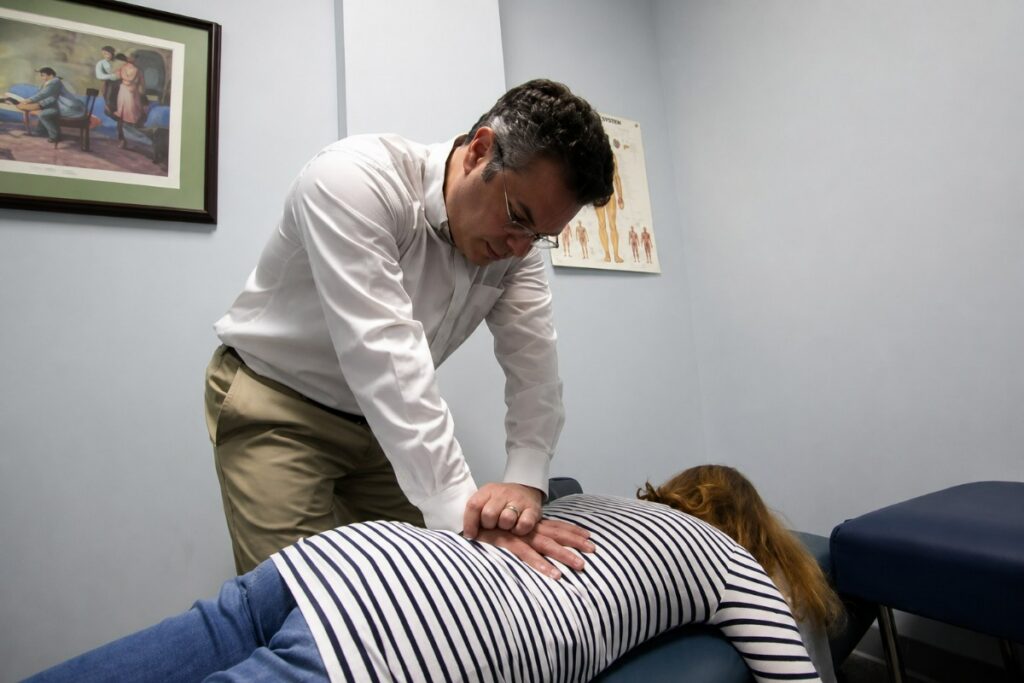
As a local chiropractor, I often meet individuals who are looking for effective relief from lower back pain. One of the most beneficial therapies I offer is chiropractic adjustments. These adjustments are designed to realign your spine, which can significantly alleviate pressure on your nerves and, in turn, reduce your pain.
By improving your spinal alignment, we can also enhance your overall mobility and flexibility, making daily activities easier and more enjoyable.
In my practice, I utilize hands-on techniques to restore proper function to your body. This approach not only helps you find relief but also supports your body’s natural healing processes. Many of my patients experience a noticeable decrease in muscle tension, which often contributes to their discomfort.
Additionally, regular chiropractic visits can help prevent future flare-ups, ensuring your back remains healthy and resilient.
Integrating chiropractic care into your wellness routine goes beyond addressing immediate pain; it fosters long-term health and well-being. If you’re exploring non-invasive options to manage your lower back pain, I invite you to consider chiropractic adjustments as a transformative solution.
Let’s work together to help you achieve a pain-free, active lifestyle!
Massage Therapy Techniques
As a local chiropractor, I want to emphasize that while chiropractic adjustments are a vital method for alleviating lower back pain, incorporating massage therapy techniques into your recovery can make a significant difference.
These techniques not only help reduce tension but also enhance circulation and promote relaxation throughout your body. Here are three effective massage therapy techniques that I recommend exploring:
- Swedish Massage: This gentle method utilizes long, flowing strokes and kneading motions, making it ideal for soothing tight muscles and promoting a sense of calm.
- Deep Tissue Massage: This technique delves deeper into the muscle layers, effectively breaking down scar tissue and addressing chronic pain by targeting the root of the issue.
- Trigger Point Therapy: By focusing on specific tight areas or ‘knots,’ this approach helps release tension that may be contributing to your discomfort, allowing for improved mobility and relief.
Integrating these massage techniques into your wellness routine can’t only enhance your healing process but also provide substantial relief from pain.
The Importance of Posture and Ergonomics
As a local chiropractor dedicated to your well-being, I want to emphasize the vital role that good posture and proper ergonomics play in preventing and alleviating lower back pain. When you maintain correct alignment while sitting, standing, or moving, you significantly reduce the strain on your spine and the surrounding muscles.
It’s crucial to ensure that your workstation is set up to support your body effectively. Your chair should provide adequate support for your lower back, and your feet should rest comfortably flat on the floor. When sitting, aim to keep your knees at or below hip level, and position your screen at eye level to prevent leaning forward, which can exacerbate discomfort.
If you find yourself sitting for extended periods, remember to take regular breaks. Stand up, stretch, or take a short walk to relieve any tension that may have built up.
When engaging in physical activities, always use your legs to lift heavy objects rather than straining your back. Practicing good posture—keeping your shoulders back and your head aligned with your spine—while walking or standing is also essential for preventing pain.
When to Seek Professional Help
As a local chiropractor dedicated to helping you achieve optimal health, I want to emphasize the importance of recognizing when lower back pain warrants professional attention.
Even if you maintain good posture and ergonomic practices, persistent or worsening pain can indicate the need for expert care. Early intervention is key to preventing further complications.
Here are three critical signs that suggest it’s time to reach out for chiropractic support:
- Ongoing Discomfort: If your lower back pain lingers for more than a few weeks or keeps recurring, it’s important not to delay seeking assistance. Chiropractic care can help address the underlying issues contributing to your discomfort.
- Radiating Symptoms: Experiencing pain that travels down your legs, along with numbness or weakness in your limbs, could be indicative of a more serious condition. These symptoms are signals that shouldn’t be ignored, and chiropractic techniques can provide relief and restore function.
- Challenges with Daily Activities: If you find it difficult to perform everyday tasks such as bending, lifting, or sitting comfortably, this is a strong indicator that you could benefit from a professional evaluation. Chiropractic adjustments can help alleviate pain and improve your ability to engage in daily life.
Please don’t overlook these warning signs. Addressing your pain with the guidance of a chiropractor can lead to better health outcomes and a significantly improved quality of life.
Your well-being is our priority, and we’re here to help you on your journey to recovery.
Conclusion
As your local chiropractor, I’m here to share how you can transform your lower back pain without resorting to surgery. Many people are unaware that with the right techniques, such as chiropractic care, exercise, physical therapy, and lifestyle adjustments, significant relief is possible. It’s crucial to recognize the impact that proper posture and ergonomic practices can have on your daily activities.
Incorporating gentle adjustments and spinal manipulations can help realign your spine, alleviating discomfort and promoting healing. Additionally, exploring alternative therapies, such as massage or acupuncture, can provide further relief. If you find that your pain continues, I urge you to seek professional assistance. Together, we can develop a personalized plan to take charge of your health and work towards a future free of pain!