
As a local chiropractor, I understand that lower back pain can be a frustrating and limiting experience for many of my patients. If you’re struggling with this discomfort, you might be on the lookout for effective ways to find relief. Thankfully, there are numerous techniques that can help alleviate your pain and enhance your overall well-being.
In my practice, I often recommend a variety of approaches, ranging from targeted exercises to mindfulness practices, which can be incredibly beneficial. It’s essential to explore different strategies to see what works best for you and how they can seamlessly integrate into your daily routine.
So, what are some of the top techniques I suggest, and how can they help you? Let’s take a closer look at these methods, focusing on how chiropractic care and natural healing can play a significant role in your journey towards a pain-free life.
Understanding Lower Back Pain
As a local chiropractor, I want to help you understand lower back pain, a common issue that many people face at some point in their lives. This discomfort can arise from various sources, including muscle strain, poor posture, or even underlying medical conditions. You may find that your pain intensifies when sitting for long periods, lifting heavy objects, or during routine tasks. It’s crucial to identify the specific source of your discomfort to achieve effective relief.
Several factors can influence your vulnerability to lower back pain, such as age, weight, and your level of physical activity. Additionally, stress and emotional well-being can play significant roles, as tension often manifests in physical pain.
You might experience a sharp, stabbing sensation or a dull ache that radiates down your legs. By recognizing your symptoms and any patterns, you can better communicate with me and other healthcare professionals. Keeping track of when the pain occurs and its intensity can help us tailor a treatment approach that works for you.
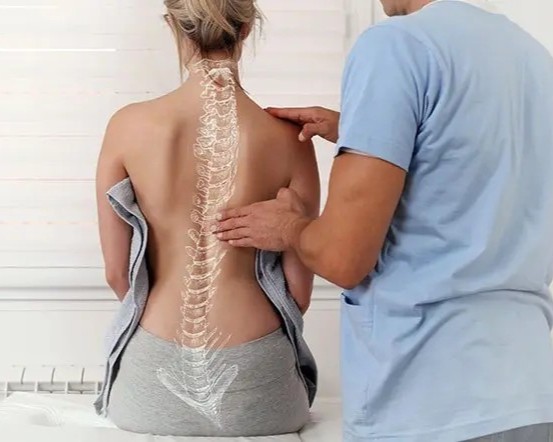
Chiropractic care focuses on the body’s natural ability to heal itself. Through gentle adjustments and personalized treatment plans, we aim to relieve pain, improve mobility, and promote overall wellness.
Stretching and Strengthening Exercises
As a local chiropractor, I often see patients struggling with lower back pain. It’s essential to understand that finding relief typically involves recognizing the underlying causes and integrating effective strategies, such as stretching and strengthening exercises. These exercises play a crucial role in alleviating tension, enhancing flexibility, and building the muscles that support your spine.
I recommend starting with gentle stretches, like the cat-cow or child’s pose. These movements can improve your mobility and reduce stiffness in the lower back. Hold each stretch for 15-30 seconds, and remember to focus on your breathing as you do so.
Once you feel more comfortable with these stretches, it’s beneficial to incorporate some strengthening exercises, like bridges and planks. These exercises specifically target your core, glutes, and back muscles, which are vital for providing better support to your lower back.
For optimal results, aim to perform these exercises regularly—ideally three times a week. It’s important to listen to your body during this process; don’t push yourself too hard. As you gain strength and flexibility, you can gradually increase the intensity of your workouts.
By committing to a routine of stretching and strengthening, not only can you relieve your current pain, but you can also take proactive steps to prevent future discomfort.
Proper Posture and Ergonomics
As a local chiropractor, I want to emphasize the crucial role that proper posture and ergonomics play in preventing and alleviating lower back pain. Many people mightn’t realize that how you sit, stand, or move can greatly affect your spine’s health.
When sitting, it’s important to keep your feet flat on the floor, ensuring that your knees are at or below hip level. Choosing a chair that offers support for your lower back is essential, and adjusting your computer screen to eye level can help you avoid slouching.
When it comes to lifting objects, remember to bend at your knees instead of your waist, and keep the item close to your body. This technique significantly reduces the stress placed on your back.
If you find yourself working at a desk for extended periods, I recommend taking frequent breaks to stretch and adjust your position. Being aware of your posture throughout the day can enhance your comfort and lower your risk of experiencing pain.
It’s important to remember that even small adjustments can lead to substantial benefits for your lower back health. By adopting these habits, you’re taking a proactive step towards a healthier spine and overall well-being.
Heat and Cold Therapy
As a local chiropractor, I want to share some effective strategies for managing lower back pain that you may not be familiar with.
One of the methods we often recommend is the use of heat and cold therapy. Applying heat can be incredibly beneficial as it helps to relax tight muscles and improve blood flow to the affected area.
On the other hand, cold therapy is useful for reducing inflammation and numbing any sharp pain you might be experiencing.
By combining these two approaches, you can enhance your relief and make it much easier to cope with discomfort.
This natural healing method is an integral part of chiropractic care and can complement other treatments we provide.
If you’re struggling with lower back pain, consider incorporating heat and cold therapy into your routine, and don’t hesitate to reach out for further guidance on how to integrate these practices effectively.
Benefits of Heat Application
As a local chiropractor, I want to share with you an effective and natural way to alleviate lower back pain: applying heat. Many of my patients find that when they experience tightness or discomfort in their lower back, using heat can bring significant relief.
Heat therapy works by increasing blood flow to the affected area, which promotes healing and helps relax those tight muscles that may be causing you discomfort.
You can easily incorporate heat into your routine with tools like a heating pad, a warm towel, or even a hot water bottle. The warmth not only helps reduce stiffness, allowing for improved flexibility and easier movement, but it also provides a soothing sensation that can help calm your mind, reducing the stress and tension that often accompany pain.
It’s important to use heat safely—always ensure that the temperatures you apply are comfortable and won’t lead to burns.
Cold Therapy Techniques
As a local chiropractor, I want to share with you some effective cold therapy techniques that can help alleviate lower back pain, especially when paired with heat therapy.
One of the simplest methods is to apply an ice pack, wrapped in a cloth, directly to the painful area for about 15-20 minutes. This technique can significantly reduce inflammation and numb discomfort. If you don’t have an ice pack handy, a bag of frozen vegetables can serve as a great alternative.
It’s important to remember to take breaks between applications to protect your skin from any potential damage. For added comfort, I recommend using cold compresses or gel packs that are designed to conform to the contours of your body.
Another option to consider is a cold bath or shower, where the cool water can help soothe your lower back.
Incorporating these cold therapy techniques into your routine can lead to substantial relief from pain.
As always, if you have any questions or concerns about your treatment, don’t hesitate to reach out. Your journey to wellness is important, and I’m here to support you every step of the way.
Combining Heat and Cold
As a local chiropractor, I want to share with you an effective approach to alleviating lower back pain through the combination of heat and cold therapy. Many of my patients find that using both methods together can significantly enhance their pain relief and promote healing.
To begin, it’s beneficial to start with cold therapy. This method is great for reducing inflammation and numbing any acute pain you may be experiencing. I typically recommend applying an ice pack wrapped in a cloth to your lower back for about 15-20 minutes. This helps protect your skin while effectively targeting the inflamed area.
After a day or two of cold therapy, it’s time to switch gears and incorporate heat therapy. Heat is excellent for promoting blood flow and relaxing tight muscles. You can achieve this by using a heating pad or a warm towel, also for 15-20 minutes.
What I often suggest to my patients is to alternate between these two therapies. This can enhance their effectiveness, providing you with more relief and helping to improve your mobility.
Always remember to listen to your body—if you find that one method feels better for you than the other, don’t hesitate to adjust your routine.
As you explore these natural healing methods, know that I’m here to support you on your journey to better health!
Mindfulness and Relaxation Techniques
As a local chiropractor, I often emphasize the importance of mindfulness and relaxation techniques in managing lower back pain. These practices can significantly ease your discomfort by helping you focus your attention and reduce stress levels.
When you practice mindfulness, you develop a greater awareness of your body and its sensations. This heightened awareness allows you to pinpoint areas of tension in your muscles, which is crucial for finding relief. By consciously relaxing these tense muscles, you can alleviate pain and promote a healthier back.
Incorporating simple techniques such as deep breathing, meditation, or gentle yoga stretches into your daily routine can have a calming effect on both your mind and body. Not only do these methods help you unwind, but they also encourage better posture, which is vital for maintaining back health.
I encourage you to set aside just a few minutes each day for these practices. You may be surprised at how effectively they can help you manage your pain and enhance your overall well-being.
Remember, the power of relaxation shouldn’t be underestimated. By making mindfulness a priority, you can foster a deeper sense of well-being, contributing to a healthier back and ultimately improving your quality of life.
If you have any questions about how these techniques can complement your chiropractic care, don’t hesitate to reach out.
Seeking Professional Help
As a local chiropractor, I want to emphasize the importance of seeking professional help for managing lower back pain. While mindfulness and relaxation techniques can certainly provide relief, it’s crucial to have a thorough assessment of your condition by a healthcare professional. This allows us to identify the root cause of your pain and develop a personalized treatment plan tailored to your unique needs.
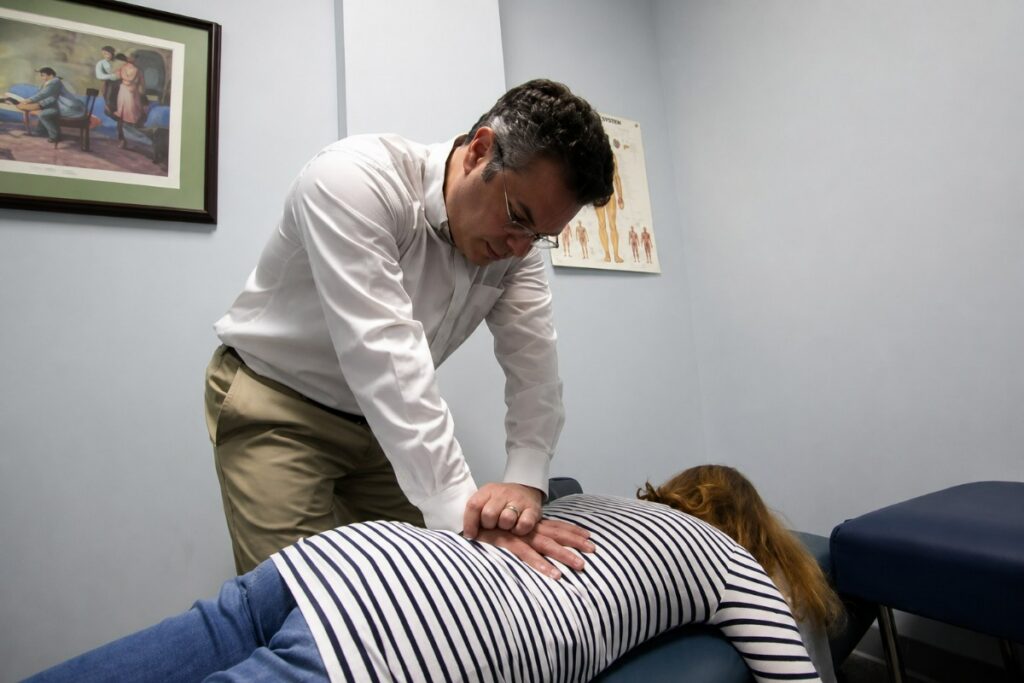
Chiropractic care plays a vital role in this process. We focus on spinal manipulation and adjustments to improve alignment, which can alleviate discomfort and enhance mobility.
In addition to chiropractic adjustments, we may recommend physical therapy and specific exercises designed to strengthen your back and core muscles.
If you’re experiencing persistent or worsening pain, I encourage you to reach out for a consultation. We can guide you through appropriate exercises and stretches that may help relieve your symptoms.
Moreover, I can teach you proper body mechanics and posture techniques to prevent future issues, ensuring you can enjoy a healthier, pain-free life. Your well-being is our priority, and we’re here to support you on your journey to recovery.
Conclusion
As a local chiropractor, I want to share some effective techniques for managing lower back pain that you may not be familiar with. First and foremost, incorporating gentle exercises into your routine can greatly alleviate discomfort and strengthen your back. It’s also essential to maintain proper posture throughout your day, whether you’re sitting at a desk or lifting objects, as this can significantly impact your spinal health.
Another natural method I recommend is using heat and cold therapy. Applying heat can relax tense muscles, while cold therapy can reduce inflammation and numb sharp pain. Additionally, practicing mindfulness helps you stay attuned to your body and recognize areas of tension that may need attention.
If you find that your pain persists despite these efforts, seeking professional chiropractic care can be incredibly beneficial. A chiropractor can provide tailored guidance and treatments to address your specific needs. Remember, consistency in applying these techniques is crucial for achieving lasting relief and preventing future discomfort. Take charge of your health, and let’s work together towards a pain-free life!