
As a local chiropractor, I want to reassure you that if you're dealing with back pain, you're not alone, and there are natural techniques that can help you find relief. One of the most effective approaches includes incorporating stretching exercises and strengthening workouts tailored to your needs. These not only help alleviate pain but also enhance your overall physical health.
Equally important is your posture. Many people underestimate the impact that proper alignment can have on their back pain. By focusing on your posture throughout the day, you may find that it plays a crucial role in achieving long-term relief.
But that's just the beginning. I also encourage my patients to consider the benefits of heat therapy, which can soothe tense muscles, as well as mindfulness practices that promote relaxation and stress reduction. When combined, these elements create a holistic approach to back pain relief.
Are you curious about how these techniques work together? Let's delve into specific strategies that can transform your experience and help you reclaim a pain-free life. Together, we can explore the natural healing methods that chiropractic care offers for lasting results.
Stretching Exercises
As a local chiropractor dedicated to helping you understand the benefits of chiropractic care and natural healing, I want to share how stretching exercises can be a powerful tool in relieving back pain.
These simple yet effective movements not only enhance flexibility but also alleviate tension and encourage better posture. By incorporating a few easy stretches into your daily routine, you may notice significant improvements in how your back feels.
Let's begin with a stretch known as the cat-cow. Position yourself on all fours, ensuring your wrists are aligned directly under your shoulders and your knees under your hips. As you inhale, arch your back, allowing your belly to drop towards the floor. Then, as you exhale, round your spine towards the ceiling. Repeating this sequence several times can help release built-up tension in your back, promoting relaxation and mobility.
Another excellent stretch is the seated forward bend. Sit comfortably on the floor with your legs extended straight in front of you. Take a deep breath in, and as you exhale, hinge at your hips and reach toward your toes. Don't worry if you can't reach them right away; the goal is to feel a gentle stretch in your lower back and hamstrings. Hold this position for 15-30 seconds, allowing your body to gradually ease into the stretch.
The child's pose is also a fantastic way to stretch your back. Start by kneeling on the floor, then sit back on your heels and stretch your arms forward on the ground. Let your forehead rest on the mat and focus on your breath. This position gently stretches your back while providing a moment of relaxation – a perfect way to unwind.
It's important to listen to your body during these stretches. Avoid pushing yourself into discomfort; instead, ease into each stretch and hold it for a duration that feels comfortable for you.
By regularly practicing these stretches, you may find substantial relief from back pain and experience increased overall flexibility.
As your chiropractor, I encourage you to embrace these natural healing methods as part of your wellness journey. Together, we can work toward improving your back health and enhancing your quality of life.
Strengthening Workouts
As a local chiropractor, I want to share with you the importance of strengthening workouts in alleviating back pain and enhancing overall spinal health. Building core strength is vital, as it provides crucial support to your spine, which can significantly reduce discomfort and improve stability.
By focusing on the muscles surrounding your back, abdomen, and hips, you create a robust foundation that can better withstand everyday stresses.
To get started on this journey, I recommend incorporating exercises such as planks, bridges, and bird-dogs into your fitness routine. These exercises engage multiple muscle groups, helping to enhance your overall strength while minimizing strain on your back.
For instance, planks work your entire core, bridges specifically target your glutes and lower back, and bird-dogs are excellent for improving balance and coordination, both of which are essential in preventing injuries.
I suggest aiming for at least two to three strength training sessions each week. You can begin with light weights or bodyweight exercises, gradually increasing the intensity as your muscles become more accustomed to the workouts.
It's important to listen to your body; if you experience any sharp pain, please stop and evaluate your form or the specific exercise. Consistency is key, so try to weave these strengthening workouts into your regular routine.
Don't overlook the importance of warming up before your exercises and cooling down afterward. Incorporating stretching into your post-workout routine can greatly enhance flexibility and keep your muscles feeling limber.
Proper Posture Techniques
As your local chiropractor, I want to emphasize the importance of maintaining proper posture for your overall health and well-being. Good posture isn't just about standing tall; it's crucial for preventing back pain and supporting the health of your spine. By positioning your body correctly while sitting, standing, or moving, you can significantly reduce strain on your spine, muscles, and ligaments.
To start, focus on aligning your ears, shoulders, and hips in a straight vertical line. This alignment is key to evenly distributing your weight and minimizing pressure points that can lead to discomfort.
When you're sitting, ensure that your feet are flat on the floor and that your knees are at a right angle. It's important to choose a chair that supports the natural curve of your lower back. If your work involves a computer, adjust your screen to eye level to prevent unnecessary neck strain.
And don't forget to take regular breaks — standing up and stretching every hour can greatly improve your posture and overall comfort.
While standing, aim to distribute your weight evenly on both feet. Keep your shoulders relaxed and pulled back, and engage your core muscles. This engagement is vital for maintaining proper spinal alignment.
If you often carry a bag, remember to switch sides periodically to help balance the load and avoid muscle strain.
When lifting heavy objects, always bend your knees rather than your waist. Keep the item close to your body as you lift, using the strength of your legs instead of your back. This technique not only reduces the risk of injury but also reinforces proper body mechanics.
Heat and Cold Therapy
As a chiropractor dedicated to your well-being, I want to share the benefits of heat and cold therapy in managing back pain and promoting healing. These techniques are powerful tools that can help you find relief by improving blood flow and reducing inflammation.
When you apply heat, it can help relax tight muscles and enhance circulation, which is essential for alleviating stiffness. This is especially helpful when you're feeling tense or sore. You can use a heating pad, a warm towel, or a hot water bottle—just ensure it's warm, not scalding.
Applying it to your back for about 15-20 minutes can make a significant difference, and you can repeat this several times throughout the day. If you struggle with chronic pain, using heat before engaging in activities can help loosen up your muscles.
On the flip side, cold therapy is your go-to for recent injuries or sudden flare-ups. Using a cold pack, ice wrapped in a cloth, or even a bag of frozen vegetables can effectively reduce swelling and numb the area. Aim to apply it for 10-15 minutes at a time, and remember to never place ice directly on your skin to avoid frostbite.
For many patients, alternating between heat and cold therapy yields the best results. Start with cold therapy to tackle inflammation, and then switch to heat to relax those muscles afterward.
It's essential to listen to your body; adjust the duration and frequency based on what feels most comfortable for you.
Mindfulness and Relaxation
As a local chiropractor, I want to share how practicing mindfulness and relaxation can significantly benefit those dealing with back pain.
Many of my patients find that simple breathing techniques can help center their minds, allowing them to focus on healing rather than discomfort.
Additionally, guided imagery can be a powerful tool, helping you envision a serene space where tension melts away.
By incorporating these natural methods into your routine, you can't only ease physical discomfort but also enhance your overall sense of well-being.
Embracing these practices alongside chiropractic care can create a holistic approach to your health and recovery.
Breathing Techniques
As a chiropractor, I often emphasize the importance of holistic approaches to managing back pain, and one effective method is through simple breathing techniques. By concentrating on your breath, you can stimulate your body's natural relaxation response, which can significantly alleviate muscle tension.
Many of us hold onto stress in our bodies, particularly in the back area, leading to discomfort and pain. Practicing deep, mindful breathing can help release that built-up tightness and promote a sense of ease.
To get started, find a comfortable position, whether sitting or lying down. Close your eyes and take a deep breath in through your nose, allowing your abdomen to rise and expand. Hold that breath for a moment before gently exhaling through your mouth.
As you breathe out, visualize the tension dissipating from your body. Repeat this for several minutes, focusing entirely on your breathing.
I encourage you to incorporate this technique into your daily routine. Even dedicating just a few minutes to focused breathing can have a profound effect on your overall well-being. You may notice a reduction in pain and an increase in relaxation throughout your day.
If you ever feel tension returning, pause and reconnect with your breath. Remember, these simple breathing techniques can be a powerful complement to your chiropractic care, helping you on your journey to relieve back pain and enhance your overall health.
Guided Imagery
As your local chiropractor, I want to share with you an effective technique that can complement your chiropractic care and help manage back pain—guided imagery. This practice is all about using the power of your mind to promote relaxation and alleviate discomfort. By visualizing peaceful scenes, you can take your focus away from pain and foster a sense of well-being.
To get started with guided imagery, here are some simple steps to follow:
- Select a calming image: Think of a serene beach, a quiet forest, or any other place that brings you comfort. Choose a location that resonates with you personally.
- Immerse yourself in the experience: Engage all your senses as you imagine this scene. Listen to the soothing sounds of waves or rustling leaves, inhale the fresh scents of nature, and feel the warmth of the sun or the coolness of the breeze on your skin.
- Make it a habit: Incorporate guided imagery into your daily routine, especially during moments of discomfort. The more consistently you practice, the more effective it can be in reducing your pain.
By adding guided imagery to your pain management toolkit, you can cultivate a deeper sense of relaxation, which can enhance the benefits of your chiropractic adjustments.
This technique not only helps ease back pain but also contributes to your overall emotional health.
Massage Therapy Benefits
As a local chiropractor, I want to share how massage therapy can play a vital role in alleviating back pain and enhancing your overall well-being. Many individuals are unaware of the profound impact that massage can have on their health, especially when it comes to treating discomfort in the back.
When you receive a massage, it works to relax tense muscles and improve blood circulation throughout your body. This increased blood flow is essential, as it delivers vital nutrients to your muscles while helping to eliminate toxins that can contribute to pain and discomfort. As a result, you may experience a noticeable reduction in muscle tightness and stiffness, which can significantly improve your mobility.
Beyond the physical benefits, massage therapy also offers emotional relief. Many of my patients find that stress and anxiety can intensify their back pain. A good massage can help promote relaxation and lower stress levels, leading to a calming experience that not only alleviates pain but also enhances your overall mood.
Another key advantage of incorporating massage therapy into your wellness routine is the improvement in your range of motion. A skilled massage therapist can target specific areas of tension, helping to loosen tight muscles and promote better spinal alignment. Improved flexibility often leads to better posture, which can reduce the likelihood of developing future back issues.
For those managing chronic pain, regular massage sessions can be an effective component of your holistic pain management strategy. Whether you prefer deep tissue, Swedish, or other techniques, each approach has unique benefits tailored to your specific needs. It's essential to communicate openly with your therapist about your pain points so they can provide the most effective treatment possible.
Ergonomic Adjustments
As a local chiropractor, I often see patients who are unaware of how their workspace may be contributing to their back pain. Making ergonomic adjustments can significantly alleviate discomfort and enhance your overall well-being.
By implementing a few simple changes to your workstation, you can cultivate a more supportive environment for your body, which is essential for maintaining proper alignment.
Let's discuss three crucial ergonomic adjustments that can make a difference:
- Chair Height: It's important to ensure your chair is set at the right height. Your feet should rest flat on the floor, with your knees bent at a 90-degree angle. This position helps evenly distribute your weight and minimizes strain on your lower back, which is vital for maintaining spinal health.
- Monitor Position: Your computer screen should be positioned at eye level and about an arm's length away from you. This setup prevents you from leaning forward or looking down, both of which can lead to tension in your neck and back over time. Proper monitor placement is key to reducing stress on your spine.
- Keyboard and Mouse Placement: Keep your keyboard and mouse within easy reach to avoid unnecessary stretching. Your elbows should remain at a 90-degree angle and your wrists should be straight while typing. This helps reduce tension in your shoulders and back, promoting better posture throughout your workday.
By incorporating these ergonomic adjustments into your daily routine, you can create a workspace that not only feels comfortable but also supports your body's natural posture.
As your chiropractor, I encourage you to pay attention to how you set up your workspace—this awareness is an important step toward alleviating your back pain and improving your productivity.
Alternative Treatments
When traditional methods for managing back pain haven't provided the relief you're seeking, I encourage you to explore the benefits of chiropractic care and other natural healing treatments.
As a local chiropractor, I want to share how our approach can uniquely address your discomfort. Chiropractic adjustments focus on aligning the spine and improving overall function, which can lead to significant pain relief.
Additionally, techniques like acupuncture and herbal remedies can complement your treatment plan and enhance your healing process.
Every individual is different, so it's important to consider which combination of therapies might work best for you.
Let's work together to find the right solution for your back pain!
Acupuncture for Pain Relief
As a local chiropractor, I want to share with you the benefits of acupuncture as a natural treatment option for back pain relief. This ancient practice, deeply rooted in Traditional Chinese Medicine, involves the insertion of thin needles into specific points on your body. This technique is designed to stimulate energy flow and can be an effective method for addressing both chronic and acute back pain.
Here are some key benefits of incorporating acupuncture into your pain relief strategy:
- Pain Reduction: Many patients experience significant relief from pain after just a few acupuncture sessions. It can be a powerful tool in managing discomfort.
- Enhanced Mobility: Regular acupuncture treatments can improve your range of motion and flexibility, making it easier to engage in daily activities and enjoy life to the fullest.
- Stress Relief: Acupuncture promotes relaxation and reduces tension, which is vital for overall wellness. A relaxed body often leads to reduced pain and improved healing.
If you're considering acupuncture, it's essential to work with a licensed practitioner who can assess your individual needs and customize the treatment accordingly.
While everyone's experience with acupuncture may differ, many find it to be a complementary approach alongside chiropractic care and other therapies.
Whether you're dealing with a persistent back issue or an occasional flare-up, acupuncture can be a valuable addition to your pain management toolkit. I encourage you to explore this option and see how it can positively impact your journey toward wellness!
Chiropractic Adjustments Benefits
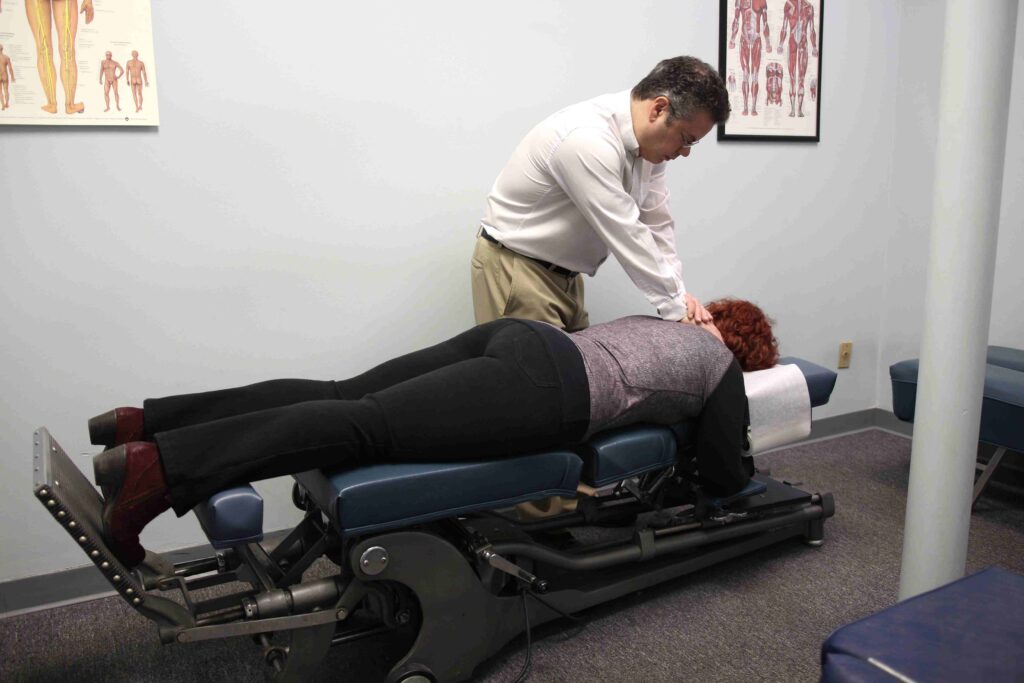
As a local chiropractor, I understand that dealing with back pain can make even the simplest daily tasks feel overwhelming. That's where chiropractic adjustments come in as an effective and practical solution. These adjustments are designed to realign your spine, relieving pressure on nerves and muscles, which can significantly reduce pain and enhance your mobility.
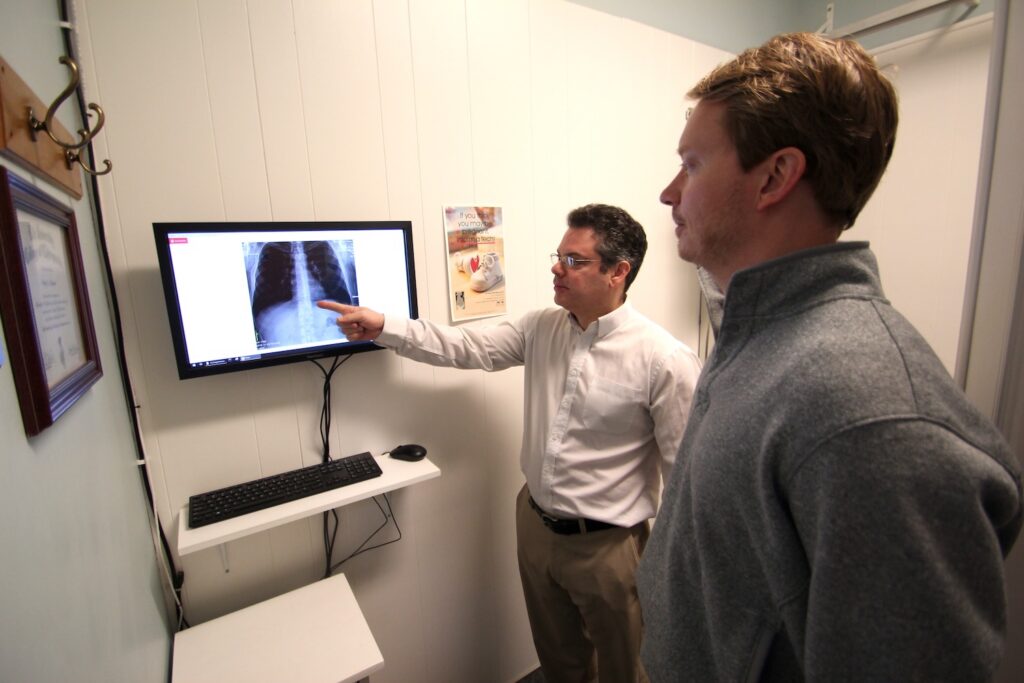
When you visit my office, I'll conduct a thorough assessment of your specific concerns and craft a personalized treatment plan tailored to your unique needs.
One of the remarkable benefits of chiropractic adjustments is their ability to support your body's natural healing processes. By promoting proper alignment, your body can operate more efficiently, facilitating faster healing. Many of my patients report experiencing reduced inflammation and tension in their backs, leading to an overall sense of well-being.
In addition to pain relief, chiropractic care is instrumental in improving posture, which is crucial for preventing future back pain. Through adjustments and guidance, you'll learn to maintain better posture, making it easier to engage in your daily activities without discomfort.
Furthermore, I often hear from my patients about the increased energy levels and improved sleep quality they experience after incorporating chiropractic treatments into their routines.
Herbal Remedies and Oils
As a local chiropractor, I want to emphasize the importance of holistic approaches to managing back pain. While chiropractic adjustments are incredibly effective in alleviating discomfort, considering additional treatments like herbal remedies and oils can significantly enhance your healing process.
These natural alternatives can help reduce inflammation and promote relaxation, contributing to your overall well-being. Here are some options you might find beneficial:
- Turmeric: This spice is rich in curcumin, which is renowned for its anti-inflammatory properties. You can incorporate turmeric into your diet by adding it to meals or taking it as a supplement.
- Ginger: Known for its strong anti-inflammatory effects, ginger can be a great ally in pain relief. Enjoy it in a soothing tea or blend it into your smoothies for added benefits.
- Essential Oils: Aromatherapy can be a wonderful complement to your chiropractic care. Essential oils like peppermint and eucalyptus can be used topically (when diluted with a carrier oil) or diffused in your space to help promote relaxation and relieve pain.
Before you start incorporating these herbal remedies and oils, I recommend consulting with your healthcare provider. They can help you understand the right dosages and ensure there are no interactions with other treatments you may be using.
It's important to remember that while these natural options can support your recovery, they shouldn't replace professional medical advice. By embracing these holistic strategies alongside chiropractic care, you can empower yourself on the journey to achieving back pain relief.
Conclusion
As a local chiropractor, I want to share some valuable techniques that can significantly help alleviate your back pain. By integrating stretching exercises, strengthening workouts, and maintaining proper posture into your daily routine, you can pave the way toward a healthier back. Additionally, consider incorporating heat and cold therapy, mindfulness practices, and massage therapy for extra relief.
Creating an ergonomic environment is also crucial; small adjustments can make a big difference in supporting your spine throughout the day. It's essential to take an active role in your back health, and I'm here to guide you on this journey. Together, we can explore natural healing methods that promote your overall well-being.