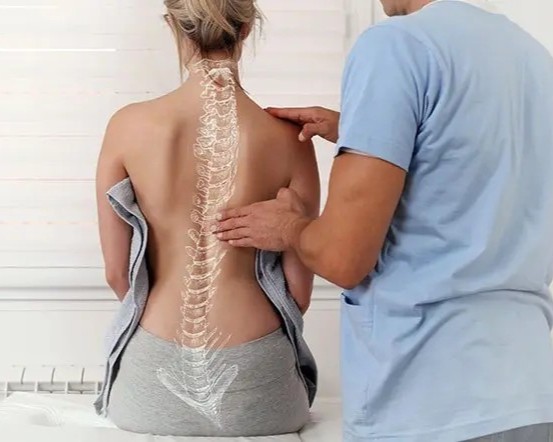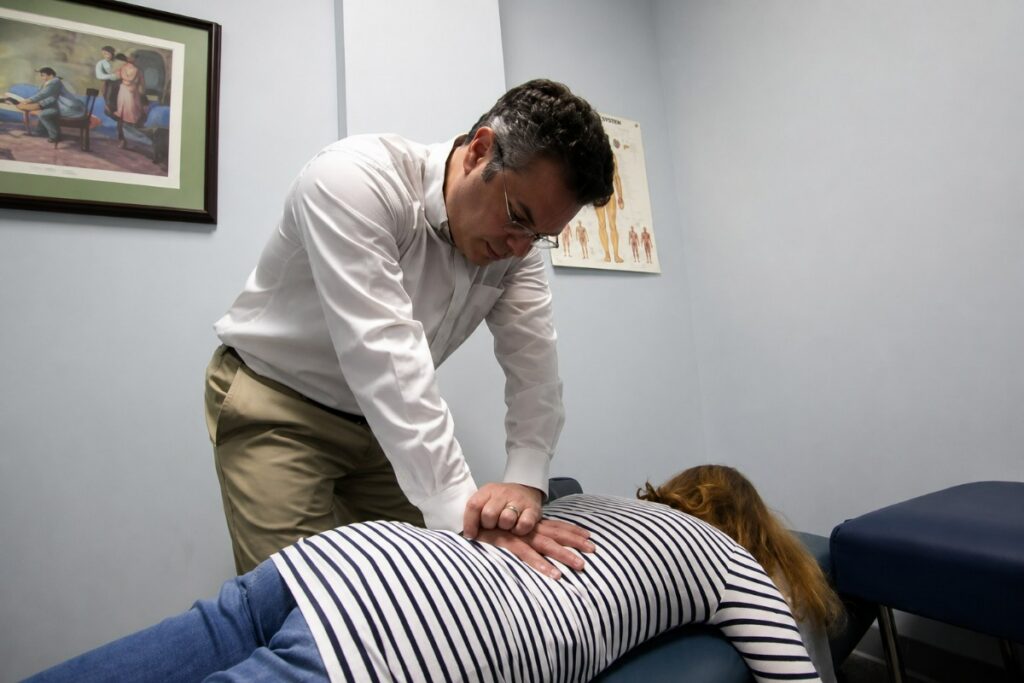

As a local chiropractor, I want to emphasize that if you're struggling with lower back pain, you're not alone, and finding effective relief is crucial for your overall well-being. Many individuals are unaware of the benefits of chiropractic care and how it can be an integral part of their healing journey.
I encourage you to consider a holistic approach that includes lifestyle adjustments, specialized exercises, and natural therapies to alleviate your discomfort. One of the key areas we focus on in chiropractic care is posture. By improving your posture and incorporating core-strengthening exercises, we can help reduce the strain on your spine and promote better alignment.
But chiropractic care goes beyond just adjustments. There are a variety of other strategies we can implement together to enhance your daily life and manage your pain effectively. Let's take a closer look at some of the top solutions that can lead you to a more comfortable and active lifestyle. Remember, your journey to relief starts with understanding your body and the options available to you.
Understanding Lower Back Pain
As a local chiropractor, I'm here to help you understand lower back pain and how it can impact your daily life. Many people experience discomfort in this area due to various factors, including muscle strain, poor posture, and issues like herniated discs. If you find yourself sitting for extended periods or lifting heavy objects without proper techniques, your lower back may be bearing the consequences. Additionally, stress can lead to muscle tension, which often exacerbates your pain.
The effects of lower back pain can be profound. You may have noticed that everyday tasks, such as bending down to tie your shoes or lifting a grocery bag, become increasingly difficult. This discomfort can also disrupt your sleep, leaving you feeling fatigued and irritable during the day. As a result, your productivity at work may decline, as it can be hard to focus when you're constantly distracted by pain.
It's essential to be mindful of how lower back pain affects not only your physical abilities but also your emotional well-being. Feelings of frustration and discouragement are common, especially if the pain persists despite your attempts to manage it. Recognizing these emotional responses is just as important as identifying the physical symptoms.
As your chiropractor, I encourage you to explore natural healing methods to alleviate your lower back pain. Through chiropractic adjustments, targeted exercises, and lifestyle modifications, we can work together to improve your quality of life and help you regain your mobility.
Let's take the first step towards understanding your pain and finding the right solutions for you.
Lifestyle Changes for Relief
As a chiropractor dedicated to helping you achieve optimal health, I want to share some simple lifestyle changes that can significantly alleviate your lower back pain and enhance your overall well-being.
One of the most important adjustments you can make is to focus on your posture. Whether you're sitting at a desk or lifting objects, keeping your body in proper alignment can greatly reduce the strain on your lower back. I recommend investing in ergonomic furniture that supports your spine and practicing good posture habits—stand tall, pull your shoulders back, and keep your spine aligned.
Incorporating regular physical activity into your daily routine is another vital step. Aim for at least 30 minutes of moderate exercise most days of the week. Engaging in activities such as walking, swimming, or cycling not only strengthens your muscles but also enhances your flexibility, which is essential for a healthy back.
It's also important to pay attention to your weight. Maintaining a healthy weight lessens the pressure on your spine, helping to prevent further discomfort. If weight loss is necessary, focus on a balanced diet rich in fruits, vegetables, lean proteins, and whole grains.
Additionally, let's talk about your sleep habits. Ensure you're using a supportive mattress and pillow that keep your spine in a neutral position. Establishing a regular sleep schedule can improve the quality of your rest, which is crucial for recovery and overall health.
Lastly, I encourage you to integrate stress management techniques into your life. High stress can lead to muscle tension, which may exacerbate your pain. Consider activities like meditation, deep breathing, or yoga to help you effectively manage stress.
Effective Stretching Exercises
As a local chiropractor, I want to share with you the powerful impact that effective stretching exercises can have on relieving lower back pain. Many of my patients have experienced significant improvements in their comfort and mobility through these simple techniques.
Stretching not only helps alleviate tension in the muscles but also promotes better blood flow, which is essential for healing. I encourage you to incorporate specific stretching exercises into your daily routine. I'll guide you through recommended techniques that are safe and effective for your unique needs.
However, it's important to approach stretching with caution. I'll provide you with essential precautions to ensure that you stretch safely and effectively.
Together, we can explore how these exercises can enhance your well-being and help you move with greater ease. Remember, your journey to better health is a collaborative effort, and I'm here to support you every step of the way.
Benefits of Stretching
As a local chiropractor, I want to emphasize the importance of stretching in your journey to alleviate lower back pain and enhance your overall flexibility. When you incorporate regular stretching into your routine, you're not just easing muscle tension; you're also improving your range of motion. This increased flexibility can empower you to move more freely and may even help prevent future injuries.
Stretching promotes blood circulation to your muscles, which is essential for recovery and reducing stiffness. This is particularly beneficial if you've been sitting for long periods or engaging in repetitive activities that put a strain on your lower back. By stretching, you also encourage proper posture, which can relieve unnecessary pressure on your spine and the surrounding muscles.
Moreover, stretching enhances your body awareness. It helps you become more attuned to your movements, allowing you to identify and correct any imbalances or tension that could lead to discomfort. Additionally, stretching encourages relaxation, which can help reduce stress and anxiety—factors that often exacerbate pain.
I recommend incorporating a variety of stretches that target your lower back, hips, and legs for maximum benefit. Consistency is crucial; by making stretching a regular part of your day, you're likely to experience lasting relief and improved mobility.
This can make your daily activities more enjoyable and pain-free. Remember, I'm here to guide you on this journey to better health and wellness through natural healing practices.
Recommended Stretching Techniques
As a local chiropractor, I want to share some effective stretching techniques that can significantly relieve lower back pain and improve your overall flexibility. One of my favorites is the cat-cow stretch. To perform this stretch, get on your hands and knees. As you inhale, arch your back upward (this is the cat position), and then as you exhale, let your back dip down toward the ground (the cow position). I recommend repeating this sequence for about ten cycles to really feel the benefits.
Another stretch you should incorporate is the child's pose. Begin by sitting back on your heels, extending your arms out in front of you on the floor, and allowing your forehead to rest down. Hold this position for 30 seconds to a minute, focusing on taking deep breaths. This stretch is excellent for relaxing the back and promoting a sense of calm.
Don't forget about the seated hamstring stretch, which is fantastic for your lower back and hamstrings. Sit on the ground with one leg extended straight out in front of you and the other leg bent. Gently reach toward the toes of your extended leg, feeling a nice stretch. Hold this stretch for 20-30 seconds before switching legs.
Lastly, I recommend the supine spinal twist. Lie on your back and bend one knee, then gently guide that knee across your body with the opposite hand. This stretch helps improve spinal mobility and reduces tension in the lower back. Aim to hold each position for 20-30 seconds and repeat 2-3 times for the best results.
Precautions and Tips
As a local chiropractor, I want to emphasize the importance of proper stretching techniques to enhance your overall well-being and minimize the risk of injury. Before you begin any stretching routine, there are several key precautions to consider.
First and foremost, always pay attention to your body. If you experience pain during a stretch, it's crucial to either ease off or skip that particular movement. Remember, a mild stretching sensation is normal, but sharp discomfort is a sign to stop.
Warming up is a vital step before stretching. I recommend spending five to ten minutes engaging in light activities, such as walking or cycling, to boost blood flow to your muscles. This warm-up helps prepare your body and decreases the likelihood of strains.
Proper form is essential during each stretch. Avoid bouncing or jerking movements, as these can lead to injuries. Instead, focus on controlled and deliberate motions to ensure safety and effectiveness.
When holding each stretch, aim for about 15 to 30 seconds while breathing deeply. This approach allows your muscles to relax and lengthen properly. If you're new to stretching, start with a few basic exercises, and gradually increase the intensity and duration as your flexibility improves.
Finally, I encourage you to make stretching a regular part of your routine. Consistency is vital for achieving lasting relief, especially when it comes to lower back pain.
Strengthening Your Core
As a local chiropractor, I want to emphasize the importance of strengthening your core for maintaining stability and alleviating lower back pain. Many of my patients are surprised to learn how crucial a strong core is for overall spinal health.
By incorporating effective core exercises into your daily routine, you can build the strength necessary to support your spine and enhance your overall well-being.
A robust core not only aids in preventing injuries but also plays a vital role in your posture and balance. It's not just about aesthetics; a strong core can significantly improve your quality of life.
Let's discuss how integrating a consistent core strength routine can lead to lasting benefits and help you feel better overall. Your journey to better health starts with understanding the connection between core strength and spinal support, and I'm here to guide you on that path.
Importance of Core Stability
As a local chiropractor, I want to emphasize just how crucial core stability is for alleviating lower back pain. Think of your core as the foundation of your body's structure. A strong, stable core supports your spine and significantly reduces the strain on your lower back. When your core muscles are engaged, they help to evenly distribute the loads across your body, which alleviates pressure on your lumbar region.
This stability not only enhances your posture during daily activities but also lowers your risk of injury. Without proper core stability, the muscles in your back have to compensate, which can lead to fatigue and discomfort. You may notice that tasks like lifting, bending, or even sitting for extended periods become painful if your core isn't robust.
Furthermore, a lack of core stability can create imbalances in your body, potentially leading to chronic pain issues. It's important to understand that focusing on core stability isn't just about building strength; it also involves developing control and endurance.
By enhancing your core's stability, you establish a solid foundation for all movements, which can help prevent injuries in the future. So, I encourage you to prioritize core stability in your routine. It can truly transform your back health and overall well-being!
If you have any questions or need guidance on incorporating core stability exercises into your daily life, feel free to reach out. Your journey towards better health starts here!
Effective Core Exercises
As a chiropractor dedicated to your overall well-being, I want to emphasize the importance of strengthening your core for both spinal support and enhanced stability. A well-rounded core not only protects your spine but also contributes to better balance and functionality in your daily activities.
Let's start with planks. This fundamental exercise engages your entire core. Aim to hold a plank position for 30 seconds to a minute, ensuring your body maintains a straight line from your head to your heels. This simple practice can significantly improve your core strength.
Next, I recommend incorporating bridges into your routine. To perform this exercise, lie on your back with your knees bent and feet flat on the floor. Gently lift your hips towards the ceiling while squeezing your glutes, then lower them back down. Bridges are excellent for strengthening both your lower back and abdominal muscles, which play a crucial role in supporting your spine.
Another effective exercise is the dead bug. While lying on your back with your arms extended toward the ceiling and your knees bent at 90 degrees, slowly lower one arm and the opposite leg toward the floor, then return to the starting position. This movement not only enhances coordination but also improves your stability, which is vital for injury prevention.
Lastly, I encourage you to include rotational exercises, such as Russian twists, in your regimen. Sit on the floor, lean back slightly, and twist your torso side to side while holding a light weight. This exercise targets the oblique muscles and helps build a well-rounded core, essential for supporting your back and enhancing your overall functionality.
Daily Core Strength Routine
Incorporating a daily core strength routine can significantly enhance the benefits of the exercises you've already begun, and I'm here to explain why that matters for your overall well-being. As a chiropractor, I often emphasize the importance of a strong core in stabilizing your spine and pelvis, which can help reduce strain on your lower back and promote better posture.
Let's start with some fundamental exercises that you can easily integrate into your daily routine: planks, bridges, and bird-dogs. These exercises not only strengthen your core but also support your spine's alignment. Aim to perform 10-15 repetitions of each exercise, holding each position for about 20-30 seconds.
Begin your routine with planks. To do this, position yourself face down, resting on your forearms and toes, ensuring your body forms a straight line from head to heels. This engages your entire core and helps protect your spine.
Next, move on to bridges. Lie on your back with your knees bent and feet flat on the floor. Raise your hips until your body forms a straight line from your shoulders to your knees. This exercise is excellent for strengthening your lower back and glutes.
Finally, practice bird-dogs. Start on all fours, and extend one arm forward while simultaneously extending the opposite leg back. Hold for a moment, then switch sides. This exercise encourages balance and coordination while targeting your core muscles.
Consistency is essential for seeing results. I recommend dedicating at least 5-10 minutes each day to these exercises. As you build strength, you can increase the duration and intensity of each movement. Not only will you be strengthening your core, but you may also find relief from lower back pain, which is a common issue I see in my practice.
Always remember to listen to your body. If you experience any discomfort or uncertainty about any movements, please consult a healthcare professional. Strengthening your core is a vital step toward lasting relief and improved health.
Embrace this journey toward better spinal health, and feel free to reach out if you have any questions or need further guidance!
Alternative Therapies
As a local chiropractor, I want to share with you the benefits of alternative therapies for addressing lower back pain. Many individuals are unaware that these approaches can work alongside traditional treatments, paving the way for a more holistic healing experience.
By exploring different methods, you may uncover what truly resonates with your body and situation.
Here are some popular alternative therapies that I often recommend:
- Acupuncture: This ancient Chinese technique involves the careful insertion of thin needles at specific points on the body. Many patients find that acupuncture not only alleviates pain but also encourages the body's natural healing process.
- Chiropractic care: As a chiropractor, my primary focus is on spinal and joint alignment. By utilizing various manipulation techniques, I can help reduce discomfort and enhance mobility. Regular chiropractic visits have shown to yield lasting improvements in lower back pain for many of my patients.
- Massage therapy: Therapeutic massage is a fantastic way to relieve muscle tension and improve blood circulation. Incorporating massage into your wellness routine can significantly contribute to alleviating lower back pain and promoting relaxation.
- Yoga: I often encourage my patients to consider incorporating yoga into their lives. This practice not only enhances flexibility but also strengthens core muscles and improves posture. Many individuals report that a consistent yoga routine helps manage their lower back pain effectively.
These therapies emphasize the body's innate ability to heal itself, allowing you to tap into your natural healing potential.
While results can vary from person to person, numerous patients experience remarkable improvements in their pain levels and overall well-being.
Before embarking on any new therapy, I highly recommend consulting with a healthcare provider or a chiropractor like myself. Together, we can guide you in choosing the most suitable approach for your needs, ensuring your safety and giving you the best chance for relief.
Medical Treatments and Interventions
As a local chiropractor, I want to help you understand the important role that chiropractic care plays in managing lower back pain, especially when traditional methods haven't brought you relief.
While many people find success with alternative therapies, it's crucial to recognize that there are also various medical treatments and interventions available for more severe cases. If you've tried conservative approaches without improvement, I encourage you to consider a holistic approach that includes chiropractic care.
One of the first steps in our treatment plan may involve working with your healthcare provider to evaluate any prescription medications you might need. While I focus on natural healing, I understand that your doctor may recommend nonsteroidal anti-inflammatory drugs (NSAIDs) or muscle relaxants to ease pain and reduce inflammation.
Additionally, corticosteroid injections may be an option for immediate relief in certain situations.
Chiropractic care itself is a highly effective intervention for lower back pain. I'll assess your condition and develop a personalized program that includes spinal adjustments and other techniques aimed at restoring balance to your body.
By focusing on proper alignment, strengthening your core muscles, and improving flexibility, we can address the root causes of your pain and help prevent future injuries.
If your discomfort persists despite these initial treatments, I can work alongside your healthcare team to explore more advanced options. In some cases, spinal injections, such as epidural steroid injections, might be beneficial for specific conditions.
For chronic pain that doesn't respond to conservative care, surgical options may be discussed, but my goal is to help you find relief through natural methods first.
Remember, incorporating chiropractic care into your pain management plan can be a powerful ally in your journey to wellness.
Preventive Measures for Longevity
As a local chiropractor, I want to emphasize the importance of a proactive approach to your health, especially when it comes to enhancing your longevity and overall quality of life.
Many people are unaware of how simple daily habits can significantly prevent lower back pain and maintain a healthy body. By adopting these preventive measures, you can help reduce your risk of injury and promote a solid, pain-free back.
Here are some essential practices to consider:
- Stay Active: It's vital to engage in regular physical activities such as walking, swimming, or cycling. These activities not only keep your body strong but also improve flexibility, which is essential for spinal health.
- Strengthen Your Core: Focus on exercises that specifically target your abdominal and lower back muscles. A strong core is crucial as it supports your spine and plays a key role in preventing pain and discomfort.
- Practice Good Posture: Many individuals overlook the importance of posture. Pay attention to how you sit, stand, and lift objects in your daily life. Maintaining proper posture can alleviate pressure on your back and help you avoid unnecessary discomfort.
- Incorporate Stretching: Daily stretching routines can make a significant difference in your flexibility and muscle tension. Consider adding practices like yoga or Pilates to your routine, as they can greatly enhance your body's resilience and ease.
By implementing these strategies, you can take control of your health and work towards a pain-free, active lifestyle.
If you have any questions about how chiropractic care can further support your journey to wellness, feel free to reach out to me. Together, we can create a personalized plan that suits your needs and helps you achieve optimal health.
Conclusion
As a local chiropractor, I want to emphasize that managing lower back pain is not just about treating symptoms; it requires a holistic approach that incorporates various lifestyle changes, effective exercises, and alternative therapies. It's essential to maintain good posture and integrate stretching and core-strengthening routines into your daily life. Exploring practices such as yoga or acupuncture can also provide significant relief.
Chiropractic care plays a crucial role in this process. By focusing on spinal alignment and nervous system health, we can help alleviate pain and promote overall well-being. It's important to consult with me or another healthcare provider to create a personalized plan that suits your unique needs. Together, we can ensure long-term health and prevent future issues. Take control of your back pain today and discover the benefits of natural healing!