
If you’re experiencing neck pain, know that you’re not alone. Many individuals face discomfort caused by factors such as poor posture, stress, or muscle strain. As a local chiropractor, I want to share some effective home techniques that can help you find relief and improve your overall well-being.
One of the best ways to address neck pain is through targeted stretching. Gentle neck stretches can improve flexibility and reduce tension. Consider tilting your head from side to side or gently rolling your shoulders to release tightness. Incorporating these stretches into your daily routine can make a significant difference in your comfort level.
Mindfulness practices, such as deep breathing and meditation, can also play a crucial role in alleviating neck pain. Stress often contributes to muscle tension, so taking a few moments each day to relax your mind can help ease the strain on your neck.
Additionally, pay attention to your posture throughout the day. Whether you’re working at a desk or using your phone, maintaining proper alignment can prevent neck pain from becoming a recurring issue. Make sure your workspace is ergonomically set up to support your spine and take breaks to stretch and move around.
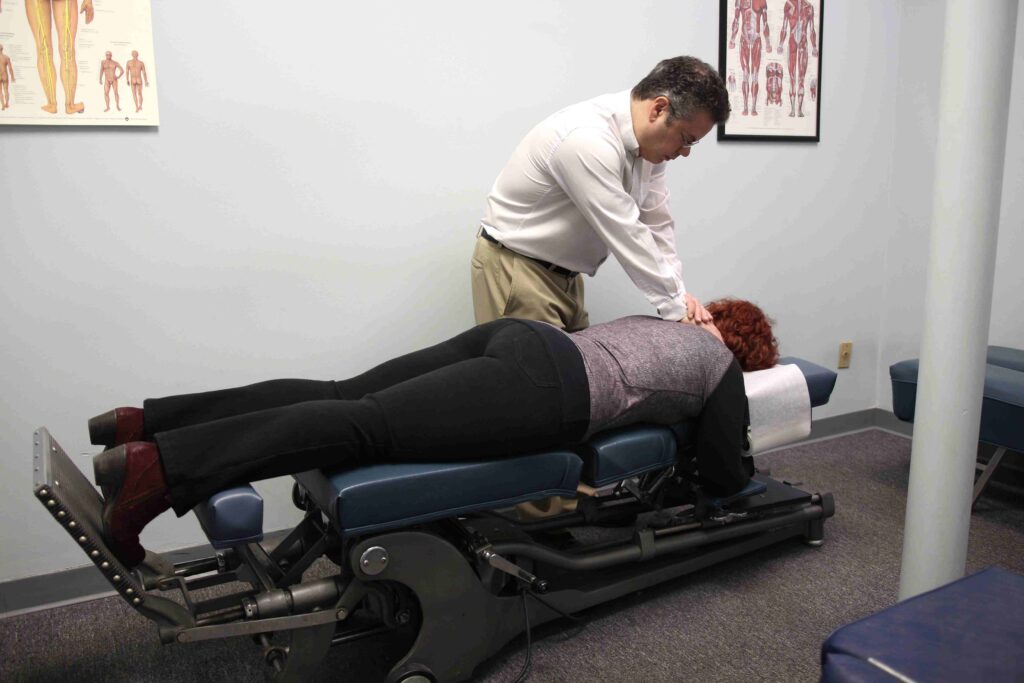
While these home techniques can be beneficial, I encourage you to consider chiropractic care as a key component of your journey toward optimal health. A chiropractor can provide personalized adjustments that improve spinal alignment, reduce tension, and promote natural healing.
If you’re curious about how chiropractic care can specifically address your neck pain and enhance your overall wellness, I invite you to reach out. Together, we can explore solutions that work best for you, helping you achieve a pain-free, healthier lifestyle.
Key Takeaways
- Regularly incorporating gentle stretching exercises, such as neck rotations and chin tucks, can greatly enhance your neck’s flexibility and help reduce tension throughout your day. These simple movements can be done anywhere and are a great complement to your chiropractic care.
- Utilizing heat therapy methods, like heating pads or warm towel compresses, can effectively relax tight muscles in the neck and improve blood circulation. This natural approach not only eases discomfort but also supports the healing process, making it a perfect addition to your wellness routine.
- Maintaining an ergonomic workspace is essential for minimizing neck strain during your daily activities. By adjusting the height of your chair and the position of your monitor, you can create a more comfortable environment that supports your spine and overall health. Remember, proper alignment is key to preventing pain and promoting wellness.
- Gentle yoga poses, such as Child’s Pose and Cat-Cow Stretch, are excellent for promoting relaxation and relieving neck discomfort. These movements can help improve your body awareness and are a wonderful way to complement the benefits you receive from chiropractic adjustments.
- Staying hydrated and following a balanced diet rich in anti-inflammatory foods is crucial for supporting muscle health and overall well-being. Nutritional choices can play a significant role in how you feel, and when paired with chiropractic care, they can help you achieve optimal health naturally.
By incorporating these simple techniques into your daily routine, you can enhance your overall well-being and support your journey toward a pain-free life. Remember, chiropractic care is a natural and effective way to address neck pain and promote lasting health.
Stretching Exercises to Ease Neck Tension
When neck tension strikes, incorporating gentle stretching exercises can provide natural relief and support your overall wellness. As a local chiropractor, I encourage you to take a few moments throughout your day to focus on these stretches, which can help ease discomfort and promote better spinal health.
Begin with a simple side tilt to relieve tightness. Gently tilt your head to one side, bringing your ear toward your shoulder. Hold this position for about 15 seconds, allowing the muscles to relax, and then switch to the other side. This stretch is an excellent way to alleviate tension and improve mobility.
Next, try a gentle neck rotation. Slowly rotate your head in a circular motion—start by moving clockwise, followed by counterclockwise. This exercise helps to loosen tight muscles and enhances your range of motion, making it an important addition to your routine.
Another effective stretch is the chin tuck. To perform this, simply pull your chin back toward your throat while keeping your shoulders relaxed. Hold for a few seconds and then release. This exercise not only alleviates tension but also strengthens your neck muscles and promotes better posture, which is crucial for spinal health.
Lastly, consider clasping your hands behind your neck and gently pushing your head back into your hands while resisting with your hands. This technique strengthens the neck muscles and enhances your posture, which can be beneficial in preventing future discomfort.
Aim to incorporate these stretches a few times a day. Consistency is key, and by making these exercises a regular part of your daily routine, you’ll likely notice a decrease in tension and discomfort.
Heat Therapy for Muscle Relaxation
After practicing those stretching exercises, incorporating heat therapy can significantly enhance muscle relaxation and alleviate neck pain.
Heat therapy is a great companion to chiropractic care, as it increases blood flow, soothes tight muscles, and promotes healing naturally—without the need for medications or invasive procedures.
Here are three effective heat therapy methods you can easily try at home:
- Heating Pad: A heating pad is a fantastic tool for muscle relief. Simply place it on your neck for 15-20 minutes. Make sure it’s set to a comfortable temperature—this will help avoid any potential burns while providing soothing warmth that relaxes the muscles.
- Warm Towel Compress: This method is simple and effective. Just soak a towel in warm water, wring it out, and apply it to your neck. If it cools down, you can easily reheat it to maintain that comforting warmth. This promotes relaxation and can complement your chiropractic adjustments.
- Hot Shower: A hot shower can work wonders! Allow warm water to flow over your neck and shoulders while you unwind. Not only does this warm up your muscles, but it also creates a soothing environment that helps relieve tension.
Incorporating heat therapy into your daily routine can make a significant difference in your journey towards neck pain relief.
Remember, regular chiropractic care is also essential for optimal health and well-being, as it addresses the root causes of pain and promotes natural healing.
Enjoy the soothing effects of heat therapy, and let your muscles unwind as you work towards a healthier, pain-free life!
Cold Compress for Inflammation Reduction
While heat therapy can provide relief for tight muscles, cold compresses play a crucial role in reducing inflammation and alleviating neck pain. When you apply a cold compress, it constricts blood vessels, which helps decrease swelling and numbs sharp pain.
For the best results, wrap ice or a cold pack in a thin cloth and gently place it on the affected area for about 15-20 minutes. You can repeat this process every couple of hours, particularly during the first 48 hours after you experience pain.
Always pay attention to how your body responds—if you notice discomfort or increased pain, be sure to remove the compress. It’s important to avoid placing ice directly on your skin to prevent frostbite. Cold therapy can be especially beneficial after a strain or injury, providing immediate relief and supporting the healing process.
Incorporating cold compresses into your routine can significantly contribute to reducing inflammation and enhancing your overall recovery.
However, remember that while these methods can be helpful, chiropractic care is the best way to address the underlying causes of your neck pain and promote long-term wellness. A chiropractor can give you personalized advice and adjustments tailored to your needs, helping to restore spinal alignment and improve your overall health.
Embracing these natural healing techniques alongside chiropractic care can lead you to a healthier, pain-free life.
Proper Ergonomics at Your Workspace
Cold compresses can offer quick relief from discomfort, but to effectively tackle neck pain, it’s essential to embrace a holistic approach that prioritizes proper ergonomics in your workspace.
A well-structured workspace not only alleviates strain on your neck but also enhances your overall comfort and well-being. Here are three key adjustments you can easily implement:
- Chair Height: Ensure your chair is adjusted so that your feet are flat on the floor and your knees are level with your hips. This foundational adjustment promotes good posture, which is vital for reducing neck strain and supporting spinal health.
- Monitor Position: Set your monitor at eye level and about an arm’s length away. This positioning helps prevent you from craning your neck or hunching your shoulders, both of which can lead to discomfort and misalignment.
- Keyboard and Mouse Placement: Keep your keyboard and mouse within easy reach, allowing your elbows to rest at a 90-degree angle. This simple adjustment minimizes tension in your neck and shoulders, making your work experience more comfortable.
By making these ergonomic changes, you can significantly relieve neck pain and enhance your productivity.
Remember, while these adjustments are helpful, they complement the benefits of chiropractic care. Regular visits to a chiropractor can help ensure your spine remains aligned, promoting natural healing and overall wellness.
Prioritizing your spinal health is one of the best choices you can make for pain relief and a healthier, more active lifestyle.
Mindfulness and Stress Reduction Techniques
Incorporating mindfulness and stress reduction techniques into your daily routine can significantly alleviate neck pain and enhance your overall well-being. As a chiropractor, I often see how stress and tension can affect spinal health, particularly in the neck area.
One effective method to release this tension is through deep breathing exercises. Set aside a few minutes each day to focus on your breath: inhale deeply through your nose, hold it for a moment, and then exhale slowly through your mouth. This practice can help ease tightness in your neck and shoulders.
Meditation is another beneficial practice to consider. Find a quiet spot in your home, close your eyes, and concentrate on your breath or a calming mantra. This not only helps reduce stress but also promotes relaxation, which is essential for maintaining a healthy spine.
Gentle yoga or stretching can also be incredibly helpful. These movements improve flexibility and release muscle tightness, which can lead to better spinal alignment. Always remember to listen to your body during these exercises; staying present will help you become more aware of any areas of discomfort.
By consistently applying these mindfulness techniques along with regular chiropractic care, you can manage neck pain more effectively while cultivating a calm and centered mindset.
Chiropractic care focuses on natural healing and optimal health, making it the best choice for pain relief and wellness. Embrace these practices, and you’ll be on your way to a healthier, more balanced life.
Foam Rollers and Massage Tools
Foam rollers and massage tools can be incredibly beneficial for relieving neck pain, but it’s important to remember that they should complement, not replace, chiropractic care.
As a chiropractor, I often see patients who experience tension and discomfort in their necks. Foam rolling can help release that tightness and improve blood flow, while targeted massage techniques can effectively address those stubborn knots.
However, the best way to achieve lasting relief and optimal health is through chiropractic adjustments. Chiropractors focus on aligning the spine and improving overall function, which can significantly reduce neck pain and enhance your well-being.
Here are some general tips to keep in mind:
- Incorporate Regular Stretching: Gentle neck stretches can help maintain flexibility and reduce tension. Simple movements like tilting your head from side to side can make a big difference.
- Stay Hydrated: Proper hydration supports muscle function and can help prevent stiffness. Aim to drink plenty of water throughout the day.
- Maintain Good Posture: Be mindful of your posture, especially if you spend long hours at a desk. Keeping your spine aligned can help prevent neck pain.
- Consult with a Chiropractor: If you’re experiencing persistent neck pain, consider a visit to a chiropractor. Professional adjustments can address underlying issues and provide a tailored plan for your recovery.
Remember, while foam rollers and massage tools can provide temporary relief, chiropractic care offers a holistic approach to managing pain and promoting long-term health.
Take charge of your well-being by prioritizing chiropractic care in your journey to a pain-free life!
Benefits of Foam Rolling
As a local chiropractor, I understand how important it’s to find effective ways to relieve neck pain and enhance overall wellness.
While foam rollers and massage tools can offer some benefits, I want to emphasize that chiropractic care is often the most effective approach for addressing pain and promoting natural healing.
Here are three key advantages of incorporating chiropractic care into your neck pain relief routine:
- Enhanced Blood Flow and Healing: Chiropractors use specific adjustments to improve circulation in the neck area. This helps deliver essential oxygen and nutrients to your muscles, promoting faster healing and recovery.
- Targeted Tension Relief: Chiropractic adjustments effectively address muscle knots and tightness by realigning the spine and improving muscle function. This not only alleviates discomfort but also enhances your range of motion, allowing you to move more freely.
- Expert Guidance: Unlike foam rollers and massage tools, chiropractic care provides personalized treatment plans based on your unique needs. A chiropractor can assess your condition, offer tailored exercises, and give you practical tips to incorporate into your daily routine for continued relief.
While foam rolling can be a helpful adjunct to your wellness journey, turning to chiropractic care is your best option for achieving long-lasting relief from neck pain and enhancing your overall health.
Effective Massage Techniques
Effective massage techniques can significantly enhance your neck pain relief routine, offering immediate comfort and relaxation. While chiropractic care is the best approach to achieving optimal health and wellness, incorporating simple massage techniques can complement your journey toward pain-free living.
One effective method is using a foam roller to target tight muscles in your neck and upper back. To do this, lie down and gently roll over the foam, focusing on any tender spots you may find. This technique helps to release tension and improve blood flow, which can support your overall spinal health.
Additionally, consider using massage tools such as handheld massagers or massage balls. These tools allow you to apply more precise pressure to specific areas. Find a sturdy surface, like a wall or the floor, position the tool against it, and lean into it to work on any knots you may feel.
Remember to take deep breaths while applying pressure; this helps your muscles relax even further.
While these techniques can provide relief, it’s important to remember that consistent chiropractic care is essential for long-lasting results. By regularly incorporating these massage techniques alongside your chiropractic adjustments, you can experience significant relief and improve your neck’s overall mobility.
Always consult with your chiropractor for personalized advice on how to best integrate these practices into your wellness routine.
Choosing the Right Tools
When it comes to finding relief from neck pain, selecting the right tools can make all the difference. While chiropractic care is the best way to address the root causes of your discomfort, there are also some supportive tools you can use at home to enhance your recovery.
Here are three essential tools to consider integrating into your routine:
- Foam Roller: A high-density foam roller is excellent for targeting tight muscles in your neck and upper back. By rolling over these areas, you can help release tension and promote blood flow, which is crucial for healing.
- Massage Ball: A small, firm massage ball is perfect for pinpointing specific knots and trigger points. Simply place the ball against a wall or on the floor and gently roll over the sore areas. This targeted pressure can help relieve discomfort and improve mobility.
- Handheld Massager: An electric handheld massager can deliver consistent pressure and vibrations, allowing you to relax sore muscles effectively in the comfort of your home. It’s a great way to enhance the benefits of your chiropractic adjustments.
While these tools can provide temporary relief, remember that regular visits to your chiropractor are essential for achieving long-term health and wellness.
Your chiropractor can help identify the underlying issues causing your neck pain and develop a personalized treatment plan that may include adjustments, exercises, and lifestyle changes.
In addition to using these tools, consider incorporating gentle stretches and posture correction exercises into your daily routine. Staying hydrated and practicing good ergonomics while working or using devices can also contribute to reducing neck strain.
Sleeping Positions for Neck Support
How can the right sleeping position alleviate neck pain? Your sleeping posture is crucial for supporting your neck’s natural alignment, which is essential for overall health.
When you sleep on your back, using a contour pillow can make a significant difference. This type of pillow cradles your neck while providing firm support, helping to maintain the natural curve of your spine.
If you’re a side sleeper, choose a thicker pillow to fill the space between your head and shoulder, ensuring your neck remains level with your spine.
It’s best to avoid sleeping on your stomach, as this can twist your neck and lead to discomfort. Instead, consider transitioning to one of the other positions that support your spine better.
Additionally, investing in a supportive mattress that promotes spinal alignment can further enhance your sleep quality.
By prioritizing your sleeping position and making these small adjustments, you can significantly reduce neck strain and wake up feeling refreshed instead of sore.
Remember, chiropractic care is an excellent option for addressing neck pain and promoting natural healing. Regular chiropractic adjustments can help maintain your spinal health, ensuring that your body functions optimally.
Embracing these simple practices can lead to lasting relief and a healthier, more vibrant life.
Hydration and Nutrition for Muscle Health
After ensuring your sleeping position supports your neck, it’s crucial to understand how hydration and nutrition influence muscle health, especially in relation to your spine and overall wellness.
Staying well-hydrated and nourishing your body with the right foods can significantly enhance your muscle function and support your chiropractic care. Here are some simple tips to keep in mind:
- Water Intake: Aim for at least eight 8-ounce glasses of water daily. Proper hydration isn’t just important for your muscles; it helps maintain the elasticity of your spinal discs and prevents stiffness, which can lead to discomfort.
- Protein-Rich Foods: Include lean meats, fish, eggs, and legumes in your meals. Protein is vital for muscle repair and growth. When your muscles are strong and healthy, they work better with your spine, providing stability and support.
- Anti-Inflammatory Foods: Incorporate fruits like berries and vegetables such as spinach and kale into your diet. These foods can help reduce inflammation and support recovery. A well-nourished body can better respond to chiropractic adjustments and maintain overall health.
By focusing on hydration and nutrition, you can complement your chiropractic care and promote your body’s natural healing processes.
Gentle Yoga Poses for Neck Relief
Gentle yoga poses can be an excellent complement to chiropractic care, helping to alleviate neck pain and enhance overall flexibility. By incorporating these movements into your daily routine, you can ease tension, promote relaxation, and support your body’s natural healing process. Here are some effective poses to try, which can work in harmony with your chiropractic treatment:
| Pose Name | Benefits |
|---|---|
| Cat-Cow Stretch | Increases spinal flexibility and reduces neck tension, making it a great warm-up. |
| Child’s Pose | Gently stretches the neck and back while promoting relaxation and grounding. |
| Neck Rolls | Helps release tightness in the neck and shoulders, which is essential for maintaining mobility. |
| Seated Forward Bend | Stretches the entire spine and helps reduce strain on the neck, encouraging better posture. |
To practice these poses, find a quiet and comfortable space where you can focus on your breath. Move mindfully through each pose, holding each position for several deep breaths. This mindful approach not only aids in relaxation but also allows your neck to gradually release tension.
In addition to these yoga practices, it’s important to remember that regular chiropractic care can significantly enhance your neck health. A chiropractor can help identify and address misalignments in your spine, which may be contributing to your discomfort. With consistent care and these gentle yoga poses, you can expect to notice a substantial reduction in neck pain and an improvement in your overall well-being.
To further support your neck health, consider these general tips:
- Maintain good posture throughout your daily activities.
- Take frequent breaks from screen time to stretch and move your neck.
- Stay hydrated to keep your muscles and joints functioning well.
Conclusion
Incorporating these home techniques into your daily routine can significantly alleviate neck pain and enhance your overall comfort. As a chiropractor, I emphasize the importance of supporting your neck health naturally. One effective way to do this is by practicing gentle stretching exercises that promote flexibility and relieve tension in the neck.
Additionally, utilizing heat and cold therapy can provide immediate relief. Heat can soothe tight muscles, while cold therapy can reduce inflammation. It’s essential to listen to your body and find what works best for you.
Maintaining proper ergonomics, especially when working at a desk or using your phone, is crucial for preventing neck strain. Ensure your workspace is set up to support good posture, which can significantly impact your neck health over time.
Don’t underestimate the benefits of gentle yoga; it can improve your mobility and reduce pain through mindful movement. Staying hydrated is also vital for muscle function, so make sure you’re drinking enough water throughout the day.
Remember, consistent care and mindfulness in your daily habits can lead to lasting relief. By prioritizing chiropractic care, you’re choosing a natural path to wellness that addresses the root cause of your pain, rather than just the symptoms. Take charge of your neck health today and enjoy a more active, pain-free lifestyle!