When you're maneuvering the path of recovery from a sports injury in Charlotte, it's crucial to understand the multifaceted approaches available to you. From innovative therapies to specialized nutritional support, the options can be overwhelming. You'll want to know which treatments truly make a difference and how to select the right professionals for your needs. As you explore these avenues, consider what role early intervention plays in your recovery process and how local resources can enhance your journey. The secrets to effective recovery might just surprise you.
Understanding Sports Injuries
Understanding sports injuries is essential for athletes at any level, as they can greatly impact performance and overall well-being. When you engage in any physical activity, the risk of injury increases, whether you're a weekend warrior or a professional athlete.
It's important to recognize that injuries can arise from various factors, including improper technique, overtraining, or inadequate warm-up. You might think of injuries as mere setbacks, but they can lead to long-term issues if not addressed promptly and correctly.
When you push your body without adequate preparation, you're more prone to strains, sprains, and even fractures. This is why understanding the mechanics of your body and how it reacts during sports is crucial.
Pay attention to the signals your body sends you. If you experience persistent pain or discomfort, don't ignore it. Instead, take it as a cue to assess your training regimen and possibly seek professional guidance.
Learning about injury prevention strategies, such as proper stretching, strength training, and rest periods, can greatly reduce your risk of injuries. Moreover, keeping your body in peak condition through nutrition and hydration plays an important role in preventing injuries.
Common Types of Sports Injuries
Recognizing the common types of sports injuries can help you stay ahead of potential setbacks. Whether you're an amateur athlete or a seasoned pro, knowing what to watch for can make a big difference in your performance and recovery.
One of the most frequent injuries is a sprain, which occurs when ligaments stretch or tear. This often happens in the ankle or knee and can lead to swelling and pain.
Next, you've got strains, where muscles or tendons get overstretched or torn. These usually affect your hamstrings or back, and they can be quite painful, making it hard to move.
Another common issue is tendonitis, which is the inflammation of a tendon. If you often experience pain in your elbow or shoulder, you might be dealing with this condition, especially if you play racket sports or throw frequently.
Fractures are also a concern; these can happen to anyone, particularly during high-impact activities like football or basketball.
Lastly, you should be aware of contusions, or bruises, caused by direct blows to the body, often seen in contact sports. They can be minor or severe, depending on the impact.
Importance of Early Intervention
Addressing sports injuries promptly can greatly impact your recovery and overall performance. When you take the time to seek help right away, you minimize the risk of further damage and speed up your healing process. Ignoring or delaying treatment can lead to chronic issues that might sideline you for far longer than necessary.
Here are a few reasons why early intervention is essential:
- Preventing Complications: Early treatment can prevent your injury from worsening, ultimately avoiding more complex and costly interventions.
- Reducing Recovery Time: The sooner you start your recovery journey, the quicker you'll be back in action, allowing you to return to your sport with confidence.
- Maintaining Performance: Addressing issues early helps you maintain your strength and flexibility, keeping your performance levels high and your skills sharp.
- Boosting Mental Well-Being: Knowing you're taking proactive steps towards recovery can alleviate anxiety and stress associated with injuries, helping you stay focused on your goals.
In Charlotte, numerous professionals specialize in sports injury treatments that can help you get back on track. The sooner you act, the more options you'll have for your recovery.
Don't let a small setback turn into a major obstacle. Prioritize early intervention, and you'll set yourself up for success both on and off the field.
Physical Therapy Approaches
Numerous physical therapy approaches can effectively aid in your recovery from sports injuries in Charlotte. When you engage in physical therapy, your therapist will likely assess your specific condition and tailor a program just for you.
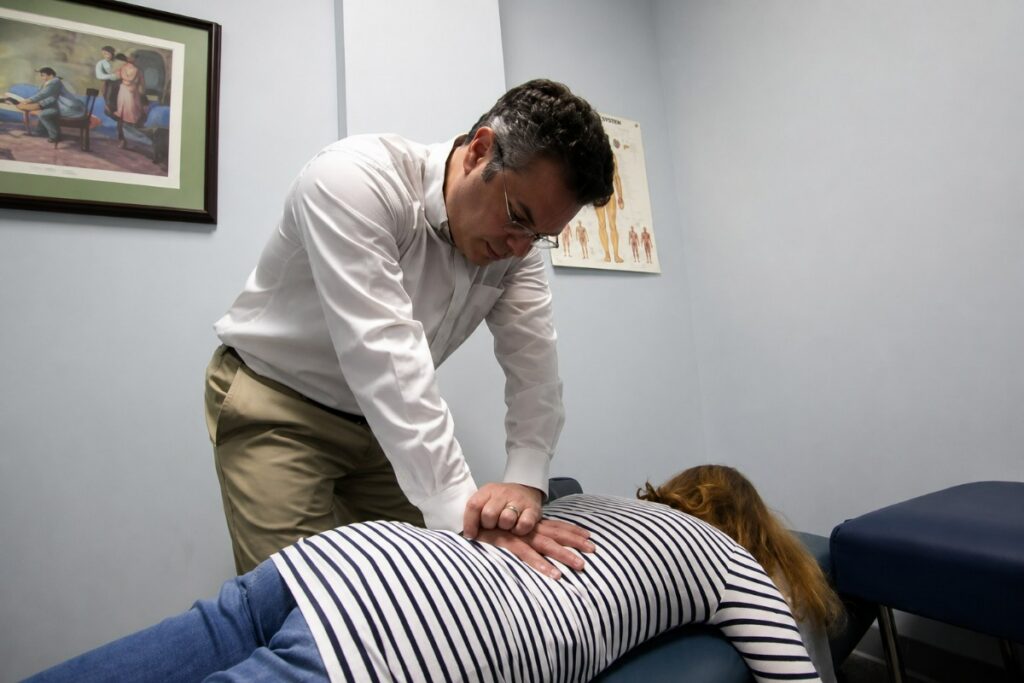
Manual therapy is one effective approach; it involves hands-on techniques to reduce pain, improve mobility, and promote healing. This method can help relieve muscle tension and enhance circulation, allowing you to regain function more quickly.
Another vital component is therapeutic exercise. You'll learn specific exercises designed to strengthen the injured area, improve flexibility, and restore your overall stability. These exercises can progress in intensity as your recovery advances, ensuring you're always challenged but not overwhelmed.
Your therapist might incorporate balance training as well, which can be significant in preventing future injuries.
Education also plays a significant role in physical therapy. You'll receive guidance on proper techniques for your sport, ensuring you understand how to avoid re-injury once you're back in the game. Additionally, modalities like ice, heat, ultrasound, or electrical stimulation may be utilized to alleviate pain and encourage healing.
As you work through these approaches, communication with your therapist is key. Don't hesitate to share any concerns or discomfort you experience during your sessions. This feedback will help your therapist adjust your treatment plan, ensuring that you're on the path to a successful recovery.
With dedication and the right physical therapy strategies, you'll be back to your favorite activities in no time.
Innovative Treatment Options
While traditional physical therapy methods lay a solid foundation for recovery, innovative treatment options are gaining popularity among athletes in Charlotte.
These cutting-edge therapies can complement your rehabilitation journey, speeding up recovery and enhancing overall performance. Many athletes are turning to these alternatives, often finding that they provide quicker relief and improved outcomes compared to conventional methods.
One such option is dry needling, where thin needles are inserted into trigger points to alleviate pain and tension in muscles.
Another popular treatment is shockwave therapy, which uses acoustic waves to promote healing in injured tissues. This non-invasive technique can reduce pain and encourage faster recovery.
You might also explore cryotherapy, a method that exposes the body to extremely cold temperatures to reduce inflammation and improve circulation.
Finally, graston technique involves specialized tools to detect and treat soft tissue restrictions, breaking down scar tissue and improving mobility.
Here's a quick summary of some innovative treatment options available:
- Dry Needling: Targets trigger points for pain relief.
- Shockwave Therapy: Uses acoustic waves to heal tissues.
- Cryotherapy: Reduces inflammation through extreme cold.
- Graston Technique: Breaks down scar tissue for better mobility.
Role of Nutrition in Recovery
Nutrition plays an essential role in your recovery from sports injuries. The foods you consume provide the necessary building blocks for healing, so it's imperative to pay attention to your diet during this time. A balanced intake of macronutrients—proteins, carbohydrates, and fats—supports tissue repair and energy replenishment.
Protein is particularly important. It helps rebuild damaged tissues and muscles, so make certain you're incorporating lean meats, fish, eggs, dairy, legumes, and nuts into your meals. Aim for a protein-rich snack or meal shortly after your injury to kickstart the healing process.
Carbohydrates are also essential, as they replenish glycogen stores depleted during physical activity. Whole grains, fruits, and vegetables provide the energy you need, along with important vitamins and minerals that support immune function and overall recovery.
Don't overlook healthy fats. Sources like avocados, olive oil, and fatty fish can reduce inflammation and support cellular repair. Omega-3 fatty acids, in particular, have been shown to promote healing and reduce swelling.
Hydration is another key factor. Staying well-hydrated guarantees that nutrients are transported effectively throughout your body. Aim to drink water consistently throughout the day, especially post-workout.
Lastly, consider supplements if your diet lacks specific nutrients. Vitamin C, D, and zinc can be beneficial for healing. Always consult with a healthcare professional before starting any new supplement regimen.
Rehabilitative Exercises to Consider
As you commence your recovery journey, incorporating rehabilitative exercises can considerably enhance your healing process.
These exercises help restore strength, flexibility, and mobility, which are vital for getting back to your favorite activities. It's important to listen to your body and only progress as you feel comfortable.
Here are some rehabilitative exercises you might consider:
- Range of Motion Exercises: Gently moving your injured joint through its full range can prevent stiffness and improve flexibility.
- Strengthening Exercises: Focus on building strength in the muscles around the injury. This might include bodyweight exercises or light resistance training, depending on your level of comfort.
- Balance and Stability Training: Incorporating balance exercises can help you regain coordination and prevent future injuries. Simple activities like standing on one leg or using a balance board can be effective.
- Low-Impact Cardio: Activities such as swimming or cycling can help maintain your cardiovascular fitness without putting too much stress on your injury.
Finding the Right Specialist
Finding the right specialist for your sports injury can greatly impact your recovery. You want someone who understands your specific needs and can tailor a treatment plan just for you. Start by looking for professionals who specialize in sports medicine or physical therapy. Their expertise can make all the difference in your healing process.
Consider their qualifications and experience. A specialist with a solid track record in treating your particular injury type will likely provide better outcomes. Don't hesitate to ask about their training and how many similar cases they've handled. You deserve someone who's not only knowledgeable but also passionate about helping athletes like you.
Check for reviews and testimonials from other patients. These can give you valuable insights into their approach and effectiveness. If possible, seek recommendations from teammates, coaches, or friends who've faced similar injuries. Personal experiences can guide you toward a trusted professional.
Once you've narrowed down your options, schedule a consultation. This initial meeting is vital for evaluating whether the specialist is a good fit for you. Pay attention to how well they listen to your concerns and how they communicate their treatment plans. You want someone who makes you feel comfortable and confident in your recovery journey.
Lastly, consider logistics like location and availability. You'll likely need multiple appointments, so choose someone whose office is convenient and whose schedule aligns with yours. Finding the right specialist is an important step toward getting back in the game.
Local Resources and Clinics
In Charlotte, a variety of local resources and clinics are available to support your recovery from sports injuries.
Whether you're dealing with a sprain, strain, or something more serious, you've got options that can help you get back in the game. It's crucial to find the right place that fits your needs, and luckily, Charlotte offers a range of facilities specializing in sports rehabilitation.
Here are some key resources to take into account:
- Physical Therapy Clinics: Many clinics focus on sports-specific rehabilitation, providing tailored treatment plans to help you regain strength and mobility.
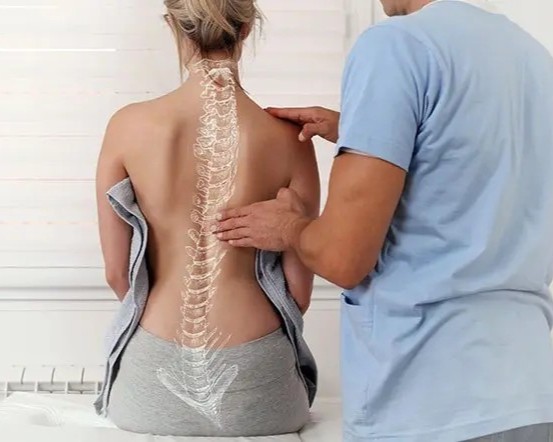
- Chiropractic Care: Chiropractors can assist with alignment issues and muscle tension, offering alternative methods for pain relief and recovery.
- Sports Medicine Centers: These centers feature a team of specialists, including orthopedic surgeons and athletic trainers, ready to address your injury thoroughly.
- Fitness and Recovery Gyms: Some gyms offer specialized classes focused on rehabilitation exercises, allowing you to rebuild strength in a supportive environment.
Conclusion
In Charlotte, recovering from sports injuries is all about combining the right treatments with expert care. By understanding your injury, seeking early intervention, and incorporating innovative therapies alongside physical therapy, you'll set yourself up for a quicker recovery. Don't forget the importance of nutrition and tailored exercises in your rehabilitation plan. With the right specialist by your side, you'll be back to peak performance before you know it. Embrace the journey to recovery and reclaim your athletic edge!