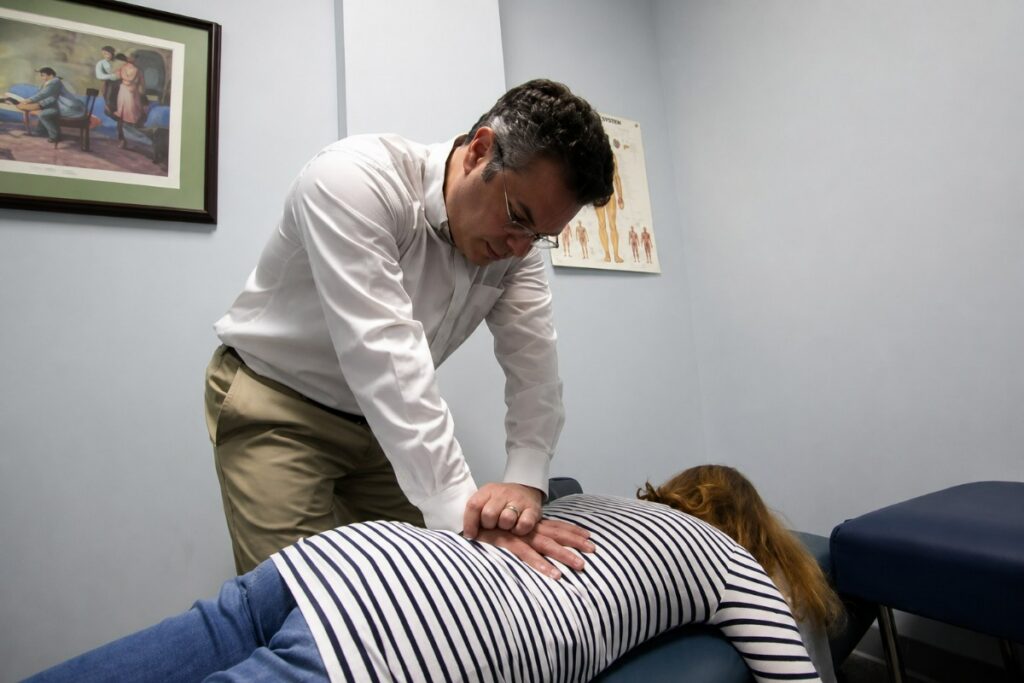

When you experience a sports injury, it’s important to explore options beyond conventional treatments. As a local chiropractor, I want to emphasize how natural healing methods can significantly aid in your recovery. By focusing on proper nutrition, utilizing herbal remedies, and practicing mindfulness, you can enhance your body’s ability to heal itself.
In addition to these approaches, there are specific strategies that can help you regain peak performance without solely relying on traditional medicine. Chiropractic care can be an essential part of this process, as it addresses misalignments in the spine and joints that may be contributing to your pain or limiting your mobility. By incorporating gentle adjustments, we can improve your overall function and support the healing process.
I encourage you to consider a holistic approach to your recovery. This may include tailored exercise programs, nutrition advice, and stress management techniques that work in harmony with chiropractic care. Together, we can create a comprehensive plan that promotes healing and helps you get back to doing what you love.
Understanding Sports Injuries: Types and Causes
As a local chiropractor, I often see athletes of all skill levels dealing with sports injuries, which can be quite frustrating.
These injuries generally fall into two main categories: acute and chronic. Acute injuries occur suddenly, typically due to a specific incident such as a fall, collision, or overexertion. Common examples include sprains, fractures, and strains.
Conversely, chronic injuries develop gradually over time, usually as a result of repetitive stress or improper technique. Conditions like tendonitis and stress fractures are often indicative of this ongoing wear and tear.
Understanding the causes of these injuries is crucial for prevention and recovery. Factors such as inadequate warm-up routines, poor conditioning, and using improper equipment can significantly increase your risk.
Additionally, overtraining or ignoring the warning signals your body sends can lead to injuries. As a chiropractor, I encourage you to recognize these types and causes to take proactive measures for your health.
By being mindful of your body and adopting good practices, you can greatly reduce your chances of injury.
Incorporating chiropractic care can also support your body’s natural healing processes, helping you stay healthy and perform at your best in your chosen sport.
Together, we can work towards keeping your game strong and injury-free.
The Role of Nutrition in Recovery
As a local chiropractor, I want to emphasize the significant role that nutrition plays in your recovery process. Often, people overlook how what they eat can greatly influence their healing from sports injuries. Proper nutrition provides the essential building blocks your body needs to repair tissues and reduce inflammation effectively.
It’s important to focus on a balanced diet that includes lean proteins, healthy fats, and whole grains. Foods like chicken, fish, and legumes are excellent sources of protein that help rebuild damaged tissues. Additionally, incorporating healthy fats from sources like avocados and nuts can support your cellular health and overall recovery.
Don’t underestimate the power of vitamins and minerals! Including a variety of fruits and vegetables in your diet is crucial for boosting your immune system and promoting healing. For instance, vitamin C found in citrus fruits is vital for collagen production, which is essential for tissue repair.
Lastly, hydration shouldn’t be overlooked. Drinking enough water is key, as it aids in transporting nutrients throughout your body and supports various recovery processes.
Herbal Remedies for Pain Relief
As a local chiropractor, I want to share with you how herbal remedies can significantly assist in managing pain, especially when it comes to sports injuries. Many of my patients are unaware of the powerful benefits that natural options provide.
In our practice, we often integrate herbal pain relievers alongside traditional chiropractic care to enhance recovery and promote healing.
I encourage you to explore some of the most effective herbal remedies available and learn the best ways to apply them for maximum benefits.
These natural solutions can play a crucial role in your recovery process, complementing the adjustments and therapies we provide in our office.
Together, we can create a holistic approach to pain relief that supports your overall wellness.
Top Herbal Pain Relievers
As a local chiropractor, I often encourage my patients to consider natural ways to manage pain alongside their chiropractic treatments. One powerful herbal remedy you might want to explore is turmeric. Its active compound, curcumin, is well-known for its strong anti-inflammatory properties, making it a fantastic option for reducing pain.
Another excellent herb is ginger; it can help alleviate muscle soreness and joint pain, which many of my patients experience. There’s also willow bark, sometimes called “nature’s aspirin,” which has been used for centuries to help with pain relief. If you’re dealing with back pain or arthritis, devil’s claw could be beneficial for you.
Topical options like arnica are also worth considering. It’s commonly used to reduce bruising and swelling, and many find it effective for muscle and joint discomfort.
Lastly, cayenne pepper, thanks to its active ingredient capsaicin, can provide significant relief by blocking pain signals.
Incorporating these herbal remedies into your daily routine could complement your chiropractic care and help you manage pain more effectively. Always feel free to discuss these options with me during your next visit!
Application Techniques Explained
As a chiropractor, I want to help you understand how to effectively use herbal remedies to enhance your healing process and relieve pain.
It’s important to start with a clean area where you’re feeling discomfort. For topical treatments, such as arnica or willow bark, I recommend gently massaging a small amount into your skin. This not only helps the herbs penetrate deeper but also promotes better circulation, which is essential for healing.
If you’re considering herbal teas or tinctures, be sure to follow the recommended dosages. This will help you get the most benefit from these natural remedies. After taking an internal remedy, allow at least 30 minutes for your body to absorb it before engaging in any activities.
It’s also crucial to pay attention to how your body responds. If you experience any ongoing discomfort, please reach out to a healthcare professional.
By using the right application techniques with herbal remedies, you can discover how powerful these natural allies can be in supporting your recovery journey.
The Benefits of Physical Therapy
Chiropractic care provides a holistic approach to healing that goes beyond simply alleviating pain; it aims to restore function and enhance overall physical health. When you participate in a customized chiropractic program, you’re not just addressing the symptoms of your discomfort, but you’re also targeting the underlying issues contributing to your condition.
Your chiropractor will guide you through specific adjustments and exercises designed to improve your flexibility, balance, and coordination, all of which are vital for returning to your favorite activities.
Additionally, chiropractic care helps you build confidence in your body’s abilities. By focusing on gradual, sustainable progress, you’ll notice significant improvements not only in your physical performance but also in your overall well-being.
Furthermore, chiropractors emphasize education on injury prevention, equipping you with the knowledge to avoid future problems. You’ll learn proper techniques and body mechanics that will allow you to engage in sports and daily activities safely and effectively.
In essence, choosing chiropractic care not only accelerates your recovery but also empowers you with essential tools for a healthier, stronger future. Embrace the benefits of natural healing and take control of your health today!
Mindfulness and Mental Resilience
Recovering from sports injuries involves more than just physical treatments; mental resilience is crucial in the healing process. As a local chiropractor, I often see athletes who feel frustrated or discouraged when they’re sidelined. This is where the practice of mindfulness can make a significant difference in your recovery journey.
By staying present and focused on the moment, you can reduce anxiety and foster a more positive mindset.
Visualization is a powerful tool. Picture your progress and set achievable goals for yourself. It’s essential to celebrate small victories along the way, whether that’s regaining strength or improving flexibility.
Don’t underestimate the value of your support system—coaches, teammates, and friends can play a vital role in lifting your spirits and reminding you that setbacks are part of the journey.
Incorporating mindfulness techniques, such as meditation or deep breathing exercises, into your daily routine can enhance your mental resilience and support your overall well-being.
These practices not only help you cope with the mental aspects of recovery but can also complement the chiropractic care you receive.
Essential Oils for Healing
As a local chiropractor, I often encourage my patients to explore various natural methods for healing, including the use of essential oils. These powerful plant extracts can be quite beneficial when it comes to recovering from sports injuries.
For example, lavender oil is well-known for its soothing properties, which can help alleviate pain and reduce inflammation. Peppermint oil is another great option; it can stimulate circulation and provide a refreshing cooling sensation to those sore muscles.
When using essential oils, it’s important to dilute them with a carrier oil, such as coconut or jojoba oil, before applying them to the injured area. A gentle massage during application can’t only enhance absorption but also promote relaxation, which is essential for healing.
Additionally, I recommend considering tea tree oil for its antiseptic properties, particularly if you have any cuts or abrasions that need attention.
Incorporating essential oils into your recovery routine can significantly enhance your healing process. They not only aid in physical recovery but also support your overall well-being, helping you return to your activities quicker and healthier.
As your chiropractor, I’m here to guide you on how to effectively integrate these natural remedies into your care plan for optimal results.
The Importance of Rest and Sleep
As a local chiropractor dedicated to your well-being, I understand that after experiencing a sports injury, the urge to get back into your usual routine can be overwhelming. However, I can’t stress enough the importance of prioritizing rest and sleep during your recovery process. Your body requires this crucial time to heal, and proper rest allows it to effectively repair damaged tissues and reduce inflammation. Neglecting to get enough sleep can hinder your healing, potentially extending your recovery period.
Here are some key benefits of rest and sleep that I want you to consider:
- Tissue Repair: Sleep is vital for your body’s natural healing processes. It aids in cell regeneration, helping you recover more efficiently from your injury.
- Reduced Pain: Quality rest can significantly lower your perception of pain, making it more manageable as you navigate your recovery journey.
- Mental Clarity: Adequate sleep enhances your focus and decision-making abilities, ensuring that when you do return to your sport, you’re mentally sharp and ready.
I encourage you to embrace rest and prioritize restorative sleep. Your body will thank you, and with a well-rounded approach to recovery, you’ll be back on the field sooner than you think!
Homeopathic Treatments to Consider
As your local chiropractor, I’m here to help you understand how you can enhance your recovery from sports injuries through natural healing methods, including homeopathic treatments.
Prioritizing rest and sleep is essential, but adding homeopathic remedies can further support your body’s natural healing processes.
One popular option is arnica montana, which is widely recognized for its ability to reduce bruising and swelling. If you’re experiencing muscle soreness, rhus toxicodendron may help alleviate stiffness and discomfort. For those dealing with nerve pain, hypericum perforatum is another effective choice. If inflammation is an issue, belladonna can help relieve swelling and throbbing sensations.
It’s important to consult with a homeopathic practitioner who can provide personalized recommendations based on your specific injury and symptoms.
These remedies can be effectively integrated into your overall wellness routine. Staying well-hydrated and maintaining a balanced diet can enhance the effectiveness of these treatments.
By incorporating these homeopathic options into your recovery plan, you can support your healing journey and get back to your active lifestyle more quickly.
Incorporating Stretching and Mobility Exercises
As your local chiropractor, I want to emphasize the importance of incorporating stretching and mobility exercises into your recovery routine. Many patients may not realize how these simple movements can significantly enhance your healing process.
Stretching and mobility exercises not only improve your flexibility but also play a crucial role in restoring your range of motion, which is essential after an injury.
Here are some key benefits to consider:
- Increased Flexibility: Regular stretching can help lengthen tight muscles, which can lead to a quicker recovery. This is especially important as your body works to heal itself.
- Improved Range of Motion: Engaging in mobility exercises helps maintain joint function, making everyday activities easier and more comfortable.
- Pain Relief: Gentle stretching can relieve tension and discomfort, allowing you to feel more at ease as you navigate your recovery journey.
I encourage you to make stretching and mobility exercises a regular part of your routine. By doing so, you’re not only supporting your recovery but also preparing yourself for a smooth return to your favorite activities.
This commitment will help you regain both confidence and performance in your physical pursuits. Remember, natural healing is a holistic process, and taking these steps can make a significant difference in your overall well-being.
Building a Holistic Recovery Plan
As a local chiropractor, I want to emphasize the importance of building a holistic recovery plan for effective healing.
Incorporating nutrition strategies and mind-body connection techniques can significantly enhance your recovery process and support your overall well-being. Let’s take a closer look at how these elements work together to help you bounce back stronger.
Nutrition plays a vital role in your healing journey. By choosing the right foods, you can provide your body with the essential nutrients it needs to repair and regenerate.
I can help guide you in creating a balanced diet that supports your specific health goals.
Additionally, understanding the mind-body connection is crucial. Techniques such as mindfulness and stress management can improve your mental state, which in turn can influence your physical health.
By integrating these practices into your recovery plan, you can foster a deeper healing experience.
Together, we can create a tailored holistic recovery plan that addresses both your physical and emotional needs, helping you achieve optimal health and well-being.
Incorporating Nutrition Strategies
As a local chiropractor, I want to emphasize the crucial role that nutrition plays in your recovery from sports injuries. Many people may not realize how the right foods can significantly enhance your healing process by providing essential nutrients that promote recovery and reduce inflammation.
Here are some nutrition strategies I recommend incorporating into your diet:
- Protein-Rich Foods: These are vital for repairing tissues. Lean meats, fish, beans, and nuts are excellent sources. Including them in your meals can help your body rebuild and recover effectively.
- Omega-3 Fatty Acids: These healthy fats are found in fatty fish like salmon and in flaxseeds. They’re known for their anti-inflammatory properties, which can be beneficial in reducing pain and swelling associated with injuries.
- Antioxidant-Rich Fruits and Vegetables: Foods such as berries, spinach, and broccoli are packed with antioxidants that support your overall health. They help combat oxidative stress and can accelerate your recovery.
By focusing on these nutritional strategies, you can complement the chiropractic care you receive and enhance your body’s natural healing abilities.
Mind-Body Connection Techniques
As a local chiropractor, I want to emphasize the importance of the mind-body connection in your recovery journey after a sports injury. While physical rehabilitation is crucial, understanding how your mental state influences healing can make a significant difference.
Techniques such as mindfulness meditation can help reduce stress and enhance your focus on recovery. By practicing visualization exercises, you can mentally picture your body healing, which can boost your confidence and motivation to get back to your favorite activities.
Incorporating deep-breathing practices is also beneficial; it calms your nervous system and promotes relaxation, which can lead to pain relief. Additionally, gentle yoga or stretching not only improves your flexibility but also strengthens the connection between your mind and body.
By integrating these mind-body techniques into your recovery plan, you’ll not only enhance your healing process but also make your return to sports smoother and more effective.
Conclusion
As your local chiropractor, I want to share how embracing natural healing methods can truly revitalize your game and help you recover from sports injuries more effectively. It all starts with a balanced diet, which provides your body with the essential nutrients needed for healing. I encourage you to explore herbal remedies, as they can complement your recovery process.
Physical therapy is another crucial aspect of your healing journey. It helps restore function and strength to injured areas, while mindfulness techniques can aid in managing stress and promoting overall well-being. Don’t forget that rest and quality sleep are vital for your body’s recovery.
Incorporating stretching exercises into your routine can enhance your flexibility and boost your confidence in your physical abilities. By following a holistic recovery plan that’s tailored to your specific needs, you’ll be well on your way to achieving peak performance again. Stay committed to this process, and your body will certainly thank you! Let’s work together to ensure a safe and effective recovery.