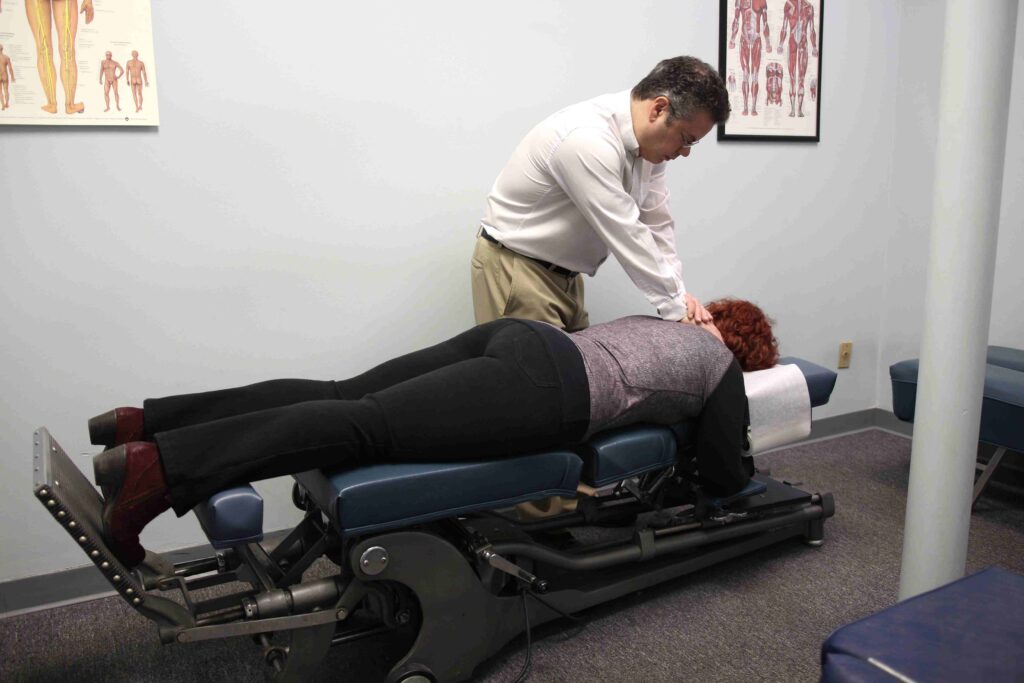

If you’re dealing with cervical pain, it’s important to know that there are effective adjustments you can make to find relief. As a chiropractor, I believe that chiropractic care is one of the best ways to alleviate discomfort and promote natural healing. Research supports the benefits of chiropractic adjustments, alongside making ergonomic improvements in your daily life.
Simple changes in your workspace can significantly impact how you feel. For example, ensure your computer screen is at eye level to reduce strain on your neck. Use a chair that supports your lower back to maintain good posture. Additionally, remember to take breaks to stretch and change positions throughout your day—this can help prevent stiffness and tension.
Chiropractic care focuses on aligning your spine and optimizing your overall health. Regular adjustments can help reduce pain, improve mobility, and enhance your body’s ability to heal naturally. If you haven’t already, consider visiting a chiropractor to discuss how personalized adjustments can benefit you.
To help manage your cervical health on your own, here are a few tips:
- Posture Check: Always be mindful of your posture whether sitting, standing, or even using your phone. Keep your head aligned over your shoulders.
- Stretching: Incorporate gentle neck stretches into your daily routine. This can help relieve tightness and improve flexibility.
- Stay Active: Engage in regular physical activity. Simple exercises like walking can strengthen your muscles and support your spine.
- Hydration: Drink plenty of water. Staying hydrated is crucial for maintaining the elasticity of spinal discs.
- Sleep Position: Pay attention to your sleep position. Use a supportive pillow that keeps your neck aligned with your spine.
By focusing on these adjustments and embracing chiropractic care, you can take significant steps toward a pain-free life and optimal health. Remember, you don’t have to suffer in silence—natural relief is within your reach!
Key Takeaways
- Making ergonomic adjustments in your workspace, such as setting your monitor at eye level and using supportive chairs, can greatly reduce strain on your neck and improve your posture. This is essential for anyone who spends long hours at a desk.
- Incorporating regular stretching and strengthening exercises into your daily routine can enhance the flexibility of your neck muscles. This not only helps in relieving pain but also plays a vital role in preventing future discomfort.
- Chiropractic care is a fantastic option for those seeking to improve their spinal alignment. With personalized treatment plans, chiropractors focus on promoting natural healing, which can lead to long-term cervical health and overall well-being.
- Paying attention to your sleep posture and choosing the right pillow are key factors in maintaining proper neck alignment. A good night’s sleep is crucial for reducing discomfort and ensuring you wake up pain-free.
- Staying aware of your body mechanics throughout the day and taking regular breaks can significantly help in preventing cervical pain. Simple habits like standing up, stretching, or changing your position can contribute to better spinal health.
By prioritizing chiropractic care and making these small adjustments in your daily life, you can achieve optimal health and wellness naturally.
Understanding Cervical Pain: Causes and Symptoms
When you experience cervical pain, it can arise from various causes, but one of the most common culprits is poor posture. Spending long hours at a desk or frequently looking down at your phone can lead to muscle strain and discomfort. Additionally, sleeping in an awkward position can leave your neck feeling stiff and sore.
Injuries, such as whiplash from a car accident, can also contribute to cervical pain, as can conditions like herniated discs or cervical spondylosis, which may lead to nerve compression and inflammation.
Symptoms of cervical pain often include sharp or dull aching in your neck, stiffness, headaches, and sometimes pain radiating down into your shoulders or arms. You may also find it difficult to move your neck, which can interfere with your daily activities.
At this point, it’s essential to consider how chiropractic care can help you manage and alleviate your cervical pain naturally. Chiropractors specialize in identifying the root causes of neck discomfort and using hands-on techniques to restore proper alignment to your spine. This approach not only helps relieve pain but also promotes overall wellness.
To support your neck health, here are some simple tips you can incorporate into your daily routine:
- Maintain Good Posture: Be mindful of your posture whether you’re sitting, standing, or using your phone. Keep your back straight and shoulders relaxed.
- Take Breaks: If you work at a desk, make sure to take regular breaks. Stand up, stretch, and move around to reduce muscle tension.
- Sleep Smart: Invest in a supportive pillow that keeps your neck aligned with your spine while you sleep. Avoid sleeping on your stomach, as this can strain your neck.
- Stay Active: Engage in regular physical activity to strengthen your neck and shoulder muscles. Gentle exercises like neck stretches can also help maintain flexibility.
- Consider Chiropractic Care: Regular visits to a chiropractor can help keep your spine aligned and address any issues that may be causing your cervical pain.
The Role of Physical Therapy in Cervical Pain Management
Chiropractic care plays a vital role in managing cervical pain by focusing on aligning the spine and enhancing overall body function. Unlike other methods, chiropractic adjustments aim to correct misalignments in the cervical spine, which can alleviate pain and improve mobility.
When you visit a chiropractor, they’ll assess your specific condition and create a personalized treatment plan that may include spinal adjustments, exercises, and lifestyle recommendations.
One of the key benefits of chiropractic care is that it promotes natural healing. By restoring proper alignment, you can reduce tension in the muscles surrounding your neck and improve blood flow, which helps your body heal itself.
Additionally, your chiropractor will teach you about proper posture and ergonomic practices, which are essential for preventing future cervical pain.
Incorporating simple habits into your daily routine can also make a big difference. Make sure to take regular breaks if you’re working at a desk for long periods, perform neck stretches, and maintain a supportive sleeping position.
Staying active with gentle exercises can strengthen your neck and shoulder muscles, further supporting your spine.
Remember, consistency is crucial in your journey to relief. By committing to regular chiropractic visits and following your chiropractor’s advice, you can significantly improve your cervical health and enjoy a more comfortable, active lifestyle.
Embracing chiropractic care is a powerful step toward achieving optimal health and wellness.
Ergonomic Adjustments for Daily Activities
Addressing cervical pain goes beyond just chiropractic care; incorporating ergonomic adjustments into your daily routine is essential for achieving lasting relief and overall wellness.
As your local chiropractor, I want to guide you in making simple changes that can significantly enhance your comfort and health.
Start by evaluating your workspace. Position your monitor at eye level to prevent straining your neck while you work. It’s also important to choose a chair that provides support for your lower back, allowing you to keep your feet flat on the ground.
If you frequently talk on the phone, consider using a headset. This will help you avoid the common habit of cradling the phone between your shoulder and ear, which can lead to more strain on your neck.
When lifting objects, always remember to bend at your knees while keeping your back straight. This technique helps reduce strain not only on your back but also on your neck.
While driving, ensure your seat is adjusted so you can comfortably reach the steering wheel without leaning forward.
Lastly, make it a habit to take regular breaks throughout your day. Use these moments to stretch and readjust your posture.
These small, mindful changes can make a world of difference in alleviating cervical pain and enhancing your quality of life.
Prioritizing your ergonomics isn’t just about comfort; it’s about investing in your health.
By making these adjustments and continuing with your chiropractic care, you’ll be on the path to optimal health and natural wellness.
Lifestyle Changes to Alleviate Cervical Discomfort
To alleviate cervical discomfort, making some key lifestyle changes can be incredibly beneficial. As a chiropractor, I want to emphasize the importance of setting up an ergonomic workspace to support your neck health. This means arranging your desk, chair, and computer screen in a way that promotes good posture and reduces strain on your neck.
Incorporating stretching and strengthening exercises into your daily routine is another excellent way to improve your neck health. Simple stretches can help relieve tension, while strengthening exercises can support your muscles and spine. Remember, a healthy spine is essential for overall well-being!
Consider visiting your chiropractor for personalized advice and adjustments that can enhance your healing journey. Chiropractic care isn’t just about pain relief; it’s about achieving optimal health naturally. With the right guidance, you can manage discomfort effectively and enjoy a healthier, more vibrant life.
Here are some general tips to get started:
- Use a chair that supports your lower back and keeps your neck aligned with your spine.
- Take regular breaks to stretch and move around, especially if you work at a desk for long periods.
- Practice good posture by keeping your shoulders back and your head aligned with your spine while sitting or standing.
- Incorporate gentle neck stretches into your routine to relieve tension and improve flexibility.
Ergonomic Workspace Setup
Creating an ergonomic workspace is essential for maintaining spinal health and reducing cervical discomfort, especially if you spend long hours at a desk. By making a few simple adjustments, you can enhance your comfort and promote better posture, which is crucial for overall wellness. As a chiropractor, I believe that a well-designed workspace can help prevent pain and support your body’s natural healing processes.
Start by ensuring your chair and desk height are properly adjusted. Your feet should be flat on the ground, and your knees should form a 90-degree angle. This position helps keep your spine aligned and reduces strain on your neck and back. Your monitor should be positioned at eye level, allowing you to maintain a relaxed neck without straining.
Here’s a straightforward table to guide you in setting up your workspace for optimal health:
| Element | Ideal Position | Adjustment Tips |
|---|---|---|
| Chair Height | Feet flat on the floor | Consider using a footrest if needed to maintain proper posture |
| Monitor Level | Eye level | Use a monitor stand to achieve the right height |
| Keyboard Height | Elbows at 90 degrees | Keep your wrists straight and relaxed while typing |
These simple adjustments can significantly improve your comfort and overall well-being. Remember, by prioritizing your ergonomic setup, you are not only preventing discomfort but also supporting your body’s natural alignment and function.
If you experience ongoing pain or discomfort, consider visiting a chiropractor. Chiropractic care focuses on the health of your spine and can provide natural relief while promoting better posture and wellness. Prioritize your spinal health today for a happier, healthier tomorrow!
Stretching and Strengthening Exercises
Incorporating just a few targeted stretching and strengthening exercises into your daily routine can significantly alleviate cervical discomfort and support your overall spinal health.
Start with gentle neck stretches—simply tilt your head side to side and look up and down. These movements enhance flexibility and help relieve tension that can build up in your neck.
Strengthening your upper back and shoulder muscles is equally essential for maintaining a healthy spine. Consider adding seated rows using resistance bands or light weights to your regimen. These exercises not only build strength but also encourage better posture, which is crucial for reducing strain on your neck.
Aim for consistency in your routine—just 10 to 15 minutes each day can lead to noticeable improvements in how you feel. Remember, it’s essential to listen to your body; if any exercise causes pain, stop immediately and consider consulting a chiropractor. They can guide you in creating a tailored plan that suits your needs and helps you achieve optimal health naturally.
In addition to these exercises, here are some general tips to enhance your well-being:
- Maintain good posture throughout your day, whether sitting or standing.
- Take regular breaks if you’re working at a desk or using your phone.
- Stay hydrated to keep your muscles and joints functioning well.
- Consider regular chiropractic adjustments to support your spinal health and overall wellness.
Embrace these practices, and you’ll be on your way to a healthier, more comfortable life without the need for medications or invasive procedures. Your spine will thank you!
The Importance of Proper Sleep Posture
Your sleep posture plays a crucial role in preventing cervical pain and promoting overall spinal health. As a local chiropractor, I want to emphasize how choosing the right pillow and being mindful of your sleep position can significantly impact how you feel when you wake up.
Let’s dive into how these factors contribute to better neck health and overall wellness.
First, consider the alignment of your spine while you sleep. A supportive pillow that keeps your neck in a neutral position can help maintain the natural curve of your cervical spine. If you’re a side sleeper, a firmer, thicker pillow is often best to fill the space between your head and the mattress, ensuring your neck stays aligned with your spine.
For back sleepers, a thinner pillow is typically ideal, as it prevents your head from being pushed too far forward.
Additionally, be mindful of your sleep position. Sleeping on your stomach can strain your neck and spine, so if you’re able to, try transitioning to your back or side. This simple change can make a world of difference in reducing discomfort and promoting better spinal health.
Incorporating these tips into your nightly routine can enhance your sleep quality and support your journey toward natural healing and wellness.
Ideal Pillow Selection
Choosing the right pillow can truly transform your sleep experience and significantly alleviate cervical pain. As a chiropractor, I can’t stress enough how essential it’s to maintain proper neck alignment while you sleep. A pillow that’s either too high or too flat can put unnecessary strain on your cervical spine, leading to discomfort and pain.
To support your neck and spine effectively, opt for a medium-firm pillow that conforms to the natural shape of your neck and head. Memory foam and latex pillows are excellent choices since they contour to your individual shape, providing the necessary support while keeping your spine aligned.
If you tend to sleep on your back, consider using a contour pillow designed to cradle your neck. This shape helps maintain the natural curvature of your spine, which is essential for a restful night. For side sleepers, a thicker pillow can help fill the gap between your neck and shoulder, promoting better alignment and reducing strain.
Remember, investing in the right pillow can lead to improved sleep quality and a reduction in cervical pain. However, if you’re still experiencing discomfort, I encourage you to seek chiropractic care. A chiropractor can help identify the root cause of your pain and provide natural healing solutions tailored to your needs.
In addition to selecting the right pillow, here are a few general tips to enhance your sleep and overall wellness:
- Maintain a Sleep Routine: Try to go to bed and wake up at the same time every day to help regulate your body’s internal clock.
- Stay Hydrated: Drink plenty of water throughout the day, but limit intake right before bed to avoid disruptions during the night.
- Practice Relaxation Techniques: Engaging in gentle stretches or breathing exercises before bed can help relax your muscles and prepare your body for sleep.
- Create a Comfortable Sleep Environment: Keep your bedroom cool, dark, and quiet to promote better sleep quality.
Sleep Position Considerations
What if the way you sleep could significantly influence your cervical pain? Your sleep position is crucial for how your neck feels when you wake up. As a chiropractor, I want to share how you can improve your sleep posture to alleviate discomfort and enhance your overall wellness.
If you sleep on your back, it’s essential to use a supportive pillow that helps maintain the natural curve of your neck. This support encourages proper alignment of your spine, which is vital for reducing pain.
For those who prefer sleeping on their side, a firmer pillow can help fill the gap between your head and shoulders, keeping your spine aligned and reducing strain on your neck.
It’s important to avoid sleeping on your stomach, as this position can twist your neck and lead to discomfort. Instead, aim for a position that keeps your head, neck, and spine in a straight line. This alignment is key in preventing cervical pain and ensuring you wake up feeling refreshed and ready to take on the day.
In addition to adjusting your sleep posture, consider visiting your local chiropractor. Chiropractic care can help address spinal alignment issues and improve your overall health. By focusing on maintaining a healthy spine, you can experience natural pain relief and enjoy a better quality of life.
Mindfulness and Stress Reduction Techniques
Managing cervical pain can indeed be a challenge, but incorporating mindfulness and stress reduction techniques into your daily routine can significantly improve your overall well-being and complement your chiropractic care. Practicing mindfulness enables you to stay present and focused, which can help lessen the perception of pain. Set aside a few minutes each day for deep breathing exercises to connect with your body and promote relaxation.
In addition to mindfulness, consider integrating gentle practices like yoga and meditation into your routine. These activities not only help to release tension in the neck and shoulders but also enhance your body’s response to pain. Chiropractic adjustments, combined with these practices, can lead to even greater relief.
You might also find progressive muscle relaxation beneficial. This technique involves tensing and then relaxing various muscle groups, which can help alleviate built-up stress and tension—key contributors to cervical pain.
Don’t forget the importance of gratitude. Taking a few moments each day to reflect on the positive aspects of your life can shift your mindset and reduce stress levels.
When to Seek Professional Help for Cervical Pain
When should you consider seeking professional help for cervical pain? If your pain lingers for more than a few days or worsens despite self-care measures like gentle stretches and proper posture, it may be time to consult with a chiropractor. Our goal is to help you find relief through natural methods that promote healing and restore your body’s balance.
If you’re experiencing numbness, tingling, or weakness in your arms or hands, don’t hesitate to reach out. These symptoms could indicate a more serious issue that chiropractic care can effectively address. We utilize techniques that focus on spinal alignment and nerve function, helping you regain strength and mobility.
Should your cervical pain interfere with daily activities or disrupt your sleep, a visit to a chiropractor can provide the guidance and care you need to get back on track. Our holistic approach not only targets pain relief but also aims to improve your overall wellness.
It’s important to pay attention to any additional symptoms you may experience, such as fever, severe headache, or unexpected weight loss. While these could indicate other health concerns, a chiropractor can help assess your condition and provide supportive care tailored to your needs.
Remember, maintaining a healthy spine is key to preventing cervical pain. Incorporate regular stretching, maintain good posture, and stay active to promote a healthier lifestyle.
Chiropractic care is here to support you on your journey to optimal health and wellness—naturally.
Conclusion
Managing cervical pain is best approached through a comprehensive strategy that emphasizes the importance of chiropractic care, ergonomic adjustments, and healthy lifestyle choices. As a chiropractor, I believe that creating a supportive workspace, maintaining good posture, and engaging in regular exercise can significantly reduce discomfort in your neck and shoulders.
Start by assessing your workspace. Ensure that your chair and desk are at the right height to promote good posture. This simple adjustment can prevent strain on your cervical spine. Additionally, remember to be mindful of your posture throughout the day – sit up straight, and avoid slouching to keep your spine aligned.
It’s also crucial to pay attention to your sleep habits. Use a supportive pillow that keeps your neck in a neutral position, and try to sleep on your back or side rather than your stomach, which can put unnecessary pressure on your cervical spine.
Incorporating stretching and strengthening exercises into your routine can also help. Gentle neck stretches can alleviate tightness, while strengthening exercises for your upper back can provide better support for your cervical spine.
If you find that your pain persists despite these efforts, I encourage you to seek chiropractic care. A trained chiropractor can assess your spine, provide tailored adjustments, and offer personalized guidance on maintaining optimal spinal health. Chiropractic care not only helps relieve current discomfort but also promotes long-term wellness, enabling you to live a more active and fulfilling life.
By taking these proactive steps and considering chiropractic care as part of your health journey, you can achieve lasting relief from cervical pain and enhance your overall well-being. Remember, your spine is the foundation of your health—take good care of it!