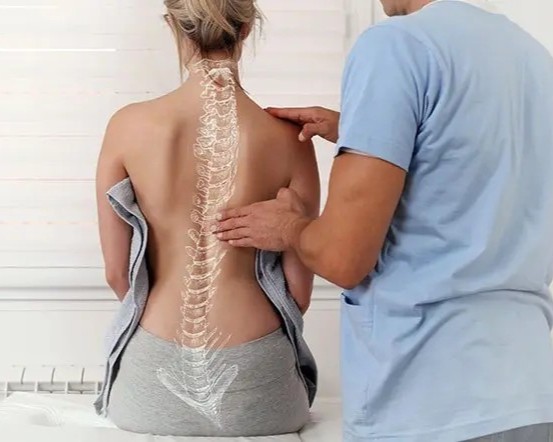

If you're dealing with lower back disc pain in Charlotte, you know how it can impact your daily life. You've likely tried various remedies, but finding the right approach can be overwhelming. Fortunately, local clinics offer specialized treatment options tailored to your needs, from physical therapy to chiropractic care. Understanding the underlying causes and symptoms is essential for effective relief. Are you aware of the resources available in your area that could aid your recovery and improve your long-term spinal health? The answers might surprise you.
Understanding Lower Back Disc Pain
Lower back disc pain often stems from issues with the intervertebral discs that cushion your spine. These discs act as shock absorbers, allowing flexibility and movement while protecting your vertebrae. When these discs become damaged or degenerate, they can lead to discomfort, limiting your mobility and affecting your daily activities.
You might experience lower back disc pain as a sharp or dull ache, which can radiate down your legs. It often worsens with specific movements, like bending or lifting, and may even affect your ability to sit or stand for prolonged periods. Understanding the nature of this pain is essential for effective relief.
The pain can arise from various factors, including improper posture, repetitive movements, or even natural aging. When the discs lose hydration or their structural integrity, they may bulge or herniate, placing pressure on nearby nerves. This can lead to inflammation and heightened sensitivity, which intensifies your discomfort.
Recognizing the signs of lower back disc pain helps you seek timely intervention. You should pay attention to how your body responds to different activities and movements.
Maintaining a healthy weight, engaging in regular exercise, and practicing good ergonomics can also play a significant role in preventing further injury.
Common Causes of Disc Pain
Understanding the origins of disc pain is vital for effective management and prevention. One of the most common causes of disc pain is age-related degeneration. As you get older, the discs in your spine lose hydration and elasticity, which can lead to decreased cushioning and increased risk of injury. This natural wear and tear can result in bulging or herniated discs, causing pain and discomfort.
Another significant factor is poor posture, especially if you sit for long periods. Slouching or leaning forward can put excessive pressure on your spinal discs, leading to pain. If you work at a desk, make sure your workstation is ergonomically designed to support your spine.
Injury is another common cause. A sudden twist, fall, or lifting something heavy can strain your back and damage the discs. Even minor accidents can lead to significant pain if they disrupt the delicate balance of your spine.
Obesity also plays a vital role. Extra weight increases the load on your spine, leading to greater wear on the discs. Maintaining a healthy weight can help alleviate some of this pressure and reduce your risk of disc-related pain.
Finally, genetics can't be overlooked. If you have a family history of back problems, you may be more prone to experiencing disc pain.
Understanding these causes can empower you to take proactive steps to protect your spine and manage any discomfort effectively.
Symptoms to Watch For
When dealing with disc pain, it's important to recognize the symptoms that signal an issue. The most common symptom you might experience is persistent lower back pain. This pain can range from a dull ache to a sharp, shooting sensation.
If you've noticed that your pain worsens with certain movements, like bending or lifting, that's a red flag. You may also feel pain radiating down your legs, a condition known as sciatica. This occurs when the disc presses on the sciatic nerve.
If you feel tingling, numbness, or weakness in your legs or feet, pay close attention. These sensations often indicate that the nerve is being affected.
Another symptom to watch for is stiffness in your lower back. If you find it hard to move or if your back feels tight, it could point to a disc issue. You might also experience muscle spasms, which can be both painful and disruptive.
Keep an eye out for any changes in your mobility. If you struggle to perform everyday tasks or feel unstable while standing or walking, it's time to take action.
Finally, if your pain persists despite rest and self-care, don't ignore it. Recognizing these symptoms early on can make a significant difference in managing your condition.
If any of these symptoms resonate with you, it's wise to seek professional help for an accurate diagnosis and tailored advice.
Effective Treatment Options
When it comes to relieving lower back disc pain, there are several effective treatment options you can explore.
Physical therapy techniques, chiropractic adjustments, and pain management medications all play an essential role in your recovery.
Let's take a closer look at how each of these approaches can help you find relief.
Physical Therapy Techniques
Physical therapy techniques offer a range of effective treatment options for relieving lower back disc pain. When you engage in physical therapy, you'll work closely with a trained therapist who'll tailor a program to your specific needs.
These sessions often include targeted exercises that strengthen your core and improve flexibility, which is essential for supporting your spine.
Manual therapy techniques, like joint mobilization and soft tissue manipulation, can also help alleviate pain and enhance mobility. Your therapist might incorporate modalities such as heat or ice therapy to reduce inflammation and promote healing.
Additionally, education plays an important role; your therapist will teach you proper body mechanics and ergonomic practices to prevent further injury.
Consistency is key when it comes to physical therapy. Attending regular sessions and diligently following your home exercise program will maximize your recovery.
You'll learn how to listen to your body, recognizing when to push through discomfort and when to rest.
Chiropractic Adjustments
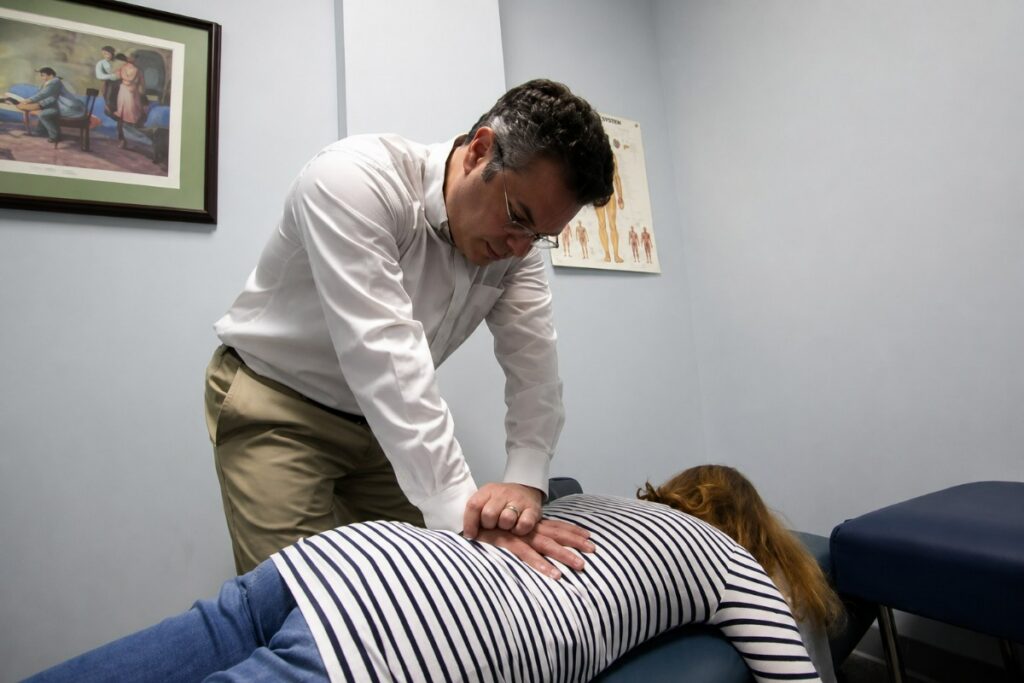
Chiropractic adjustments provide another effective option for relieving lower back disc pain. These manual manipulations help restore proper alignment in your spine, reducing pressure on the affected discs and nerves.
When you experience lower back pain, it can feel like a heavy burden, but chiropractic care offers a path to relief.
Through targeted adjustments, you can experience:
- Reduced pain: Feel the tension melt away as your spine realigns.
- Improved mobility: Regain the freedom to move without discomfort.
- Enhanced overall wellness: Enjoy a holistic approach that benefits your entire body.
- Increased energy: Experience a boost in vigor as your body functions at its best.
- Stress relief: Let go of the anxiety that chronic pain often brings.
Chiropractors take the time to assess your unique situation, tailoring their approach to suit your needs.
Regular adjustments can't only alleviate current pain but also help prevent future issues. If you're seeking a natural, non-invasive method to manage your lower back disc pain, consider chiropractic adjustments as a valuable part of your healing journey.
You deserve a life free from pain and limitations!
Pain Management Medications
Managing lower back disc pain often calls for effective pain management medications that can help you take control of your discomfort.
When exploring options, you'll find a variety of medications designed to alleviate your pain. Nonsteroidal anti-inflammatory drugs (NSAIDs), like ibuprofen or naproxen, are often your first line of defense. They can reduce inflammation and provide relief.
If over-the-counter options aren't enough, your doctor might prescribe stronger medications, such as muscle relaxants or opioids. While these can be effective, they come with potential risks, so it's essential to use them under medical supervision.
In addition to traditional medications, topical treatments, such as creams or patches containing pain-relieving agents, can offer localized relief.
Corticosteroid injections may also be an option for more severe cases, targeting inflammation directly at the source.
Local Resources in Charlotte
If you're in Charlotte and struggling with lower back disc pain, you're in luck.
The city offers a variety of physical therapy clinics and chiropractic services that can help you find relief.
Exploring these local resources can be a great first step toward recovery.
Physical Therapy Clinics
Finding relief from lower back disc pain often starts with the right support, and physical therapy can play an essential role in your recovery. In Charlotte, you'll find various clinics dedicated to helping you regain your strength and mobility.
Physical therapists assess your specific condition, create personalized treatment plans, and guide you through exercises that promote healing.
Visiting a local physical therapy clinic can transform your experience with pain management. Here are some benefits you can expect:
- Targeted Treatment: Customized plans that focus on your unique pain points.
- Expert Guidance: Skilled therapists who understand your condition and needs.
- Improved Mobility: Exercises designed to enhance your range of motion.
- Pain Relief Strategies: Techniques that help alleviate discomfort effectively.
- Empowerment: Gaining the tools and knowledge to manage your pain independently.
Choosing the right physical therapy clinic can make a world of difference in your journey to relief.
Don't hesitate to reach out to one of Charlotte's skilled professionals who can help you take the first step towards a pain-free life.
Chiropractic Services Available
When you're dealing with lower back disc pain, exploring chiropractic services can be a game-changer. In Charlotte, you'll find a variety of chiropractic clinics equipped to help you manage your pain effectively. Chiropractors focus on spinal adjustments and manipulations that can relieve pressure on your discs, improving mobility and reducing discomfort.
Many clinics offer tailored treatment plans that address your specific needs. You might start with a thorough assessment, where the chiropractor evaluates your spinal alignment and overall health. Based on this evaluation, they'll create a personalized approach, which may include spinal adjustments, therapeutic exercises, and lifestyle recommendations.
In addition to traditional adjustments, some chiropractors in Charlotte provide alternative therapies like massage therapy, acupuncture, and physical rehabilitation. These complementary treatments can enhance your recovery and promote overall well-being.
Don't hesitate to ask about their experience with lower back disc issues and the techniques they use.
Whether you're looking for relief or a proactive approach to your health, chiropractic services in Charlotte can help you regain control and improve your quality of life.
Preventive Measures and Tips
Taking proactive steps can greatly reduce your risk of lower back disc pain. By making simple adjustments to your daily routine, you can keep your spine healthy and strong.
Here are some effective preventive measures and tips to help you stay pain-free:
- Maintain good posture: Sit and stand tall. Keeping your spine aligned can prevent unnecessary strain on your lower back.
- Strengthen your core: Incorporate exercises that target your abdominal and back muscles. A strong core supports your spine and reduces the risk of injury.
- Stay active: Regular physical activity, such as walking, swimming, or yoga, keeps your body flexible and helps maintain a healthy weight, reducing pressure on your discs.
- Use proper lifting techniques: When lifting heavy objects, bend at your knees, not your back. This technique distributes the weight more evenly and protects your spine.
- Listen to your body: If you feel pain or discomfort, don't push through it. Rest and seek professional help if needed. Ignoring signals from your body can lead to more significant issues down the road.
Conclusion
To sum up, managing lower back disc pain in Charlotte involves a proactive approach. By understanding your pain, seeking effective treatments, and utilizing local resources, you can find relief and improve your quality of life. Don't forget to incorporate preventive measures like maintaining good posture and staying active to support your recovery. Remember, you're not alone on this journey—take advantage of Charlotte's clinics and community to help you achieve long-term spinal health.