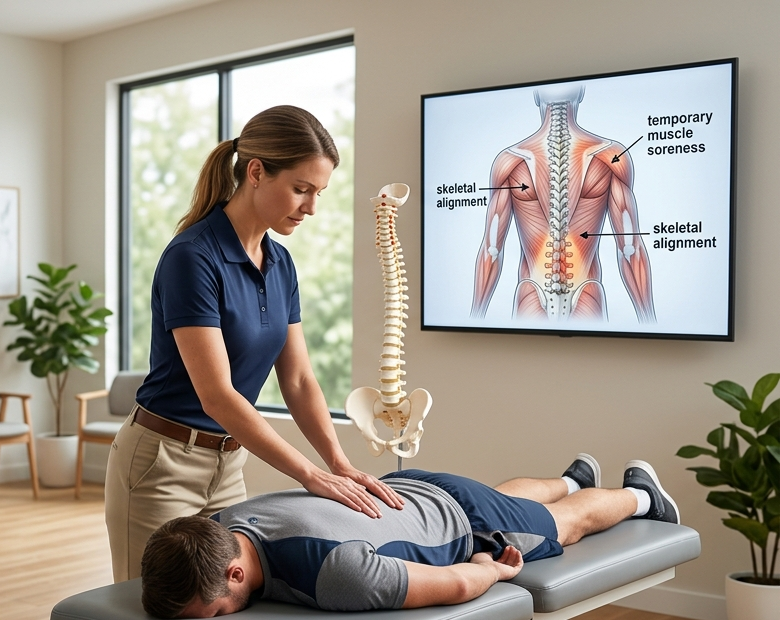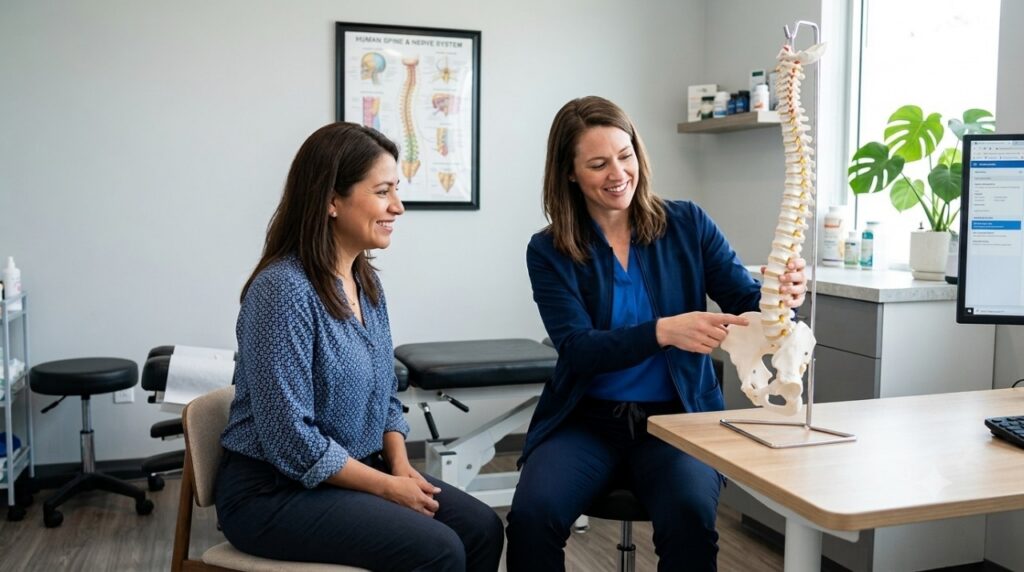

As a local chiropractor, I understand that many athletes experience back pain as a result of their sports activities, which can severely impact both performance and enjoyment. It's crucial to grasp the underlying causes of that pain and to explore effective relief strategies to keep you at your best. Often, a combination of specific exercises, proper technique, and professional chiropractic care can lead to significant improvements in your condition.
You might be surprised to learn that there are several methods we can implement together to ensure lasting relief from your back pain. For instance, targeted chiropractic adjustments can help realign your spine and alleviate tension in the surrounding muscles. Additionally, I can guide you through personalized exercise routines that strengthen your core and improve your flexibility, which are vital for injury prevention in sports.
Understanding the importance of these natural healing approaches can empower you to take control of your back pain. Together, we can work towards enhancing your athletic performance and ensuring that you can continue doing what you love without discomfort. If you have any questions or would like to learn more about how chiropractic care can help you, please feel free to reach out.
Understanding Back Pain Causes
As a local chiropractor, I often see patients who are unaware of how prevalent back pain is, affecting up to 80% of individuals at some point in their lives, including athletes. Understanding the causes of back pain is crucial for anyone, especially those engaged in physical activities, as it can significantly aid in both prevention and recovery.
One of the most common culprits I encounter is muscle strain. Whether you're lifting weights, sprinting, or executing a complex maneuver, it's easy for the muscles in your back to become overworked and lead to discomfort.
Poor posture is another frequent cause of back pain that many overlook. How you hold your body during training or competition matters. Slouching or maintaining improper alignment can place extra stress on your spine, which can increase the likelihood of pain over time.
Repetitive movements, often seen in sports such as tennis or swimming, can also wear down your back. This wear and tear can lead to chronic issues if not addressed properly.
Additionally, many individuals neglect the importance of proper warm-up and cool-down routines. Skipping these essential steps can leave your muscles tight and less flexible, making you more susceptible to injury.
It's also important to consider any underlying conditions that may be contributing to your discomfort. Issues like herniated discs or arthritis can exacerbate pain, especially when you're pushing your body to its limits.
Lastly, don't forget about the impact of emotional stress. Stress can manifest physically, causing muscle tension in your back. Recognizing these various causes can empower you to make necessary adjustments to your training and recovery routines.
By being proactive in understanding and addressing these factors, you can minimize the risk of back pain and maintain optimal performance in your activities.
As a chiropractor, I'm here to help guide you on your journey to natural healing and wellness.
Common Sports Injuries Related to Back Pain
As a local chiropractor, I often see patients who are active in sports and experience back pain due to common injuries such as strains, sprains, and disc issues.
These injuries can significantly limit your mobility and impact your performance on the field or court.
It's essential to understand these conditions, as this knowledge is crucial for both preventing future injuries and managing any pain you may be experiencing.
Through chiropractic care and natural healing methods, we can work together to restore your body's function and promote overall wellness.
Let's explore how we can address these issues effectively.
Strains and Sprains
As a local chiropractor dedicated to educating our community, I want to highlight how sports can put tremendous strain on your body, particularly your back. This can lead to common injuries such as strains and sprains, which occur when muscles, tendons, or ligaments are overstretched or torn—often due to sudden movements or heavy lifting.
If you're experiencing symptoms like pain, stiffness, or swelling, it can significantly affect both your athletic performance and your daily life.
When you strain a muscle, it means those muscle fibers are overstressed, leading to discomfort that can radiate throughout your back. In contrast, a sprain affects the ligaments that support your spine, making it difficult for you to move freely or participate in sports without discomfort.
To prevent these injuries, I recommend warming up before any physical activities and focusing on strengthening your core muscles. It's also crucial to pay close attention to your technique, particularly in sports that involve twisting movements or heavy lifting.
If you do find yourself dealing with a strain or sprain, utilizing rest, ice, and over-the-counter pain relievers can help manage your symptoms. However, I always encourage consulting with a healthcare professional, such as a chiropractor, for personalized advice.
We can provide natural healing methods to help you recover safely and effectively, so you can get back to doing what you love. Remember, taking care of your body is the key to staying active and healthy!
Disc Injuries
As a local chiropractor, I want to shed light on a common issue many athletes face: disc injuries. These injuries often occur due to the physical demands placed on your body, especially during activities that involve heavy lifting, twisting, or sudden impacts.
When excessive pressure is applied to your spine, the discs between your vertebrae can become herniated or bulge, causing pain and discomfort.
Disc injuries can result from repetitive motions or an acute trauma, and you may experience symptoms such as sharp pain, numbness, or tingling that radiates down your legs. If these issues aren't addressed, they can hinder your performance and potentially lead to chronic problems.
To effectively manage disc injuries, it's important to prioritize rest and recovery. Ice and heat therapies can be beneficial in reducing inflammation and easing pain.
Additionally, chiropractic care can play a crucial role in strengthening the muscles surrounding your spine, providing better support and stability.
Maintaining proper form during your activities is equally important in reducing the risk of future injuries. Incorporating stretching and strengthening exercises into your routine can significantly promote spinal health.
Always listen to your body; if you feel pain, it's vital not to push through it, as this could exacerbate your condition.
If symptoms persist, I encourage you to seek professional advice. Together, we can ensure you stay on track with your athletic goals while prioritizing your overall well-being through natural healing methods.
Effective Prevention Strategies
As a local chiropractor, I want to share some valuable insights on preventing sports-related back pain through natural and proactive strategies. One of the most effective ways to protect your spine is by strengthening your core. A robust core is essential for stabilizing your spine and minimizing the risk of injury during physical activities.
I recommend incorporating exercises such as planks, bridges, and abdominal crunches into your routine. These exercises not only enhance stability but also provide crucial support for your lower back while engaging in sports.
In addition to strengthening your core, it's important to focus on flexibility. Regular stretching is vital for maintaining muscle elasticity, which can help prevent strains and injuries. Pay special attention to key areas such as your hamstrings, hip flexors, and lower back.
Tightness in these muscles can contribute to discomfort and pain. I suggest integrating dynamic stretches before your activities to warm up and static stretches afterward to cool down and promote flexibility.
Proper technique during any physical activity can't be overstated. Whether you're lifting weights, running, or playing a sport, using the correct form is crucial. Poor mechanics can put undue stress on your back and lead to injury.
If you're uncertain about your technique, I encourage you to seek guidance from a qualified coach or trainer who can help ensure you're moving safely.
Lastly, it's essential to listen to your body. If you experience discomfort or fatigue, take breaks and allow yourself time to recover. Overtraining can lead to injuries, so it's vital to balance your workouts with adequate rest and recovery.
Targeted Exercises for Relief
As a local chiropractor, I want to share some effective ways to find relief from sports-related back pain. One of the best approaches is to focus on targeted exercises that strengthen your core muscles. These exercises not only help to alleviate pain but also support your spine and promote better posture.
In addition to strengthening your core, incorporating stretching and flexibility techniques into your routine can significantly enhance your overall mobility. This is essential for preventing future injuries, especially if you're active in sports.
By committing to these natural practices, you'll not only support your back but also improve your athletic performance. Remember, taking care of your spine is key to enjoying a healthy, active lifestyle.
If you have any questions or need guidance on specific exercises, feel free to reach out!
Strengthening Core Muscles
As a local chiropractor, I want to share how strengthening your core muscles can significantly help alleviate sports-related back pain. A robust core plays a crucial role in stabilizing your spine and pelvis, which in turn reduces the strain on your back during physical activities.
If you're new to chiropractic care and natural healing, incorporating targeted exercises that engage your abdominal, oblique, and lower back muscles is a great place to start.
One of the most effective exercises I recommend is the plank. To perform this exercise, begin in a push-up position, but rest on your forearms instead of your hands. It's important to keep your body in a straight line from your head to your heels. Aim to hold this position for 20-30 seconds, gradually increasing the duration as your strength improves.
Another excellent exercise is the bird-dog. Start on your hands and knees, and extend one arm forward while simultaneously stretching the opposite leg back. Hold this position for a moment, then return to the starting position and switch sides. This exercise not only enhances your balance but also strengthens your core—something that's vital for overall back health.
Don't overlook the benefits of bridges! Lie on your back with your knees bent. By pressing your feet into the ground, you can lift your hips toward the ceiling while squeezing your glutes. Hold this position for a few seconds before lowering back down.
Incorporating these exercises into your routine can lead to a noticeable decrease in back pain and an enhancement in your overall athletic performance.
As you engage in these activities, remember that chiropractic care can further support your journey to a healthier back and body.
Stretching and Flexibility Techniques
As a local chiropractor dedicated to your well-being, I want to share some valuable insights into how stretching and flexibility techniques can play a crucial role in managing sports-related back pain.
These methods not only enhance your range of motion but also help prevent injuries and alleviate discomfort, allowing you to enjoy your activities more fully. By incorporating targeted exercises into your daily routine, you can make a significant difference in how your back feels.
Here are three effective stretching techniques that I often recommend to my patients:
- Cat-Cow Stretch: Begin by getting on all fours, ensuring your hands are directly beneath your shoulders and your knees are under your hips. As you inhale, arch your back by lifting your head and tailbone toward the sky (this is the "cow" position). Then, as you exhale, round your spine by tucking your chin to your chest (the "cat" position). Repeat this flow for 5-10 cycles, and you'll notice a gentle mobilization of your spine.
- Child's Pose: This is a wonderfully restorative stretch. Kneel on the floor and sit back on your heels. Extend your arms forward on the ground, allowing your forehead to rest gently on the mat. This pose opens up your lower back and promotes relaxation, which is essential for recovery. Hold this position for 30 seconds to 1 minute, focusing on your breath.
- Seated Forward Bend: Sit with your legs extended straight in front of you. Inhale deeply to lengthen your spine, and as you exhale, hinge forward from your hips, reaching for your feet or shins. Feel the stretch along your back as you fold. Hold this pose for 20-30 seconds; it's a wonderful way to release tension.
Incorporating these stretching techniques into your routine can significantly aid in finding relief and maintaining a healthier back.
If you're new to chiropractic care, remember that we're here to support you in your journey toward natural healing and improved wellness.
Innovative Treatment Options
As a local chiropractor, I understand that many athletes often struggle with sports-related back pain, which can be incredibly frustrating. Fortunately, there are innovative treatment options available that can help you manage this pain naturally and effectively.
One exciting approach in the field of chiropractic care is regenerative medicine, particularly platelet-rich plasma (PRP) therapy. This involves drawing a small amount of your blood, processing it to concentrate the platelets, and then injecting it into the areas of pain. The growth factors in PRP can stimulate healing and reduce inflammation, which can be a transformative option for athletes looking to recover swiftly and safely.
Another fascinating development is the use of virtual reality (VR) for pain management. Imagine immersing yourself in a VR environment that allows you to participate in guided exercises designed to distract you from pain while also teaching you better movement patterns. This is especially useful during rehabilitation, as it helps you regain strength and mobility in a controlled and engaging way.
Additionally, wearable technology is changing the game when it comes to monitoring your body's movements. Devices that track your posture and biomechanics offer real-time feedback, enabling you to make necessary adjustments during training and gameplay. By adopting this proactive approach, you can help prevent further injuries and alleviate existing pain.
Moreover, I encourage you to consider alternative therapies such as acupuncture or massage therapy. These natural modalities can complement your chiropractic treatment by addressing muscle tension and promoting relaxation, which are essential for a comprehensive recovery process.
When to Seek Professional Help
As a local chiropractor, I want to help you understand the importance of recognizing when to seek professional help for sports-related back pain. Many people feel tempted to tough it out, but ignoring ongoing discomfort can lead to more significant issues down the line.
Here are three crucial signs that suggest it's time to visit a chiropractor or healthcare professional:
- Persistent Pain: If your back pain lingers for more than a few days and doesn't improve with rest or at-home treatments, it's a clear signal to seek evaluation. Chronic pain may indicate underlying conditions that require attention, and as a chiropractor, I can help identify the source of your discomfort through specialized assessments.
- Radiating Symptoms: Are you experiencing pain that travels down your legs, or do you notice numbness or tingling in your lower limbs? Don't delay in seeking help. These symptoms can suggest nerve involvement, and a chiropractor can provide the necessary evaluation and treatment to address these issues effectively.
- Loss of Function: If you're struggling with everyday activities like bending, lifting, or even walking, it's crucial to get assistance right away. When functional limitations arise, they can worsen over time without proper care. Chiropractic treatment can help restore your mobility and ease your pain.
Never underestimate the significance of professional intervention.
As your chiropractor, I'm dedicated to identifying the root cause of your pain and guiding you through a personalized treatment plan that promotes natural healing. Early diagnosis and intervention are key to helping you get back to your sport and enjoy an active lifestyle free from the burden of back pain.
Conclusion
As a local chiropractor dedicated to your well-being, I want to help you understand how to effectively manage sports-related back pain. It's essential to recognize the causes of this discomfort and adopt proactive measures to prevent it. Incorporating specific exercises into your routine, such as planks and bridges, can significantly strengthen your core and improve flexibility, which are vital for overall back health.
Moreover, maintaining proper technique during physical activities cannot be overstated. If you ever find yourself struggling with pain, I encourage you to seek professional help. Chiropractic care specializes in addressing misalignments in the spine and joints, which can contribute to discomfort. Through gentle adjustments, we can promote healing and restore balance to your body.
With the right approach—combining self-care practices with professional support—you can alleviate your back pain, enhance your athletic performance, and fully enjoy your favorite sports without the hindrance of discomfort. Remember, your health is a priority, and I'm here to guide you every step of the way.