
If you're experiencing lower back disc pain in Charlotte, you're not alone, and there are ways to find relief. Local healthcare professionals offer a range of treatment options, from physical therapy to chiropractic adjustments, designed to address your specific needs. You might also consider holistic approaches like acupuncture or massage therapy. But before you settle on a solution, it's important to understand the underlying causes of your pain and the resources available to you. Discovering these aspects could lead you to a more effective path towards recovery.
Understanding Lower Back Disc Pain
When dealing with lower back disc pain, it's vital to grasp what's happening in your body. Your spine is made up of vertebrae, and between these bones are discs that act as shock absorbers. These discs consist of a soft inner core and a tough outer layer. When you experience pain, it often stems from issues like disc degeneration or a herniated disc.
A herniated disc occurs when the inner gel-like substance pushes through the outer layer, irritating nearby nerves. This can lead to pain not just in your lower back but also in your legs, a condition known as sciatica.
It's important to understand that the pain you're feeling isn't just about the disc itself; it can also involve inflammation, nerve compression, and muscle tension surrounding the affected area.
Moreover, lower back disc pain can manifest in various ways. You might feel a sharp, shooting pain, a dull ache, or even stiffness that makes it hard to move. This variability can make it challenging to pinpoint the exact issue, highlighting the significance of seeking professional advice if the pain persists.
Recognizing the symptoms and understanding the mechanics of your spine can empower you. You'll be better equipped to make informed decisions about your treatment options.
Whether it's through physical therapy, medication, or lifestyle changes, knowing what you're up against is the first step toward finding relief from lower back disc pain.
Common Causes and Risk Factors
Lower back disc pain can stem from a variety of common causes and risk factors that you should be aware of. Understanding these factors can help you identify potential triggers and take steps to prevent discomfort.
Here are some common causes and risk factors to contemplate:
- Age-related degeneration: As you age, your spinal discs naturally lose hydration and elasticity, making them more susceptible to injury and pain.
- Poor posture: Sitting or standing with improper alignment can put undue stress on your spine, leading to herniated discs or other issues.
- Sedentary lifestyle: Lack of physical activity can weaken your core muscles, which support your spine. This increases the risk of injury and pain.
In addition to these factors, certain behaviors can contribute to lower back disc pain. For example, lifting heavy objects incorrectly or engaging in high-impact sports can place excessive strain on your back.
Being overweight can also increase the pressure on your spine, further exacerbating pain.
Moreover, genetic predisposition may play a role in your vulnerability to lower back issues. If you have a family history of back problems, you might be at a higher risk.
Effective Treatment Options
Several effective treatment options can help alleviate lower back disc pain and improve your quality of life. One of the most common approaches is physical therapy. A qualified therapist can design a personalized exercise program to strengthen your back muscles, improve flexibility, and enhance your posture. This can greatly reduce pain and prevent further injury.
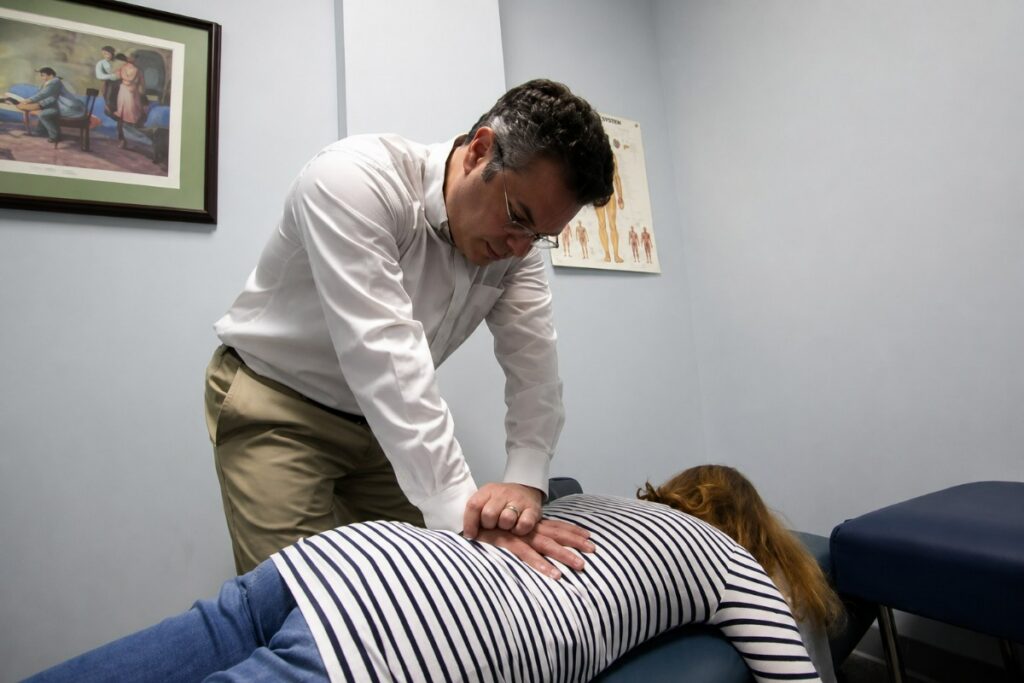
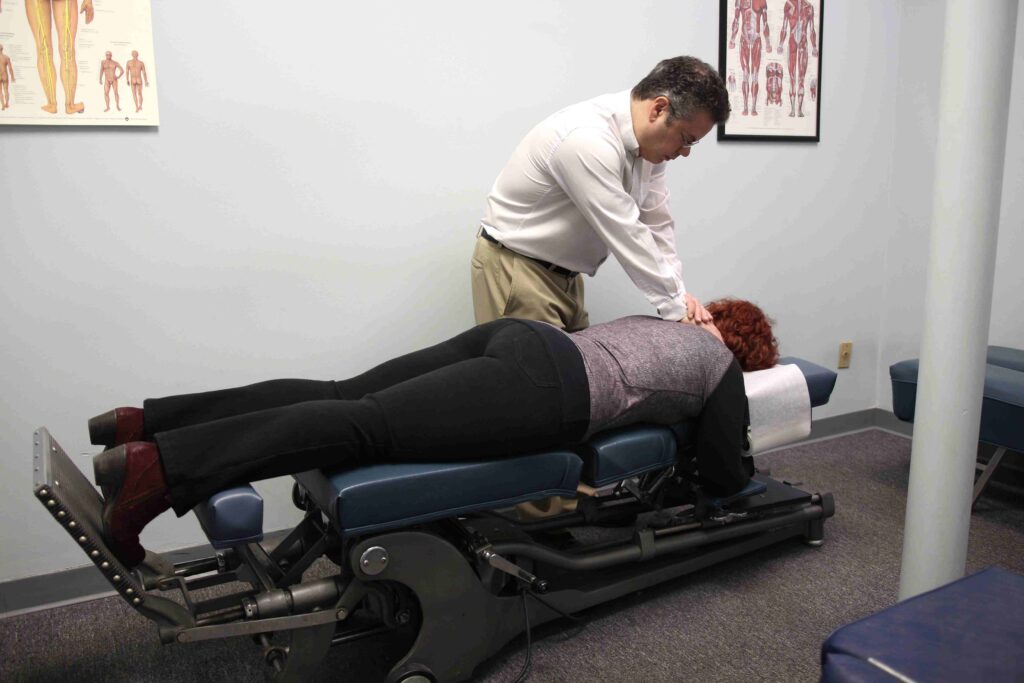
Another option is chiropractic care. Chiropractors use hands-on spinal manipulation to restore mobility and relieve pain. Many patients find relief after just a few sessions, making it a popular choice for those seeking non-invasive treatment.
Medications can also play a role in managing lower back disc pain. Over-the-counter pain relievers like ibuprofen or acetaminophen can provide temporary relief. For more severe pain, your doctor might prescribe stronger medications or muscle relaxants to help you cope.
Injections, such as epidural steroid injections, can be effective for treating inflammation around the affected disc. These injections can provide considerable pain relief, allowing you to engage in physical therapy more effectively.
If conservative treatments don't yield results, surgical options may be considered. Procedures like discectomy or spinal fusion can relieve pressure on nerves and stabilize the spine. However, surgery typically comes after all other options have been explored.
Ultimately, the right treatment depends on your specific condition and needs. It's crucial to consult with a healthcare professional who can guide you through the best options for your situation. Taking proactive steps now can lead to a more comfortable future.
Lifestyle Changes for Prevention
Making proactive lifestyle changes can considerably reduce the risk of lower back disc pain. By adopting healthier habits, you can strengthen your back and improve your overall well-being. Here are some key changes you can start implementing today:
- Maintain a healthy weight: Extra weight puts unnecessary strain on your spine. By managing your weight through a balanced diet and regular exercise, you can decrease the pressure on your lower back.
- Practice good posture: Whether you're sitting at a desk or lifting something heavy, maintaining proper posture is essential. Keep your back straight, shoulders relaxed, and feet flat on the floor. When lifting, use your legs instead of your back to minimize injury risk.
- Stay active: Regular physical activity strengthens your core muscles, which support your spine. Aim for a mix of aerobic exercises, strength training, and flexibility workouts to keep your body resilient.
Incorporating these changes into your daily routine might require some effort, but the benefits are well worth it.
You'll not only lower your chances of experiencing lower back disc pain, but you'll also enhance your overall quality of life.
Finding Local Resources in Charlotte
When you're dealing with lower back disc pain, finding local resources in Charlotte can make a significant difference in your recovery journey. Start by looking for healthcare professionals specializing in spine care. Many clinics in the area focus on physical therapy, chiropractic care, and pain management. A quick online search or a visit to your local health directory can help you find reputable practitioners who understand your condition.
Next, consider support groups. Connecting with others going through similar experiences can provide emotional support and practical advice. Local hospitals or wellness centers often host these groups, so check their websites or call to inquire about upcoming meetings.
Don't forget about local fitness facilities. Many gyms in Charlotte offer classes focused on back health, including gentle yoga, Pilates, or aqua therapy. Engaging in these activities can improve your strength and flexibility, aiding your recovery.
You might also want to explore holistic options. Charlotte has numerous acupuncturists and massage therapists who can help alleviate pain and tension. Look for certified professionals with experience in treating back issues.
Lastly, consider online resources specific to Charlotte's community. Websites and forums can provide insights into local workshops, seminars, or health fairs that focus on back care.
Conclusion
To sum up, finding relief from lower back disc pain in Charlotte is definitely possible with the right approach. By exploring various treatment options, like physical therapy, chiropractic care, and holistic therapies, you can tailor a plan that suits your needs. Don't forget the importance of lifestyle changes for prevention. With local resources and support available, you can take proactive steps toward a healthier back and improved quality of life. Your journey to relief starts now!