
You might be surprised to learn that simple lifestyle adjustments can greatly reduce anxiety and improve your overall well-being. From consistent sleep patterns to nutritious meals, each change can have a profound impact on how you feel. Incorporating physical activity and mindfulness practices further enhances your ability to cope with daily stressors. But what if these adjustments could not only ease your anxiety but also enrich your life in ways you hadn't considered? Exploring these benefits might lead you to a path of greater tranquility and fulfillment.
Understanding Anxiety and Its Effects
Anxiety's grip can feel overwhelming, affecting your daily life in ways you mightn't even realize. It can sneak into your thoughts, making it hard to concentrate or enjoy activities you once loved. You might find yourself worrying about everyday situations, feeling a constant sense of dread, or even experiencing physical symptoms like a racing heart or sweaty palms. Recognizing these effects is the first step toward understanding your anxiety.
You may notice that anxiety impacts your relationships. You might withdraw from friends and family, fearing judgment or feeling too anxious to engage in social situations. This isolation can lead to feelings of loneliness, which only exacerbates your anxiety.
Sleep disturbances are another common effect; you might struggle to fall asleep or stay asleep, leaving you exhausted and more susceptible to anxious feelings during the day.
Your work or academic performance can also suffer. Anxiety can cloud your judgment and diminish your productivity, causing you to miss deadlines or make mistakes. You might find yourself constantly second-guessing your abilities and decisions.
Benefits of Lifestyle Adjustments
Making lifestyle adjustments can greatly alleviate the burden of anxiety. When you take control of your daily habits, you'll likely notice significant improvements in your overall well-being.
Here are some key benefits you can experience by making these changes:
- Improved Sleep Quality: Establishing a consistent sleep schedule can enhance your rest, making you feel more energized and less anxious throughout the day.
- Better Nutrition: Eating a balanced diet rich in whole foods can stabilize your mood and energy levels. Nutrient-dense foods provide your body with the necessary fuel to combat anxiety.
- Increased Physical Activity: Regular exercise releases endorphins, the body's natural stress relievers. Even a daily walk can help clear your mind and reduce anxiety symptoms.
- Social Connections: Engaging with friends and family can help you feel more supported. Building strong relationships can provide a sense of belonging that mitigates feelings of anxiety.
Mindfulness Practices for Calmness
Amid the chaos of daily life, incorporating mindfulness practices can serve as a powerful tool for achieving calmness. These practices help you become more aware of the present moment, reducing anxiety and promoting a sense of peace.
Start with simple breathing exercises. By focusing on your breath, you can anchor yourself in the here and now. Take a few minutes each day to breathe deeply, inhaling through your nose and exhaling through your mouth. This not only calms your mind but also lowers your heart rate.
Another effective mindfulness practice is meditation. You don't need to sit in silence for hours; even a few minutes can make a difference. Find a quiet spot, close your eyes, and focus on your breath or a specific mantra. This helps clear your mind of distractions and fosters a greater sense of clarity.
You can also incorporate mindfulness into your daily activities. Whether you're eating, walking, or even washing dishes, pay attention to the sensations and experiences involved. Notice the flavors of your food, the feel of the ground beneath your feet, or the warmth of the water. Engaging fully in these activities can transform mundane moments into opportunities for mindfulness.
Lastly, consider keeping a gratitude journal. Writing down things you're thankful for shifts your focus from stress to positivity.
Physical Therapies for Anxiety Relief
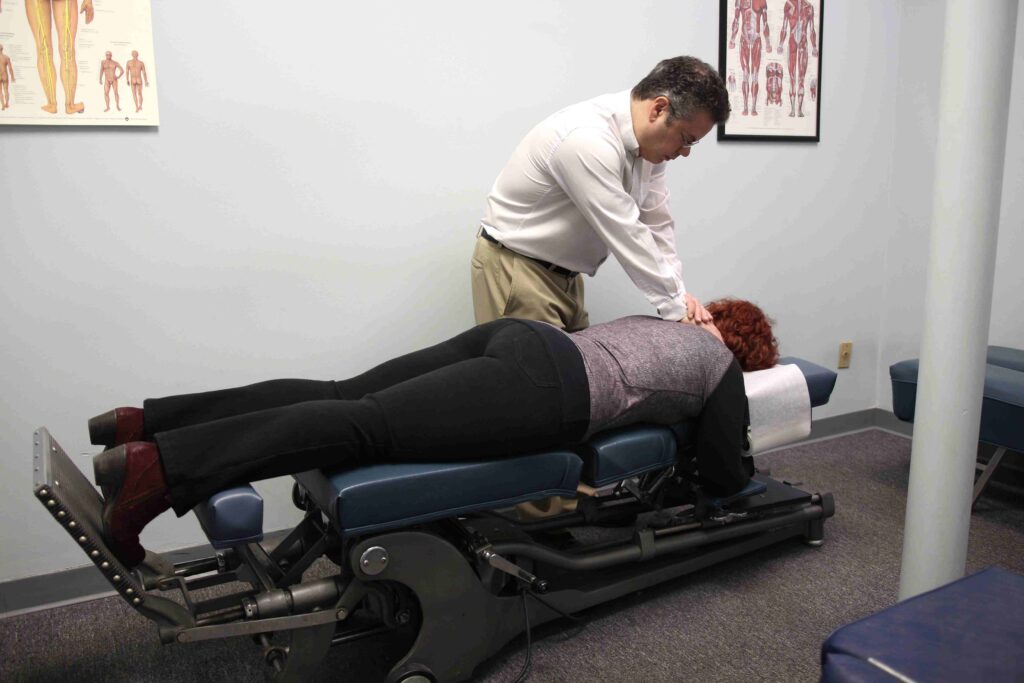
When you're feeling overwhelmed by anxiety, physical therapies can offer a revitalizing approach to relief. These therapies not only target physical discomfort but also help calm your mind, giving you a dual benefit.
Here are four effective physical therapies you might consider to ease your anxiety:
- Massage Therapy: This hands-on technique promotes relaxation by reducing muscle tension and improving circulation. It can lower cortisol levels, which are often elevated during stressful times.
- Yoga: This ancient practice combines physical postures, breathing exercises, and meditation. It helps you connect with your body, fostering a sense of calm and enhancing your overall mental well-being.
- Acupuncture: By stimulating specific points on your body with fine needles, acupuncture can balance your energy flow. Many find it effective in reducing anxiety symptoms and promoting relaxation.
- Physical Exercise: Regular physical activity boosts endorphins, your body's natural mood lifters. Whether it's jogging, dancing, or even a brisk walk, moving your body can greatly reduce feelings of anxiety.
Incorporating any of these therapies into your routine can make a world of difference. Not only do they help alleviate physical tension, but they also encourage mindfulness and relaxation.
Building a Supportive Environment
Creating a supportive environment can greatly enhance your ability to manage anxiety. Surrounding yourself with positive influences is essential. This means nurturing relationships with family and friends who uplift you and encourage open communication about your feelings. When you feel safe to express yourself, it reduces the burden of anxiety.
Consider your physical environment, too. Decluttering your space can create a calming atmosphere. A clean, organized area can help clear your mind and reduce stress. Incorporate elements that promote tranquility, like soft lighting, plants, or calming colors. These small adjustments can greatly impact your mood and anxiety levels.
Establishing routines also plays an important role. Consistent schedules can provide a sense of stability and predictability, helping to alleviate anxiety. Whether it's a morning ritual or a nightly wind-down routine, these habits reinforce a feeling of control in your life.
Additionally, engaging with supportive communities, both online and offline, can offer a sense of belonging. Sharing experiences with others facing similar challenges can make you feel less isolated and more understood.
Lastly, don't hesitate to reach out for professional support. Therapists and counselors can provide guidance in creating your supportive environment, helping you identify the resources that work best for you.
Conclusion
By making simple lifestyle adjustments, you can considerably reduce anxiety and enhance your overall well-being. Prioritizing sleep, eating a balanced diet, and staying active can lift your mood and energy levels. Embracing mindfulness practices and nurturing supportive relationships creates a calming environment that fosters resilience. Remember, every small change counts, and taking proactive steps today can lead to a more balanced, fulfilling life tomorrow. So why not start making those adjustments now? You deserve it!