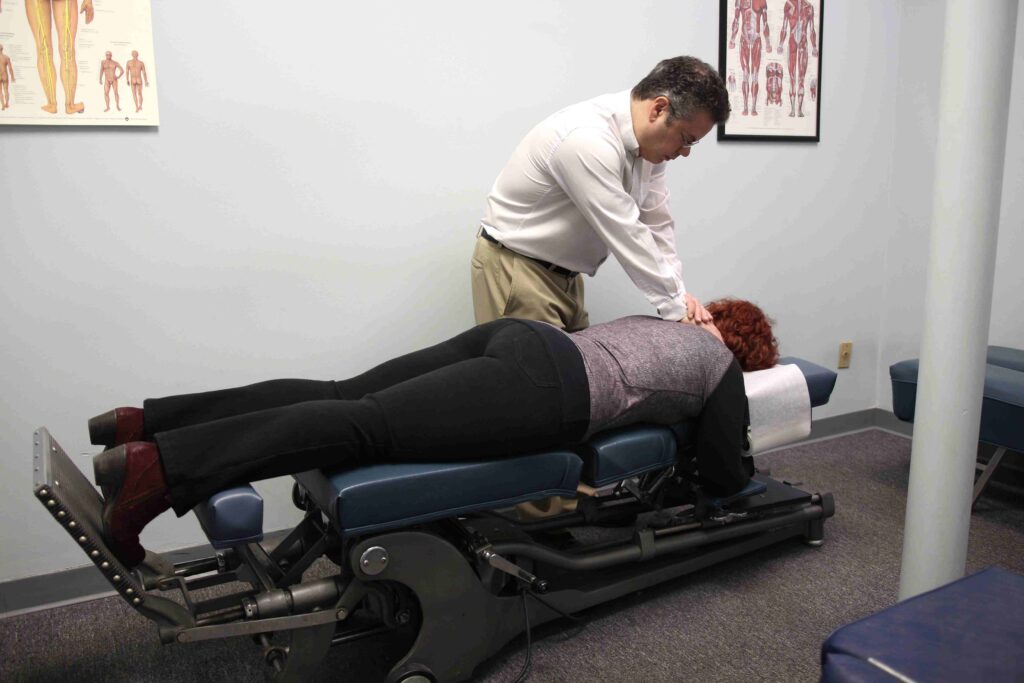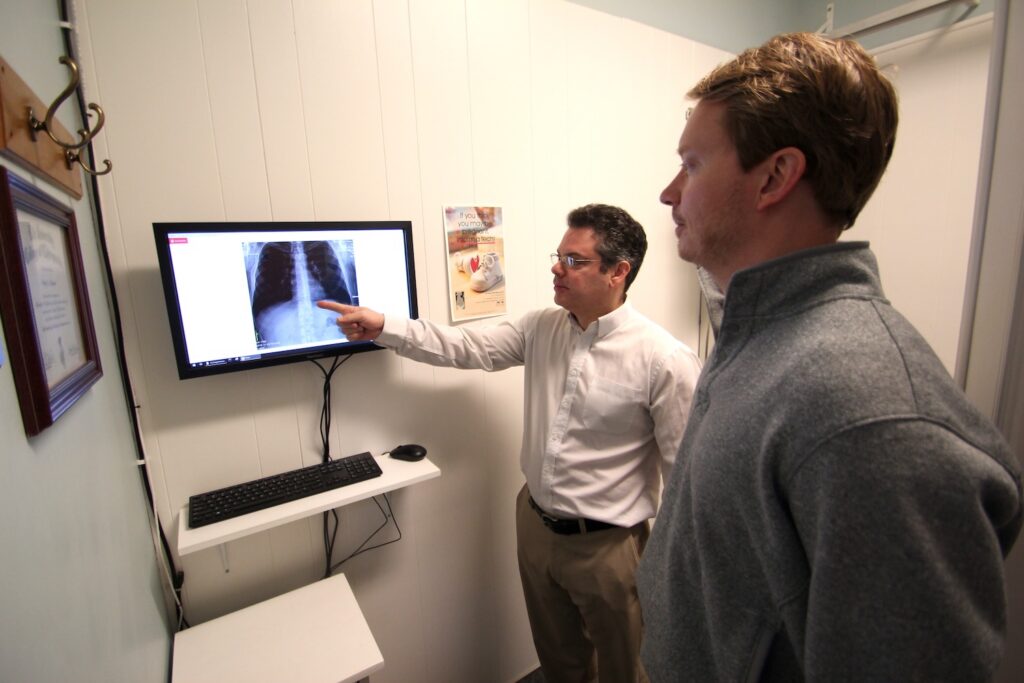

As your local chiropractor, I want to emphasize how crucial your posture is in managing and alleviating back pain. When your spine is properly aligned, it minimizes unnecessary strain on your muscles and tissues, which is essential for effective healing. Unfortunately, many individuals are unaware of common postural mistakes that can impede their recovery process.
Are you interested in learning how to enhance your posture and improve your back pain treatment results? Let’s delve into some key elements that can truly make a difference in your journey toward better health and well-being. Through chiropractic care and natural healing practices, we can work together to correct your posture and promote a healthier spine.
Understanding Posture and Its Impact on Back Pain
As your local chiropractor, I want to emphasize the critical role that posture plays in maintaining a healthy back. Many people may not realize it, but poor posture can lead to various issues, including muscle strain, fatigue, and even chronic pain.
When you slouch or hunch over, you’re placing unnecessary pressure on your spine and the muscles surrounding it. This misalignment can create discomfort that affects not only your back but also your overall well-being.
If you spend long hours sitting without proper support, you may find these problems worsening. Your body requires a strong foundation to function optimally, making it essential to maintain good posture. By aligning your spine correctly, you enable your muscles to operate more efficiently, which helps reduce the risk of injury.
Making simple adjustments can have a significant impact on your comfort. For example, keeping your feet flat on the floor and your shoulders back can improve your posture dramatically.
The Anatomy of a Healthy Spine
As a local chiropractor, I want to share some insights about your spine, an incredible structure that plays a crucial role in your overall health. Your spine is designed with natural curves that help support your body’s weight and enable movement.
It’s important to understand its anatomy, especially the health of your discs, to maintain proper posture and prevent back pain. When we think about the spine, we often overlook how these components work together to keep us healthy.
Each vertebra and disc has a specific function, and when they’re aligned properly, they allow for optimal movement and flexibility. Poor posture or misalignment can lead to discomfort and long-term issues, which is why regular chiropractic care can make a significant difference in your life.
I encourage you to learn more about how your spine functions and the benefits of maintaining its health. By understanding the importance of spinal alignment and the role of chiropractic adjustments, you can take proactive steps towards a pain-free and active lifestyle.
Together, we can work on strategies to enhance your spinal health and overall well-being.
Spine Structure Overview
As a local chiropractor, I want to share with you the incredible importance of your spine and how it impacts your overall health and mobility. Your spine consists of 33 vertebrae, which are categorized into five regions: cervical, thoracic, lumbar, sacral, and coccygeal. Each of these vertebrae has a distinct shape and function, all working in harmony to protect your spinal cord while allowing for the flexibility and movement we often take for granted.
Between these vertebrae, you’ll find intervertebral discs that serve as shock absorbers, cushioning your spine during everyday activities. The spine is also supported by ligaments and muscles that help stabilize and maintain proper posture.
Understanding the anatomy of your spine is essential, as it can explain how it functions and how issues like poor posture can lead to discomfort or pain.
As your chiropractor, I believe that taking care of your spine isn’t just about alleviating pain; it’s about enhancing your overall health and quality of life. Through natural healing methods, we can work together to ensure your spine is functioning optimally, allowing you to move freely and live comfortably.
Let’s prioritize your spine health so you can enjoy a vibrant and active life!
Importance of Curvature
As a local chiropractor, I want to share with you the importance of spinal curvature for your overall health. Your spine is designed with natural curves that play a crucial role in distributing weight evenly, absorbing shock, and providing the strength and flexibility necessary for movement.
When these curves are well-balanced, they help maintain proper alignment of your body, which reduces strain on muscles and ligaments.
However, when the natural curvature of your spine is altered, it can lead to discomfort and pain. This is why it’s so important to be mindful of your posture in daily activities. By focusing on keeping your spine aligned, you can alleviate pressure on specific areas and promote better health overall.
Incorporating exercises that strengthen your core and enhance flexibility is key to preserving these natural curves. This not only supports better movement but also lowers the risk of injury.
Disc Health Essentials
As a local chiropractor, I want to emphasize how important it’s to understand the anatomy of a healthy spine for maintaining optimal disc health and preventing back pain.
Your spine is made up of vertebrae, discs, and nerves that work together to provide the essential support and flexibility your body needs. The intervertebral discs serve as cushions between the vertebrae, absorbing shock and facilitating movement.
To keep your discs in great shape, hydration is key since they’re primarily composed of water. I encourage my patients to drink plenty of water daily.
Additionally, staying active is crucial; engaging in regular exercise can strengthen the muscles that support your spine, promoting better overall health.
Another vital aspect is maintaining proper posture during your daily activities. Good posture can significantly reduce unnecessary pressure on your discs, helping to prevent injury and discomfort.
By paying attention to these fundamental principles, you can enhance your disc health, support your overall spinal health, and minimize any back pain you may experience.
Common Postural Mistakes That Worsen Back Pain
As a local chiropractor, I want to emphasize the importance of proper posture in maintaining a healthy spine and alleviating back pain. Many people may not realize that habits like slouching while sitting or using improper lifting techniques can significantly contribute to discomfort in your back.
These common postural mistakes can place unnecessary strain on your spine, leading to increased pain and tension.
It’s crucial to understand that your posture affects not only your back health but also your overall well-being. By making small adjustments to your daily habits, you can greatly improve your posture and, consequently, reduce your back pain.
Let’s explore some effective strategies for correcting these habits and fostering better spinal health.
Slouching While Sitting
As a local chiropractor, I often see patients who are unaware of how slouching while sitting can significantly impact their back health.
It’s important to understand that when you hunch over, you place undue stress on your spine and the surrounding muscles, which can lead to discomfort and pain over time.
Here are some tips to help you improve your sitting posture and promote better spinal health:
- Sit All the Way Back: Ensure your back is fully supported by the chair. This alignment is crucial for maintaining the natural curvature of your spine.
- Feet Flat on the Ground: Keep your feet flat on the floor to promote stability and proper posture. This helps distribute your weight evenly.
- Monitor Height: Adjust your computer screen to eye level. This will prevent you from leaning forward, which can strain your neck and back.
- Take Breaks: Remember to stand up and stretch every hour. This simple act can relieve built-up tension and help reset your posture.
By incorporating these changes into your daily routine, you can take proactive steps toward better spinal health and overall well-being.
If you have any questions or would like to learn more about how chiropractic care can help, feel free to reach out!
Improper Lifting Techniques
As a local chiropractor, I want to share some important insights about lifting heavy objects safely to help you avoid back pain and injuries. Many people unknowingly use improper lifting techniques that can strain their backs.
For instance, bending at the waist instead of using your knees can put excessive pressure on your lower back. Additionally, twisting your body while lifting can further aggravate your spine, leading to discomfort.
To lift safely, always keep your feet shoulder-width apart and engage your core muscles. This technique helps distribute the weight evenly, providing better support for your back.
When reaching for an object, get as close as possible before lifting it. If an object feels too heavy, please don’t hesitate to ask for assistance.
By making these simple adjustments, you can significantly reduce your risk of back pain and enhance your lifting technique. Remember, taking care of your body is essential for your overall well-being, and your back will truly thank you for it!
If you have any questions or need further advice, feel free to reach out.
The Role of Ergonomics in Posture Correction
As a chiropractor, I often see how improper ergonomics can lead to chronic pain and discomfort in my patients.
It’s crucial to understand the role that ergonomics plays in correcting posture, which is essential for maintaining a healthy back and overall well-being.
To help you navigate this, I’d like to share four key ergonomic principles that can make a significant difference in your daily life:
- Chair Height: It’s important to adjust your chair so that your feet rest flat on the ground, and your knees form a 90-degree angle. This simple adjustment can help reduce strain on your lower back.
- Screen Position: Positioning your computer screen at eye level is vital. This prevents unnecessary neck strain and helps maintain a neutral spine alignment while you work.
- Keyboard Placement: Your keyboard should be at elbow height, allowing your arms to rest comfortably at your sides. This helps to reduce tension in your shoulders and promotes better wrist alignment.
- Frequent Breaks: Don’t forget to take regular breaks! Stand up, stretch, and move around periodically to prevent stiffness and encourage circulation. This practice is essential for keeping your body flexible and reducing the risk of injury.
By incorporating these ergonomic principles into your daily routine, you can significantly improve your posture and enhance your overall health.
Exercises to Improve Posture and Alleviate Pain
As a local chiropractor, I want to help you understand how to improve your posture and alleviate pain through natural methods.
It’s essential to incorporate both stretching and strengthening exercises into your daily routine. Stretching can effectively release tight muscles, which often contribute to discomfort, while strengthening your core is vital for providing the necessary support to your spine.
By focusing on these exercises, you can create a healthier alignment for your body.
Let’s dive into some effective exercises that can be easily integrated into your lifestyle, and I’ll guide you through how they can lead to lasting improvements in your posture and overall well-being.
Stretching for Better Posture
As a chiropractor, I want to emphasize the importance of incorporating stretching into your daily routine to improve your posture and alleviate back pain naturally.
Here are four effective stretches that I recommend to my patients:
- Chest Stretch: Find a doorway and stand in it. Place your arms on the doorframe and gently lean forward. This stretch will help open up your chest and counteract the slouching that many of us experience throughout the day.
- Shoulder Stretch: To relieve tension in your shoulders, bring one arm across your body and hold it with your opposite arm. This simple stretch can help improve your shoulder mobility and reduce discomfort.
- Cat-Cow Stretch: Get down on all fours and practice the Cat-Cow stretch. Arch your back upwards like a cat, and then dip it down like a cow. This dynamic movement helps to relieve tension in your spine and encourages flexibility.
- Seated Forward Bend: Sit with your legs extended in front of you. Reach forward towards your toes, allowing yourself to feel a gentle stretch in your lower back. This stretch is particularly beneficial for those who spend long hours sitting.
I encourage you to incorporate these stretches into your daily routine.
Not only will they promote better posture, but they’ll also help reduce discomfort and enhance your overall well-being.
Strengthening Core Muscles
As a local chiropractor, I want to emphasize the importance of not only stretching for flexibility but also strengthening your core muscles. A robust core plays a crucial role in enhancing your posture and alleviating back pain.
When your core is strong, it provides vital support to your spine, stabilizes your body, and helps maintain proper alignment, which is essential for your overall health.
To strengthen your core, I recommend incorporating exercises such as planks, bridges, and abdominal crunches into your routine. These movements specifically target your abdominal, back, and pelvic muscles, creating a solid foundation for maintaining good posture.
I suggest aiming for at least two to three core workouts each week, gradually increasing the intensity and duration as you become more comfortable. It’s important to focus on your form during these exercises to prevent injury and maximize their benefits.
As you strengthen your core, you may notice improved balance and a reduction in strain on your back, which is vital for a pain-free life.
Making core workouts a priority won’t only help you achieve better posture but also support your overall well-being. Remember, chiropractic care is a holistic approach, and strengthening your core is a key component of natural healing.
I’m here to guide you on this journey to a healthier, more balanced life.
Mindfulness and Postural Awareness
As a local chiropractor, I want to emphasize the importance of mindfulness and postural awareness in maintaining your back health. Many people are unaware of how their posture can significantly affect their overall well-being.
By becoming more mindful of your posture, you can reduce discomfort and enhance your quality of life. Here are four effective strategies to help you cultivate awareness around your posture:
- Regular Self-Assessments: Throughout your day, take a moment to check in with your posture. Ask yourself: Are my shoulders relaxed? Is my back aligned properly? This simple practice can make a big difference.
- Visual Reminders: Consider placing sticky notes or other visual cues in your workspace. These reminders can serve as prompts to help you maintain good posture throughout the day.
- Incorporate Breathing Techniques: Engaging in deep breathing exercises not only promotes relaxation but also supports maintaining an upright position. Focusing on your breath can significantly enhance your awareness of posture.
- Embrace Yoga or Stretching: I encourage you to include regular yoga sessions or stretching exercises into your routine. These practices can improve your flexibility and reinforce proper body alignment, which is essential for spinal health.
By implementing these strategies, you can take proactive steps toward better posture and, consequently, better overall health.
How Sleep Position Affects Back Pain
As a local chiropractor, I want to emphasize the significant impact your sleep position can have on your back health. The way you sleep can greatly influence how you feel upon waking.
For instance, if you prefer sleeping on your back, I recommend placing a pillow under your knees. This simple adjustment helps maintain the natural curve of your spine, which can significantly reduce strain and discomfort.
If you find yourself sleeping on your side, consider tucking a pillow between your knees. This technique is effective in keeping your hips aligned and can alleviate pressure on your lower back, promoting a more restful sleep.
I must advise against sleeping on your stomach. This position can twist your neck and place unnecessary stress on your spine, potentially leading to discomfort.
If altering your sleep position proves difficult, you might want to explore using a softer mattress or a supportive pillow to help minimize any discomfort you experience.
It’s also important to listen to your body. If you consistently wake up with back pain, it could be a sign to reevaluate your sleep habits.
By finding the right sleep position, you can enhance your sleep quality and reduce discomfort, paving the way for a healthier back.
The Connection Between Posture and Muscle Strength
As a local chiropractor, I want to emphasize the vital connection between good posture and muscle strength. Many people don’t realize how important a strong core is for maintaining proper alignment and support in our daily lives.
When your muscles are well-developed, they play a crucial role in keeping your spine aligned, which can significantly reduce your chances of experiencing back pain.
Let’s explore four essential points about how posture and muscle strength are intertwined:
- Core Stability: A strong core is fundamental for stabilizing your spine, which directly contributes to better posture. By engaging your core muscles, you create a solid foundation that supports your entire body.
- Muscle Balance: Having balanced muscle strength on both sides of your body is key. When one side is stronger, it can lead to compensation patterns that result in poor posture. By working on strengthening both sides, you can promote alignment and reduce strain.
- Injury Prevention: Strong muscles are your body’s best defense against injuries. They provide support to your joints during movement, which helps to minimize the risk of strains and sprains. This is particularly important for maintaining an active lifestyle.
- Energy Efficiency: Good posture, supported by strong muscles, allows for more efficient movement. This means you’ll expend less energy during daily activities and, as a result, experience less fatigue.
Incorporating exercises that build core strength and promote muscle balance can lead to long-term benefits for your posture and overall well-being.
As your chiropractor, I’m here to guide you on this journey to better health through natural healing practices.
Tips for Maintaining Good Posture Throughout the Day
As a local chiropractor, I understand that maintaining good posture throughout your day can be quite challenging, especially with the fast pace of modern life. However, ensuring proper alignment is crucial for your overall health and well-being.
Let’s talk about some effective strategies to help you stay aligned and minimize discomfort.
First, let’s consider your workspace. It’s important to have a chair that supports your lower back and to position your computer monitor at eye level. When you sit, make sure your feet are flat on the floor, and your knees are at a right angle. This simple adjustment can make a big difference in how your body feels.
I also encourage you to take regular breaks. Moving around and stretching can help relieve tension in your muscles. Incorporate simple exercises like shoulder rolls and neck stretches into your routine. These small actions can prevent stiffness and promote better circulation.
When standing, remember to distribute your weight evenly on both feet and avoid locking your knees. This helps maintain balance and reduces strain on your spine. Engaging your core muscles is another effective way to support your spine. Try tightening your abdominal muscles when you’re sitting or standing to provide extra support.
Lastly, let’s talk about your phone usage. Many people unconsciously bend their necks while looking down at their devices. Instead, hold your phone at eye level to prevent unnecessary strain on your neck and spine.
By incorporating these tips into your daily routine, you can promote better posture and help reduce the risk of back pain.
If you have any questions or need personalized guidance, feel free to reach out to me. Your health is my priority, and I’m here to help you achieve a pain-free lifestyle through natural healing and chiropractic care.
Seeking Professional Help for Posture-Related Issues
Even with the best strategies for improving posture, some individuals may still experience discomfort or pain. If you find yourself struggling despite your efforts, seeking professional help, particularly from a chiropractor, can be a game-changer.
Here are four reasons why reaching out to a chiropractic specialist is essential:
- Expert Assessment: As chiropractors, we’re trained to evaluate your posture and identify specific issues that you might overlook. We’ll conduct a thorough examination to understand how your body is functioning.
- Tailored Treatment Plans: We create personalized treatment plans designed to address your unique needs. This may include spinal adjustments, exercises, and lifestyle recommendations that promote better posture and overall health.
- Preventative Measures: A chiropractor can teach you techniques to prevent future issues, equipping you with the knowledge to maintain good posture and spinal health for the long term.
- Holistic Approach: We take into account various factors affecting your posture, such as your lifestyle, work environment, and muscle imbalances. Our goal is to treat the root cause of your discomfort, not just the symptoms.
Don’t hesitate to seek professional chiropractic care. Addressing posture-related issues early can lead to better outcomes and a healthier, pain-free life.
Conclusion
As your local chiropractor, I want to emphasize how crucial your posture is in managing and alleviating back pain. Many people may not realize that the way you hold your body can significantly impact your comfort and mobility. By focusing on improving your alignment and being aware of your daily habits, you can effectively reduce your discomfort.
I encourage you to incorporate ergonomic practices into your routine, which means setting up your workspace and home environments to support better posture. Additionally, targeted exercises can strengthen your muscles and help maintain good alignment. Remember, I’m here to guide you through this process. Seeking professional care can make a noticeable difference in your journey toward a healthier back.
Taking these proactive steps will lead you to a more active and pain-free life. Let’s work together to improve your posture and enhance your overall well-being!