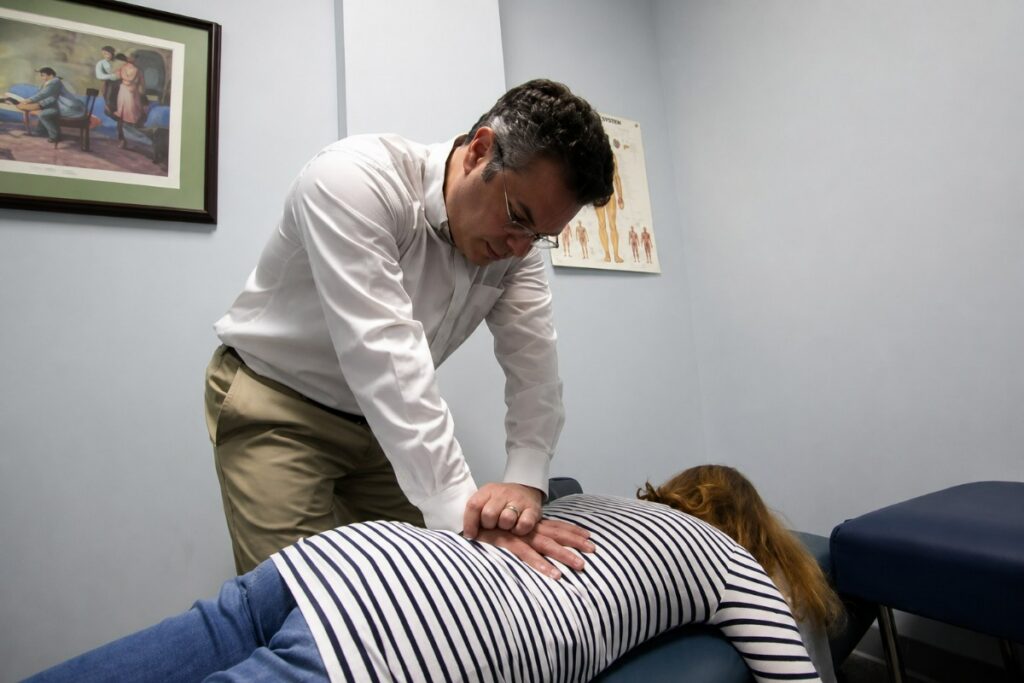

When you or a loved one is dealing with the challenges of a neurological disorder, finding effective relief can seem daunting. As a local chiropractor, I want to help you understand that there are numerous treatment options available beyond just medications. Our focus is on natural healing methods that support your overall well-being while managing symptoms.
Chiropractic care, in particular, can play a significant role in your recovery journey. By addressing misalignments in the spine and improving nervous system function, we can enhance your body's ability to heal itself. It's often beneficial to combine these traditional chiropractic techniques with lifestyle modifications, such as proper nutrition and exercise, to achieve optimal results.
As we delve into the top ten treatments available, you may discover some unexpected therapies that can profoundly enhance your quality of life. It's important to explore these strategies together and find out which ones resonate with your individual needs. Remember, you don't have to navigate this journey alone – we're here to support you every step of the way!
Medications for Symptom Management
When addressing neurological disorders, it's important to explore all avenues for symptom management, including chiropractic care and natural healing methods. Many individuals may not realize that a holistic approach can significantly improve their quality of life.
In my practice, I've seen how various natural therapies can complement traditional medications aimed at alleviating symptoms like pain, muscle tension, or even mood fluctuations.
For example, while anticonvulsants are commonly prescribed to control seizures, chiropractic adjustments can also help by improving nervous system function and reducing overall body tension. If you're dealing with anxiety or depression associated with your condition, consider that chiropractic care, coupled with lifestyle changes, can positively influence your emotional well-being by promoting relaxation and reducing stress.
Muscle spasms and stiffness can often be alleviated through targeted chiropractic techniques. By addressing the underlying musculoskeletal issues, we can help reduce muscle tension and improve mobility, allowing you to enjoy a more active lifestyle.
I encourage you to discuss any concerns about muscle relaxants with your healthcare provider and consider how chiropractic care might serve as a natural alternative or complement to these medications.
For cognitive challenges, while some may turn to stimulants or antidepressants, chiropractic care can also play a role in enhancing overall brain function by ensuring that the nervous system is operating optimally. This can lead to improved focus and memory without the potential side effects of prescription medications.
It's essential to remember that everyone's body responds differently to various treatments. Regular consultations with your chiropractor can help monitor your progress and tailor a treatment plan to your unique needs.
Always feel free to communicate any concerns or side effects you're experiencing with your healthcare team. By taking an active role in your healing journey, you can navigate the complexities of managing your neurological disorder with confidence and improve your quality of life through natural healing methods.
Physical Therapy Techniques
Chiropractic care can serve as an excellent complement to physical therapy techniques when managing neurological disorders. While physical therapy primarily targets improvements in mobility, strength, and coordination—areas often compromised by neurological conditions—chiropractic care can enhance these efforts through natural healing methods.
One essential aspect of our approach is therapeutic exercise. We work closely with physical therapists to create tailored exercise programs that focus on improving your strength, flexibility, and balance. These exercises are designed specifically for your needs and gradually increase in intensity as you progress.
Additionally, we emphasize the importance of stretching exercises, which can relieve tightness and enhance your range of motion, ultimately helping you maintain your independence.
Another vital technique we utilize is manual therapy. This hands-on approach involves gentle manipulation of your joints and soft tissues to relieve pain and enhance movement. By addressing specific areas affected by your condition, we can help reduce discomfort, allowing you to participate more fully in therapeutic exercises and regain your functional abilities.
We also focus on neuromuscular re-education, which aims to improve communication between your brain and muscles. Through specific movements and activities, we help retrain your body's response patterns, assisting you in regaining lost motor skills. This technique can be especially beneficial for those recovering from strokes or traumatic brain injuries, providing a holistic approach to recovery.
Lastly, we may incorporate modalities like electrical stimulation or ultrasound into your care plan. These techniques can promote healing and alleviate pain, making them highly effective when used alongside other physical therapy strategies.
Our goal as chiropractors is to provide a comprehensive, natural approach to your health, empowering you to enhance your overall function and quality of life.
We're here to support you on your journey to recovery and well-being.
Cognitive Behavioral Therapy
As a local chiropractor, I want to share how our approach can help you manage the emotional and psychological challenges often linked with neurological disorders. While many people are familiar with chiropractic care for physical pain, it's essential to understand that it also addresses the mind-body connection, which plays a crucial role in your overall well-being.
Chiropractic care focuses on optimizing your nervous system function, which can have a positive impact on your emotional health. By ensuring proper alignment of the spine and reducing tension in the body, we can help alleviate stress and anxiety that may accompany neurological conditions. This holistic approach aims to create a balanced state where your body can heal more effectively.
In our practice, we work closely with you to identify any physical restrictions that might be contributing to your discomfort. For instance, if you often find yourself overwhelmed or feeling like "I can't handle this," we can help you address the physical tension that may be exacerbating your emotional state.
Through gentle adjustments, we can create a more relaxed environment for your body and mind. Additionally, we encourage you to engage in self-care practices that promote relaxation and mindfulness. Techniques such as deep breathing exercises, stretching, and even yoga can complement your chiropractic treatment, helping to reduce anxiety and improve your overall mental clarity.
Setting achievable health goals is another vital aspect of our approach. By breaking down larger objectives into smaller, manageable steps, we can celebrate your progress together. Each small victory can boost your confidence and motivate you to continue on your healing journey.
Ultimately, our chiropractic care aims to equip you with the tools and support necessary to navigate the challenges of living with a neurological disorder. By fostering both physical and emotional resilience, we can help you cultivate hope and a brighter future.
Lifestyle Modifications
As a local chiropractor, I want to emphasize the importance of lifestyle modifications when it comes to managing neurological disorders.
By incorporating dietary changes and establishing a regular exercise regimen, you can greatly enhance your overall health and well-being. These adjustments not only support your neurological health but also contribute to better daily functioning.
Embracing natural healing methods, such as chiropractic care, can complement these lifestyle changes and lead to significant improvements in your quality of life.
Let's work together to explore how these modifications can make a positive impact on your health journey.
Dietary Changes
As a local Chiropractor, I want to emphasize how important dietary changes can be in managing neurological disorders. The food you consume can have a significant impact on your brain health, which is why it's essential to focus on nutrient-rich options. For instance, incorporating omega-3 fatty acids, which are abundantly found in fish like salmon and in walnuts, can help reduce inflammation and enhance brain function.
Additionally, adding a variety of fruits and vegetables to your diet can provide vital antioxidants that combat oxidative stress—an element that can worsen neurological issues. It's crucial to be mindful of what you're putting into your body.
I also recommend reducing your intake of processed foods, sugar, and unhealthy fats. These types of food can contribute to inflammation and may negatively impact not only your mood but also your cognitive abilities. Instead, aim to fill your plate with whole grains, lean proteins, and healthy fats to truly nourish both your body and mind.
Don't forget about hydration! Drinking plenty of water throughout the day is essential. Dehydration can lead to fatigue and decreased cognitive function, which can be particularly challenging when managing neurological disorders.
Lastly, I encourage you to keep a food diary. This can help you identify any dietary triggers that may worsen your symptoms. By being proactive and monitoring what you eat, you can tailor your diet to better meet your individual needs and potentially see improvements in your overall well-being.
Exercise Regimen
As your local chiropractor, I want to emphasize the importance of a holistic approach to managing neurological disorders, and that includes incorporating a personalized exercise regimen alongside any dietary changes.
Regular physical activity is vital for enhancing brain function and can help alleviate symptoms related to various neurological conditions. You don't have to commit to rigorous workouts; even moderate exercise can bring about substantial improvements.
I encourage you to select activities that you find enjoyable, whether it's taking a leisurely walk, swimming, or practicing yoga. Strive for at least 150 minutes of moderate exercise each week. This not only lifts your mood and alleviates anxiety but also sharpens cognitive function.
Additionally, strength training is crucial; it builds muscle strength and improves balance, which is particularly beneficial for those facing mobility challenges.
Before embarking on any new exercise program, it's essential to have a conversation with your healthcare provider, including me, your chiropractor. We can help you pinpoint suitable exercises and ensure you're operating within safe limits.
Moreover, don't overlook the importance of flexibility and stretching routines, as they help maintain your range of motion and prevent injuries.
Complementary Therapies
As a local Chiropractor, I want to share some insights about complementary therapies that can be incredibly beneficial for those dealing with neurological disorders.
One approach that I often recommend is acupuncture, which can help alleviate pain and enhance your overall sense of well-being.
Additionally, incorporating mindfulness techniques and meditation into your routine can significantly improve mental clarity and emotional stability.
These natural healing methods can effectively complement traditional treatments, allowing you to create a more holistic and personalized care plan.
Embracing these therapies not only supports your physical health but also fosters a deeper connection to your body and mind.
Acupuncture Benefits for Patients
As a local chiropractor, I want to share with you the potential benefits of incorporating acupuncture into your wellness journey, especially if you're dealing with neurological disorders. Many patients have found that acupuncture serves as a valuable complementary therapy, helping to alleviate symptoms and enhance their quality of life.
This ancient practice involves the insertion of thin needles into specific points on your body, which can assist in balancing your energy flow and promoting healing. Research indicates that acupuncture can effectively reduce chronic pain, improve sleep quality, and lower anxiety levels—issues that many of you might be facing.
You may discover that acupuncture can help relieve muscle stiffness and spasms, particularly in conditions such as multiple sclerosis or Parkinson's disease. A number of patients report feeling more relaxed and less stressed after their sessions, which contributes to an overall sense of well-being.
Moreover, acupuncture has the potential to boost your energy levels, making everyday tasks easier to handle. If you're experiencing side effects from medications, like nausea or fatigue, acupuncture can offer relief without the need for additional prescriptions.
It's crucial to seek treatment from a licensed acupuncturist who understands your specific neurological condition. By integrating acupuncture into your overall treatment plan, you can explore a holistic approach to symptom management and enhance your overall health.
As your chiropractor, I'm here to support you on this journey to natural healing.
#
Mindfulness and Meditation
Techniques
As a local chiropractor, I want to share how mindfulness and meditation techniques can serve as valuable complements to your chiropractic care, especially when managing the stress and emotional challenges associated with neurological disorders.
By incorporating mindfulness into your life, you can enhance your awareness of the present moment. This practice can be incredibly beneficial in navigating feelings of anxiety and overwhelm that may arise during your healing journey.
Meditation offers a more focused approach that can help calm your mind and alleviate stress. Techniques such as deep breathing, body scans, and guided imagery not only promote relaxation but also support your overall well-being.
Even dedicating just a few minutes each day to meditation can lead to noticeable improvements in your mood and stress levels.
To get started, find a quiet space where you can focus without interruptions. I encourage you to set aside a few minutes daily for practice. If you're unsure where to begin, there are numerous apps and online videos that provide guided sessions tailored for beginners.
Remember, consistency is essential; the more regularly you incorporate these practices, the greater the benefits you'll likely experience.
Neurostimulation Devices
As a local chiropractor, I want to introduce you to the fascinating world of neurostimulation devices, which are becoming increasingly recognized as innovative tools for managing various neurological disorders.
For those of you grappling with chronic symptoms, these devices may offer a glimmer of hope for relief and improved well-being. They work by using electrical impulses to stimulate specific nerves and areas of the brain, which can help reduce pain, enhance function, and elevate your overall quality of life.
If you're dealing with conditions such as epilepsy, Parkinson's disease, or chronic pain, incorporating neurostimulation into your treatment plan might be a beneficial option worth exploring.
Here are a few common types of neurostimulation devices that you may find interesting:
- Transcranial Magnetic Stimulation (TMS): A non-invasive technique that employs magnetic fields to stimulate nerve cells in the brain. It's often used to help those struggling with depression and anxiety.
- Deep Brain Stimulation (DBS): This surgical option involves implanting electrodes in specific areas of the brain, providing treatment for movement disorders and severe mental health challenges.
- Spinal Cord Stimulation (SCS): This device effectively interrupts pain signals traveling to the brain, offering relief for chronic pain syndromes.
- Peripheral Nerve Stimulation (PNS): A minimally invasive method that places a small stimulator near a nerve, which can be effective in alleviating pain.
While neurostimulation devices aren't a universal cure-all, they can present promising benefits for many individuals.
It's essential to have an open conversation with a healthcare provider—like myself—to assess whether this approach aligns with your specific needs. As advancements in technology continue to emerge, these devices are becoming more effective, potentially allowing you to regain control over your symptoms and significantly enhance your quality of life.
At our chiropractic practice, we focus on natural healing and holistic approaches, and I'm here to support you on your journey toward better health and wellness.
Let's work together to explore all your options!
Dietary Adjustments
As a local chiropractor, I want to emphasize the importance of dietary adjustments in managing neurological disorders and enhancing your overall health. The right foods can play a crucial role in supporting your brain function and well-being. One of the first steps is to incorporate a variety of antioxidant-rich foods into your meals, such as colorful fruits and vegetables. These foods help combat oxidative stress, which can worsen neurological issues.
Healthy fats are another essential component of a brain-friendly diet. I recommend including omega-3 fatty acids, which are abundant in fatty fish, flaxseeds, and walnuts. These fats not only have anti-inflammatory properties but are also vital for maintaining optimal brain health. It's advisable to reduce your intake of saturated and trans fats, as these can contribute to inflammation and negatively affect cognitive function.
Whole grains should also not be overlooked. Foods high in fiber, like brown rice, quinoa, and oats, are beneficial for regulating blood sugar levels and maintaining energy throughout the day. Keeping your blood sugar stable is crucial, as fluctuations can lead to mood swings and cognitive fog.
Hydration is equally important for your brain's efficiency. Make sure you're drinking plenty of water daily to support cognitive function. Dehydration can lead to fatigue and difficulties in concentration, which can exacerbate symptoms associated with neurological disorders.
Furthermore, it's essential to be mindful of any food sensitivities or allergies. Some individuals might find that certain foods trigger their symptoms. Keeping a food journal can help you pinpoint any problematic foods, empowering you to make informed dietary choices.
Support Groups
Support groups can be incredibly beneficial for individuals dealing with neurological disorders, and as a local chiropractor, I want to emphasize the importance of holistic healing.
These groups provide a valuable opportunity to connect with others who share similar experiences, fostering a sense of community and understanding. In addition to emotional support, participants can discover local resources that complement chiropractic care, enhancing their journey toward better health.
Benefits of Peer Support
As a local chiropractor, I want to highlight the significant benefits of peer support groups for individuals dealing with neurological disorders.
These groups create a nurturing environment where you can connect with others who truly understand your journey, which can significantly enhance your emotional and overall well-being.
Here are some key benefits of participating in a peer support group:
- Shared Experiences: It's comforting to know that others are navigating similar challenges, which can help reduce feelings of isolation and loneliness. This shared understanding can be incredibly reassuring as you seek healing.
- Emotional Support: Engaging with fellow members fosters empathy and validation. In a safe space, you can freely express your feelings, which is an important aspect of holistic health and healing.
- Practical Advice: Many members of these groups share effective coping strategies and resources that have worked for them. This exchange can provide you with valuable insights that complement your chiropractic care and natural healing practices.
- Increased Motivation: Being part of a supportive community can inspire you to remain committed to your treatment and self-care routines, including chiropractic adjustments and lifestyle changes that promote your health.
Finding Local Resources
Finding local resources for support groups related to chiropractic care and natural healing can be incredibly beneficial for your overall well-being. Connecting with others who share similar health journeys can create a sense of community and provide valuable information on managing your health naturally.
A great starting point is to consult with your chiropractor; we often have insights into local support groups focusing on holistic approaches to health.
You can also look into online directories and platforms that list local resources for natural healing and wellness. Organizations dedicated to holistic health often have comprehensive resources available.
Additionally, social media groups can be an excellent way to engage with local communities; look for pages or forums where individuals share their experiences and tips related to chiropractic care and natural healing.
Don't forget to reach out to local wellness centers or holistic health clinics, as they frequently offer support groups and workshops led by health professionals. Community centers and libraries might also have bulletin boards with information on wellness events and meetings.
When you find a group that interests you, give it a shot! Attending a few sessions can help you determine if it's a good fit for your needs.
## Mindfulness and Meditation
As a local chiropractor, I want to emphasize the significant role that mindfulness and meditation can play in your overall health and well-being, especially when managing neurological disorders. These natural practices help you cultivate awareness and focus, which can significantly reduce stress and anxiety—two factors that often exacerbate symptoms related to neurological issues.
Incorporating mindfulness techniques into your daily routine can lead to remarkable improvements in your mental and emotional health. Here are some key aspects that I believe will be beneficial for you:
- Stress Reduction: Mindfulness practices can lower cortisol levels, which helps decrease stress and enhances your mood. This is essential for maintaining balance and promoting healing in your body.
- Enhanced Focus: Regular meditation can improve your attention span, making it easier to handle daily tasks and interactions. This is particularly important for those of us who may struggle with concentration due to neurological conditions.
- Improved Emotional Regulation: Mindfulness teaches you to observe your thoughts and feelings without judgment. This practice can empower you to respond to challenging situations with more ease and composure, rather than feeling overwhelmed.
- Greater Self-Awareness: By engaging in mindfulness, you'll develop a deeper understanding of your thoughts and emotional triggers. This awareness can lead to more effective coping strategies and a better approach to managing your health.
I encourage you to set aside a few minutes each day for mindfulness exercises or meditation. You might start with simple practices such as deep breathing or guided imagery.
As you commit to these practices, you may notice an improvement in your overall quality of life, allowing you to navigate the challenges of your neurological disorder with greater resilience.
Remember, consistency is key. By making mindfulness a regular part of your routine, you can amplify its benefits and support your journey toward natural healing.
If you have questions or would like guidance on how to integrate these practices into your life, feel free to reach out. Your health is our priority, and we're here to help!
Advanced Treatments and Research
As your local chiropractor, I want to share how exploring advanced treatments and ongoing research can enhance your journey towards managing neurological disorders. While many are familiar with traditional chiropractic care, there are innovative therapies available that go beyond what you might expect.
One area of interest is neuromodulation techniques, such as transcranial magnetic stimulation (TMS) and deep brain stimulation (DBS). These methods have shown significant promise in treating conditions like depression and Parkinson's disease by altering brain activity. While these aren't typical chiropractic treatments, they represent a growing understanding of how we can support the nervous system to improve function and reduce symptoms.
Gene therapy is another exciting development in neurological research. Scientists are making progress in correcting genetic mutations that lead to disorders such as Huntington's disease or spinal muscular atrophy. If these therapies prove successful, they could lead to cures rather than just managing symptoms, which is something we all strive for in healthcare.
Personalized medicine is also making waves in the medical community. By utilizing genetic testing, healthcare providers can tailor treatments to match your unique genetic profile, improving effectiveness and reducing potential side effects. This approach aligns with our philosophy of treating each patient as an individual.
Additionally, research into neuroprotective agents is worth noting. These medications are designed to protect nerve cells from damage or degeneration, potentially slowing the progression of conditions like Alzheimer's disease. While chiropractic care focuses on spinal health and holistic approaches, staying informed about these advancements can complement your overall wellness strategy.
Participating in clinical trials can also be a valuable option. These trials not only contribute to scientific advancement but may also give you access to innovative treatments that aren't yet widely available.
Conclusion
As a local chiropractor, I want to emphasize that finding relief from neurological disorders often requires a comprehensive approach that is tailored to your individual needs. Chiropractic care can play a significant role in this journey. By combining spinal adjustments and other natural therapies with physical therapy, cognitive-behavioral strategies, and lifestyle changes, we can work together to enhance your overall well-being.
It's essential to consider the power of support groups and mindfulness practices—these can truly transform your experience and provide a sense of community. Staying informed about new advancements in treatment options is also crucial, as there are always promising developments in the field of natural healing.
Remember, you're not alone in this process. There is hope, and as your chiropractor, I'm here to help guide you toward a healthier, more balanced life. Together, we can explore various avenues for relief and healing that align with your personal health goals.