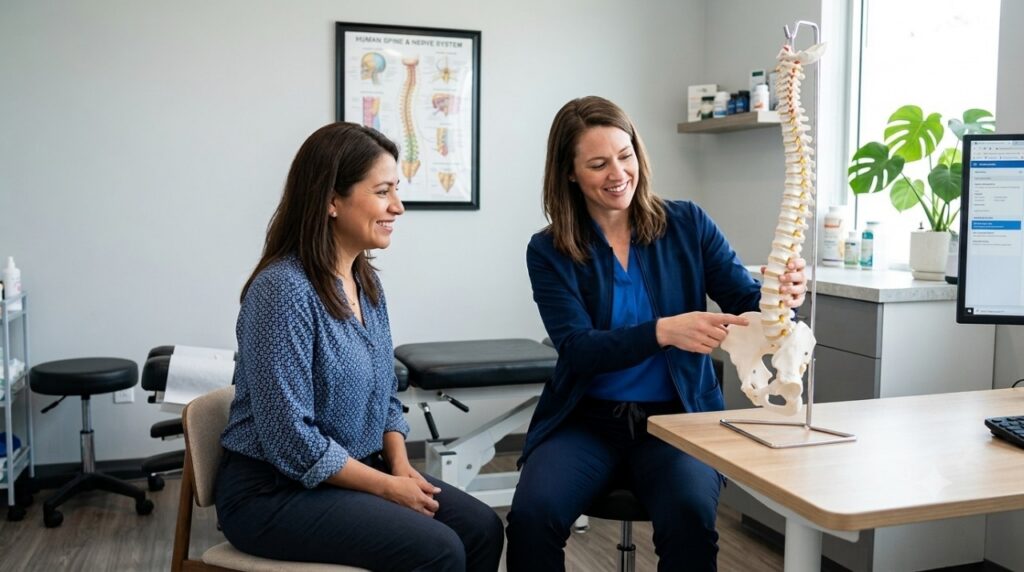

If you've ever felt the weight of stress or discomfort, chiropractic care could be a natural solution to help you relax. By focusing on spinal alignment and nervous system function, regular adjustments can reduce pain and tension, promoting a greater sense of well-being. But there's more to it than just adjustments; integrating mindfulness practices and ergonomic habits can enhance your relaxation experience. Curious about how these elements work together to support your overall health? Let's explore some effective strategies that can make a difference.
Benefits of Chiropractic Adjustments
When you consider chiropractic adjustments, you're tapping into a powerful tool for enhancing your overall well-being. These adjustments can greatly improve your spinal alignment, which in turn helps your nervous system function at its best. By ensuring that your spine is properly aligned, you can alleviate pressure on your nerves, promoting better communication between your brain and body.
One major benefit of chiropractic adjustments is pain relief. Whether you're dealing with chronic back pain, headaches, or joint discomfort, regular adjustments can help reduce your pain levels. Many people find that after a few sessions, they experience less discomfort and greater mobility, allowing them to enjoy daily activities without limitations.
Chiropractic adjustments also promote improved posture. Poor posture can lead to a host of issues, including muscle tension and fatigue. By correcting your spinal alignment, chiropractors help you develop better posture habits that can prevent future problems.
Additionally, chiropractic care can enhance your overall wellness by boosting your immune system. A well-aligned spine supports better nerve function, which plays a vital role in your body's ability to fight off illness. You may notice fewer colds or infections after receiving regular adjustments.
Lastly, chiropractic adjustments contribute to stress relief. When your body feels balanced and aligned, you're less likely to carry tension, making it easier to relax and unwind. This combination of physical and mental benefits makes chiropractic care an essential part of a holistic approach to well-being.
Techniques for Stress Relief
When it comes to stress relief, simple techniques can make a big difference.
Breathing exercises help calm your mind, while massage therapy techniques can ease tension in your body.
Let's explore how these methods can enhance your relaxation experience.
Breathing Exercises Benefits
Breathing exercises offer a simple yet powerful technique for stress relief, helping you regain calm and focus. By practicing mindful breathing, you can lower anxiety and improve your overall well-being.
Here are three key benefits of incorporating breathing exercises into your daily routine:
- Reduced Stress Levels: Deep breathing activates your body's relaxation response, lowering cortisol levels and alleviating feelings of stress. When you take a moment to breathe deeply, you signal your body to calm down.
- Enhanced Mental Clarity: Focusing on your breath helps clear your mind, allowing you to concentrate better on tasks at hand. This improved focus can lead to better productivity and decision-making.
- Improved Physical Health: Regular practice of breathing exercises can enhance lung capacity, improve circulation, and reduce tension in your muscles. As your body relaxes, you may notice fewer headaches or tension-related aches and pains.
Incorporating these breathing techniques into your life doesn't require much time, but the benefits can be profound.
Start with just a few minutes each day, and you'll soon find a greater sense of peace and clarity.
Massage Therapy Techniques
Through the soothing power of touch, massage therapy techniques can provide considerable stress relief and relaxation. When you receive a massage, your body releases tension stored in muscles.
Techniques like Swedish massage focus on long, flowing strokes that increase circulation and promote relaxation. If you're looking for deeper relief, consider deep tissue massage, which targets the deeper layers of muscle and connective tissue.
Another effective technique is trigger point therapy, where your therapist applies pressure to specific areas to alleviate pain and stiffness. This method can be particularly helpful for chronic tension.
If you're dealing with stress-related headaches or neck pain, a focused massage on those areas can work wonders.
For a holistic approach, try aromatherapy massage, which combines essential oils with traditional massage techniques. The scents can enhance your mood and provide an additional layer of relaxation.
No matter which technique you choose, regular massage therapy can considerably reduce stress and improve your overall well-being.
The Role of Spinal Alignment
Your spinal health plays an essential role in your overall well-being, as it directly impacts your nervous system.
When your spine is properly aligned, you can experience reduced stress and improved relaxation.
Let's explore the techniques that can help you achieve ideal spinal alignment for a more balanced life.
Importance of Spinal Health
Spinal health plays an essential role in your overall well-being, as proper spinal alignment directly impacts your body's ability to function at its best.
When your spine is aligned, it contributes to better posture, reduced pain, and enhanced mobility. This leads to a more active lifestyle and improved quality of life.
Here are three key reasons why maintaining spinal health is vital for you:
- Pain Relief: Misalignment can cause discomfort and tension in your back and neck. Regular chiropractic care can help restore proper alignment, relieving pain and stiffness.
- Enhanced Mobility: A well-aligned spine allows for better movement and flexibility. This means you can enjoy daily activities without feeling restricted or uncomfortable.
- Improved Function: Proper spinal alignment supports your body's systems, enabling organs and muscles to work more efficiently. This can lead to increased energy levels and overall health.
Effects on Nervous System
Proper spinal alignment greatly impacts your nervous system, influencing how your body communicates and functions. When your spine is aligned, it allows for optimal nerve flow, ensuring that signals travel efficiently between your brain and the rest of your body. Misalignments can compress nerves, leading to disruptions in these signals, which may result in discomfort, tension, and various health issues.
When you experience proper alignment, you may notice a reduction in stress and anxiety levels. This happens because your body can better manage stress responses, leading to relaxation. With improved communication between your brain and body, your overall well-being enhances, allowing you to feel more balanced and in control.
Moreover, spinal alignment can improve your sleep quality. When your nervous system functions correctly, it promotes a more restful sleep, which is essential for recovery and relaxation. You'll wake up feeling refreshed, ready to take on the day.
In essence, maintaining proper spinal alignment is critical for supporting your nervous system, contributing to your physical and emotional health. By prioritizing your spinal health, you're investing in a more relaxed and harmonious life.
Techniques for Alignment
Achieving and maintaining spinal alignment involves various techniques that can greatly enhance your overall well-being. Proper alignment not only reduces discomfort but also improves your body's function and energy levels.
Here are three effective techniques you can incorporate into your routine:
1. Chiropractic Adjustments: Regular visits to a chiropractor can help realign your spine through targeted adjustments. These professionals use their hands or specialized instruments to manipulate your spine and alleviate misalignments.
2. Posture Awareness: Maintaining good posture throughout your daily activities is essential. Whether you're sitting at a desk or standing, keeping your spine aligned can prevent strain.
Use ergonomic chairs and take breaks to stretch and reset your posture.
3. Stretching and Strengthening Exercises: Incorporate specific exercises that target your core and back muscles. Strengthening these areas supports your spine and helps maintain alignment.
Simple stretches can also relieve tension and promote flexibility.
Enhancing Nervous System Function
How can chiropractic care enhance your nervous system function? Chiropractic adjustments help restore proper alignment in your spine, which is vital for ideal nerve function. When your spine is misaligned, it can create pressure on your nerves, leading to communication breakdown between your brain and body. By addressing these misalignments, chiropractic care allows your nervous system to operate more effectively.
Regular chiropractic visits can improve your body's overall health by increasing the efficiency of your nervous system. You'll likely notice an increase in your ability to manage stress, as your body can better regulate its responses. Improved nervous system function means that your body can more effectively send and receive signals, enhancing your reflexes, coordination, and overall physical performance.
Moreover, chiropractic adjustments can reduce inflammation and tension in your body, which often contributes to nervous system dysfunction. When you experience less tension, you're more likely to feel relaxed and at ease. This relaxation can lead to improved focus and mental clarity, making it easier for you to navigate daily challenges.
In addition, many people report better sleep quality after receiving chiropractic care. A well-functioning nervous system is essential for restorative sleep, which in turn supports your overall well-being.
Incorporating Mindfulness Practices
While chiropractic care lays a strong foundation for your nervous system, incorporating mindfulness practices can further enhance your overall relaxation and well-being.
Mindfulness helps you stay present in the moment, reducing anxiety and stress. By integrating these practices into your daily routine, you can experience a deeper sense of calm and connection with your body.
Here are three mindfulness practices you can easily incorporate:
- Breath Awareness: Spend a few minutes each day focusing on your breath. Inhale deeply through your nose, hold for a moment, and exhale slowly through your mouth. This simple exercise can ground you and bring awareness to your body, helping to release tension.
- Body Scan: Lie down comfortably and mentally scan your body from head to toe. Notice any areas of tightness or discomfort without judgment. Acknowledging these sensations allows you to cultivate a deeper connection with your physical self, promoting relaxation and awareness of your body's needs.
- Mindful Movement: Engage in gentle activities like yoga or tai chi. These practices combine movement with mindfulness, allowing you to focus on how your body feels as you stretch and move. This not only enhances physical flexibility but also fosters mental clarity and peace.
Complementary Therapies for Relaxation
In addition to mindfulness practices, exploring complementary therapies can further enhance your relaxation journey. These therapies work well alongside chiropractic care, helping you achieve a deeper state of calm.
Consider incorporating massage therapy into your routine. A skilled massage therapist can release muscle tension, improve circulation, and promote overall relaxation. You'll likely find that regular massages complement the adjustments you receive from your chiropractor.
Another option is acupuncture. This ancient practice involves inserting thin needles into specific points on your body to balance energy flow, alleviating stress and promoting relaxation. Many people report feeling a profound sense of tranquility after an acupuncture session, making it a valuable addition to your relaxation toolkit.
Aromatherapy is another effective complementary therapy. Essential oils like lavender, chamomile, and bergamot can create a soothing atmosphere. You can use a diffuser or apply diluted oils to your skin for a calming effect. Pairing these scents with your chiropractic adjustments might elevate your relaxation experience.
Finally, consider yoga or tai chi. Both practices combine gentle movement, breath control, and meditation, making them ideal for reducing stress. You'll not only enhance your physical flexibility but also cultivate a peaceful mind.
Tips for Maintaining Results
To maintain the benefits of chiropractic care, consistency is key. You can enhance your results by incorporating a few simple habits into your daily routine. This won't only help you feel better but also prolong the positive effects of your chiropractic adjustments.
Here are three tips to keep in mind:
- Stay Active: Incorporate regular exercise into your life. Whether it's walking, yoga, or strength training, staying active helps maintain spinal health and overall well-being. Aim for at least 30 minutes of moderate activity most days of the week.
- Practice Good Posture: Be mindful of your posture throughout the day. Whether you're sitting at a desk or standing in line, make an effort to keep your spine aligned. Proper ergonomics while working or using your phone can prevent strain and support your chiropractic care.
- Follow Your Chiropractor's Advice: Your chiropractor may recommend specific stretches, exercises, or lifestyle changes tailored to your needs. Adhering to these guidelines can optimize your results and prevent setbacks.
Don't hesitate to ask questions or seek clarification on anything you don't understand.
Conclusion
Incorporating chiropractic care into your wellness routine can greatly enhance your relaxation and overall health. By aligning your spine and optimizing your nervous system function, you'll experience reduced pain and improved mental clarity. Pairing adjustments with mindfulness practices and ergonomic habits will help you maintain these benefits long-term. Embrace these natural ways to relax, and you'll find a deeper sense of well-being and balance in your daily life. Your journey to relaxation starts today!